

 プリントを購入
 シェアする
シェアする シェアする
シェアする
 詳細を見る
詳細を見る

 ダウンロード
 似ている作品
 スライドショー
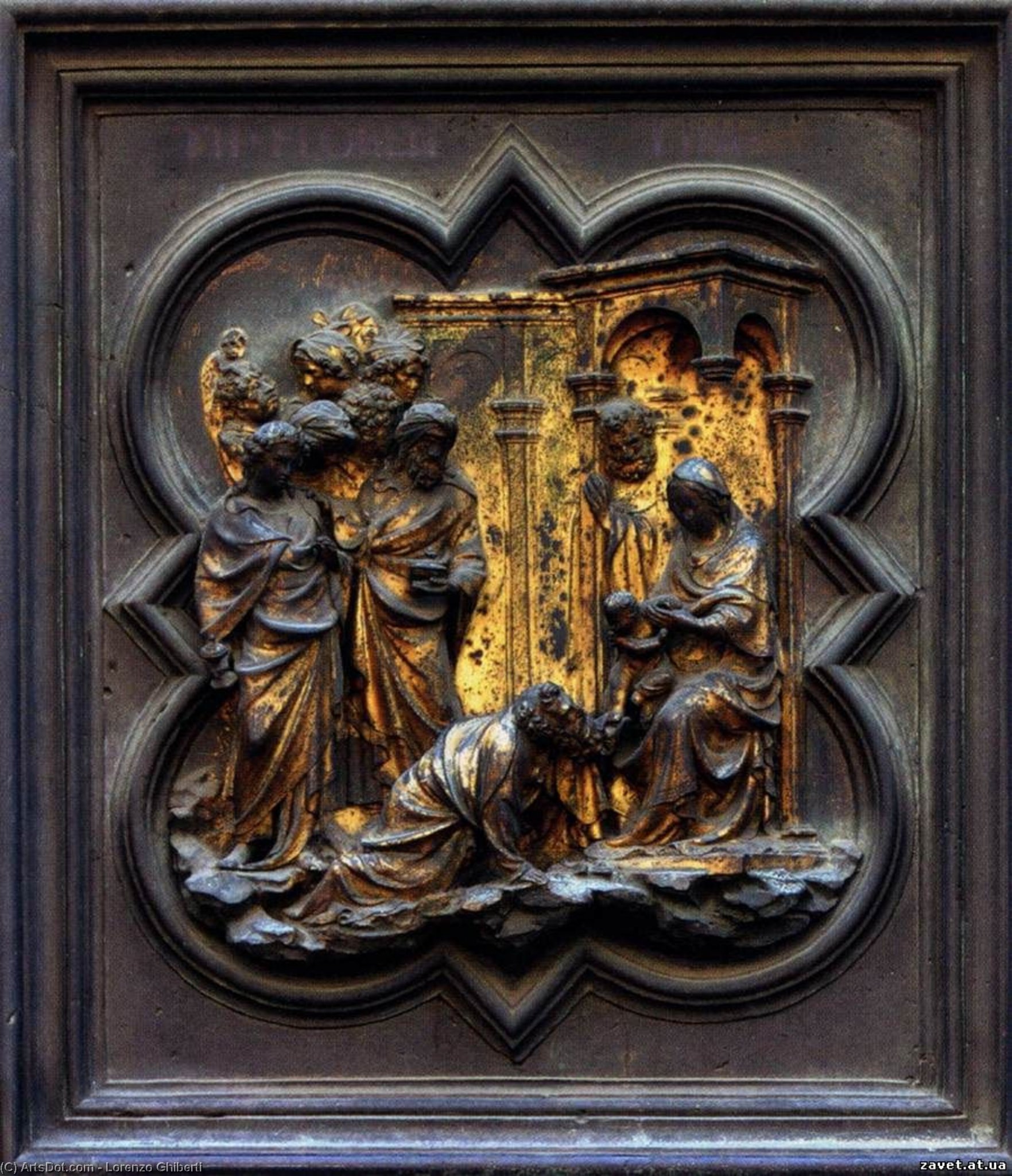
Adoration of the Magi
 Bronze
- Sculpture
- Early Renaissance
 1403
1403 39.0 x 39.0 cm
 バティステロ・ディ・サン・ジョヴァンニ
 詳細を見る
詳細を見る




































作品のオリジナル比率に合わせた、当店の規定サイズからお選びください。

特定のフレームやスペースに合わせて、ご希望のサイズをご入力いただけます。選択されたサイズが元の画像の比率と異なる場合、アートワークをトリミングするか、手描きで要素を追加して絵画を拡張いたします。デジタルモックアップ を制作し、制作開始前にご確認(承認)をいただきます。
画面上のプレビューは、実際のトリミングや拡張を正確に反映しているものではありません。最終的な構図は、モックアップによってのみ正確にご確認いただけます。
カスタムサイズもご利用いただけますが、元の比率を維持するためには、あらかじめ用意されたリストからサイズを選択することをお勧めいたします。
ご注文後、ArtsDot.com チームより詳細な指示をお送りするとともに、仕上がりイメージ(モックアップ)をご提供いたします。


 ガラスオプションは、110cm未満のサイズでのみご利用いただけます。

Adoration of the Magi
複製技法
複製画のサイズ
-


合計金額
$ 313
作品解説
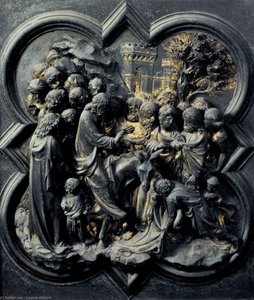
The Majesty of Magi: Lorenzo Ghiberti’s “Adoration of the Magi”
Lorenzo Ghiberti's "Adoration of the Magi," completed in 1403, isn’t merely a depiction of a biblical scene; it’s a shimmering portal into the heart of Renaissance Florence. This bronze relief, originally destined for the doors of the Baptistery of San Giovanni, stands as a testament to Ghiberti's mastery of form, his profound understanding of perspective, and his ability to imbue religious narrative with an almost palpable sense of dynamism. More than just a historical record, it’s a celebration of faith, a showcase of technical brilliance, and a window into the artistic spirit of its time.
The scene itself is a vibrant tapestry of figures – the Virgin Mary cradling the infant Jesus at the center, surrounded by a host of Magi, each identifiable by their distinctive attire and bearing. These aren’t static representations; they are engaged in an active adoration, their gestures conveying reverence and wonder. The composition is meticulously balanced, drawing the eye towards the luminous Christ Child while simultaneously showcasing the intricate details of each figure's drapery and expression. Ghiberti skillfully employs a pyramidal structure, anchoring the scene and creating a sense of stability amidst the bustling activity.
A Masterclass in Bronze Casting
Ghiberti’s genius lies not only in his artistic vision but also in his unparalleled skill as a bronze caster. The relief is executed using the lost-wax casting technique, a process demanding immense precision and control. Each fold of fabric, each curl of hair, each subtle nuance of expression is painstakingly sculpted within the wax model before being meticulously transferred to the bronze. The resulting surface possesses an extraordinary depth and richness – a tactile quality that invites close inspection. The patina, a natural oxidation layer formed over centuries, adds further character and authenticity to the piece, hinting at its long history.
Consider the drapery: it’s not simply draped; it *flows*, responding to the movement of the figures beneath. The way light catches on the folds reveals subtle variations in texture and tone, creating an illusion of three-dimensionality that is remarkably convincing. This level of detail speaks volumes about Ghiberti's dedication to realism and his commitment to capturing the essence of human form.
Symbolism and Renaissance Humanism
Beyond its technical brilliance, “Adoration of the Magi” is rich in symbolic meaning. The arrival of the Magi, representing the East – a region associated with wealth and exoticism – signifies the universality of Christ’s message. Their gifts of gold, frankincense, and myrrh represent spiritual riches, acknowledging Jesus as King of Kings and Lord of Lords. The inclusion of a self-portrait of young Leonardo da Vinci in the background is particularly intriguing, suggesting that Ghiberti was not only a master craftsman but also a keen observer of human nature.
Furthermore, the scene reflects the burgeoning humanist ideals of the Renaissance. The emphasis on individual expression and emotional engagement aligns with the renewed interest in classical art and philosophy. The figures are depicted as complex individuals, each possessing their own distinct personality and motivations – a departure from the more stylized representations of earlier periods.
A Legacy Enduring Through Time
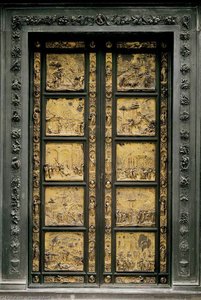
“Adoration of the Magi” remains one of the most celebrated works of the Early Renaissance. Its influence can be seen in countless subsequent artworks, demonstrating Ghiberti’s enduring legacy as a master sculptor. The “Gates of Paradise,” as Michelangelo famously dubbed the second set of doors he created for the Baptistery, built upon and expanded upon the themes established in this earlier masterpiece. Today, reproductions of this iconic relief continue to inspire awe and admiration, offering a glimpse into the artistic genius of Lorenzo Ghiberti and the vibrant cultural landscape of Renaissance Florence.
Consider commissioning a high-quality reproduction to bring the majesty of “Adoration of the Magi” into your home or office – a timeless symbol of faith, beauty, and human achievement.
関連作品

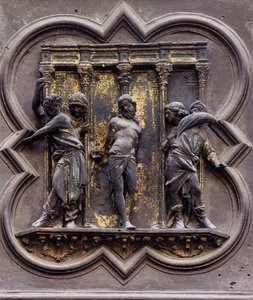
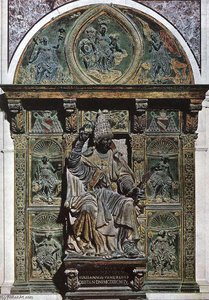
アーティストの略歴
ブロンズに刻まれたフィレンツェ・ルネサンス:ロレンツォ・ギベルティの生涯と遺産
1378年、イタリア・フィレンツェ近郊に生まれたロレンツォ・ディ・バルトロ――後にロレンツォ・ギベルティとして芸術的革新の代名詞となる名は、彫刻の可能性を再定義する旅へと踏み出しました。彼の幼少期は、義父バルトロ・ディ・ミケーレの指導のもと、金細工師としての実用的な芸術技術に深く浸っていました。この基礎的な訓練が、彼の中に比類なき金属加工の習熟をもたらし、後に息を呑むような高みへと昇華させる技術の礎となったのです。しかし、ギベルティの野心は工房の枠組みに留まりませんでした。ゲラルド・スタルニーナから受けた本格的な絵画のレッスンは彼の芸術的視野を広げ、やがてフィレンツェの人々を魅了することになる多才な才能の土台を築きました。さらに1400年、ペストの流行下にあるリミニでカルロ1世・マラテスタのフレスコ画制作を支援した経験は、彼の感性をさらに研ぎ澄ませ、多様な芸術潮流に触れる機会を与えました。当時の彼はまだ知る由もありませんでしたが、これらの形成期における経験が、自らのキャリアを不滅のものとする、あの伝説的なコンペティションへの準備であったことを。洗礼堂の扉:技術とヴィジョンの勝利
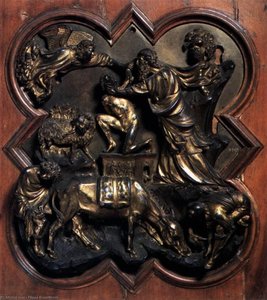
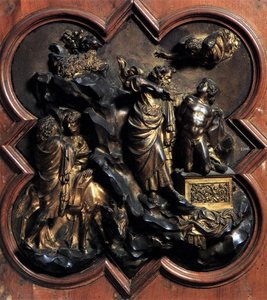
1401年、フィレンツェでは街の洗礼堂に設置する新しいブロンズ製の扉となる芸術家を選出するためのコンテストが開催されました。これは当時、この地域で最も権威ある依頼とされていました。ギベルティは、あの畏怖すべきフィリッポ・ブルネレスキをはじめとする、時代を代表する輝かしい才能たちと共にこの舞台に挑みました。課せられた課題は、「イサクの犠牲」を高浮き彫り(レリーフ)で表現することでした。ギベル動のパネルは、単なる技術力の誇示に留まらず、一つの啓示とも言えるものでした。優美な人物像と洗練された遠近法の理解を特徴とする彼の革新的なアプローチは、見事な勝利を収めたのです。この勝利は、単に依頼を獲得したというだけでなく、新たな芸術的感性の宣言でもありました。彼はその後、北扉の制作に着手します。このプロジェクトは20年以上の歳月を要し、洗礼堂をルネレンサンス芸術の殿堂へと変貌させることになります。ギベルティの工房は新進気鋭の才能が集まる活気ある拠点となり、ドナテッロ、マゾリーノ、パオロ・ウッチェロといった後の巨匠たちを育みました。それは、師としての彼の寛大さと影響力を物語る証左でもありました。「楽園の門」:明かされた傑作
北扉の圧倒的な成功に続き、ギベルティにはさらに野心的な任務が託されました。洗礼堂の東側の入り口に設置する、第二の扉の制作です。1452年に完成したこれらの扉は、彼の最高傑作となり、あのミケランジェロ自身によって「楽園の門」という呼び名を与えられることになります。各パネルには旧約聖書の場面が、かつてないほどのリアリズム、細部へのこだわり、そして感情的な深みをもって描かれています。ブロンズ鋳造と浮き彫り彫刻におけるギベルティの熟練の技は、これらの作品において頂点に達しました。パネルは単なる聖書物語の再現ではありません。解剖学的な正確さ、衣襞(ドレーパリー)の表現、そして空間的関係への細心の注意を通じて、命を吹き込まれた没入感のある物語なのです。彼は遠近法を駆使して、当時の時代において革命的とも言える奥行きと写実性を創出する先駆者となりました。様式、影響、そして永劫なる響き
ギベルティの芸術様式は、ゴシック様式の優雅さと、芽生えつつあったルネサンス・ヒューマニズム(人文主義)の原理が見事に融合したものです。中世の職人技の伝統に根ざしながらも、彼は古典古代を慈しみ、ローマの美術や彫刻の要素を自らの作品に取り入れました。この融合は、洗練されていながらも感情に訴えかける独自の美学を生み出しました。彼は単に過去を模倣したのではなく、明確なルネサンスの視点を通して過去を再解釈したのです。芸術的な功績に加え、ギベルティは『コンメンタリイ(備忘録)』という貴重な知的遺産も残しました。これは美術史、理論、技法に関する自伝的な論文であり、芸術家によるこの種の著作としては極めて初期の例の一つです。1455年にフィレンツェで没した際、彼は後世の芸術家たちに深い影響を与える膨大な作品群を遺しました。彼の革新はレオナルド・ダ・ヴィンチやミケランジェロといった巨匠たちの道を切り開き、西洋美術史における極めて重要な人物としての地位を不動のものとしました。ギベルティの貢献は、ルネサンス期にフィレンツェが主要な芸術の中心地として確立される上で決定的な役割を果たし、「楽園の門」は今もなおフィレンツェの市民の誇りと芸術的達成の不朽の象徴であり続けています。ブロンズに刻まれた遺産
ロレンツォ・ギベルティの歴史的重要性は、その技術的な卓越性を遥かに超えたところにあります。彼は、知的好奇心、芸術的革新、そして古典的学問への再評価によって特徴づけられる「初期ルネサンス」の精神を体現していました。彼の作品はフィレンツェの美的景観を変貌させただけでなく、その後何世紀にもわたって西洋文化を形作ることになる人文主義的な理想を定義する一助となりました。主要作品:北扉および東扉(楽園の門)- フィレンツェ洗礼堂、オルサンミケーレのブロンズ像。 主な影響:ゴシック美術、古典古代、ルネサンス・ヒューマニズム。 芸術様式:ゴシックの優雅さと新興のルネサンス原理の融合。自然主義的な描写、革新的な遠近法の使用。
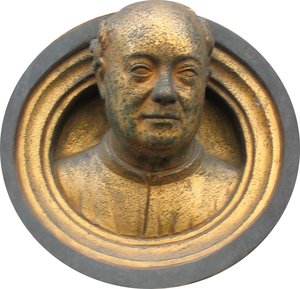
ロレンツォ・ギベルティ
1378 - 1455 , イタリア
基本情報
- Artistic Movement Or Style: 初期ルネサンス
- Artists Or Movements Influenced By This Artist:
- ドナテッロ
- マゾリーノ
- パオロ・ウッチェロ
- ミケランジェロ
- Artists Who Influenced This Artist:
- ゲラルド・スタルニーナ
- バルトロ・ディ・ミケーレ
- Date Of Birth: 1378年
- Date Of Death: 1455年
- Full Name: ロレンツォ・ギベルティ
- Nationality: イタリア
- Notable Artworks:
- 天国への門
- イサクの犠牲
- 黄金の杯の発見
- キリストの洗礼
- Place Of Birth: イタリア、フィレンツェ
関連記事

Bronze Age to Modern Masters: 10 Sculptures That Redefined Art | ArtsDot
Journey through art history with 10 legendary bronze sculptures – from Michelangelo's David to Rodin’s Thinker. Explore the stories, techniques & timeless beauty of these masterpieces. Find museum-quality reproductions & elevate your home decor on ArtsDot.com.

Bronze Sculptures That Defined Art History | ArtsDot
Journey through art history with our Top 10 bronze sculptures! Explore masterpieces by Rodin, Michelangelo & more. Discover stories behind iconic statues and find museum-quality reproductions for your home decor at ArtsDot.com.

The Enduring Legacy of Bronze: A Historical & Artistic Exploration for the Collector
Explore the rich history & enduring appeal of bronze sculpture with expert insights for collectors at ArtsDot. Learn about casting techniques, iconic artists, collecting tips & contemporary interpretations.

The Enduring Legacy of Bronze Sculpture: A Collector's Guide to Form & Cultural Significance
Explore the rich history & enduring appeal of bronze sculpture with expert insights for collectors at ArtsDot. Learn about casting techniques, iconic artists, and collecting tips to build a discerning art collection.

The Enduring Legacy of Bronze: History, Technique & Artistic Expression for the Collector
Explore the rich history & enduring appeal of bronze sculpture with expert insights for collectors at ArtsDot. Learn about casting techniques, iconic artists, and collecting tips.

