

 プレビュー
プレビュー
 シェアする
シェアする シェアする
シェアする
 詳細を見る
詳細を見る

 ダウンロード
 似ている作品
 X線調査
X線調査 スライドショー
 統計情報
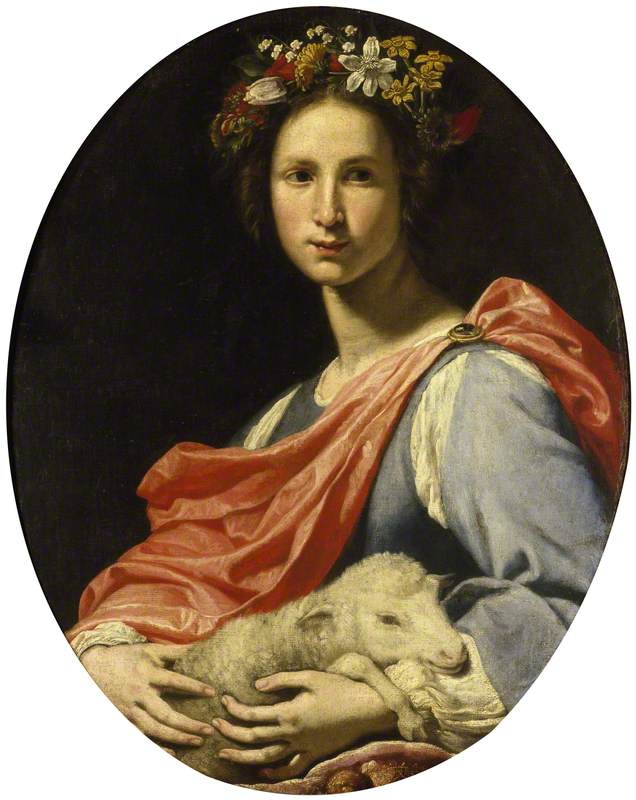
統計情報An Allegory of Innocence
 Acrylic On Canvas
- WallArt
- Baroque
 1640
1640 75.0 x 60.0 cm
 アシュモリアン美術館
 詳細を見る
詳細を見る
オンラインプレビューをはるかに凌ぐ、高解像度で鮮明なデジタル画像をご購入いただけます。
各ファイルは、社内の専門家が高度なツールと熟練した手作業によるレタッチを用いて、細心の注意を払って準備されています。すべての画像において、卓越した鮮明度、正確な色彩再現性、そして繊細なディテールを保証いたします。
最終ファイルは、プロフェッショナルな編集・印刷環境ですぐにご利用いただけるよう最適化された状態で、72時間以内にメールにてお届けいたします。これは、一流のデザインスタジオ、出版社、ギャラリーから信頼されているものと同等の品質です。
デジタルアート
個人での鑑賞、印刷、クリエイティブなプロジェクト用に、高解像度ファイルをダウンロードできます。 ( プリント版に切り替え 手描きの絵画を購入)
デジタル画像のご注文に付随する特典
高品質なデジタル画像配信を、確かな品質で。
ArtsDot.com を選ぶことは、単に画像を手に入れることではありません。それは、プロの手によって精密に仕上げられ、満足保証が付いた高品質なデジタルアートワークを受け取ることを意味します。ご注文いただいた際に自動的に付随する内容は、以下の通りです:

メールですぐにお届け
ご注文から72時間以内に、高解像度のデジタル画像ファイルがメールでお手元に届きます。すぐにそのままご利用いただけます。

AI技術で最適化されたデジタルファイル
お客様の作品は、高度なAIツールと専門家による手作業の編集を組み合わせてプロフェッショナルに最適化されており、細部のディテール、鮮明さ、そして正確な色再現性を最大限に引き出しています。

一生涯無料の再送サービス
ファイルを誤って削除したり、紛失してしまったりしましたか?ご安心ください。いつでも無料で再送いたします。

輸入手数料は一切かかりません
関税や手数料、配送料を気にすることなく、お気に入りのアートワークをすぐにお楽しみいただけます。デジタルダウンロードは常に免税です。

色彩再現の保証
プロ仕様のツールとカラーマネジメント技術を用いることで、デジタル画像が元の色を最大限に忠実に再現することを保証いたします。

100日間満足保証
ご購入いただいたデジタル画像にご満足いただけない場合は、100日以内であれば、理由を問わず修正または100%の返金対応をさせていただきます。

100% 返金保証
ご満足いただけない場合は、デジタルファイルを受け取ってから100日以内であれば、理由を問わず全額返金いたします。

まとめ買い割引
3枚購入で10%OFF - 5枚購入で15%OFF - 10枚以上購入で20%OFF。クリエイティブなプロジェクト、ギャラリー、エージェンシーに最適です。
The Silent Virtue: Lorenzo Lippi’s ‘An Allegory of Innocence’
Lorenzo Lippi's “An Allegory of Innocence,” painted around 1640, isn’t merely a portrait; it’s a carefully constructed meditation on virtue, faith, and the enduring power of childhood. Within its serene confines resides a profound narrative, rendered with the delicate precision characteristic of Lippi’s Florentine style. The painting immediately draws the eye to a young woman, draped in a simple yet elegant blue gown, her head crowned with a garland of wildflowers – a potent symbol of purity and natural beauty. Her gaze is direct, almost challenging, inviting the viewer into this intimate scene.
The central figure, holding a lamb tenderly in her arms, embodies innocence itself. The lamb, a recurring motif in Christian iconography, represents Christ’s sacrifice and vulnerability. Notice how Lippi masterfully captures the creature's peaceful slumber – a visual representation of untainted goodness. Around her, subtle details contribute to the overall message: a red sash, traditionally associated with martyrdom and sacrifice, hints at the price paid for maintaining this state of virtue. The background, framed by a dark, almost theatrical border, serves not as a distraction but rather as a stage upon which this allegory unfolds, emphasizing the figure’s isolation and her dedication to her ideals.
Renaissance Ideals: A Synthesis of Art and Philosophy
Lippi's work is deeply rooted in the intellectual currents of the Florentine Renaissance. The painting reflects a revival of classical ideals – particularly those concerning humanism and the importance of moral virtue – alongside Christian beliefs. Lippi, unlike many of his contemporaries, wasn’t solely focused on technical mastery; he sought to imbue his art with philosophical meaning. This is evident in the careful composition, the symbolic use of color (blue representing piety, red sacrifice), and the overall sense of quiet contemplation.
The painting also speaks to the broader Renaissance fascination with allegory – a technique used to represent abstract concepts through concrete images. “An Allegory of Innocence” is not simply a depiction of a young woman; it’s an embodiment of virtue itself, a visual sermon on the importance of maintaining moral integrity in a world often beset by temptation and corruption. It's a testament to Lippi’s ability to seamlessly blend artistic skill with profound philosophical thought.
Technique and Detail: A Masterful Execution
Lippi’s technical prowess is immediately apparent in the painting’s exquisite detail. The rendering of the woman’s face, particularly her eyes, is remarkably lifelike – conveying both serenity and a subtle intelligence. Observe the meticulous brushstrokes used to capture the texture of the fabric, the delicate petals of the flowers, and the soft wool of the lamb. This level of realism, combined with an idealized portrayal of beauty, creates a captivating visual experience.
The use of light is particularly noteworthy. It’s diffused and gentle, bathing the scene in a warm glow that enhances the sense of tranquility. Lippi expertly employs chiaroscuro – the contrast between light and shadow – to sculpt the figure's form and create depth within the composition. This masterful manipulation of light not only adds visual interest but also reinforces the painting’s symbolic message, highlighting the purity and grace of the central subject.
A Legacy of Grace: Lippi’s Enduring Appeal
Lorenzo Lippi's “An Allegory of Innocence” remains a powerful and evocative work of art. Its timeless themes – virtue, innocence, faith – continue to resonate with viewers today. Beyond its historical significance, the painting offers a profound meditation on the human condition, reminding us of the enduring value of moral integrity and the beauty of simplicity. Reproductions capture only a fraction of the original’s impact, but they offer a valuable opportunity to experience this Renaissance masterpiece in your own home – a testament to Lippi's genius and a source of quiet contemplation for years to come.
関連作品

作家の略歴
The Dual Legacy of Lorenzo Lippi: A Symphony of Brush and Pen
In the vibrant, intellectual landscape of seventeenth-century Florence, few figures embodied the spirit of the humanist tradition as gracefully as Lorenzo Lippi. Born in 1606, Lippi was a man of dual mastery, navigating the worlds of visual art and literature with equal dexterity. While history often remembers him through the delicate strokes of his oil paintings, his soul was equally tethered to the rhythmic beauty of verse. He lived during a transformative era where the refined elegance of the Renaissance began to merge with the theatrical intensity of the Baroque, and Lippi stood at the very heart of this stylistic evolution.
Lippi’s artistic journey began under the tutelage of Matteo Rosselli, a master whose influence anchored Lippi in the prestigious Florentine tradition. Through Rosselli, Lippi inherited the meticulousness of Santi di Tito, a style characterized by precise observation and a profound respect for naturalism. However, Lippi was never content to merely replicate the past. He possessed an innate desire to infuse his work with a new, expressive dynamism. His personal philosophy—to "poetize as he spoke, and to paint as he saw"—served as the guiding light for his entire oeuvre, ensuring that every portrait and religious scene possessed a narrative depth that transcended mere representation.
Mastery of Light and the Baroque Spirit
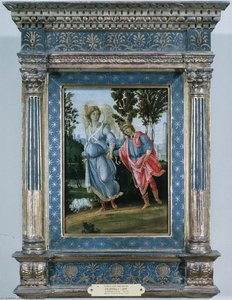
The works of Lorenzo Lippi are celebrated for their remarkable ability to capture the psychological nuances of their subjects. Whether he was rendering the regal presence of nobility or the ethereal grace of celestial beings, his technique remained rooted in a sophisticated use of light and color. In masterpieces such as "Tobias and Archangel Raphael," one can witness the dramatic application of chiaroscuro, where deep shadows and brilliant highlights create a sense of movement and divine intervention. This tension between shadow and light is a hallmark of the Baroque period, yet Lippi maintained a certain Florentine clarity that prevented his compositions from becoming lost in excessive darkness.
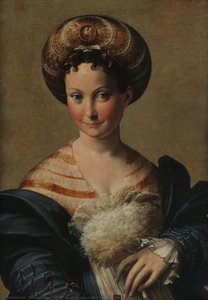
His portraiture further demonstrates his versatility and skill. In works like "Portrait of Claudia de' Medici," Lippi showcases an opulent attention to detail, using texture and symbolic elements to convey the status and character of the sitter. Similarly, his "Woman With A Mask"* invites the viewer into a more introspective, mysterious realm, utilizing an enigmatic mood to engage the observer’s imagination. His ability to balance the grandiosity required by high-ranking patrons with an intimate, naturalistic touch allowed him to move seamlessly between different artistic demands.
A Literary Journey and International Influence
Beyond the confines of his studio, Lippi’s intellectual pursuits led him far beyond the borders of Italy. His marriage to Giovanna Susini and his subsequent appointment as a court painter for Archduke Ferdinand II Habsburg in Innsbruck marked a significant chapter in his life. This period of international service not only expanded his exposure to diverse European influences but also provided the backdrop for his most famous literary achievement. It was during his time in the Habsburg court that he penned "Il Malmantile Racquistato," a sprawling, mock-heroic romance that blended elements of popular folklore with sophisticated literary allusions.
This literary endeavor, published under the pseudonym Perlone, solidified his reputation as a significant voice in Florentine literature. The intersection of his poetic wit and his painterly eye created a unique artistic identity—one where the boundaries between word and image were perpetually blurred. As we reflect on the life of Lorenzo Lippi, we see more than just a painter or a poet; we see a true Renaissance man of the Baroque age, whose legacy continues to resonate through the enduring beauty of his canvases and the enduring charm of his verses.

Lorenzo Lippi
1606 - 1664 , Italy
プロフィール概要
- Artistic Movement Or Style: Baroque
- Artists Or Movements Influenced By This Artist: ['Santa Caterina di Prato']
- Artists Who Influenced This Artist: ['Matteo Rosselli']
- Date Of Birth: Florence, Italy (1606)
- Date Of Death: 1664
- Full Name: Lorenzo Lippi
- Nationality: Italian
- Notable Artworks:
- Crucifixion
- Triumph of David
- Portrait of Claudia de’ Medici
- Woman With A Mask
- Place Of Birth: Florence