

 プレビュー
プレビュー
 プリントを購入
 シェアする
シェアする シェアする
シェアする
 詳細を見る
詳細を見る

 ダウンロード
 似ている作品
 X線調査
X線調査 スライドショー
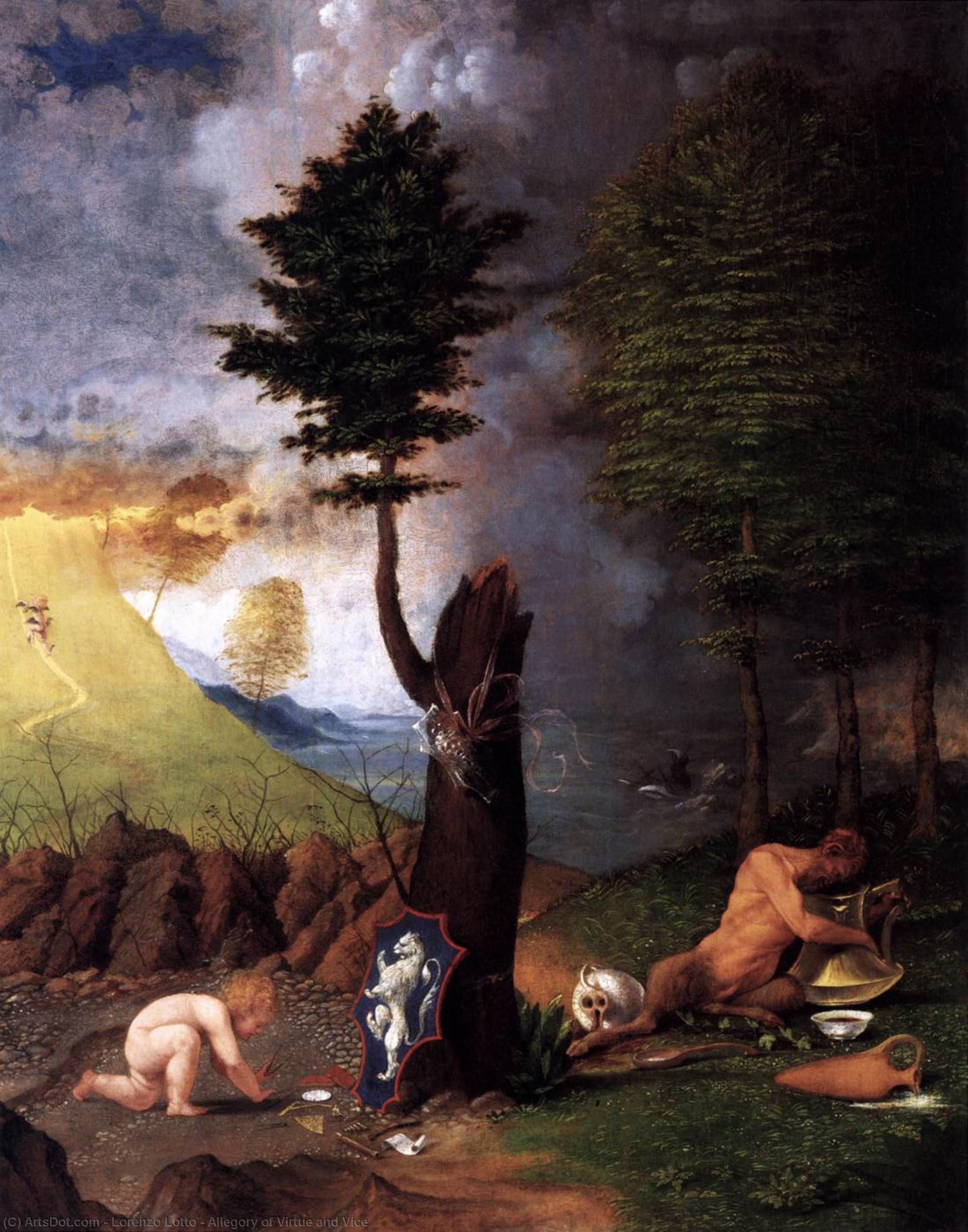
Allegory of Virtue and Vice
 Acrylic On Canvas
- WallArt
- High Renaissance
 1505
1505 57.0 x 42.0 cm
 ナショナル・ギャラリー・オブ・アート
 詳細を見る
詳細を見る




P118B $10

P118H $10

P118W $10

P438Z $10

P508JH $12

P508YH $12

P805H $10

P805Z $10

P919BZ $10

P919G $10

P919XJ $10

P959ZH $10

P968JZ $12

W106C $8

W218G $10

W218JH $8

W218Y $10

W307PJ $10

W316G $10

W316PJ $8

W316Y $10

W398PJ $8

W4111J $10

W500HY $15

W500JH $15

W692G $12

W849H $8

W940BG $15

W953PJ $8




作品のオリジナル比率に合わせた、当店の規定サイズからお選びください。

特定のフレームやスペースに合わせて、ご希望のサイズをご入力いただけます。選択されたサイズが元の画像の比率と異なる場合、アートワークをトリミングするか、手描きで要素を追加して絵画を拡張いたします。デジタルモックアップ を制作し、制作開始前にご確認(承認)をいただきます。
画面上のプレビューは、実際のトリミングや拡張を正確に反映しているものではありません。最終的な構図は、モックアップによってのみ正確にご確認いただけます。
カスタムサイズもご利用いただけますが、元の比率を維持するためには、あらかじめ用意されたリストからサイズを選択することをお勧めいたします。
ご注文後、ArtsDot.com チームより詳細な指示をお送りするとともに、仕上がりイメージ(モックアップ)をご提供いたします。


 ガラスオプションは、110cm未満のサイズでのみご利用いただけます。

Allegory of Virtue and Vice
複製技法
複製画のサイズ
-


合計金額
$ 263
作品解説
Lorenzo Lotto’s “Allegory of Virtue and Vice”: A Venetian Masterpiece of Moral Ambiguity
Lorenzo Lotto's "Allegory of Virtue and Vice," painted in 1505, is not merely a decorative panel; it’s a profound meditation on human choice, morality, and the eternal struggle between good and evil. Created during a pivotal moment in his career – a period marked by both artistic experimentation and a growing independence from Venetian conventions – this work reveals Lotto's unique vision and his masterful ability to imbue a complex allegorical scene with palpable drama and psychological depth. The painting, now residing within the National Gallery of Art in Washington D.C., immediately captivates with its dynamic composition and richly layered symbolism, inviting viewers into a timeless debate about the paths we choose.
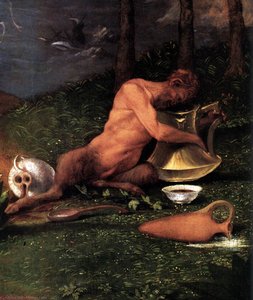
At first glance, the scene presents itself as a dramatic tableau: a partially nude satyr, embodying earthly desires and sensual indulgence, is caught in a fierce tug-of-war. On one side, a radiant figure representing Virtue pulls him towards a golden urn – a symbol of wisdom, knowledge, and spiritual enlightenment. Conversely, a shadowy figure embodies Vice, attempting to drag him down into a dark valley filled with the trappings of earthly pleasures: a drunken silenus, a crumbling landscape, and even a sinking ship—all potent metaphors for fleeting gratification and ultimate ruin. The stark contrast between the vibrant colors of Virtue’s side and the muted tones of Vice's creates an immediate visual tension, mirroring the internal conflict at the heart of the allegory.
A Venetian Renaissance Hybrid
Lotto’s style in “Allegory of Virtue and Vice” is a fascinating blend of influences. While rooted in the High Renaissance tradition—evident in the balanced composition, careful rendering of anatomy, and classical references—it also anticipates the emerging Mannerist tendencies that would soon dominate Italian art. He departs from the idealized beauty often favored by his Venetian contemporaries, opting instead for a more expressive and emotionally charged portrayal of the figures. The satyr’s exaggerated features, the intense gaze of Virtue, and the unsettling details of Vice's domain all contribute to a sense of immediacy and psychological realism that was relatively uncommon in Venetian painting at the time. This departure from strict adherence to established norms suggests Lotto’s willingness to experiment and forge his own distinctive artistic voice.
The painting’s genesis is intertwined with a significant personal event: the attempted assassination of bishop Bernardo de' Rossi, Lotto’s patron in Treviso. The panel served as a protective cover for a portrait of the bishop, and the allegorical imagery was intended to convey his moral virtues and warn against the dangers of vice. This biographical context adds another layer of meaning to the work, highlighting its function as both an artistic statement and a personal message.
Symbolism and Interpretation
Beyond the immediate depiction of Virtue and Vice, “Allegory of Virtue and Vice” is replete with symbolic details that invite careful interpretation. The golden urn represents not just knowledge but also temptation—the allure of forbidden fruit. The putti (small winged figures) flanking Virtue embody innocence and divine guidance, while the crumbling landscape symbolizes the consequences of succumbing to vice. The inclusion of a ship sinking in the background powerfully illustrates the perils of worldly pursuits, suggesting that even seemingly successful endeavors can ultimately lead to destruction. Even the choice of materials—the use of oil on panel—reflects Lotto’s innovative approach and his willingness to push the boundaries of traditional painting techniques.
A Timeless Reflection
“Allegory of Virtue and Vice” remains a profoundly resonant work of art, offering viewers an enduring meditation on the fundamental choices that shape human destiny. Lotto's masterful use of symbolism, combined with his expressive style and psychological insight, elevates this allegorical scene beyond mere decoration—transforming it into a timeless reflection on the eternal struggle between good and evil within ourselves. Reproductions capture only a fraction of the painting’s power; experiencing it in person is to be immersed in a world of moral ambiguity and profound beauty.
関連作品
アーティストの略歴
ヴェネツィアの放浪者:ロレンツォ・ロットの生涯と芸術
1480年頃、活気あふれるヴェネツィアに生まれたロレンツォ・ロットは、イタリア・ルネサンスにおいて独自の存在感を放つ画家として台頭しました。しかし、彼の芸術的旅路は、ラグーン都市の著名な工房にとどまらず、トレヴィーゾ、ローマ、ベルガモ、アンコーナといった都市を巡り、最終的にはロレートで修道士としての生活を見出すことになります。この遍歴的な人生は、彼の芸術的ビジョンに深く影響を与え、多様な様式の影響を受けながらも、独立した精神を育みました。初期の修行については不明な点が多いものの、ヴェネツィア派の巨匠ジョヴァンニ・ベッリーニから教えを受けたと考えられています。しかしロットは単なる模倣にとどまらず、独自のスタイルを確立しました。それは、盛期ルネサンスの優雅さと、萌芽的なマニエリスムの感覚が融合したものでした。伝統の融合:様式と影響
ロットの芸術的特徴は、多様な影響を見事に統合し、一貫性がありながらも深く個人的な美学を創造する能力にあります。初期作品には、ジョルジョーネの詩的な自然主義の影響が色濃く見られ、繊細な大気効果と叙情的な構図が印象的です。しかし、ローマ滞在は彼にラファエロの芸術との出会いをもたらし、彼の作品に新たな形式の明瞭さと構成上のバランスを与えました。その後、ベルガモでの長期滞在中に、ロンバルディア写実主義の影響を取り入れ、人物像に地に足の着いた現実感をもたらしました。この折衷的なアプローチは単なる寄せ集めではありません。ロットはこれらの影響を巧みに統合し、技術的に洗練され、感情的に共鳴する絵画を生み出しました。彼は遠近法を実験することを恐れず、しばしば珍しい視点を用いることで、ドラマや親密さを高めました。彼のパレットはヴェネツィアの色彩主義に根ざしていましたが、時代とともに進化し、ますます鮮やかで表現力豊かなものとなっていきました。ベルガモ時代に描かれた『スザンナと長老たち』は、この成熟を象徴しています。それは、光沢のある色彩と登場人物の感情に対する鋭い洞察力を備えた魅力的な物語です。魂の肖像:ロットの傑作
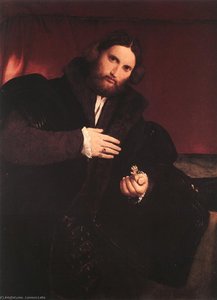
ロットは宗教画においても優れた才能を発揮しましたが、彼の真価が発揮されたのは、おそらく肖像画においてでしょう。彼は単なる外見だけでなく、被写体の内面を描き出す並外れた才能を持っていました。彼の肖像画は理想化されることは稀であり、代わりに、被写体すべての複雑さと脆弱性を提示しています。1527年に描かれた『金色の爪を持つ男』はその典型的な例です。小さな金の置物を手に持つ紳士の魅力的な研究作品で、その象徴性は解釈の余地がありますが、紛れもなく興味深いものです。被写体の視線は直接的で魅力的であり、知性と静かな熟考を伝えています。同様に、『37歳の男の肖像』は、ロットが衣服、姿勢、目の表情といった細部を通して個性を表現する能力を示しています。これらは単なる人物の描写ではありません。それらは彼らの魂への窓なのです。再発見された遺産:歴史的意義
生前にはかなりの評価を得ていたにもかかわらず、ロットの名声は1556年または1557年の彼の死後衰退しました。しばしば地方の教会や個人コレクションに分散された彼の作品は、何世紀にもわたってほとんど無視されていました。しかし、19世紀後半にバーナード・ベレンソンの画期的な研究が発表されるまで、ロットは大きな関心を集めませんでした。今日、彼はイタリア・ルネサンスで最も独創的で魅力的な芸術家の一人として認められています。彼のユニークな様式の影響の融合、心理的な深み、そして技術的な習熟度は、今もなお観客を魅了し、美術史家を刺激しています。彼は芸術的独立性の力を証明する存在です。放浪者でありながら、独自の道を切り開き、世界に消えることのない足跡を残しました。ロットの作品の再発見は、ルネサンスに対する私たちの理解を深め、複雑で多面的な芸術家を明らかにし、彼の作品は継続的な探求と感謝に値します。ロレンツォ・ロットは、その時代を超越した才能によって、美術史において特別な地位を確立しました。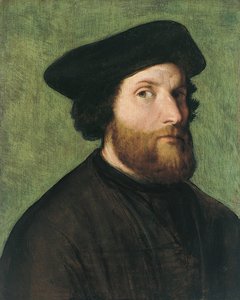
ロレンツォ・ロット
1480 - 1556 , イタリア
基本情報
- Artistic Movement Or Style: ルネサンス、マニエリスム
- Artists Who Influenced This Artist:
- ジョヴァンニ・ベッリーニ
- ジョルジョーネ
- コレッジョ
- パルマ・ヴェッキオ
- Date Of Birth: 1480年頃
- Date Of Death: 1556/57年
- Full Name: ロレンツォ・ロット
- Nationality: イタリア人
- Notable Artworks (List Of Titles):
- 聖ヒエロニムスと聖母子
- 美徳と悪徳の寓意
- 砂漠の聖ヒエロニムス
- 金色の爪を持つ男
- Place Of Birth (City And Country): イタリア、ヴェネツィア
関連記事
The Weight of Virtue and Vice: Exploring Moral Themes in Art History
Explore the captivating world of moral allegory in art history! Discover how Renaissance masters like Bosch, Botticelli & Lotto depicted virtue & vice. Expert analysis and stunning reproductions at ArtsDot.
Lorenzo Lotto: Unveiling the Enigma of a Venetian Master's Portraits
Explore the captivating world of Lorenzo Lotto, a Venetian Renaissance master renowned for his psychologically insightful portraits & enigmatic symbolism. Discover his life, style, and rediscovered legacy with ArtsDot.
Unveiling Hidden Meanings: Allegory in Western Art History
Explore the rich history of allegory in Western art! Discover hidden meanings in masterpieces from Giotto to Bosch & beyond. Expert insights for collectors and enthusiasts at ArtsDot.
The Canvas of Virtue: Exploring Moral Lessons & Narrative Power in Art History
Explore the rich history of moral lessons & symbolism in art! Discover how Renaissance masters like Bosch used allegory to convey virtue & vice. Expert analysis for collectors and enthusiasts.
Embodying the Polis: Civic Virtue as Subject & Symbol in Western Art
Explore the fascinating history of civic virtue in Western art! From ancient Greece to the French Revolution, discover how artists depicted ideals of citizenship, duty & republicanism. Expert analysis at ArtsDot.

