 プレビュー
プレビュー
 シェアする
シェアする シェアする
シェアする
 詳細を見る
詳細を見る

 ダウンロード
 似ている作品
 X線調査
X線調査 スライドショー
Adoration of the Magi
 Late Gothic
 1422
1422 115.0 x 177.0 cm
 ウフィツィ美術館
 詳細を見る
詳細を見る
ジークレー/アートプリント
迅速な制作と多彩な仕上げオプションを備えた、ミュージアムクオリティのジークレーまたはキャンバスプリント。 ( 手描きの絵画を購入 画像を購入)




P118B $10

P118H $10

P118W $10

P438Z $10

P508JH $12

P508YH $12

P805H $10

P805Z $10

P919BZ $10

P919G $10

P919XJ $10

P959ZH $10

P968JZ $12

W106C $8

W218G $10

W218JH $8

W218Y $10

W307PJ $10

W316G $10

W316PJ $8

W316Y $10

W398PJ $8

W4111J $10

W500HY $15

W500JH $15

W692G $12

W849H $8

W940BG $15

W953PJ $8




作品のオリジナル比率に合わせた、当店の規定サイズからお選びください。

特定のフレームやスペースに合わせて、ご自身でサイズを指定することも可能です。選択されたサイズが元の画像の比率と一致しない場合、作品をトリミングするか、鏡面反射または単色での塗りつぶしによって画像を拡張いたします。制作を開始する前に、ご確認用のデジタルモックアップをお送りいたします。
画面上のプレビューには、実際のトリミングや拡張は反映されませんのでご注意ください。最終的な構図を正確に確認できるのは、モックアップのみとなります。
カスタムサイズも承っておりますが、元の比率を維持するためには、あらかじめ用意されたリストからサイズを選択することをお勧めいたします。


 ガラスオプションは、110cm未満のサイズでのみご利用いただけます。

Adoration of the Magi
ジークレー/アートプリント
複製画のサイズ
-


合計金額
$ 62
作品詳細説明
A Glimpse of Divinity: Lorenzo Monaco’s ‘Adoration of the Magi’
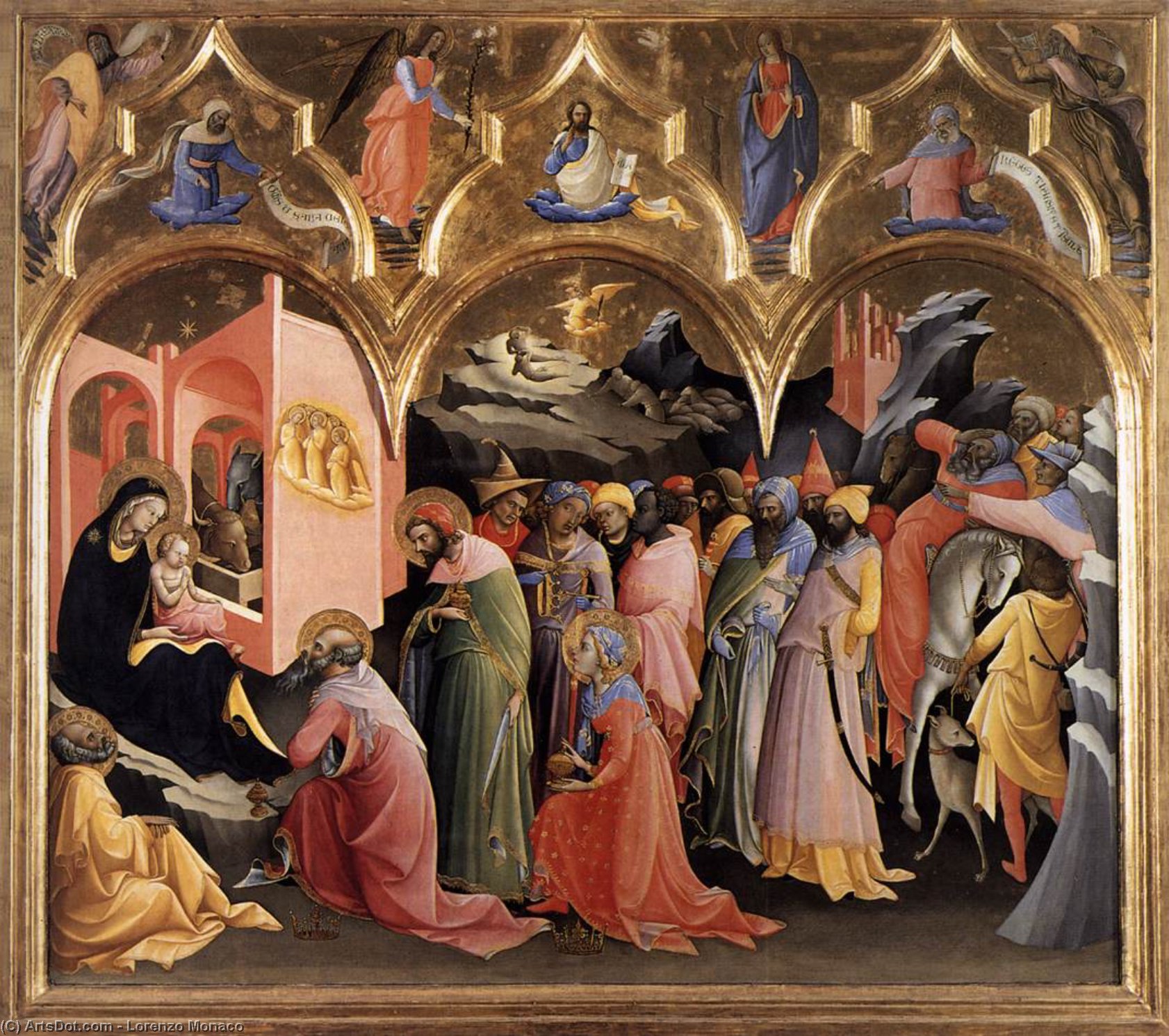
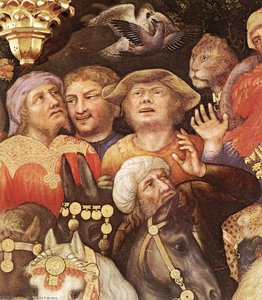
Lorenzo Monaco's “Adoration of the Magi,” painted in 1422, isn’t merely a depiction of a biblical scene; it’s a profound meditation on faith, humility, and the arrival of divine grace. This panel painting, now residing within the Uffizi Gallery in Florence, offers a captivating window into the late Gothic period – a time when artistic expression was deeply intertwined with spiritual contemplation. Monaco, a Florentine monk who embraced a life of monastic devotion, imbued this work with an introspective quality rarely seen in contemporary art, reflecting his own contemplative existence.
The scene unfolds within a meticulously rendered architectural setting, reminiscent of the austere beauty of early Gothic churches. The composition is remarkably complex, teeming with figures arranged within a carefully constructed space – a building with arched windows and a courtyard. At its heart lies the kneeling Magi, resplendent in rich fabrics and adorned with symbols of their wisdom: gold for knowledge, frankincense for divinity, and myrrh for immortality. Above them, angelic figures engage in a flurry of activity, adding to the dynamic energy of the scene. The background features a stylized landscape—mountains shrouded in clouds—a testament to Monaco’s masterful use of perspective, albeit within the limitations of the period.
The Monk's Vision: Style and Technique
Monaco’s style is distinctly Gothic, yet subtly anticipates the burgeoning Renaissance. He skillfully balances realism with symbolic representation, creating a work that is both visually arresting and deeply meaningful. The figures are elongated and graceful, characteristic of the Gothic tradition, but their expressions convey a sense of reverence and humility rarely found in earlier depictions of religious subjects. Linear precision dominates—defining architectural elements and outlining figures with sharp contours—while shapes are largely defined by rectangular forms – buildings, robes, and faces – combined with rounded shapes for drapery and bodies. Texture is achieved through meticulous detailing, layering paint to create a rich tapestry of color and form.
The painting’s technique reveals Monaco's mastery of tempera on wood panel. The use of glazing—applying thin layers of translucent paint over dried underlayers—creates luminous effects and imbues the colors with an almost ethereal quality. Notice, particularly, the way light seems to emanate from a central source, illuminating the foreground figures while casting dramatic shadows that add depth and volume. This careful manipulation of light and shadow is crucial to the painting’s emotional impact.
Symbolism and Narrative Depth
Beyond its visual beauty, “Adoration of the Magi” is rich in symbolic meaning. The gifts presented by the Magi—gold, frankincense, and myrrh—represent not only their wealth and status but also fundamental aspects of faith: wisdom, divinity, and immortality. The diverse attire and ethnicities of the Magi themselves speak to the universality of Christ’s message – a message that transcends cultural boundaries. The presence of angels further emphasizes the divine nature of the event, while the architectural setting evokes a sense of sacred space.
Interestingly, Monaco subtly incorporates elements of the pagan world into the composition. The ruins in the background—a possible reference to ancient Roman structures—symbolize the triumph of Christianity over paganism. This juxtaposition highlights the painting’s central theme: the arrival of a new era of faith and hope.
A Legacy of Spiritual Art
Lorenzo Monaco's “Adoration of the Magi” stands as a testament to his artistic vision and spiritual depth. It is a work that transcends its historical context, continuing to resonate with viewers today through its beauty, symbolism, and emotional power. Reproductions capture only a fraction of the original’s luminous quality and intricate detail, but offer a valuable opportunity to experience this masterpiece of late Gothic art. Its enduring appeal lies in its ability to evoke a sense of wonder, reverence, and contemplation—a reminder of the profound mysteries at the heart of human faith.
関連作品
アーティストの略歴
フィレンツェの修道士のビジョン:ロレンツォ・モナコの領域
ロレンツォ・モナコ、本名ピエロ・ジョヴァンニは1370年頃にシエナで生まれ、トレチェント(14世紀)のゴシック様式の優雅さとクワトロチェント(15世紀)の萌芽するルネサンスの理想との移行期において、重要な位置を占めています。彼の生涯に関する記録は乏しいものの、その芸術的軌跡は、適応、革新、そして深い精神性に満ちた物語を明らかにしています。フィレンツェで修行した彼は、ジョット、スピネルロ・アレティーノ、アニョーロ・ガッディといった巨匠たちの教えを受け入れました。彼らは、叙事的な明瞭さと感情的な共鳴の基盤を築き上げました。しかし、1390年にサンタ・マリア・デリ・アンジェリのカンマルドゥーレ修道会に入会し、禁欲生活を送るようになったことが、彼の芸術的アイデンティティを真に形作り、「ロレンツォ・モナコ」、つまり「ローレンス僧侶」という名前で知られるようになりました。この瞑想的な生活への献身は、彼の作品の性格に深く影響を与え、内省的な質と宗教的なテーマへの集中をもたらしました。ゴシック様式の優雅さとルネサンスの兆しを融合
モナコの初期作品(1390年代)は、当時のヨーロッパで蔓延していた国際ゴシック様式を巧みに操っています。これらの絵画は、洗練された優雅さ、繊細な線描、そして当初は色調が抑制されていたパレットによって特徴付けられています。しかし、確立された枠組みの中でも、彼の個性的な芸術的声の兆しが現れ始めます。同時代のロレンツォ・ギベルティやジェラルド・スタルニーナの影響を取り入れ、彼らの洗練された構図と細部へのこだわりを作品に取り込みました。時が経つにつれて、モナコのスタイルは進化し、流れるような衣類で身を包んだ細長い人物像、シャープなエッジと鮮やかな色彩—特に金やラピスラズリの豪華な色合い—そして微妙で、ほとんど幽玄な光の質感が際立つようになりました。彼のジェスチャーは控えめで、露骨に感情を表すのではなく、内なる感情をほのめかしています。空間構成は平面的であり、厳密な写実性よりも象徴的な共鳴を優先しています。彼は常に強い精神的価値観が込められた場面を描こうと努め、純粋な自然主義表現の追求から距離を置いていました。信仰と芸術的革新の傑作
モナコの芸術的アウトプットの広さは印象的で、パネル画、フレスコ画、そして装飾写本が含まれています。フィレンツェのアカデミア美術館に所蔵されているピエタは、初期の習熟度を証明するものであり、線の中に神経的なエネルギーと感情的な緊張感が感じられます。現在ウフィツィ美術館にある壮大な聖母戴冠式は、彼の成熟したスタイル—流れるような形と鮮やかな色彩で描かれた聖人たちの活気に満ちたタペストリー—を例示しています。アカデミア美術館にも所蔵されているモンテオリヴェートの多翼祭壇画は、フラ・アンジェリコを予感させる深い精神性を明らかにしています。おそらく彼の最も有名な業績の一つである東方の賢者たちの礼拝(1420-1422年)では、厳密な幾何学的遠近法に欠けるものの、革新的な構図が魅力的で視覚的に印象的な作品を生み出しています。バルトリニ・サリムベニ礼拝堂のフレスコ画は、彼の現存する壁画作品の数少ない例であり、大規模な装飾家としての彼の才能を垣間見ることができます。これらの作品は、技術的な卓越性だけでなく、神学的な象徴に対する深い理解と、宗教的な物語を明瞭さと優雅さをもって伝えるという献身を示しています。時代を超越する架け橋
同時代のマサッチオやフィリッポ・ブルネレスキによる遠近法と写実性における画期的な革新が彼の生涯中にフィレンツェを席巻していたにもかかわらず、ロレンツォ・モナコはこれらの発展の影響をほとんど受けませんでした。彼は揺るぎない独自のスタイルを維持し、後期ゴシックの伝統と萌芽するルネサンス美学との間に橋を架けました。ジョルジョ・ヴァザーリは、彼の画家たちの生涯の中で、モナコの才能を認めながらも、1425年頃に原因不明の感染症で若くして亡くなったことを指摘しています。記録は限られていますが、彼の芸術史への貢献は否定できません。彼はジョット様式の最後の重要な継承者であり、その遺産を守りながら、今後の芸術的変革を予感させる要素を取り入れました。精神性、様式化された形式、そして洗練された優雅さへの彼の強調は、フィレンツェ絵画における独特の美学を表し、後世の世代のアーティストに永続的な足跡を残しました。遺産と持続する影響
ロレンツォ・モナコの作品は、繊細な美しさ、深い敬虔さ、そして微妙な革新によって、今もなお鑑賞者の心を魅了し続けています。彼はマサッチオのような革命家ではありませんでしたが、彼の貢献は、既存の伝統を調和のとれた個人的なスタイルに統合する能力にあります。確立された慣習の中で芸術的な卓越性を追求することができ、個々の表現と精神的な深みでそれらを豊かにすることを示しました。彼の影響は、彼の洗練された技術と敬虔な感性に感謝した後のアーティストの作品に見ることができます。今日、彼の絵画は、移行期、実験、そして芸術的ビジョンを通して表現される信仰の永続的な力を垣間見ることができる貴重な窓となっています。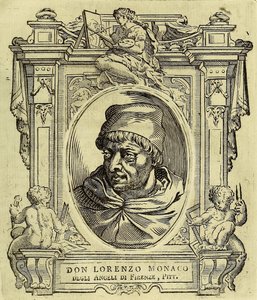
ロレンツォ・モナコ
1370 - 1425 , イタリア
基本情報
- Artistic Movement Or Style: ゴシック、初期ルネサンス
- Artists Or Movements Influenced By This Artist: ['フラ・アンジェリコ']
- Artists Who Influenced This Artist:
- ジョット
- スピネルロ・アレティーノ
- アニョーロ・ガッディ
- ロレンツォ・ギベルティ
- Date Of Birth: 1370年頃
- Date Of Death: 1425年頃
- Full Name: ロレンツォ・モナコ
- Nationality: イタリア人
- Notable Artworks (List Of Titles):
- ピエタ
- 聖母戴冠式
- モンテオリヴェート祭壇画
- 東方の賢者の礼拝
- Place Of Birth (City And Country): シエナ、イタリア
関連記事
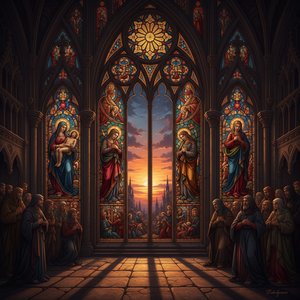
The Radiant Dusk of Medieval Vision: Exploring Late Gothic Art's Synthesis of Faith, Form & Emotionality (c. 1300-1500)
Explore the exquisite beauty & spiritual depth of Late Gothic art (c. 1300-1500). Discover key artists, symbolism, and its lasting influence on the Renaissance. Expert insights at ArtsDot.
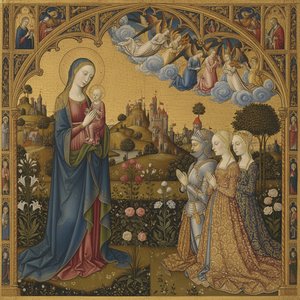
Beyond Borders: The Spiritual & Stylistic Innovations of International Gothic Art
Explore the exquisite beauty & spiritual depth of International Gothic art. Discover key artists like Simone Martini & Pol de Limbourg, its origins, symbolism, and lasting influence on European painting. Expert insights at ArtsDot.
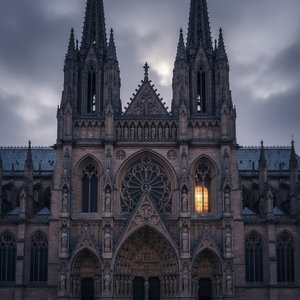
The Shadow of Faith: Exploring Gothic Art's Spiritual Intensity & Architectural Innovation
Explore the spiritual intensity & architectural innovation of Gothic art! Discover the symbolism behind cathedrals, stained glass & master artists like Giotto and Monet. A deep dive into medieval history & artistic expression.
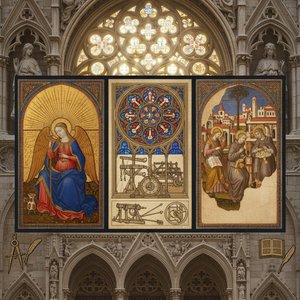
Illuminating the Fourteenth Century: Art, Innovation & Enduring Legacies (1300-1400)
Explore the transformative art of the 14th century! Discover Gothic masterpieces, International Style innovations, and the precursors to the Renaissance. Expert insights & historical context at ArtsDot.
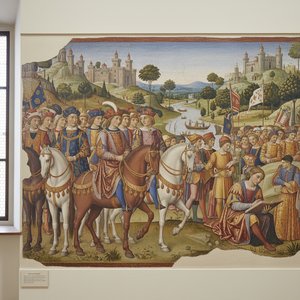
Benozzo Gozzoli: Narrative Innovation & Secular Humanism in Early Renaissance Frescoes
Explore the innovative frescoes of Benozzo Gozzoli, a key Florentine Renaissance painter. Discover his unique blend of religious narrative, secular humanism & detailed portraiture in masterpieces like the Magi Chapel cycle.