

 プレビュー
プレビュー
 シェアする
シェアする シェアする
シェアする
 詳細を見る
詳細を見る

 ダウンロード
 似ている作品
 X線調査
X線調査 スライドショー
 統計情報
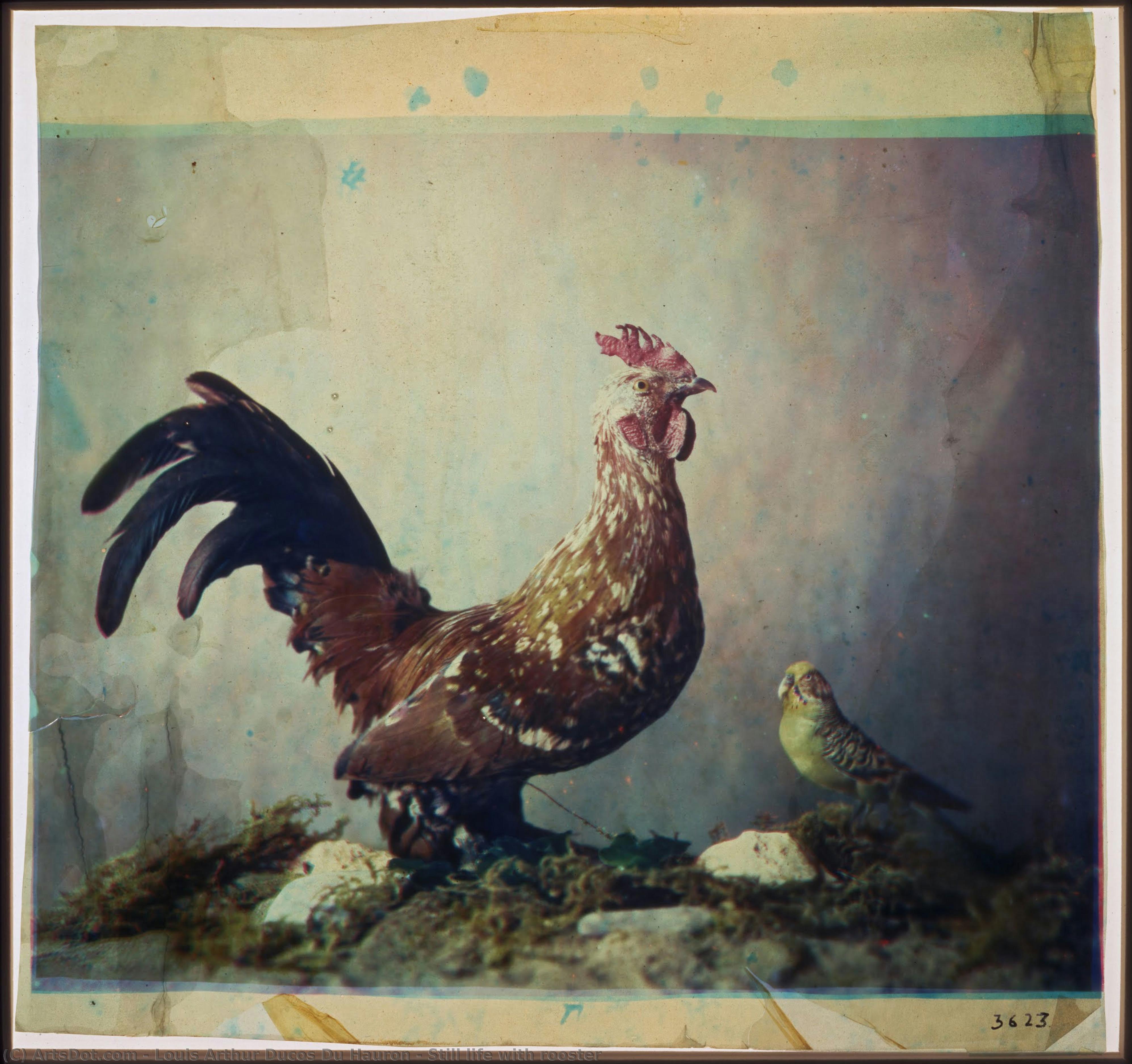
統計情報Still life with rooster
 Oil On Canvas
- WallArt
- Realism
 1879
1879- 19th Century
 22.0 x 20.0 cm
 ジョージ・イーストマン博物館
 詳細を見る
詳細を見る
オンラインプレビューをはるかに凌ぐ、高解像度で鮮明なデジタル画像をご購入いただけます。
各ファイルは、社内の専門家が高度なツールと熟練した手作業によるレタッチを用いて、細心の注意を払って準備されています。すべての画像において、卓越した鮮明度、正確な色彩再現性、そして繊細なディテールを保証いたします。
最終ファイルは、プロフェッショナルな編集・印刷環境ですぐにご利用いただけるよう最適化された状態で、72時間以内にメールにてお届けいたします。これは、一流のデザインスタジオ、出版社、ギャラリーから信頼されているものと同等の品質です。
デジタルアート
個人での鑑賞、印刷、クリエイティブなプロジェクト用に、高解像度ファイルをダウンロードできます。 ( プリント版に切り替え 手描きの絵画を購入)
デジタル画像のご注文に付随する特典
高品質なデジタル画像配信を、確かな品質で。
ArtsDot.com を選ぶことは、単に画像を手に入れることではありません。それは、プロの手によって精密に仕上げられ、満足保証が付いた高品質なデジタルアートワークを受け取ることを意味します。ご注文いただいた際に自動的に付随する内容は、以下の通りです:

メールですぐにお届け
ご注文から72時間以内に、高解像度のデジタル画像ファイルがメールでお手元に届きます。すぐにそのままご利用いただけます。

AI技術で最適化されたデジタルファイル
お客様の作品は、高度なAIツールと専門家による手作業の編集を組み合わせてプロフェッショナルに最適化されており、細部のディテール、鮮明さ、そして正確な色再現性を最大限に引き出しています。

一生涯無料の再送サービス
ファイルを誤って削除したり、紛失してしまったりしましたか?ご安心ください。いつでも無料で再送いたします。

輸入手数料は一切かかりません
関税や手数料、配送料を気にすることなく、お気に入りのアートワークをすぐにお楽しみいただけます。デジタルダウンロードは常に免税です。

色彩再現の保証
プロ仕様のツールとカラーマネジメント技術を用いることで、デジタル画像が元の色を最大限に忠実に再現することを保証いたします。

100日間満足保証
ご購入いただいたデジタル画像にご満足いただけない場合は、100日以内であれば、理由を問わず修正または100%の返金対応をさせていただきます。

100% 返金保証
ご満足いただけない場合は、デジタルファイルを受け取ってから100日以内であれば、理由を問わず全額返金いたします。

まとめ買い割引
3枚購入で10%OFF - 5枚購入で15%OFF - 10枚以上購入で20%OFF。クリエイティブなプロジェクト、ギャラリー、エージェンシーに最適です。
A Moment Frozen in Time: Still Life with Rooster by Louis Arthur Ducos Du Hauron
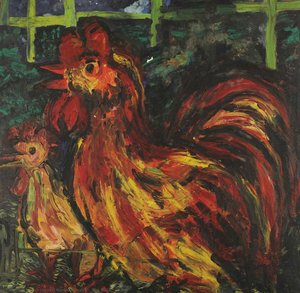
This exquisite hand-painted reproduction captures the essence of a pivotal moment in 19th-century French art – “Still life with rooster” by Louis Arthur Ducos Du Hauron, created in 1879. Measuring 22 x 20 cm, this artwork transcends a simple depiction of objects; it’s an exploration of light, texture, and the quiet contemplation of the natural world, hallmarks of the Realist movement gaining momentum during that era.
- The Subject Matter: The composition centers around a striking rooster confidently perched atop weathered rocks, its plumage rendered with meticulous detail. A smaller bird adds to the scene’s dynamism, creating an intimate tableau of rural life.
- Technical Brilliance: Ducos Du Hauron's masterful technique is immediately apparent in the nuanced shading and careful observation of form. The black-and-white photograph reveals a sophisticated understanding of tonal values, allowing for a remarkable sense of depth and volume within the confined space. Notice the subtle variations in texture – the rough surface of the rocks contrasting with the smooth sheen of the vase.
Historical Context: Realism and the French Landscape
Created in 1879, “Still life with rooster” reflects a significant shift within the art world. Following the Romantic period’s emphasis on emotion and dramatic landscapes, Realist artists like Ducos Du Hauron sought to depict everyday subjects – animals, still lifes, and rural scenes – with unflinching honesty and accuracy. This movement was fueled by social and political changes in France, a nation grappling with industrialization and urbanization. The artist's focus on the humble rooster speaks to an appreciation for the simple beauty of the countryside, a theme frequently explored by French artists during this time.
Ducos Du Hauron’s work aligns with the broader artistic trends of the late 19th century, demonstrating a commitment to capturing the essence of his subject matter rather than imposing an idealized vision. The inclusion of the chairs and vase adds a touch of domesticity, grounding the scene in a recognizable reality.
Symbolism and Interpretation
Beyond its technical merits, “Still life with rooster” invites contemplation about symbolism. The rooster itself is often associated with vigilance, courage, and heraldry – qualities that resonate deeply within the human experience. Its prominent position suggests a sense of authority or perhaps even a quiet dignity. The surrounding elements—the rocks, the birds, and the vase—further contribute to the artwork’s layered meaning, prompting viewers to consider themes of nature, domesticity, and the passage of time.
Emotional Impact and Artistic Value
This reproduction offers more than just a beautiful image; it provides an opportunity to connect with a significant work of art from a pivotal moment in French artistic history. The meticulous detail and skillful execution evoke a sense of nostalgia for a bygone era, while the artwork’s timeless themes continue to resonate today. Whether adorning a study, a salon, or a private collection, this hand-painted reproduction is sure to be a captivating focal point, offering both aesthetic pleasure and intellectual stimulation.
関連作品



作家の略歴
John Constable: A Revolutionary of Light and Landscape
Born in 1776 in the tranquil village of East Bergholt, Suffolk, John Constable’s life was inextricably linked to the rolling hills and shimmering waterways of his native landscape. His early years were shaped by a modest upbringing within a family involved in the corn trade – a profession that initially seemed destined for him as well. However, a burgeoning artistic talent, nurtured through informal study and a deep connection to the natural world, ultimately led him down a radically different path. Constable’s story is one of quiet determination, a relentless pursuit of capturing the essence of light and atmosphere, and a profound shift in how English landscape painting was perceived.
Constable's artistic journey began with a formal education at Plaitwood School, followed by brief stints working in his family’s business. Yet, it was his connection to Dedham Vale – the valley surrounding his home – that would become the cornerstone of his oeuvre. Unlike many of his contemporaries who sought grand historical or mythological subjects, Constable focused almost exclusively on this intimate corner of Suffolk, investing it with an unprecedented level of emotional depth and observational accuracy. This dedication wasn’t merely a matter of subject choice; it represented a fundamental shift in artistic philosophy – a belief that “painting is but another word for feeling,” as he famously wrote to his friend John Fisher.
His early works, such as *The Hay Wain* (1821), quickly gained recognition for their atmospheric qualities and masterful depiction of light. This painting, depicting a rural scene along the River Stour, became an instant success, solidifying Constable’s reputation and establishing his signature style. He was known for his ability to capture the fleeting effects of sunlight on water and foliage, creating images that felt both immediate and timeless. His technique involved numerous outdoor sketches – *studies* – which he then developed into larger, more finished paintings in his studio. These studies were crucial to his process, allowing him to meticulously observe and record subtle shifts in color, light, and texture before committing them to canvas.
The Influence of Romanticism and the Barbizon School
Constable’s work emerged during a period of significant artistic change – the rise of Romanticism. Rejecting the rigid formality of Neoclassicism, Romantic artists sought to express intense emotion and celebrate the power of nature. Constable embraced this spirit, imbuing his landscapes with a sense of immediacy and personal feeling. He shared many characteristics with other Romantic painters, such as J.M.W. Turner, in his focus on capturing atmospheric effects and conveying subjective experience.
However, Constable’s style also anticipated developments in the Barbizon School, a French movement that emphasized direct observation of nature and the use of loose brushwork. His meticulous studies of Dedham Vale, with their emphasis on capturing the nuances of light and shadow, foreshadowed the Barbizon painters' commitment to painting *en plein air* (outdoors). The influence of Turner was particularly significant; Constable admired Turner’s bold use of color and his ability to evoke dramatic atmospheric effects. Interestingly, Constable’s work proved remarkably popular in France, where it inspired a generation of artists.
Major Works and Artistic Development
Throughout his career, Constable produced a remarkable body of work that continues to captivate audiences today. *Dedham Vale* (1821), arguably his most iconic painting, perfectly encapsulates his artistic vision – a serene depiction of his beloved landscape bathed in the golden light of late afternoon. Other notable works include *The Cornfield*, *Wivenhoe Park*, and *Littlebourne*. These paintings demonstrate Constable’s evolving style, moving from more representational depictions to increasingly expressive interpretations of nature.
As he matured as an artist, Constable began to experiment with new techniques and approaches. He became increasingly interested in capturing the effects of weather – rain, mist, and fog – on his landscapes. His later works, such as *Skating at Aldeburgh*, are characterized by a looser brushstroke and a greater emphasis on atmospheric effects. Despite facing financial difficulties throughout much of his career, Constable remained committed to his artistic vision, producing some of the most beloved and enduring images in English art.
Legacy and Historical Significance
John Constable’s impact on the history of landscape painting is undeniable. He revolutionized the genre by prioritizing personal observation and emotional expression over academic conventions. His focus on ordinary subjects – rural landscapes – elevated them to a level of artistic significance previously unheard of. Constable's dedication to capturing the subtleties of light and atmosphere influenced generations of artists, both in England and abroad.
His election to the Royal Academy of Arts at the age of 52 was a significant achievement, marking a recognition of his talent and contribution to the art world. Constable’s paintings are now among the most valuable and sought-after works in British art, cherished for their beauty, emotional resonance, and historical importance. He remains an enduring symbol of artistic integrity, dedication, and the transformative power of nature.
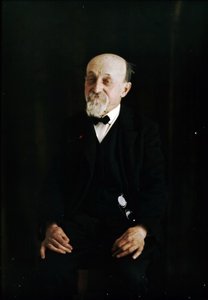
louis arthur ducos du hauron
1837 - 1920 , France
プロフィール概要
- Artistic Movement Or Style: Romantic landscape painting
- Artists Or Movements Influenced By This Artist: ['Barbizon school']
- Artists Who Influenced This Artist: ['Charles Golding Constable']
- Date Of Birth: 11 June 1776
- Date Of Death: 31 March 1837
- Full Name: John Constable
- Nationality: English
- Notable Artworks:
- The Hay Wain
- Dedham Vale
- Wivenhoe Park
- Place Of Birth: East Bergholt, Suffolk