

 プレビュー
プレビュー
 シェアする
シェアする シェアする
シェアする
 詳細を見る
詳細を見る

 ダウンロード
 似ている作品
 X線調査
X線調査 スライドショー
 統計情報
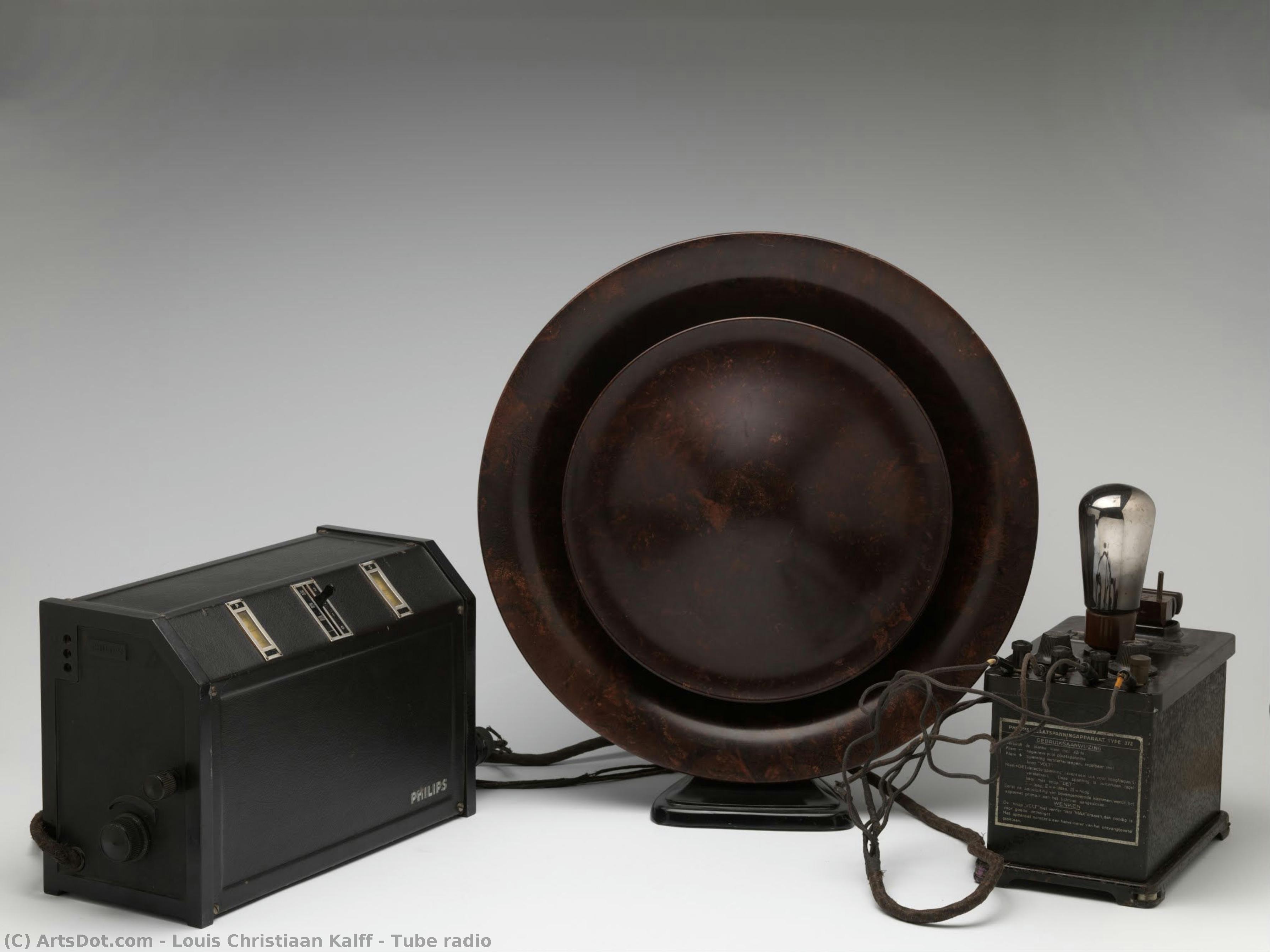
統計情報Tube radio
 1927
1927 43.0 x 39.0 cm
 NEMO Science Museum
 詳細を見る
詳細を見る
ジークレー/アートプリント
迅速な制作と多彩な仕上げオプションを備えた、ミュージアムクオリティのジークレーまたはキャンバスプリント。 ( 手描きの絵画を購入 デジタル画像販売へ切り替え)




































作品のオリジナル比率に合わせた、当店の規定サイズからお選びください。

特定のフレームやスペースに合わせて、ご自身でサイズを指定することも可能です。選択されたサイズが元の画像の比率と一致しない場合、作品をトリミングするか、鏡面反射または単色での塗りつぶしによって画像を拡張いたします。制作を開始する前に、ご確認用のデジタルモックアップをお送りいたします。
画面上のプレビューには、実際のトリミングや拡張は反映されませんのでご注意ください。最終的な構図を正確に確認できるのは、モックアップのみとなります。
カスタムサイズも承っておりますが、元の比率を維持するためには、あらかじめ用意されたリストからサイズを選択することをお勧めいたします。


 ガラスオプションは、110cm未満のサイズでのみご利用いただけます。

Tube radio
ジークレー/アートプリント
複製画のサイズ
-


合計金額
$ 62
関連作品







アーティストの略歴
Louis Christiaan Kalff: Architect of a Modern Dutch Vision
Born in Eindhoven, Netherlands, in 1897, Louis Christiaan Kalff emerged as a pivotal figure in the mid-20th century’s burgeoning industrial design landscape. More than simply a designer, he was a visionary architect and art director whose work profoundly shaped the identity of Philips, one of the Netherlands' most iconic companies. His legacy extends far beyond the sleek lines of their products; Kalff fundamentally altered how businesses communicated with consumers, establishing a philosophy rooted in simplicity, functionality, and an unwavering belief in the power of design to elevate both product and brand.
Kalff’s early life provided a unique foundation for his future success. He was the son of a journalist and editor-in-chief, exposing him from a young age to the world of communication and visual aesthetics. This upbringing fueled a passion for design that led him to study engineering at Delft University before ultimately finding his true calling within Philips’ advertising department in 1925. It was here that he began to forge his distinctive style – characterized by clean lines, minimalist forms, and an almost austere elegance. His initial focus on graphic design laid the groundwork for his later work, demonstrating a deep understanding of visual hierarchy and impactful communication.
The Evoluon: A Testament to Kalff’s Philosophy
Perhaps the most enduring symbol of Kalff's career is the Evoluon building in Eindhoven, completed in 1966. This architectural marvel isn’t merely a structure; it’s a physical embodiment of his design philosophy. The building’s stark white exterior and expansive glass panels create an impression of openness and transparency, reflecting a desire to connect with the surrounding environment while simultaneously projecting an image of technological innovation. Inside, the space is designed for both education and conference use, showcasing Kalff's ability to seamlessly blend form and function. The Evoluon stands as a testament to his belief that design should be both aesthetically pleasing and profoundly practical – a principle he applied consistently across all his projects.
Beyond the Evoluon, Kalff’s influence is visible in countless Philips products, from lighting fixtures to radios. His designs for tube radios, exemplified by the pieces showcased on ArtsDot.com, are particularly noteworthy. These weren't simply functional devices; they were carefully crafted objects that possessed a quiet beauty and understated elegance. He understood how form could enhance usability and create a sense of luxury within an accessible price range – a crucial element in Philips’ strategy to democratize technology.
A Pioneer of Industrial Design & Influences
Kalff's approach was remarkably forward-thinking for his time, anticipating the rise of modernism and its emphasis on simplicity. He rejected ornate decoration in favor of clean lines and geometric forms, drawing inspiration from Bauhaus principles while maintaining a distinctly Dutch sensibility. His work also reflects the influence of Art Deco, particularly in the use of streamlined shapes and luxurious materials. However, unlike many designers of his era, Kalff wasn’t simply imitating trends; he was actively shaping them.
His legacy extends beyond Philips, influencing subsequent generations of designers. Names like Marcel Wanders, also featured on ArtsDot.com, acknowledge Kalff's profound impact on their own creative approaches. Kalff’s emphasis on holistic design – considering not just the aesthetics but also the user experience and the brand identity – remains a cornerstone of contemporary industrial design practice.
Legacy & Recognition
Louis Christiaan Kalff’s work continues to be celebrated and studied by art lovers and designers worldwide. His designs are housed in museums, including the Philips Museum in Eindhoven, and remain readily available through platforms like ArtsDot.com, offering a window into his creative process and artistic vision. His commitment to innovation, combined with an unwavering belief in the power of design to shape perception, cemented his place as one of the most important figures in 20th-century Dutch design. The Louis Kalff Instituut in Eindhoven serves as a vital resource for researchers and enthusiasts seeking to delve deeper into his life and work, ensuring that his legacy endures for generations to come.
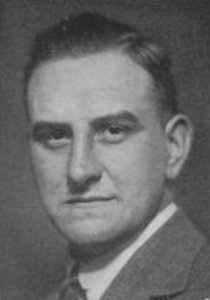
louis christiaan kalff
1897 - 1976 , Netherlands
基本情報
- Artistic Movement Or Style: Industrial Design, Minimalism
- Artists Or Movements Influenced By This Artist: ['Mid-Century Modern']
- Artists Who Influenced This Artist: ['Marcel Wanders']
- Date Of Birth: 1897-04-23
- Date Of Death: 1976-05-18
- Full Name: Louis Christiaan Kalff
- Nationality: Dutch
- Notable Artworks:
- Evoluon Building
- Tube radio
- Place Of Birth: Eindhoven, Netherlands