

 シェアする
シェアする シェアする
シェアする
 詳細を見る
詳細を見る

 ダウンロード
 似ている作品
 スライドショー
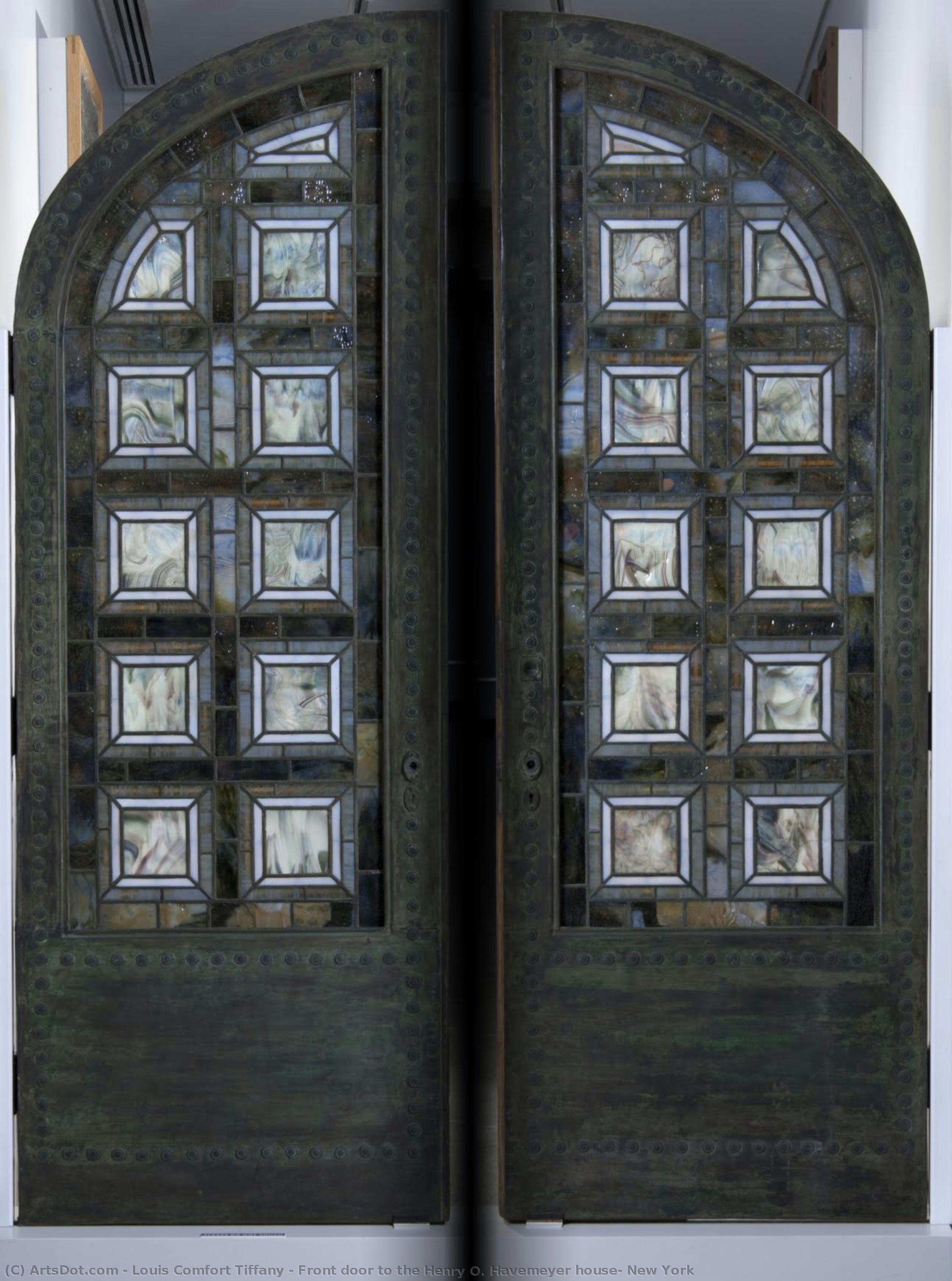
Front door to the Henry O. Havemeyer house, New York
 Stained Glass
- Decor
- Art Nouveau
 1891
1891- 19th Century
 9.0 x 25.0 cm
 University of Michigan Museum of Art
 詳細を見る
詳細を見る
ジークレー/アートプリント
迅速な制作と多彩な仕上げオプションを備えた、ミュージアムクオリティのジークレーまたはキャンバスプリント。 ( 手描きの絵画を購入 画像を購入)




































作品のオリジナル比率に合わせた、当店の規定サイズからお選びください。

特定のフレームやスペースに合わせて、ご自身でサイズを指定することも可能です。選択されたサイズが元の画像の比率と一致しない場合、作品をトリミングするか、鏡面反射または単色での塗りつぶしによって画像を拡張いたします。制作を開始する前に、ご確認用のデジタルモックアップをお送りいたします。
画面上のプレビューには、実際のトリミングや拡張は反映されませんのでご注意ください。最終的な構図を正確に確認できるのは、モックアップのみとなります。
カスタムサイズも承っておりますが、元の比率を維持するためには、あらかじめ用意されたリストからサイズを選択することをお勧めいたします。


 ガラスオプションは、110cm未満のサイズでのみご利用いただけます。

Front door to the Henry O. Havemeyer house, New York
ジークレー/アートプリント
複製画のサイズ
-


合計金額
$ 62
A Threshold of Light and Color
To approach the Henry O. Havemeyer house in late nineteenth-century New York was to encounter a study in architectural restraint. Designed by Charles Haight, the exterior presented a facade of Richardsonian austerity, a somber stone presence that commanded respect through its strength and solidity. However, for those privileged enough to cross the threshold, the heavy exterior gave way to an unexpected, ethereal revelation. The front doors, a masterpiece by Louis Comfort Tiffany, acted as a transformative portal, shifting the observer from the grounded reality of Manhattan streets into a luminous realm of pure artistry. These doors were not merely functional barriers but were instead a breathtaking symphony of color and light, designed to enchant the soul even before one fully entered the opulent interior.
The design of these magnificent doors embodies the very essence of the Art Nouveau movement. Moving away from the rigid, historical revivals of the past, Tiffany embraced a philosophy of organic fluidity. The composition is a delicate dance of curvilinear shapes and flowing lines that mimic the rhythmic patterns found in nature. Within the stained glass panels, one finds an intricate arrangement of floral and foliage motifs that seem to grow and unfurl across the glass. This seamless blend of classical architectural structure—seen in the arched compositions and square coffers—with the wild, organic energy of botanical forms creates a sense of balanced harmony, making the piece a timeless inspiration for those who appreciate the marriage of structure and grace.
The Alchemy of Favrile Glass
The technical brilliance behind this work lies in Tiffany’s revolutionary approach to glassmaking. To achieve the depth and shimmering texture that defines his most celebrated works, Tiffany utilized his signature Favrile technique. This process involved a meticulous alchemy, fusing molten glass with powdered metal oxides to create unparalleled color brilliance and a surface complexity that catches the light from every conceivable angle. The result is a glass that does not merely transmit light but seems to glow from within, possessing a painterly quality that traditional stained glass could never replicate.
<Beyond the glass itself, the craftsmanship extends to the very frame of the entrance. The doors are embellished with delicate lead caming and even incorporate small beach stones sourced from Long Island. These stones, presented to Tiffany by Mrs. Havemeyer, serve as a poignant symbol of the personal connection between the artist and his patrons. This integration of natural, raw elements—the rough texture of stone against the smooth, reflective surface of the glass—creates a sensory experience that is both grounded and transcendent. For the collector or interior designer, such a piece represents more than decoration; it is an invitation to bring the transformative power of light and nature into a modern living space.
A Legacy of Artistic Vision
Historically, these doors stand as a testament to the Gilded Age's fascination with beauty, craftsmanship, and a profound reconnection with the natural world. Created around 1891, they represent a moment in American history when industrial wealth was being channeled into the creation of enduring, high-art legacies. The Havemeyer doors are not just an architectural feature; they are a narrative of duality—mirroring the strength of the house's exterior while embracing the warmth and intimacy of its interior life. Owning or displaying a reproduction of such a masterpiece allows one to capture that same sense of grandeur and emotional depth, turning any environment into a sanctuary of light, history, and unparalleled elegance.
関連作品

アーティストの略歴
光に彩られた生涯:ルイ・カムフォート・ティファニーの世界
チャールズ・ルイス・ティファニー創業の名門Tiffany & Co. の御曹司として生まれたルイ・カムフォート・ティファニー(1848-1933)は、商業的な成功という宿命を覆し、芸術の道を選びました。特権に恵まれた幼少期を持ちながらも、若き日のルイは絵画への深い情熱を抱き、ジョージ・イネスやサミュエル・コールマンのもとで研鑽を積みました。ロマン主義の理念とエキゾチックな風景への愛着—これらの影響は初期作品「タンジエルの蛇使い、アフリカ」に鮮やかに表れています。この基礎的な訓練を通して彼は、技術的なスキルだけでなく、色彩、光、そして大気を捉える繊細さを身につけました。それは後に装飾芸術における彼の革新的な貢献を決定づける要素となりました。その芸術的教育はNational Academy of Designでの学びや、レオン=アドルフ=オーギュスト・ベリーとの研鑽を通してさらに洗練され、1875年頃から焦点の変化が始まりました。絵画からガラスへ:革新の萌芽
ティファニーの軌跡は、ガラス工芸への深い魅了によって予想外の方向へと転換します。これは単なる表現媒体の変更ではなく、ガラスそのものの可能性を根底から覆す試みでした。当時のガラス製造における既存の水準に満足できず、芸術的価値と独創性に欠けると感じたティファニーは、ガラスを純粋な芸術の域まで高めるための探求を開始しました。1879年から1884年にかけてキャンデース・Wheeler、サミュエル・コールマン、ロックウッド・デ・フォレストとの共同プロジェクト“Louis Comfort Tiffany and Associated American Artists” は初期の実験と共有された芸術的ビジョンを育む場となりました。しかし、彼が真に創造性を解き放ったのは、ニューヨーク州コロナに自身のガラス工場を設立した時でした。そこは単なる製造施設ではなく、新しい技法と効果を執拗に追求する実験室でした。画期的な依頼—コネチカット州ハートフォードにあるマーク・トウェインの象徴的な邸宅の内装デザイン(1881年)—は、彼の芽生えたばかりの装飾芸術スキルを示す初期のショーケースとなり、やがて彼の名と結びつく華麗な美学を予感させました。ガラス革命:技法と美学
ティファニーの遺産は、ガラスアートの風景を根本的に変えた一連の画期的な革新に支えられています。最も重要なものの一つが「銅箔技法」の開発です。これはガラス片それぞれを銅箔で包み込み、その後ハンダ付けする手法であり、従来の鉛を使ったステンドグラス技法では達成できなかった複雑なデザインと比類のないディテールを実現しました。しかしティファニーはそこで止まりませんでした。“fabrile”(手仕事による)という古い英語に由来する言葉であるFavrileガラス—その虹色の表面と鮮やかで手吹きされた質感が特徴です—を開発しました。これは大量生産ではありませんでした。それぞれの作品は、アーティストの感性が込められた唯一無二の存在なのです。彼のオパールセント・グラスの研究はさらに芸術的なパレットを広げ、幻想的な効果を生み出し、人々の想像力を捉える独特な美学を確立しました。これらの革新は単なる技術的な成果ではありませんでした。それは彼が取り入れたアール・ヌーヴォー運動—流れるような線、有機的なモチーフ、そして装飾的な美しさへの揺るぎない強調—に不可欠な要素だったのです。永続する遺産:影響と意義
ルイ・カムフォート・ティファニーはアメリカの芸術史において傑出した人物であり、広くアール・ヌーヴォー運動とアメリカにおける美的運動の両方において最も重要な貢献者であると考えられています。彼の作品は工芸の境界を超え、当時のラディカルな概念であった装飾芸術を純粋な芸術の地位まで高めました。彼の革新の影響はステンドグラスにとどまらず、インテリアデザイン、ジュエリー製作、陶磁器など数多くの芸術分野に及びました。今日、ティファニーの作品はニューオーリンズ美術館やバーグストロム=マラーガラス博物館を含む世界中の美術館で称賛されており、彼の永続的な天才を証明しています。彼のデザインは今もなおアーティストやデザイナーにインスピレーションを与え続けており、レプリカやプリントが容易に入手可能になり、新しい世代が彼の作品の美しさと革新性を体験できるようになっています。ティファニーは単なるオブジェクトを作り出したのではなく、色彩、光、そして芸術性で満たされた没入感のある空間を創造しました。 彼は19世紀後半から20世紀初頭にかけての美的景観に消えない足跡を残し、その遺産は今日まで私たちの世界を照らし続けています。ガラスを超えて:多才な芸術家
ガラス工芸で知られる一方で、ルイ・カムフォート・ティファニーが驚くほど多才な芸術家であったことを忘れてはなりません。彼はステンドグラスやランプだけに焦点を当てていたわけではありません。モザイク、吹きガラス、陶磁器、ジュエリー、エナメル、金属工芸などにも優れていました。彼の姿勢は全体的でした—インテリアのすべての要素が調和し、統一された美的体験を創造すべきだと信じていました。この哲学は、彼が家具や織物から照明や装飾的なアクセントまで、細部に至るまで入念にデザインした多くのプライベート邸宅や公共スペースでの依頼に表れています。彼はランドスケープデザインにも進出し、彼の芸術的感性を屋外環境に応用しました。その時代を先取りした全体的なデザインへのコミットメントは、彼が真のビジョナリーであり、単なる個々のオブジェクトだけでなく、美しさを体験するための生活様式全体を形作ったことを確固たるものにしました。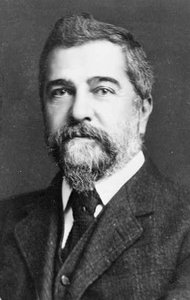
ルイ・カムフォート・ティファニー
1848 - 1933 , アメリカ合衆国
基本情報
- Artistic Movement Or Style: アール・ヌーヴォー
- Artists Or Movements Influenced By This Artist:
- アール・ヌーヴォー
- 美的運動
- Artists Who Influenced This Artist:
- ジョージ・イネス
- サミュエル・コールマン
- レオン・ベリ
- Date Of Birth: 1848年2月18日
- Date Of Death: 1933年1月17日
- Full Name: ルイ・コンフォート・ティファニー
- Nationality: アメリカ人
- Notable Artworks:
- 蛇使いのタンジェ
- ポルティエール
- Place Of Birth (City And Country): ニューヨーク、アメリカ合衆国
関連記事
The Flowing Line & Flourishing Form: Exploring Art Nouveau's Aesthetic Legacy
Explore the captivating world of Art Nouveau! Discover its origins, key artists like Horta & Mucha, regional styles, innovative techniques, and lasting influence on architecture & design. A comprehensive guide for art enthusiasts.
アール・ヌーヴォーを彩る至宝:10の傑作が語る芸術と装飾の世界
アール・ヌーヴォーの魅力を再発見!ムンロ、ドレ、ガウディ…10の傑作が織りなす曲線美の世界。芸術と装飾が融合した至高のアートをArtsDotで堪能し、お部屋に新たな彩りを。コレクションをオンラインで探索しましょう。

Koloman Moser: A Synthesis of Art Nouveau, Secessionism & the Gesamtkunstwerk Ideal
Explore the life & work of Koloman Moser, a pivotal figure in the Vienna Secession & Wiener Werkstätte. Discover his stunning graphic design, architecture, and applied arts – a true pioneer of Viennese Art Nouveau. Learn more at ArtsDot.

John La Farge: Pioneering American Colorism & Japonisme's Influence
Explore the groundbreaking work of John La Farge, a pioneer of American colorism and stained glass. Discover his captivating Japonisme-inspired murals & lasting legacy in 19th-century art. Expert insights for collectors.
Alphonse Mucha: A Comprehensive Exploration of Art Nouveau's Master of Decorative Symbolism
Explore the life & art of Alphonse Mucha, master of Art Nouveau! Discover his iconic posters, stunning illustrations, and the monumental Slav Epic. A comprehensive guide for collectors & enthusiasts.

