

 プリントを購入
 シェアする
シェアする シェアする
シェアする
 詳細を見る
詳細を見る

 ダウンロード
 似ている作品
 スライドショー
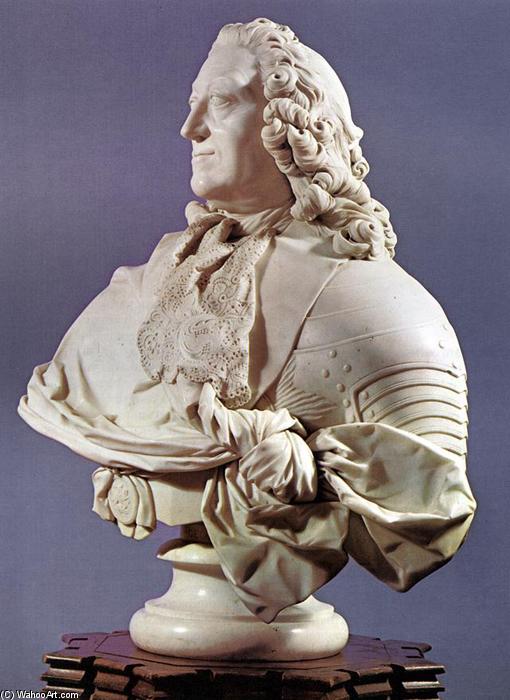
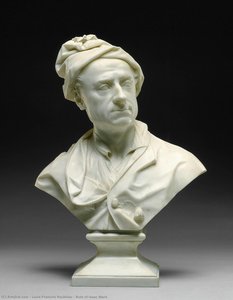
George II King of England


 詳細を見る
詳細を見る
オンラインプレビューをはるかに凌ぐ、高解像度で鮮明なデジタル画像をご購入いただけます。
各ファイルは、社内の専門家が高度なツールと熟練した手作業によるレタッチを用いて、細心の注意を払って準備されています。すべての画像において、卓越した鮮明度、正確な色彩再現性、そして繊細なディテールを保証いたします。
最終ファイルは、プロフェッショナルな編集・印刷環境ですぐにご利用いただけるよう最適化された状態で、72時間以内にメールにてお届けいたします。これは、一流のデザインスタジオ、出版社、ギャラリーから信頼されているものと同等の品質です。
デジタル画像のご注文に付随する特典
高品質なデジタル画像配信を、確かな品質で。
ArtsDot.com を選ぶことは、単に画像を手に入れることではありません。それは、プロの手によって精密に仕上げられ、満足保証が付いた高品質なデジタルアートワークを受け取ることを意味します。ご注文いただいた際に自動的に付随する内容は、以下の通りです:

メールですぐにお届け
ご注文から72時間以内に、高解像度のデジタル画像ファイルがメールでお手元に届きます。すぐにそのままご利用いただけます。

AI技術で最適化されたデジタルファイル
お客様の作品は、高度なAIツールと専門家による手作業の編集を組み合わせてプロフェッショナルに最適化されており、細部のディテール、鮮明さ、そして正確な色再現性を最大限に引き出しています。

一生涯無料の再送サービス
ファイルを誤って削除したり、紛失してしまったりしましたか?ご安心ください。いつでも無料で再送いたします。

輸入手数料は一切かかりません
関税や手数料、配送料を気にすることなく、お気に入りのアートワークをすぐにお楽しみいただけます。デジタルダウンロードは常に免税です。

色彩再現の保証
プロ仕様のツールとカラーマネジメント技術を用いることで、デジタル画像が元の色を最大限に忠実に再現することを保証いたします。

60日間満足保証
ご購入いただいたデジタル画像にご満足いただけない場合は、60日以内であれば、修正または100%の返金(理由を問う必要はありません)をさせていただきます。

100% 返金保証
ご満足いただけない場合は、デジタルファイルを受け取ってから60日以内であれば、理由を問わず全額返金いたします。

まとめ買い割引
3枚購入で10%OFF - 5枚購入で15%OFF - 10枚以上購入で20%OFF。クリエイティブなプロジェクト、ギャラリー、エージェンシーに最適です。
George II King of England – A Masterpiece of Rococo Elegance
The bust of George II by Louis-François Roubiliac stands as an enduring testament to the artistic fervor of the Rococo period, capturing not merely a likeness but also the regal dignity and contemplative spirit of Britain’s second monarch. Commissioned by Field Marshal Lord Ligonier in 1734, this sculpture transcends mere portraiture; it embodies the stylistic ideals that defined the era – lightness, ornamentation, and an obsession with idealized beauty—characteristics profoundly influenced by the burgeoning influence of French aristocratic taste.- Subject Matter: The bust portrays George II in repose, seated upon a pedestal, gazing outwards with serene composure. This deliberate posture reflects the prevailing artistic preoccupation with portraying subjects as embodiments of virtue and intellect, aligning perfectly with George II’s reputation for prudence and scholarly pursuits.
- Style & Technique: Roubiliac's masterful execution exemplifies the Rococo style’s hallmark features. The sculptor skillfully employed marble – a material favored for its luminosity and ability to convey texture – achieving an astonishing level of realism through meticulous carving and polishing. Delicate drapery folds cascade around George II’s torso, creating an illusion of movement despite his stillness, while subtle shading enhances the sculptural form's dimensionality.
- Historical Context: Roubiliac’s work emerged during George II’s reign (1727-1760), a period of considerable political stability and cultural flourishing. The sculptor skillfully navigated the stylistic currents sweeping across Europe, adapting Baroque conventions to express the Rococo aesthetic—a conscious effort to elevate artistic standards and celebrate aristocratic ideals.
- Symbolism: Beyond its visual beauty, the bust carries symbolic weight. George II’s gaze directs outwards, symbolizing his leadership role and engagement with the wider world. The drapery represents nobility and dignity, reinforcing the monarch's status as a figure of revered respect.
A Legacy of Lightness and Detail – Roubiliac’s Artistic Innovation
Roubiliac’s approach to sculpture distinguishes him from his predecessors. Unlike Baroque sculptors who prioritized dramatic gesture and emotional intensity, he favored subtlety and refinement—a deliberate rejection of the Baroque's theatrical grandeur in favor of a more restrained aesthetic. This stylistic shift reflects a broader cultural trend toward prioritizing elegance and intellectual contemplation.- Emotional Impact: Viewing this bust evokes a sense of serenity and admiration for George II’s character—a testament to Roubiliac's ability to convey psychological depth through sculptural form. The sculpture invites contemplation on themes of leadership, virtue, and the pursuit of knowledge.
Reproductions & Inspiration
Today, high-quality reproductions of Roubiliac’s George II bust offer art enthusiasts a captivating glimpse into Georgian artistry. Consider incorporating this iconic piece into interior design schemes—its timeless elegance complementing spaces seeking sophistication and refinement. Explore similar Rococo sculptures to enrich your artistic appreciation.関連作品
作家の略歴
A Sculptor Bridging Baroque Grandeur and Rococo Intimacy
Louis-François Roubiliac, a name perhaps less instantly recognizable than those of his sculptural predecessors like Bernini, nevertheless occupies a pivotal position in the history of 18th-century sculpture. Born in Lyon, France, in 1702, Roubiliac’s artistic journey led him from the workshops of Dresden and Paris to ultimately flourish as one of the most celebrated sculptors ever to work in England. His story is one of ambition, skillful adaptation, and a remarkable ability to capture not just likeness but also the very essence of his sitters – an achievement that cemented his legacy during a period of significant artistic transition. Early training under Balthasar Permoser in Dresden proved foundational, exposing him to the dramatic flair of Baroque sculpture, deeply influenced by Bernini himself. This initial immersion was further refined through studies with Nicolas Coustou in Paris, honing his classical techniques and preparing him for the challenges that lay ahead. A disappointment in the Prix de Rome competition spurred a bold move: in 1735, Roubiliac set course for London, seeking new opportunities and a stage upon which to demonstrate his burgeoning talent.Establishing a Reputation in Georgian England
London proved fertile ground for an artist of Roubiliac’s caliber. He quickly established himself as a master portrait sculptor, skillfully navigating the patronage networks of the era. Introductions from figures like Edward Walpole were instrumental in securing early commissions and integrating him into London's artistic circles. However, it was the commission for a seated figure of George Frideric Handel in 1738 that truly catapulted Roubiliac to prominence. Displayed at Vauxhall Gardens, this sculpture wasn’t merely a representation; it was an *interpretation*. Handel is depicted playing an ancient lyre, attended by a putto – a masterful blend of realism and allegorical symbolism that captivated audiences. The work resonated deeply with the public, solidifying Roubiliac's reputation and establishing him as a sculptor capable of both technical brilliance and profound artistic expression. This success led to his founding membership in the St Martin’s Lane Academy, a crucial step in formalizing the burgeoning British art scene and providing a platform for artists to collaborate and refine their craft.Monuments and Masterful Portraiture
Roubiliac's oeuvre is characterized by two primary focuses: portrait busts and monumental sculptures. His busts are remarkable for their lifelike quality, capturing the individual personalities and social standing of his subjects with astonishing accuracy. He immortalized prominent figures such as Isaac Newton – a bust housed in Trinity College Chapel, Cambridge, that conveys the intellectual weight of the renowned scientist – Martin Folkes, Robert Raymond, Daniel Lock, Robert Bruce Cotton, and John Belchier. These weren’t simply representations; they were psychological portraits rendered in marble, revealing subtle nuances of character and intellect. Beyond portraiture, Roubiliac excelled at large-scale monumental works, most notably those within Westminster Abbey. The monuments dedicated to the Duke of Argyll, Sir Peter Warren, and Marshal Wade are testaments to his dramatic compositional skills and emotional intensity. These weren’t static memorials; they were dynamic narratives carved in stone, evoking a sense of loss, heroism, and remembrance.Style, Influences, and Lasting Legacy
Roubiliac's style is generally classified as Rococo, yet it possesses a distinctive character that sets him apart from his contemporaries. While embracing the elegance and ornamentation associated with the Rococo aesthetic, he infused his work with a remarkable emphasis on realism and emotional expression. His early influences – Permoser’s Baroque dynamism and Coustou's classical precision – were skillfully synthesized into a unique artistic voice. Later in life, a brief stint as a modeller at the Chelsea porcelain factory demonstrated his versatility and willingness to explore different mediums. Towards the end of his career, he undertook tours of Italy, perhaps seeking inspiration or revisiting the roots of sculptural tradition. Roubiliac died in London in 1762, leaving behind a substantial body of work that continues to inspire awe and admiration. His historical significance lies not only in his artistic achievements but also in his role as a pivotal figure in popularizing Rococo sculpture in England and establishing a high standard for portraiture and monumental art during the 18th century. He is rightly considered one of the most accomplished sculptors ever to work on British soil, an artist whose influence can still be detected in the works of later generations. His ability to breathe life into stone, to capture not just form but also feeling, ensures his enduring place in the pantheon of great sculptors.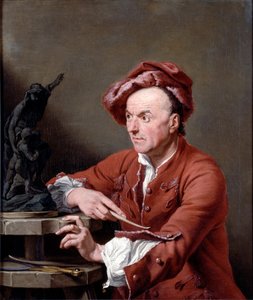
Louis-François Roubiliac
1695 - 1762 , France
プロフィール概要
- Artistic Movement Or Style: Rococo
- Artists Or Movements Influenced By This Artist: ['Later British sculptors']
- Artists Who Influenced This Artist:
- Balthasar Permoser
- Nicolas Coustou
- Date Of Birth: 1702
- Date Of Death: 1762
- Full Name: Louis-François Roubiliac
- Nationality: French
- Notable Artworks:
- Handel statue
- Argyll monument
- Newton bust
- Raymond bust
- Folkes bust
- Place Of Birth: Lyon, France

