

 プレビュー
プレビュー
 シェアする
シェアする シェアする
シェアする
 詳細を見る
詳細を見る

 ダウンロード
 似ている作品
 X線調査
X線調査 スライドショー
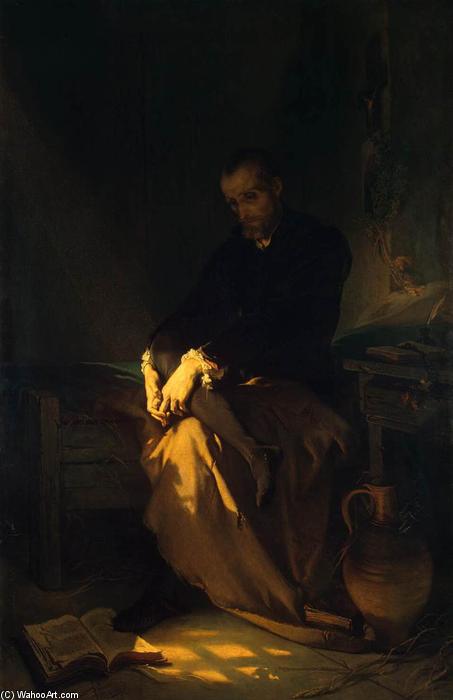
Tasso in the Prison
 Oil On Panel
- Historical Painting
 1853
1853- 19th Century
 212.0 x 139.0 cm
 エルミタージュ美術館
 詳細を見る
詳細を見る
ジークレー/アートプリント
迅速な制作と多彩な仕上げオプションを備えた、ミュージアムクオリティのジークレーまたはキャンバスプリント。 ( 手描きの絵画を購入 画像を購入)




P118B $10

P118H $10

P118W $10

P438Z $10

P508JH $12

P508YH $12

P805H $10

P805Z $10

P919BZ $10

P919G $10

P919XJ $10

P959ZH $10

P968JZ $12

W106C $8

W218G $10

W218JH $8

W218Y $10

W307PJ $10

W316G $10

W316PJ $8

W316Y $10

W398PJ $8

W4111J $10

W500HY $15

W500JH $15

W692G $12

W849H $8

W940BG $15

W953PJ $8




作品のオリジナル比率に合わせた、当店の規定サイズからお選びください。

特定のフレームやスペースに合わせて、ご自身でサイズを指定することも可能です。選択されたサイズが元の画像の比率と一致しない場合、作品をトリミングするか、鏡面反射または単色での塗りつぶしによって画像を拡張いたします。制作を開始する前に、ご確認用のデジタルモックアップをお送りいたします。
画面上のプレビューには、実際のトリミングや拡張は反映されませんのでご注意ください。最終的な構図を正確に確認できるのは、モックアップのみとなります。
カスタムサイズも承っておりますが、元の比率を維持するためには、あらかじめ用意されたリストからサイズを選択することをお勧めいたします。


 ガラスオプションは、110cm未満のサイズでのみご利用いただけます。

Tasso in the Prison
ジークレー/アートプリント
複製画のサイズ
-


合計金額
$ 62
Tasso in Prison: A Renaissance Reflection on Suffering and Resilience
The painting “Tasso in the Prison” by Louis Gallait transports us back to 1853, capturing a poignant moment of introspection amidst confinement—a scene meticulously rendered with realism and imbued with symbolic depth. Fleury François Richard’s masterful depiction delves into the psychological landscape of Torquato Tasso, renowned poet and dramatist imprisoned for his controversial verses, offering viewers a glimpse into the artist's inner turmoil and unwavering spirit.- Subject Matter: The artwork portrays Torquato Tasso seated on the floor, illuminated by diffused light filtering through a window, surrounded by books and papers—symbols of intellectual pursuit and creative contemplation.
- Style & Technique: Gallait’s style exemplifies the revival of history painting championed in Belgium during his era. Employing oil paint on panel, he achieves remarkable textural detail, capturing the aged appearance of the room walls and conveying a palpable sense of atmosphere. The artist skillfully utilizes chiaroscuro—the dramatic interplay of light and shadow—to sculpt form and heighten emotional impact.
- Historical Context: Richard’s painting reflects the broader artistic trends of the mid-19th century, where artists sought to revisit classical themes and narratives as a response to Romanticism's emphasis on emotion and imagination. Gallait’s work aligns with this movement's commitment to portraying human experience with psychological acuity.
- Symbolism: The books scattered around Tasso represent knowledge, wisdom, and the enduring power of artistic expression even in adversity. The muted color palette contributes to the painting’s solemn mood, emphasizing the protagonist’s solitude and confronting his inner demons.
- Emotional Impact: “Tasso in Prison” evokes a profound sense of empathy for the imprisoned poet—a figure embodying resilience, intellectual integrity, and unwavering devotion to artistic ideals. The painting invites contemplation on themes of suffering, perseverance, and the transformative potential of introspection.
Detailed Examination of Composition & Light
Gallait’s compositional choices are deliberate and contribute significantly to the artwork's narrative power. The central figure dominates the frame, positioned diagonally across the canvas—a technique that draws the viewer’s eye inward and reinforces Tasso’s isolation. The placement of the window on the left side casts soft shadows onto the right, creating a visual rhythm that mirrors the protagonist’s mental state—a balance between darkness and illumination symbolizing both despair and hope. Careful attention to detail ensures that every element serves to amplify the painting's expressive qualities.Gallait’s Legacy: A Beacon of Realism in Belgian Art
Louis Gallait’s contribution to Belgian art history is undeniable, marking a pivotal moment in the nation’s artistic revival. Recognized for his unwavering dedication to realism and masterful execution—as evidenced by “Tasso in Prison”—he established himself as one of the foremost painters of his time. His work continues to inspire admiration for its psychological depth and technical brilliance, cementing Gallait's place among Belgium’s most celebrated artists.Exploring Similar Artistic Expressions: Mary Magdalene Revisited
Consider Giampietrino’s “Repentant Mary Magdalene,” another evocative depiction of human emotion—a painting that similarly explores themes of remorse and spiritual transformation through masterful realism and nuanced color palettes. Like Gallait's masterpiece, this artwork invites viewers to contemplate profound questions about faith, redemption, and the complexities of human experience.関連作品
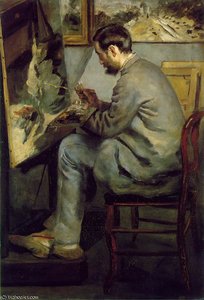
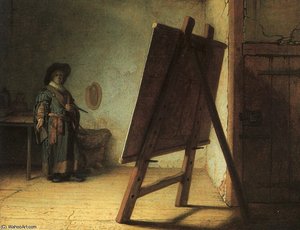
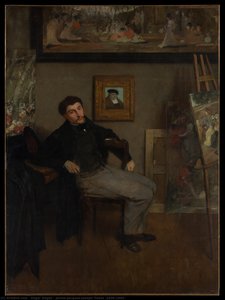
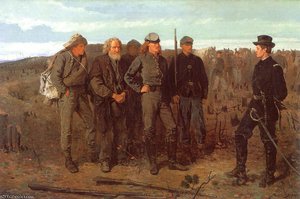
アーティストの略歴
The Architect of Belgian History Painting
Louis Gallait stands as a monumental figure in the annals of nineteenth-century art, a painter whose brush breathed new life into the grand tradition of history painting within Belgium. Born in 1810 in the historic city of Tournai, Gallait’s early years were shaped by a profound connection to his Belgian roots, a foundation that would later allow him to translate national identity into sweeping, dramatic canvases. His artistic journey began under the watchful eyes of masters like Cornelis Cels and Philippe Auguste Henlam at the Académie Royale de Tournai, where he first learned to marry technical precision with emotional depth. This early training provided the essential scaffolding for a career that would eventually bridge the gap between the romanticism of the past and the burgeoning realism of his era.
As his talent matured, Gallait sought the vibrant artistic currents of Antwerp, studying under Mathieu Ignace van Brée to refine his command over light and composition. His ascent was marked by a series of triumphs that captured the imagination of the Belgian public. The 1832 presentation of Tribute to Caesar at Ghent’s Salon served as a definitive breakthrough, earning him prestigious accolades and signaling the arrival of a master. By the time he debuted at the Brussels Salon in 1833 with Christ Healing the Blind, Gallait had already begun to establish his signature style: a poignant, deeply humanistic approach to sacred and historical narratives that resonated with the spiritual and cultural sensibilities of his contemporaries.
A Vision of Grandeur and Realism
The true zenith of Gallait’s career arrived when he turned his gaze toward the epic scale of European history. Moving to Paris in 1841, he immersed himself in the intellectual heart of the art world, yet his heart remained tethered to the grand narratives of his homeland and the broader continent. It was during this period that he produced his most celebrated masterpiece, The Abdication of Charles V. This monumental work, commissioned by the Belgian government, remains a testament to his ability to weave meticulous historical accuracy with theatrical grandeur. Through the use of breathtakingly detailed costumes and a masterful, rich color palette, Gallait did more than merely record an event; he resurrected a moment of profound political and personal gravity, captivating audiences across Europe.
Gallait’s technical prowess was characterized by a unique blend of Romantic drama and a burgeoning sense of Realism. While his themes often leaned toward the epic, his execution possessed a grounded, tactile quality that prevented his work from drifting into mere abstraction. This is evident in works such as Le Triomphe des Arts, where he explores the triumph of good governance through classical allegory, and in more intimate, human-centric pieces like Fisherman's Family. In these later works, one can observe a shift toward a more tender observation of daily life, yet the underlying strength of his composition and his dedication to narrative clarity remain ever-present.
Legacy and Artistic Significance
Beyond the grand historical canvases, Gallait’s repertoire included deeply moving depictions of compassion and social reality. In Monk Feeding the Poor, he utilized a dramatic, almost chiaroscuro-driven technique to highlight the profound dignity found in acts of charity, inviting viewers into a space of intense empathy. His ability to navigate between the monumental and the intimate allowed him to become not just a painter of kings and emperors, but a chronicler of the human condition.
The historical significance of Louis Gallait cannot be overstated. He was the primary catalyst for the revival of history painting in Belgium, providing a visual language for a nation finding its footing in a modern era. His influence can be summarized through several key contributions:
- Revival of National Narrative: He utilized historical themes to foster a sense of Belgian identity and pride during a period of significant political evolution.
- Mastery of Composition: His ability to organize complex, multi-figure scenes with clarity and dramatic tension set a standard for academic painting in the mid-19th century.
- Synthesis of Styles: He successfully bridged the gap between the emotional intensity of Romanticism and the meticulous detail of Realism.
- Cultural Impact: Through his international exhibitions, he brought Belgian artistic excellence to the forefront of the European stage, ensuring that the nation's visual culture was recognized far beyond its borders.
Though the era of grand history painting would eventually give way to new movements, the legacy of Louis Gallait persists in the enduring power of his imagery. He remains a painter of profound substance, whose works continue to invite us into the dramatic, the sacred, and the deeply human.
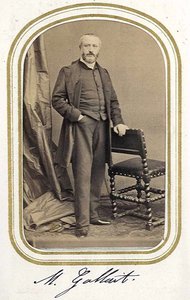
Louis Gallait
1810 - 1887 , Belgium
基本情報
- Artistic Movement Or Style: Romanticism
- Artists Who Influenced This Artist:
- Philippe Auguste Hennequin
- Mathieu Ignace Van Brée
- Date Of Birth: June 9, 1810
- Date Of Death: November 20, 1887
- Full Name: Louis Gallait
- Nationality: Belgian
- Notable Artworks:
- Abdication Details: Charles Quint Married
- Prize d’Antioque.3 Juin 1098
- Portrait Du Peintre Et Graveur Charles Cousin En Costume Arabe
- Place Of Birth: Tournai, Belgium
関連記事

The Enduring Legacy of Oil on Canvas: Technique, History & Aesthetic Impact
Explore the rich history & techniques of oil painting – from Renaissance masters to Impressionism. Discover pigments, layering methods, and why this timeless medium endures. Expert insights for artists & art enthusiasts.
19th Century Masterpieces: 10 Paintings That Defined an Era | ArtsDot
Journey through 19th century art with ArtsDot! Explore 10 iconic paintings – from Monet & Renoir to Courbet – and discover the stories behind Romanticism, Realism & Impressionism. Find museum-quality reproductions for your home decor. Explore the full collection online!

Oil on Canvas: A Historical & Technical Exploration of a Timeless Artistic Medium
Explore the rich history & enduring techniques of oil painting on canvas. Discover the science behind its longevity, conservation practices, and contemporary relevance. Expert insights for art enthusiasts.

The Enduring Power of Painting: A Historical & Contemporary Exploration of Form and Emotion
Explore the rich history & enduring techniques of oil painting with ArtsDot. Discover masterpieces, learn about art collecting, and find authentic handmade reproductions crafted by skilled artists.
Thomas George Webster: Navigating Genre Boundaries & American Identity in 19th-Century Landscape Painting
Explore the captivating genre scenes of Thomas George Webster, a Victorian painter bridging British traditions with American themes. Discover his style, influences & legacy in 19th-century art history.