

 プレビュー
プレビュー
 シェアする
シェアする シェアする
シェアする
 詳細を見る
詳細を見る

 ダウンロード
 似ている作品
 X線調査
X線調査 スライドショー
 統計情報
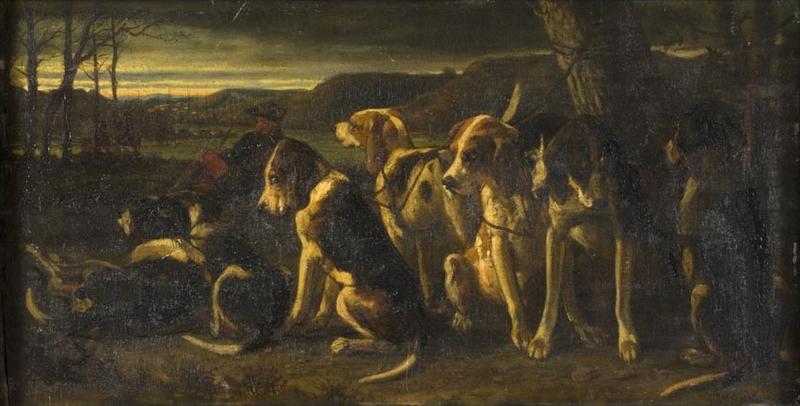
統計情報RELAIS DE CHASSE
 詳細を見る
詳細を見る
手描き油彩複製画
当社のアーティストが、お客様のご希望のサイズと額縁に合わせて、キャンバスに手描きで制作する油彩画です。 ( プリント版に切り替え デジタル画像販売へ切り替え)




































作品のオリジナル比率に合わせた、当店の規定サイズからお選びください。

特定のフレームやスペースに合わせて、ご希望のサイズをご入力いただけます。選択されたサイズが元の画像の比率と異なる場合、アートワークをトリミングするか、手描きで要素を追加して絵画を拡張いたします。デジタルモックアップ を制作し、制作開始前にご確認(承認)をいただきます。
画面上のプレビューは、実際のトリミングや拡張を正確に反映しているものではありません。最終的な構図は、モックアップによってのみ正確にご確認いただけます。
カスタムサイズもご利用いただけますが、元の比率を維持するためには、あらかじめ用意されたリストからサイズを選択することをお勧めいたします。
ご注文後、ArtsDot.com チームより詳細な指示をお送りするとともに、仕上がりイメージ(モックアップ)をご提供いたします。


 ガラスオプションは、110cm未満のサイズでのみご利用いただけます。

RELAIS DE CHASSE
複製技法
複製画のサイズ
-


合計金額
$ 263
関連作品






アーティストの略歴
Louis Godefroy Jadin: Painter of the Napoleonic Hunt
Louis Godefroy Jadin (1805-1882) stands as a captivating figure in 19th-century French art, renowned for his exquisite depictions of animal life, particularly those associated with the opulent hunts of Napoleon III and the high society of the Second Empire. More than simply a painter of dogs, Jadin was a meticulous observer of nature and a skilled interpreter of aristocratic leisure, capturing not just appearances but also the atmosphere and social dynamics of his subjects. His work offers a unique window into a bygone era, blending technical mastery with a keen understanding of fashion, etiquette, and the evolving relationship between humans and the natural world.
Born in Paris, Jadin’s artistic journey began under the tutelage of several prominent artists, including Louis Hersent, Abel de Pujol, Paul Huet, Richard Parkes Bonington, and Alexandre-Gabriel Decamps. This diverse training instilled in him a broad range of techniques and influences – from the classical precision of Hersent to the vibrant color palettes of Decamps. He debuted at the Salon in 1831, marking the beginning of his career as an animal painter, a field he would ultimately dominate. Early exhibitions showcased landscapes and portraits, but it was his fascination with hunting that truly defined his artistic focus.
The Rise of a Court Painter
Jadin’s fortunes dramatically shifted through his association with Alexandre Dumas, the celebrated author. The writer's travels to Naples and Florence introduced Jadin to the Duke of Orléans, who commissioned him to decorate the dining room of the Palace of Tuileries with hunting scenes. This prestigious assignment catapulted Jadin into the heart of Parisian high society. He meticulously recreated scenes of lavish hunts, capturing not only the animals themselves but also the elaborate costumes, weaponry, and social rituals associated with these events. These paintings, unfortunately destroyed by fire in 1873, remain legendary within the art world.
Following this success, Jadin was appointed as the official painter of the hunts of Napoleon III, a position that solidified his reputation and brought him considerable acclaim. He painted numerous portraits of the Emperor’s prized hunting dogs – Greyhounds, Dalmatians, and Bloodhounds – each rendered with astonishing detail and sensitivity. These works weren't merely depictions of animals; they were carefully constructed narratives, revealing the personalities and roles of these canine companions within the aristocratic world.
Technique and Subject Matter
Jadin’s technical skill is immediately apparent in his paintings. He possessed a remarkable ability to capture texture – from the sleek fur of a Greyhound to the intricate details of a hunting saddle. His use of light and shadow created a sense of depth and realism, while his color palette was rich and vibrant, reflecting the natural beauty of the Fontainebleau forest and the luxurious surroundings of the court. He frequently worked on wood panels, allowing for a smooth surface ideal for capturing delicate details.
Beyond technical proficiency, Jadin’s subject matter reveals a deep understanding of social dynamics. His paintings are not simply celebrations of hunting; they are also subtle commentaries on class and status. The dogs themselves become symbols of wealth and privilege, while the hunters represent the authority and power of the aristocracy. His depictions of the hounds were particularly celebrated for their elegance and grace.
Legacy and Influence
Louis Godefroy Jadin’s work continues to be admired for its technical brilliance, historical insight, and evocative portrayal of a bygone era. He was recognized during his lifetime with numerous medals – including two third-class medals in 1834 and 1855, a second-class medal in 1840, and a first-class medal in 1848 – and was even made a Chevalier of the Légion d’honneur in 1854. His paintings are held by prestigious institutions such as the Victoria and Albert Museum in London and The Royal Collection Trust, demonstrating his enduring appeal to collectors and art historians alike.
Jadin's legacy extends beyond his individual works; he helped to establish a new genre of animal painting that combined scientific observation with artistic sensitivity. He remains an important figure in the history of French art, offering a fascinating glimpse into the world of the Napoleonic court and the enduring fascination with hunting and animals.
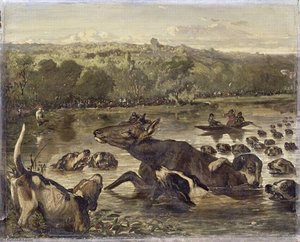
louis godefroy jadin
1805 - 1882
基本情報
- Artistic Movement Or Style: Animal painting, Hunting scenes
- Artists Or Movements Influenced By This Artist:
- Romanticism
- Realism
- Artists Who Influenced This Artist:
- Louis Hersent
- Abel de Pujol
- Paul Huet
- Richard Parkes Bonington
- Alexandre-Gabriel Decamps
- Date Of Birth: June 30, 1805
- Date Of Death: 1882
- Full Name: Louis Godefroy Jadin
- Nationality: French
- Notable Artworks:
- Two Greyhounds
- L’Assemblée de la vénerie
- Massacre de cerf
- Place Of Birth: Paris, France