

 プレビュー
プレビュー
 プリントを購入
 シェアする
シェアする シェアする
シェアする
 詳細を見る
詳細を見る

 ダウンロード
 似ている作品
 X線調査
X線調査 スライドショー
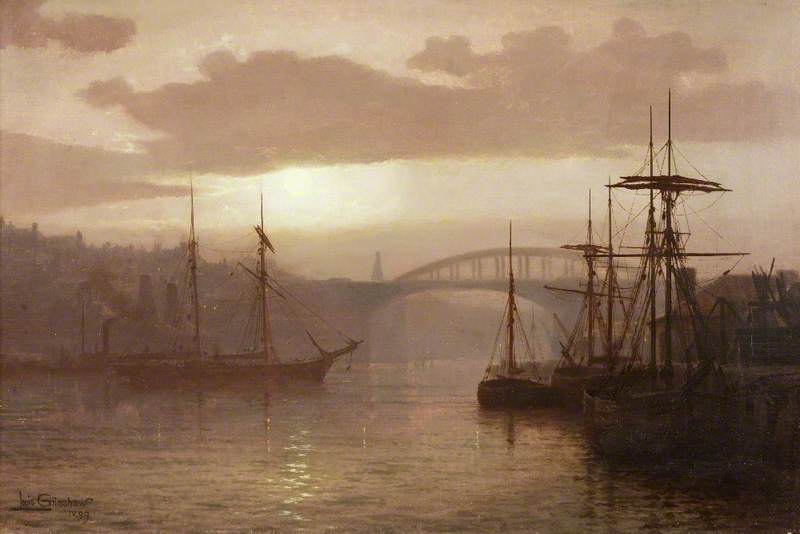
Sunderland Harbour
 1899
1899 29.0 x 45.0 cm
 Sunderland Museum - Winter Gardens
 詳細を見る
詳細を見る
オンラインプレビューをはるかに凌ぐ、高解像度で鮮明なデジタル画像をご購入いただけます。
各ファイルは、社内の専門家が高度なツールと熟練した手作業によるレタッチを用いて、細心の注意を払って準備されています。すべての画像において、卓越した鮮明度、正確な色彩再現性、そして繊細なディテールを保証いたします。
最終ファイルは、プロフェッショナルな編集・印刷環境ですぐにご利用いただけるよう最適化された状態で、72時間以内にメールにてお届けいたします。これは、一流のデザインスタジオ、出版社、ギャラリーから信頼されているものと同等の品質です。
デジタル画像のご注文に付随する特典
高品質なデジタル画像配信を、確かな品質で。
ArtsDot.com を選ぶことは、単に画像を手に入れることではありません。それは、プロの手によって精密に仕上げられ、満足保証が付いた高品質なデジタルアートワークを受け取ることを意味します。ご注文いただいた際に自動的に付随する内容は、以下の通りです:

メールですぐにお届け
ご注文から72時間以内に、高解像度のデジタル画像ファイルがメールでお手元に届きます。すぐにそのままご利用いただけます。

AI技術で最適化されたデジタルファイル
お客様の作品は、高度なAIツールと専門家による手作業の編集を組み合わせてプロフェッショナルに最適化されており、細部のディテール、鮮明さ、そして正確な色再現性を最大限に引き出しています。

一生涯無料の再送サービス
ファイルを誤って削除したり、紛失してしまったりしましたか?ご安心ください。いつでも無料で再送いたします。

輸入手数料は一切かかりません
関税や手数料、配送料を気にすることなく、お気に入りのアートワークをすぐにお楽しみいただけます。デジタルダウンロードは常に免税です。

色彩再現の保証
プロ仕様のツールとカラーマネジメント技術を用いることで、デジタル画像が元の色を最大限に忠実に再現することを保証いたします。

100日間満足保証
ご購入いただいたデジタル画像にご満足いただけない場合は、100日以内であれば、修正または100%の返金(理由を問う必要はありません)をさせていただきます。

100% 返金保証
ご満足いただけない場合は、デジタルファイルを受け取ってから100日以内であれば、理由を問わず全額返金いたします。

まとめ買い割引
3枚購入で10%OFF - 5枚購入で15%OFF - 10枚以上購入で20%OFF。クリエイティブなプロジェクト、ギャラリー、エージェンシーに最適です。
関連作品









作家の略歴
A Legacy of Moonlight: The Life and Art of Louis Hubbard Grimshaw
Louis Hubbard Grimshaw, born in Leeds on March 11th, 1870, emerged from a family steeped in artistic tradition as the son of the celebrated Victorian painter John Atkinson Grimshaw. While often viewed through the lens of his father’s considerable legacy, Louis carved out his own distinct path within the realm of British landscape painting, inheriting and subtly evolving the techniques that defined the era. His life story is one of collaboration, adaptation, and a quiet dedication to capturing the evocative beauty of urban and rural scenes, particularly those bathed in the ethereal glow of moonlight. Early on, Louis benefitted from direct tutelage under his father’s guidance, participating in collaborative works where John would typically focus on skies and backgrounds while Louis meticulously rendered figures and foreground details. This partnership fostered a deep understanding of composition, colour theory, and the atmospheric effects that became hallmarks of both artists' styles.Following in His Father’s Footsteps: Early Influences and Artistic Development
The influence of John Atkinson Grimshaw is undeniable in Louis’s early work. Both painters shared a fascination with nocturnal scenes—the shimmering reflections on wet cobblestones, the warm light spilling from windows onto darkened streets, and the dramatic interplay of shadow and illumination. However, Louis wasn't merely an imitator; he possessed a keen eye for detail and a sensitivity to mood that allowed him to imbue his paintings with a unique character. Like his father, Louis embraced a degree of realism, often employing photographic references—a practice common among Victorian artists seeking accuracy in their depictions. The use of photography wasn’t seen as a shortcut but rather as a tool for capturing the nuances of light and form that might be difficult to achieve through direct observation alone. This technique allowed him to create scenes with an almost hyperrealistic quality, drawing viewers into the heart of the depicted environment. He found particular success painting views of London commissioned by art dealer Jackson in the 1890s, including a series dedicated to the coronation celebrations of King Edward VII.A Shift in Focus: From Painter to Cartographer
Despite his growing reputation and artistic promise, Louis Grimshaw made a surprising decision in 1905—he abandoned painting altogether to pursue a career as a cartographer for the Manchester Guardian newspaper. This transition speaks volumes about the precarious nature of an artist’s life during that period and the economic pressures that often forced individuals to seek more stable employment. While this move marked the end of his active painting career, it doesn't diminish the significance of his artistic contributions. His earlier body of work remains a testament to his skill and sensitivity, offering a valuable glimpse into Victorian urban life and the aesthetic sensibilities of the time. The decision also highlights a practical side to Louis’s character—a willingness to adapt and find fulfillment in a different field while still utilizing his visual acuity and attention to detail.Themes and Techniques: Capturing Atmosphere and Emotion
Louis Grimshaw's paintings are characterized by their evocative atmosphere and emotional resonance. He excelled at capturing the quiet beauty of everyday scenes, transforming ordinary streets and landscapes into captivating works of art. His palette was typically subdued, favouring blues, grays, and browns to create a sense of nocturnal calm. The use of light is particularly noteworthy—he masterfully employed chiaroscuro techniques to highlight key elements within his compositions, drawing the viewer’s eye to focal points and creating a dramatic interplay of shadow and illumination.- Moonlit Cityscapes: His most recognizable works depict city streets bathed in moonlight, often featuring reflections on wet surfaces and warm light emanating from windows.
- Collaborative Spirit: Early collaborations with his father demonstrate a shared artistic vision and technical expertise.
- Realistic Detail: The use of photographic references contributed to the hyperrealistic quality of his paintings.
- Emotional Resonance: His work evokes a sense of nostalgia, tranquility, and quiet beauty.
Historical Significance and Enduring Appeal
Louis Hubbard Grimshaw’s legacy is inextricably linked to that of his father. While he may not have achieved the same level of fame as John Atkinson Grimshaw, his paintings offer a valuable complement to his father's work, providing further insight into the Victorian art scene and the aesthetic preferences of the era. His scenes of Wakefield, Edinburgh, Hull, Leeds, and Durham—along with his London commissions—offer a captivating glimpse into the urban landscapes of late 19th-century Britain. The rarity of his works adds to their appeal, making them highly sought after by collectors and art enthusiasts alike. Today, Louis Grimshaw’s paintings are celebrated for their technical skill, atmospheric beauty, and ability to transport viewers back in time—a testament to the enduring power of Victorian landscape painting and the legacy of a family dedicated to capturing the magic of light and shadow. He died on March 7th, 1944 at his home in Prestwich, Lancashire, remembered as “the last surviving son of the late Atkinson Grimshaw”.
プロフィール概要
- Artistic Movement Or Style: Victorian painting
- Artists Who Influenced This Artist: ['John Atkinson Grimshaw']
- Date Of Birth: March 11, 1870
- Date Of Death: March 7, 1944
- Full Name: Louis Hubbard Grimshaw
- Nationality: British
- Notable Artworks:
- Evening Calm
- Royal Mile view
- Wakefield scene
- Place Of Birth: Leeds, England