

 プレビュー
プレビュー
 プリントを購入
 シェアする
シェアする シェアする
シェアする
 詳細を見る
詳細を見る

 ダウンロード
 似ている作品
 X線調査
X線調査 スライドショー
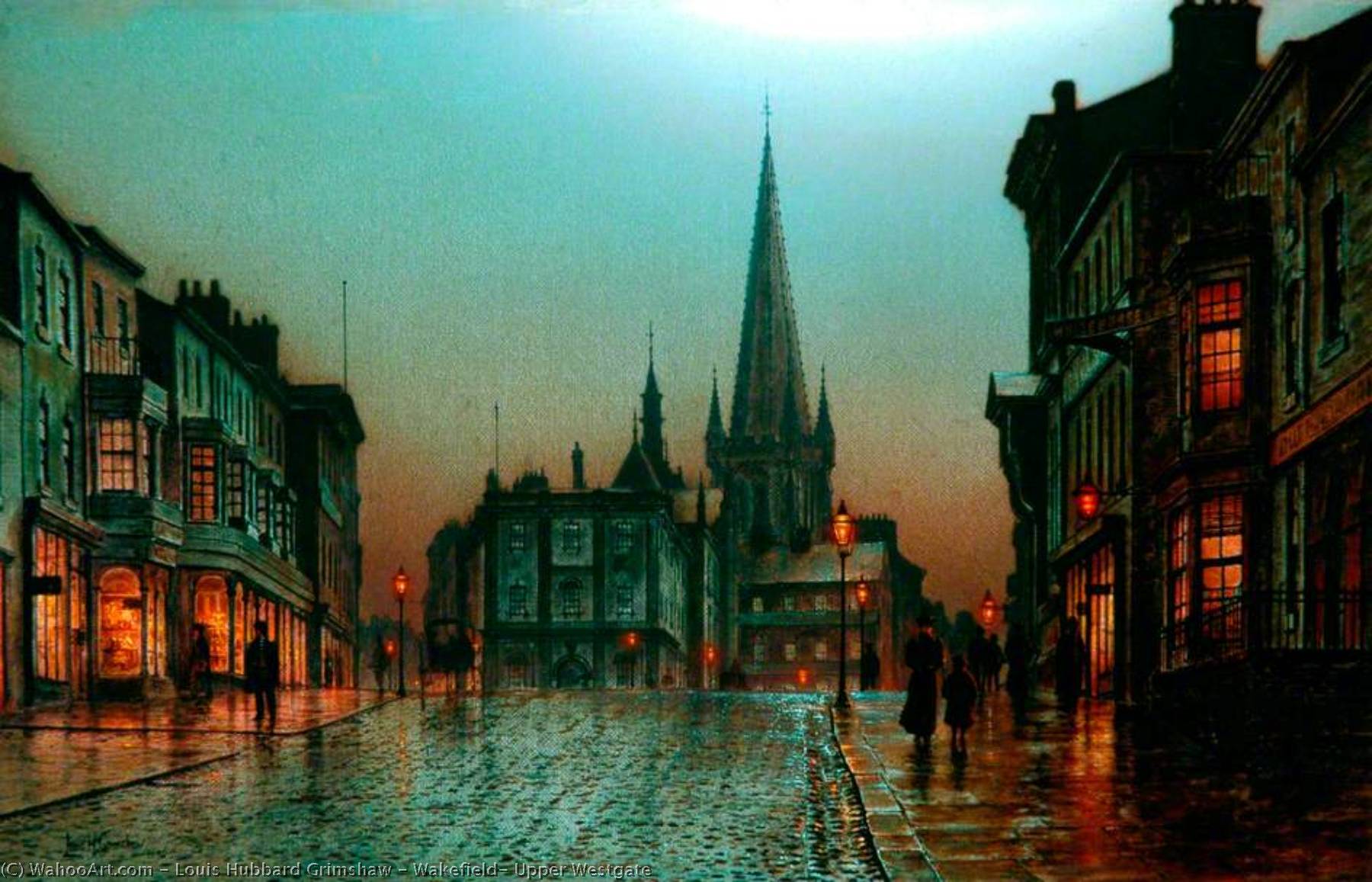
Wakefield, Upper Westgate
 1896
1896 27.0 x 42.0 cm
 ザ・ヘップワース・ウェイクフィールド
Discover Louis Hubbard Grimshaw’s evocative Newcastle scenes & Buckingham Palace artwork. Explore his Victorian-era paintings capturing emotion & history – a significant British artist.
 詳細を見る
詳細を見る




































標準サイズ
オーダーメイド
CM
INCH
作品のオリジナル比率に合わせた、当店の規定サイズからお選びください。
Loading sizes...

幅
高さ
特定のフレームやスペースに合わせて、ご希望のサイズをご入力いただけます。選択されたサイズが元の画像の比率と異なる場合、アートワークをトリミングするか、手描きで要素を追加して絵画を拡張いたします。デジタルモックアップ を制作し、制作開始前にご確認(承認)をいただきます。
画面上のプレビューは、実際のトリミングや拡張を正確に反映しているものではありません。最終的な構図は、モックアップによってのみ正確にご確認いただけます。
カスタムサイズもご利用いただけますが、元の比率を維持するためには、あらかじめ用意されたリストからサイズを選択することをお勧めいたします。
カスタマイズの例:顔をお客様の写真に置き換える、ペットを追加する(例:猫を犬に変更)、背景に隠れたメッセージを入れる、背景の風景や要素を変更するなど。
ご注文後、ArtsDot.com チームより詳細な指示をお送りするとともに、仕上がりイメージ(モックアップ)をご提供いたします。
ご注文後、ArtsDot.com チームより詳細な指示をお送りするとともに、仕上がりイメージ(モックアップ)をご提供いたします。


 ガラスオプションは、110cm未満のサイズでのみご利用いただけます。

Wakefield, Upper Westgate
複製技法
複製画のサイズ
-


合計金額
$ 263
関連作品









アーティストの略歴
A Legacy of Moonlight: The Life and Art of Louis Hubbard Grimshaw
Louis Hubbard Grimshaw, born in Leeds on March 11th, 1870, emerged from a family steeped in artistic tradition as the son of the celebrated Victorian painter John Atkinson Grimshaw. While often viewed through the lens of his father’s considerable legacy, Louis carved out his own distinct path within the realm of British landscape painting, inheriting and subtly evolving the techniques that defined the era. His life story is one of collaboration, adaptation, and a quiet dedication to capturing the evocative beauty of urban and rural scenes, particularly those bathed in the ethereal glow of moonlight. Early on, Louis benefitted from direct tutelage under his father’s guidance, participating in collaborative works where John would typically focus on skies and backgrounds while Louis meticulously rendered figures and foreground details. This partnership fostered a deep understanding of composition, colour theory, and the atmospheric effects that became hallmarks of both artists' styles.Following in His Father’s Footsteps: Early Influences and Artistic Development
The influence of John Atkinson Grimshaw is undeniable in Louis’s early work. Both painters shared a fascination with nocturnal scenes—the shimmering reflections on wet cobblestones, the warm light spilling from windows onto darkened streets, and the dramatic interplay of shadow and illumination. However, Louis wasn't merely an imitator; he possessed a keen eye for detail and a sensitivity to mood that allowed him to imbue his paintings with a unique character. Like his father, Louis embraced a degree of realism, often employing photographic references—a practice common among Victorian artists seeking accuracy in their depictions. The use of photography wasn’t seen as a shortcut but rather as a tool for capturing the nuances of light and form that might be difficult to achieve through direct observation alone. This technique allowed him to create scenes with an almost hyperrealistic quality, drawing viewers into the heart of the depicted environment. He found particular success painting views of London commissioned by art dealer Jackson in the 1890s, including a series dedicated to the coronation celebrations of King Edward VII.A Shift in Focus: From Painter to Cartographer
Despite his growing reputation and artistic promise, Louis Grimshaw made a surprising decision in 1905—he abandoned painting altogether to pursue a career as a cartographer for the Manchester Guardian newspaper. This transition speaks volumes about the precarious nature of an artist’s life during that period and the economic pressures that often forced individuals to seek more stable employment. While this move marked the end of his active painting career, it doesn't diminish the significance of his artistic contributions. His earlier body of work remains a testament to his skill and sensitivity, offering a valuable glimpse into Victorian urban life and the aesthetic sensibilities of the time. The decision also highlights a practical side to Louis’s character—a willingness to adapt and find fulfillment in a different field while still utilizing his visual acuity and attention to detail.Themes and Techniques: Capturing Atmosphere and Emotion
Louis Grimshaw's paintings are characterized by their evocative atmosphere and emotional resonance. He excelled at capturing the quiet beauty of everyday scenes, transforming ordinary streets and landscapes into captivating works of art. His palette was typically subdued, favouring blues, grays, and browns to create a sense of nocturnal calm. The use of light is particularly noteworthy—he masterfully employed chiaroscuro techniques to highlight key elements within his compositions, drawing the viewer’s eye to focal points and creating a dramatic interplay of shadow and illumination.- Moonlit Cityscapes: His most recognizable works depict city streets bathed in moonlight, often featuring reflections on wet surfaces and warm light emanating from windows.
- Collaborative Spirit: Early collaborations with his father demonstrate a shared artistic vision and technical expertise.
- Realistic Detail: The use of photographic references contributed to the hyperrealistic quality of his paintings.
- Emotional Resonance: His work evokes a sense of nostalgia, tranquility, and quiet beauty.
Historical Significance and Enduring Appeal
Louis Hubbard Grimshaw’s legacy is inextricably linked to that of his father. While he may not have achieved the same level of fame as John Atkinson Grimshaw, his paintings offer a valuable complement to his father's work, providing further insight into the Victorian art scene and the aesthetic preferences of the era. His scenes of Wakefield, Edinburgh, Hull, Leeds, and Durham—along with his London commissions—offer a captivating glimpse into the urban landscapes of late 19th-century Britain. The rarity of his works adds to their appeal, making them highly sought after by collectors and art enthusiasts alike. Today, Louis Grimshaw’s paintings are celebrated for their technical skill, atmospheric beauty, and ability to transport viewers back in time—a testament to the enduring power of Victorian landscape painting and the legacy of a family dedicated to capturing the magic of light and shadow. He died on March 7th, 1944 at his home in Prestwich, Lancashire, remembered as “the last surviving son of the late Atkinson Grimshaw”.
基本情報
- Artistic Movement Or Style: Victorian painting
- Artists Who Influenced This Artist: ['John Atkinson Grimshaw']
- Date Of Birth: March 11, 1870
- Date Of Death: March 7, 1944
- Full Name: Louis Hubbard Grimshaw
- Nationality: British
- Notable Artworks:
- Evening Calm
- Royal Mile view
- Wakefield scene
- Place Of Birth: Leeds, England