

 プレビュー
プレビュー
 プリントを購入
 シェアする
シェアする シェアする
シェアする
 詳細を見る
詳細を見る

 ダウンロード
 似ている作品
 X線調査
X線調査 スライドショー
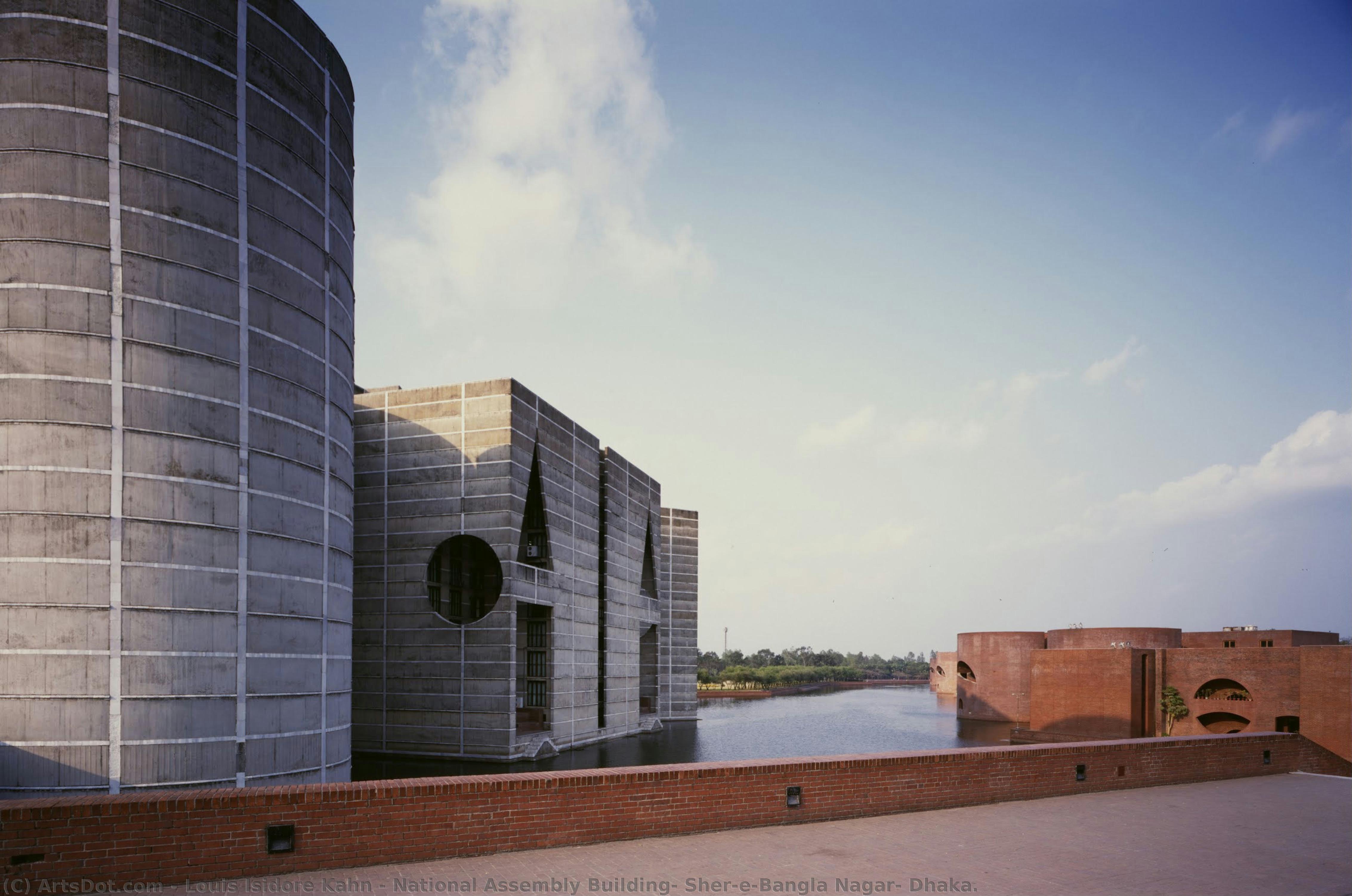
National Assembly Building, Sher-e-Bangla Nagar, Dhaka.


 詳細を見る
詳細を見る
オンラインプレビューをはるかに凌ぐ、高解像度で鮮明なデジタル画像をご購入いただけます。
各ファイルは、社内の専門家が高度なツールと熟練した手作業によるレタッチを用いて、細心の注意を払って準備されています。すべての画像において、卓越した鮮明度、正確な色彩再現性、そして繊細なディテールを保証いたします。
最終ファイルは、プロフェッショナルな編集・印刷環境ですぐにご利用いただけるよう最適化された状態で、72時間以内にメールにてお届けいたします。これは、一流のデザインスタジオ、出版社、ギャラリーから信頼されているものと同等の品質です。
デジタル画像のご注文に付随する特典
高品質なデジタル画像配信を、確かな品質で。
ArtsDot.com を選ぶことは、単に画像を手に入れることではありません。それは、プロの手によって精密に仕上げられ、満足保証が付いた高品質なデジタルアートワークを受け取ることを意味します。ご注文いただいた際に自動的に付随する内容は、以下の通りです:

メールですぐにお届け
ご注文から72時間以内に、高解像度のデジタル画像ファイルがメールでお手元に届きます。すぐにそのままご利用いただけます。

AI技術で最適化されたデジタルファイル
お客様の作品は、高度なAIツールと専門家による手作業の編集を組み合わせてプロフェッショナルに最適化されており、細部のディテール、鮮明さ、そして正確な色再現性を最大限に引き出しています。

一生涯無料の再送サービス
ファイルを誤って削除したり、紛失してしまったりしましたか?ご安心ください。いつでも無料で再送いたします。

輸入手数料は一切かかりません
関税や手数料、配送料を気にすることなく、お気に入りのアートワークをすぐにお楽しみいただけます。デジタルダウンロードは常に免税です。

色彩再現の保証
プロ仕様のツールとカラーマネジメント技術を用いることで、デジタル画像が元の色を最大限に忠実に再現することを保証いたします。

60日間満足保証
ご購入いただいたデジタル画像にご満足いただけない場合は、60日以内であれば、修正または100%の返金(理由を問う必要はありません)をさせていただきます。

100% 返金保証
ご満足いただけない場合は、デジタルファイルを受け取ってから60日以内であれば、理由を問わず全額返金いたします。

まとめ買い割引
3枚購入で10%OFF - 5枚購入で15%OFF - 10枚以上購入で20%OFF。クリエイティブなプロジェクト、ギャラリー、エージェンシーに最適です。
関連作品


作家の略歴
Louis Isadore Kahn (1901–1974): The Poet of Concrete
Louis Isadore Kahn (Leiser-itze Schmuilowsky), born February 20, 1901, in Kuressaare, Estonia—a town nestled on the Baltic Sea island of Saaremaa—was an Estonian-born American architect whose singular vision profoundly shaped the landscape of modern architecture. His life’s trajectory was marked by a formative encounter with light and fire as a young boy, experiences that would indelibly imprint upon his artistic sensibility and inform his lifelong preoccupation with materiality and form. Despite facing considerable hardship during his early years—his family endured poverty and frequent relocations—Kahn possessed an innate talent for drawing from childhood, sketching charcoal lines with improvised tools like burnt twigs and matches. This passion for visual expression propelled him through his education, securing a scholarship to Philadelphia’s Central High School and ultimately leading him to pursue architecture at the University of Pennsylvania under the tutelage of Paul Philippe Cret—a teacher who instilled in Kahn a reverence for classical proportions and restraint.- Early Life & Education: Kahn's formative years were spent amidst the industrial landscape of Northern Liberties, Philadelphia, where he honed his artistic skills alongside fellow Central High School graduate Norman N. Rice. Cret’s influence extended beyond aesthetics; he championed a distinctive approach to architectural design—one rooted in dignity and restraint—that would resonate throughout Kahn’s career.
- Architectural Practice & Early Works: Following graduation, Kahn embarked on his professional journey, initially working for City Architect John Molitor and later joining the practice of theater designer William H. Lee. These early commissions exposed him to diverse architectural styles, including the International Style championed by Le Corbusier—a style that would serve as a springboard for Kahn’s own groundbreaking explorations.
Monumental Form & Brutalist Philosophy
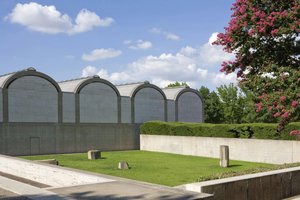
Kahn's architectural philosophy emerged from a profound engagement with ancient ruins, particularly those of Greece and Egypt. Inspired by the monumental scale and austere beauty of these sites—where light played upon stone surfaces in ways that evoked timelessness—he developed a distinctive aesthetic characterized by massive concrete structures devoid of ornamentation. This “Brutalist” approach—named after the British architectural critic Reyner Banham—rejected decorative embellishments, prioritizing structural integrity and elemental materiality as expressions of artistic intent. Kahn believed that buildings should embody their purpose, reflecting the spirit of their function in an uncompromising manner. As he famously stated, "I believe it takes a long time to be an architect; it takes a long time to be an architect of one’s aspirations…"- The Salk Institute & Kimbell Art Museum: Kahn's most celebrated projects—the Salk Institute for Biological Studies in La Jolla, California, and the Kimbell Art Museum in Fort Worth, Texas—exemplify his commitment to Brutalist principles. These buildings utilize exposed concrete walls and ceilings to create spaces of profound stillness and contemplation, fostering a connection between human experience and the natural world.
- National Assembly Building & Other Notable Commissions: Kahn’s influence extended beyond North America, notably evident in the National Assembly Building in Dhaka, Bangladesh—a monumental edifice designed to inspire civic pride—and numerous other projects across Europe and Asia. His designs consistently prioritized functionality alongside sculptural grandeur, establishing him as a pioneer of architectural innovation.
Legacy & Influence
Louis Kahn’s legacy transcends mere architectural achievement; he fundamentally altered the discourse surrounding building design. He championed a humanist aesthetic—one rooted in respect for materials and informed by contemplation—that challenged prevailing trends toward stylistic excess. His unwavering conviction that buildings should serve as expressions of human spirit continues to inspire architects today, fostering a dialogue about the role of architecture in shaping our understanding of place and time. As Vincent Scully Jr., Yale University Art Gallery’s Director Emeritus noted, “Kahn’s work is not merely beautiful; it is profoundly humane.” His enduring influence can be seen in institutions like Yale University Art Gallery and Saint Louis Art Museum—spaces designed to elevate the human experience through masterful use of light and form.Major Achievements
Among Kahn's most significant accomplishments were: The Richards Medical Research Laboratories (University of Pennsylvania); The Folger Shakespeare Library; The United States Courthouse in Fort Worth; The Yale University Art Gallery; The Kimbell Art Museum; The National Assembly Building, Dhaka; and Phillips Exeter Academy Library. These buildings stand as testaments to Kahn’s singular vision—a vision that prioritized structural integrity, elemental materiality, and contemplative space—solidifying his place among the titans of twentieth-century architecture.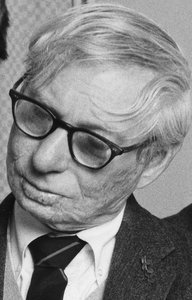
louis isidore kahn
1901 - 1974 , Estonia
プロフィール概要
- Artistic Movement Or Style: Brutalist architecture
- Artists Or Movements Influenced By This Artist: ['Le Corbusier']
- Artists Who Influenced This Artist: ['Paul Philippe Cret']
- Date Of Birth: February 20, 1901
- Date Of Death: March 17, 1974
- Full Name: Louis Isadore Kahn
- Nationality: American
- Notable Artworks:
- Salk Institute
- Kimbell Art Museum
- National Assembly Building
- Place Of Birth: Kuressaare, Estonia

