

 プレビュー
プレビュー
 プリントを購入
 シェアする
シェアする シェアする
シェアする
 詳細を見る
詳細を見る

 ダウンロード
 似ている作品
 X線調査
X線調査 スライドショー
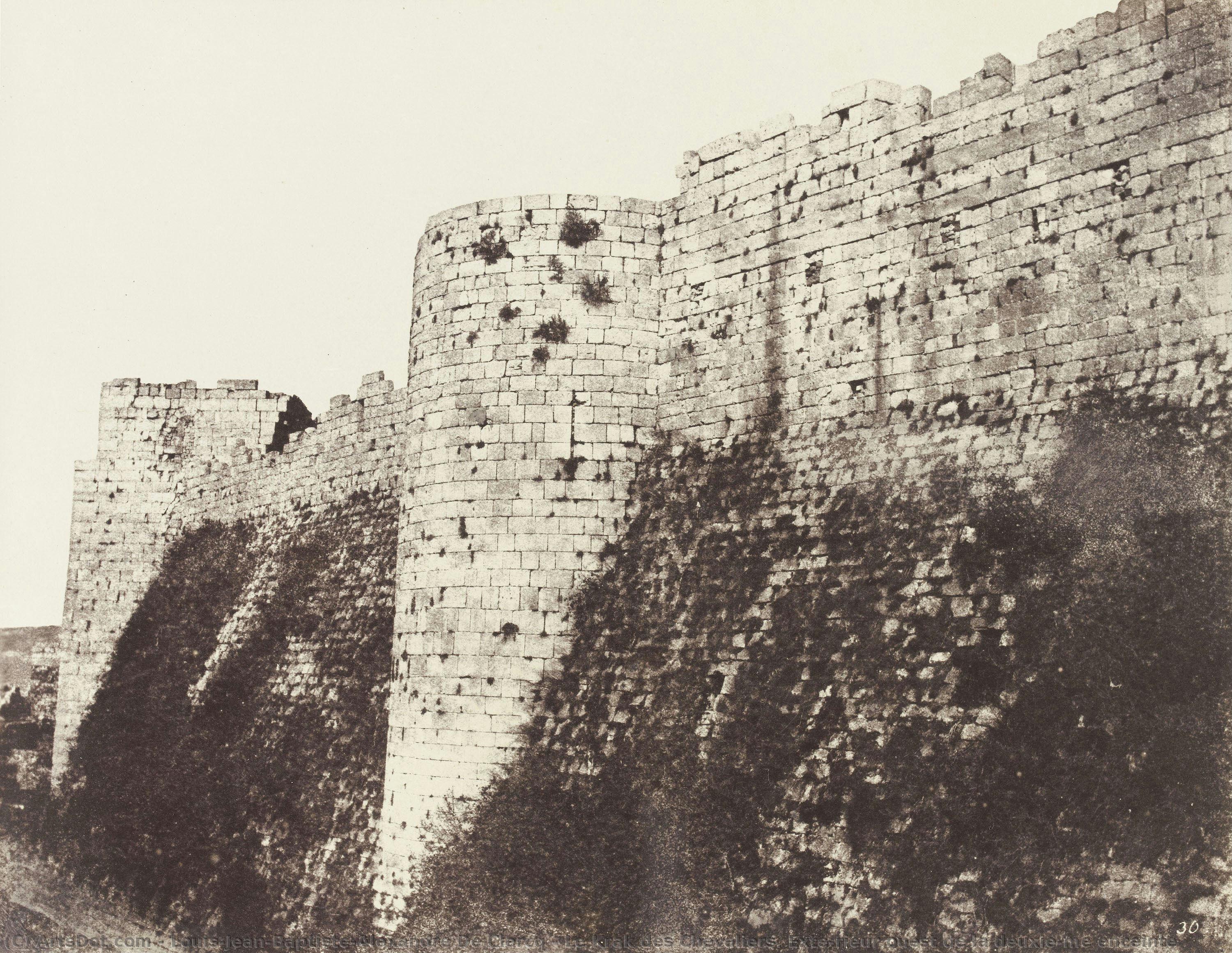
Le Krak des Chevaliers. Extérieur ouest de la deuxième enceinte


 詳細を見る
詳細を見る
オンラインプレビューをはるかに凌ぐ、高解像度で鮮明なデジタル画像をご購入いただけます。
各ファイルは、社内の専門家が高度なツールと熟練した手作業によるレタッチを用いて、細心の注意を払って準備されています。すべての画像において、卓越した鮮明度、正確な色彩再現性、そして繊細なディテールを保証いたします。
最終ファイルは、プロフェッショナルな編集・印刷環境ですぐにご利用いただけるよう最適化された状態で、72時間以内にメールにてお届けいたします。これは、一流のデザインスタジオ、出版社、ギャラリーから信頼されているものと同等の品質です。
デジタル画像のご注文に付随する特典
高品質なデジタル画像配信を、確かな品質で。
ArtsDot.com を選ぶことは、単に画像を手に入れることではありません。それは、プロの手によって精密に仕上げられ、満足保証が付いた高品質なデジタルアートワークを受け取ることを意味します。ご注文いただいた際に自動的に付随する内容は、以下の通りです:

メールですぐにお届け
ご注文から72時間以内に、高解像度のデジタル画像ファイルがメールでお手元に届きます。すぐにそのままご利用いただけます。

AI技術で最適化されたデジタルファイル
お客様の作品は、高度なAIツールと専門家による手作業の編集を組み合わせてプロフェッショナルに最適化されており、細部のディテール、鮮明さ、そして正確な色再現性を最大限に引き出しています。

一生涯無料の再送サービス
ファイルを誤って削除したり、紛失してしまったりしましたか?ご安心ください。いつでも無料で再送いたします。

輸入手数料は一切かかりません
関税や手数料、配送料を気にすることなく、お気に入りのアートワークをすぐにお楽しみいただけます。デジタルダウンロードは常に免税です。

色彩再現の保証
プロ仕様のツールとカラーマネジメント技術を用いることで、デジタル画像が元の色を最大限に忠実に再現することを保証いたします。

60日間満足保証
ご購入いただいたデジタル画像にご満足いただけない場合は、60日以内であれば、修正または100%の返金(理由を問う必要はありません)をさせていただきます。

100% 返金保証
ご満足いただけない場合は、デジタルファイルを受け取ってから60日以内であれば、理由を問わず全額返金いたします。

まとめ買い割引
3枚購入で10%OFF - 5枚購入で15%OFF - 10枚以上購入で20%OFF。クリエイティブなプロジェクト、ギャラリー、エージェンシーに最適です。
A Fortress Frozen in Time: De Clercq’s Masterpiece of Krak des Chevaliers
Louis-Jean-Baptiste-Alexandre de Clercq's 1860 photograph, “Le Krak des Chevaliers: Extérieur ouest de la deuxième enceinte,” isn’t merely a depiction of a medieval castle; it’s a meticulously crafted window into a bygone era. Captured during the height of the Second Empire in France, this black and white image transcends its photographic nature to become a powerful testament to architectural grandeur, military might, and the enduring spirit of Crusader ambition. The photograph immediately commands attention with its stark contrasts – the deep shadows of the imposing stone walls against the bright, diffused light, creating an atmosphere both dramatic and profoundly evocative.
The subject itself is undeniably monumental: the Krak des Chevaliers, a fortress strategically positioned in Syria, stands as a formidable symbol of medieval defense. De Clercq’s lens focuses on the second enceinte, or outer wall, specifically its western facade – a section that reveals the castle's impressive scale and defensive design. The sheer size of the brickwork is immediately apparent, hinting at the immense labor and resources invested in constructing this bastion against potential invaders. Notice the deliberate arrangement of the bricks, showcasing both structural integrity and an underlying aesthetic order.
The Calotype Process: A Window into De Clercq’s Vision
Understanding the photographic technique employed by de Clercq is crucial to appreciating the photograph's unique character. He primarily utilized the calotype process – a groundbreaking method developed by William Henry Fox Talbot that allowed for the creation of detailed, paper-based prints. Unlike later processes like daguerreotypes, which produced a single, highly reflective image, the calotype offered greater flexibility and tonal range. This meant De Clercq could capture subtle gradations of light and shadow, imbuing his work with an atmospheric depth rarely seen in earlier photography.
The slight softness inherent in the calotype process contributes significantly to the photograph’s timeless quality. It's as if time itself has settled upon the stone walls, lending them a weathered patina that speaks of centuries of exposure to the elements. De Clercq masterfully exploited this characteristic, using it to enhance the sense of history and solidity conveyed by the image. The subtle blurring around the edges isn’t an imperfection; rather, it's a deliberate artistic choice that reinforces the photograph’s overall mood.
Symbolism and Historical Context
The Krak des Chevaliers itself is laden with historical significance. Originally built as a Crusader fortress in the 12th century, it served as a vital strategic point during the Holy Wars. Later, it was rebuilt by the Mamluks in the 13th century, becoming a formidable stronghold that withstood numerous sieges. De Clercq’s photograph captures this layered history – a visual reminder of the castle's evolution and its role as a symbol of power and resilience.
Beyond its military importance, the Krak des Chevaliers represents the ambition and ingenuity of medieval architecture. The complex defensive system, with its multiple layers of walls, towers, and fortifications, demonstrates an extraordinary understanding of engineering principles. De Clercq’s photograph serves as a visual testament to this architectural prowess, offering a rare glimpse into the world of medieval military design.
A Legacy in Stone and Shadow
Louis-Jean-Baptiste-Alexandre de Clercq's “Le Krak des Chevaliers: Extérieur ouest de la deuxième enceinte” is more than just a photograph; it’s an immersive experience. It invites the viewer to step back in time and contemplate the grandeur of a medieval fortress, the ingenuity of its builders, and the enduring power of visual documentation. Reproductions of this remarkable image offer a tangible connection to the past, allowing us to appreciate the artistry and historical significance of this extraordinary architectural masterpiece.
関連作品

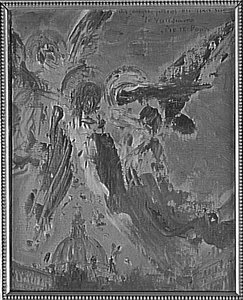
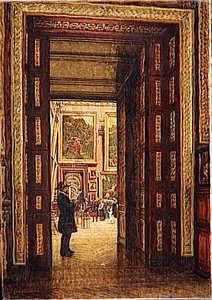
作家の略歴
Louis-Jean-Baptiste-Alexandre de Clercq: A Pioneer of French Architectural Photography
Louis-Jean-Baptiste-Alexandre de Clercq (1837 – 1901), also known as Louis de Clercq, was a significant French photographer celebrated for his meticulous documentation of French architecture and landscapes during the late 19th century. His work provides invaluable visual records of a rapidly changing France, capturing both iconic landmarks and evolving urban environments with remarkable detail.
Early Life and Photographic Development
Born in Paris, France, de Clercq’s early life details remain somewhat obscure. However, his dedication to photography became evident as he established himself as a professional photographer in Paris. He was active from the 1860s until his death in 1901. De Clercq's photographic process primarily utilized the calotype technique, an early form of photography known for its soft focus and unique aesthetic qualities. This method allowed him to create detailed prints with a distinctive artistic feel.
Key Works and Artistic Style
De Clercq’s oeuvre is characterized by his keen eye for composition and lighting. He meticulously framed his subjects, often employing dramatic angles and carefully controlled light to highlight architectural details. Some of his most notable works include:
- Notre-Dame, Paris (1870s): A striking photograph capturing the grandeur of the iconic cathedral, demonstrating de Clercq’s ability to convey a sense of scale and historical significance.
- La Plage d'Ambleteuse (1880s): This landscape photograph showcases his skill in depicting the beauty of the French coastline, with an emphasis on natural light and atmospheric perspective.
- View of the Scaffolding Erected to Install the Central Dome of the Grand Palais (1890s): A fascinating document illustrating the monumental construction project, offering a unique glimpse into 19th-century engineering and urban development.
- Le Krak des Chevaliers: De Clercq produced several photographs documenting this Crusader castle in Syria, showcasing its impressive fortifications and architectural complexity (see examples here).
Influences and Historical Significance
While specific influences on de Clercq’s work are not extensively documented, he undoubtedly drew inspiration from the broader artistic movements of his time. The rise of realism in painting likely informed his desire to accurately depict architectural subjects. Furthermore, the burgeoning field of photography itself was rapidly evolving, with advancements in techniques and equipment influencing his approach. De Clercq's photographs hold significant historical value as visual records of France during a period of rapid industrialization and urbanization. His images provide invaluable insights into the architecture, landscapes, and construction projects that shaped the nation.
Legacy and Recognition
Louis-Jean-Baptiste-Alexandre de Clercq’s legacy is cemented by his inclusion in prestigious collections such as the fonds photographique du musée d'Orsay in Paris. His work continues to be appreciated for its artistic merit and historical importance, offering a unique window into 19th-century France. His meticulous documentation of architectural landmarks and landscapes ensures that his contribution to French photographic history is recognized and celebrated. Explore more of de Clercq’s works on ArtsDot.
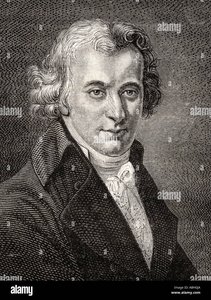
Louis-Jean-Baptiste-Alexandre de Clercq
1837 - 1901 , France
プロフィール概要
- Artistic Movement Or Style: Photography
- Date Of Birth: 1837
- Date Of Death: 1901
- Full Name: Louis-Jean-Baptiste-Alexandre de Clercq
- Nationality: French
- Notable Artworks:
- Notre-Dame, Paris (1870s)
- La plage d'Ambleteuse (1880s)
- View of the Grand Palais (1890s)
- Place Of Birth: Paris, France

