

 プレビュー
プレビュー
 プリントを購入
 シェアする
シェアする シェアする
シェアする
 詳細を見る
詳細を見る

 ダウンロード
 似ている作品
 X線調査
X線調査 スライドショー
Louis Arnault


 詳細を見る
詳細を見る




































作品のオリジナル比率に合わせた、当店の規定サイズからお選びください。

特定のフレームやスペースに合わせて、ご希望のサイズをご入力いただけます。選択されたサイズが元の画像の比率と異なる場合、アートワークをトリミングするか、手描きで要素を追加して絵画を拡張いたします。デジタルモックアップ を制作し、制作開始前にご確認(承認)をいただきます。
画面上のプレビューは、実際のトリミングや拡張を正確に反映しているものではありません。最終的な構図は、モックアップによってのみ正確にご確認いただけます。
カスタムサイズもご利用いただけますが、元の比率を維持するためには、あらかじめ用意されたリストからサイズを選択することをお勧めいたします。
ご注文後、ArtsDot.com チームより詳細な指示をお送りするとともに、仕上がりイメージ(モックアップ)をご提供いたします。


 ガラスオプションは、110cm未満のサイズでのみご利用いただけます。

Louis Arnault
複製技法
複製画のサイズ
-


合計金額
$ 263
作品解説
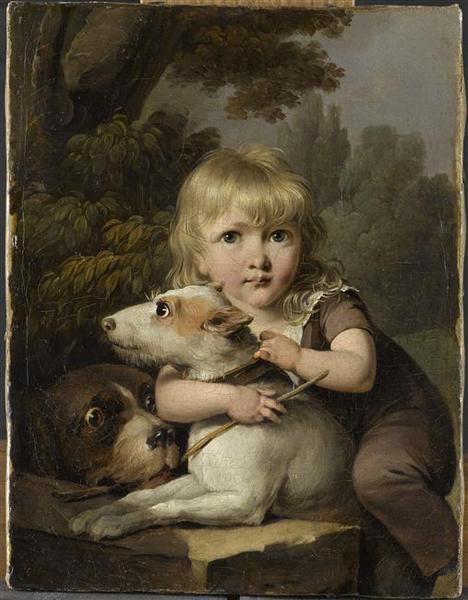
A Window Into Parisian Life: Louis Léopold Boilly’s Portrait of Young Boy
Louis Léopold Boilly (1761 – 1845), a prolific French painter, stands as a pivotal figure in the transition from Rococo to Neoclassical aesthetics. His oeuvre is dominated by portraiture—over three hundred canvases depicting individuals from the Parisian bourgeoisie—yet he transcends mere likeness, crafting scenes imbued with psychological depth and capturing the spirit of his era. This particular portrait, tentatively dated around 1794-1795, offers a fascinating glimpse into the values and sensibilities of late eighteenth-century France.Composition and Technique: Precision Meets Sentiment
Boilly’s masterful technique exemplifies the Neoclassical ideal – achieving realism through careful observation and meticulous execution. Executed in oil on canvas, the painting utilizes subtle blending and layering to create an illusion of texture and depth. Notice the soft brushstrokes delineating the boy's hair and clothing, mirroring the idealized beauty favored by artists of the time. The artist’s attention to detail extends beyond mere representation; he subtly captures the boy’s gaze—direct and inquisitive—suggesting a youthful spirit brimming with curiosity. Crucially, Boilly employs a balanced pyramidal composition, anchoring the central figure within a landscape backdrop that serves as both context and visual restraint. This compositional choice underscores the importance of harmony and order – hallmarks of Neoclassical art.Historical Context: Reflecting Enlightenment Ideals
The portrait emerges from the turbulent period following the French Revolution. While outwardly calm and serene, it speaks volumes about the burgeoning bourgeois values of the era—family, piety, and moral virtue. Boilly’s subjects were often members of the educated elite, reflecting the Enlightenment's emphasis on reason and individual liberty. However, beneath the surface tranquility lies a profound consideration for human emotion. The boy’s posture exudes confidence and composure, mirroring the aspirations of young men striving to embody noble ideals. Furthermore, the inclusion of the dog—a symbol of loyalty and companionship—reinforces the importance of familial bonds within French society during this transformative period.Symbolism: Beyond Appearance – Capturing Inner Character
More than just a depiction of physical likeness, Boilly’s portrait delves into psychological nuance. The boy's gaze is particularly noteworthy; it conveys intelligence and thoughtfulness, hinting at an inner life beyond the confines of his youthful appearance. This deliberate focus on character—rather than mere surface beauty—was characteristic of Neoclassical art’s desire to elevate human experience. The landscape setting serves as a foil to the central figure, symbolizing stability and tradition amidst the upheaval of revolution. It subtly reinforces the idea that true virtue resides in upholding moral principles and embracing familial values.Emotional Impact: A Moment Frozen in Time
Ultimately, Boilly's portrait transcends its formal conventions to evoke a powerful emotional response. The painting’s understated palette—dominated by muted browns and creams—creates an atmosphere of quiet dignity and contemplation. It invites viewers to consider the boy’s inner world—his aspirations, his vulnerabilities—and prompts reflection on the enduring values of compassion and integrity. Like many Neoclassical masterpieces, it captures a fleeting moment in time—a snapshot of youthful innocence and familial affection—leaving an indelible impression on anyone who encounters its serene beauty. It remains a testament to Boilly’s ability to transform observation into artful expression and to convey profound human emotion through meticulous technique and balanced composition.関連作品
アーティストの略歴
ルイ・レオポルド・ボイィ:肖像画とパリ社会に刻まれた生涯
- 生年月日:1761年7月5日、フランス、ラ・バセ
- 没年月日:1845年1月4日、フランス、パリ
幼少期と芸術的成長
- ボイィの芸術への旅路は非常に早い時期に始まりました。わずか12歳にしてすでに作品を制作していたのです。独学に近い形で研鑽を積んだ彼は、ドミニク・ドンクルルのもとでトロンプ・ルイユ(だまし絵)の技法を学び、その基礎を築きました。
- 1774年にはドゥエーのアウグスチノ会によってその才能を見出され、アラスの司教から招待を受けるという転機を迎えました。この時期、彼は300点を超える小規模な肖像画を描き上げました。
- 初期の作品には、愛の情景や道徳的な主題が多く見られ、人物の容貌や細部を捉える卓越した技術が、この頃からすでに芽生えていました。
芸術的スタイルと代表作
- スタイル:ボイィの画風は、緻密なディテール、繊細な色彩、そしてフランスの中産階級の日常生活を描き出すことに焦点を当てているのが特徴です。彼は肖像画と風俗画を巧みに融合させました。
- 変遷:1794年以降、彼の構図はより密度を増していき、それは活気あふれるパリの社交界の様子を反映したものでした。その肖像画は広く称賛を集め、生涯を通じて5,000点を超える作品を残しました。
- 主な作品:
- 求婚者の贈り物 – 愛のテーマと緻密な描写が光る初期の傑作です。
- マラの勝利 – 恐怖政治の時代、非難を避けるために制作された愛国的な作品です。
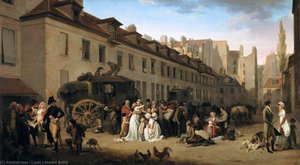
- メサジュリーの中庭に到着する郵便馬車 – 当時のパリの生活と交通の様子を鮮やかに描き出しています。
- 錯視への探求:ボイィは光学現象に魅了されていました。その象徴的な作品が『トロンプ・ルイユ』であり、三次元の物体であるかのように錯覚させるほど写実的なイメージを生み出す彼の技法を、この言葉自体が物語っています。
名声と遺産
- サロンでの成功:1804年、ボイプリはパリ・サロンにおいてメダルを授与され、熟練した芸術家としての地位を確固たるものにしました。
- 栄誉:1833年には、フランス美術への多大な貢献が認められ、レジオンドヌール勲章のシュヴァリエを受章しました。
- 家族の影響:彼の息子アルフォンス・ボイィもまた、プロの版画家として活躍し、ニューヨークのアシャー・ブラウン・デュランドのもとで修行を積みました。
- 歴史的意義:政治的な激動期にあったフランス中産階級の社会慣習、ファッション、そして日々の暮らしについて、ボイィの作品は極めて貴重な洞察を与えてくれます。彼はフランスで最も愛される肖像画家、そして風俗画家の一人として、今なお語り継がれています。
主な収蔵美術館
- リール・美術館:マラの勝利をはじめとする数々の作品を収蔵しています。
- ルーヴル美術館:ボイィの膨大な作品群の中から、厳選された名作を展示しています。
- ナショナル・ギャラリー(ワシントンD.C.):『自画像』、『絵画愛好家たち』、『「戴冠式」を鑑賞するルーヴル・サロンの観衆』など、複数の重要な作品を保有しています。
- ゲッティ美術館:ボイィの作品コレクションを収蔵しています。
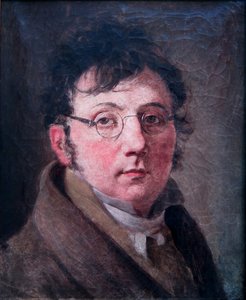
ルイ・レオポルド・ボイィ
1761 - 1845
基本情報
- Artistic Movement Or Style: 風俗画、肖像画
- Artists Who Influenced This Artist:
- ガブリエル・メッツ
- ウィレム・ファン・ミールス
- ヘラルト・テル・ボルホ
- Date Of Birth: 1761年7月5日
- Date Of Death: 1845年1月4日
- Full Name: ルイ・レオポルド・ボイリー
- Nationality: フランス
- Notable Artworks:
- 求婚者の贈り物
- マラーの勝利
- 郵便馬車の到着
- Place Of Birth: フランス、ラ・バセ
関連記事
The Revival of Antiquity: Exploring Ideals of Beauty & Power in Neoclassical Portraiture
Explore the captivating world of Neoclassical portraiture! Discover the power & ideals behind masterpieces by David, Girodet & more. Expert analysis, custom reproductions & art appraisal at ArtsDot.
Anne-Louis Girodet: Bridging Neoclassicism & Romanticism with Emotional Truth
Explore the captivating world of Anne-Louis Girodet, a pivotal figure bridging Neoclassicism & Romanticism. Discover his masterpieces and unique artistic vision with ArtsDot.
Jacques-Louis David: Neoclassical Ideals & Revolutionary Witness
Explore the life & art of Jacques-Louis David, leading Neoclassical painter of the French Revolution. Discover iconic works like 'The Death of Marat' and his lasting impact on art history. Expert analysis & high-quality reproductions at ArtsDot.
Charles-André van Loo: A Study in Rococo Portraiture & the French Court's Artistic Dynamics
Explore the elegant world of Charles-André van Loo, a master of Rococo portraiture at the French court. Discover his life, techniques, and enduring influence on 18th-century art. Hand-painted reproductions available.
Charles Le Brun: Master of French Baroque Classicism & His Enduring Legacy
Explore the life & art of Charles Le Brun, master of French Baroque Classicism. Discover his royal commissions, influence on Versailles, and enduring legacy through detailed analysis & stunning artworks.

