

 プレビュー
プレビュー
 プリントを購入
 シェアする
シェアする シェアする
シェアする
 詳細を見る
詳細を見る

 ダウンロード
 似ている作品
 X線調査
X線調査 スライドショー
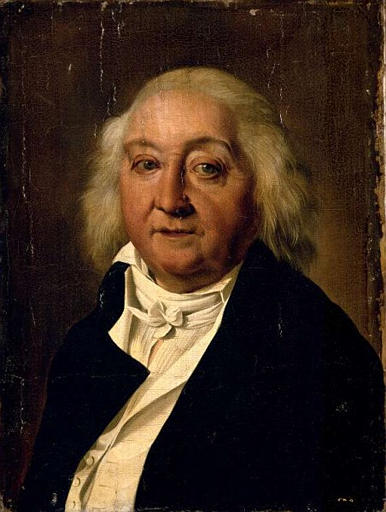
MONSIEUR HUBERT


 詳細を見る
詳細を見る
オンラインプレビューをはるかに凌ぐ、高解像度で鮮明なデジタル画像をご購入いただけます。
各ファイルは、社内の専門家が高度なツールと熟練した手作業によるレタッチを用いて、細心の注意を払って準備されています。すべての画像において、卓越した鮮明度、正確な色彩再現性、そして繊細なディテールを保証いたします。
最終ファイルは、プロフェッショナルな編集・印刷環境ですぐにご利用いただけるよう最適化された状態で、72時間以内にメールにてお届けいたします。これは、一流のデザインスタジオ、出版社、ギャラリーから信頼されているものと同等の品質です。
デジタル画像のご注文に付随する特典
高品質なデジタル画像配信を、確かな品質で。
ArtsDot.com を選ぶことは、単に画像を手に入れることではありません。それは、プロの手によって精密に仕上げられ、満足保証が付いた高品質なデジタルアートワークを受け取ることを意味します。ご注文いただいた際に自動的に付随する内容は、以下の通りです:

メールですぐにお届け
ご注文から72時間以内に、高解像度のデジタル画像ファイルがメールでお手元に届きます。すぐにそのままご利用いただけます。

AI技術で最適化されたデジタルファイル
お客様の作品は、高度なAIツールと専門家による手作業の編集を組み合わせてプロフェッショナルに最適化されており、細部のディテール、鮮明さ、そして正確な色再現性を最大限に引き出しています。

一生涯無料の再送サービス
ファイルを誤って削除したり、紛失してしまったりしましたか?ご安心ください。いつでも無料で再送いたします。

輸入手数料は一切かかりません
関税や手数料、配送料を気にすることなく、お気に入りのアートワークをすぐにお楽しみいただけます。デジタルダウンロードは常に免税です。

色彩再現の保証
プロ仕様のツールとカラーマネジメント技術を用いることで、デジタル画像が元の色を最大限に忠実に再現することを保証いたします。

60日間満足保証
ご購入いただいたデジタル画像にご満足いただけない場合は、60日以内であれば、修正または100%の返金(理由を問う必要はありません)をさせていただきます。

100% 返金保証
ご満足いただけない場合は、デジタルファイルを受け取ってから60日以内であれば、理由を問わず全額返金いたします。

まとめ買い割引
3枚購入で10%OFF - 5枚購入で15%OFF - 10枚以上購入で20%OFF。クリエイティブなプロジェクト、ギャラリー、エージェンシーに最適です。
作品の詳細
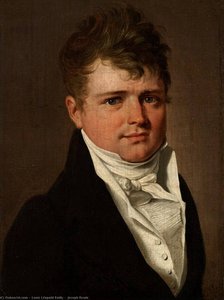
Monsieur Hubert: A Portrait of Parisian Elegance
Louis Léopold Boilly’s “Monsieur Hubert” stands as a quintessential example of Neoclassical portraiture, capturing the spirit of French society during the reign of Louis XVI and embodying an enduring fascination with idealized beauty and psychological depth. Painted in 1800-1825, this artwork transcends mere likeness; it's a meticulously crafted tableau that speaks volumes about its era and captivates viewers with subtle nuances of emotion and artistic mastery. ## The Portrait of Monsieur Hubert: A Window into Parisian Elegance The centerpiece of the composition is a portrait of Louis Léopold Boilly’s “Monsieur Hubert,” depicting an older gentleman dressed in formal attire—a testament to the refined tastes of 18th-century French society under Louis XVI. Boilly, renowned for his meticulous realism and ability to capture character, skillfully portrays his subject with subtle shading and delicate brushstrokes, reflecting the influence of Neoclassical painting principles. The artwork’s muted color palette—primarily whites, grays, and beige accented by touches of pink—creates a serene atmosphere that complements its timeless elegance. ## A Portrait Steeped in Parisian Society The painting depicts Monsieur Hubert, a gentleman of considerable standing within the French bourgeoisie during Louis XVI's reign and continuing into Napoleon III’s era. Boilly meticulously captured his likeness, prioritizing realism and conveying an impression of character—a hallmark of Neoclassical portraiture. The artwork exemplifies the artistic sensibilities of its time, reflecting a fascination with formal elegance and psychological depth. ## Subject Matter & Composition Monsieur Hubert is presented as a bust-length portrait against a dark brown background – a deliberate choice that maximizes visual impact and directs attention to the subject’s face. Boilly skillfully captures the sitter's gaze, conveying confidence and introspection. The pose is subtly angled to his right, adding dynamism without disrupting the overall stillness of the composition. This technique reflects the stylistic conventions of Neoclassical portraiture, prioritizing realism and psychological depth. ## A Window into Parisian Society: Monsieur Hubert Louis Léopold Boilly’s “Monsieur Hubert” (1800/1825) stands as a quintessential emblem of French artistic achievement during the Napoleonic era—a period marked by burgeoning bourgeois society and an unwavering fascination with portraiture. More than just a likeness, this painting delves into the complexities of human character, capturing not merely appearance but also subtle expressions that convey dignity and introspection. Commissioned by Mme Charles Napoléon Arnault in 1800-1825 during Louis XVI’s reign, Monsieur Hubert embodies the spirit of the École française—a movement prioritizing realism and psychological depth within portraiture. ## The Portrait's Essence: Capturing Dignity and Lineage Louis Léopold Boilly’s “Monsieur Hubert” isn’t merely a likeness; it’s an astute observation of human character rendered with meticulous detail. Executed in 1800-1825 during the Napoleonic era, this painting exemplifies the École de Fontainebleau style—characterized by refined elegance and a focus on capturing psychological nuance alongside realistic representation. It portrays Monsieur Hubert, a gentleman of considerable social standing, seated formally against a dark backdrop that amplifies the figure’s presence. ## Composition & Technique: A Masterclass in Realism Boilly's meticulous approach to painting is immediately apparent. He employs oil paints on canvas with painstaking detail—a technique favored during the Neoclassical period—resulting in a surface texture that captures subtle nuances of light and shadow. The artist’s brushstrokes are blended seamlessly, creating an illusion of depth and contributing to the overall impression of realism. Notice how Boilly skillfully renders the folds of Hubert's jacket and the delicate contours of his face – meticulous attention to detail is characteristic of Neoclassical portraiture. ## Monsieur Hubert: A Window into Parisian Society Louis Léopold Boilly’s “Monsieur Hubert” stands as a quintessential emblem of French artistic achievement during the early Romantic era, specifically between 1800 and 1825. Painted shortly after Napoleon's reign concluded, this portrait encapsulates the spirit of bourgeois society—refined taste, intellectual curiosity, and an appreciation for elegance—values deeply rooted in Parisian culture at that time. The artwork’s provenance traces back to a generous bequest from Mme Charles Napoléon Arnault in 1904, solidifying its place within the Louvre's esteemed collection and ensuring its enduring legacy as a masterpiece of French Romanticism.A Window into Victorian Society
“Monsieur Hubert,” painted by Louis Léopold Boilly between 1800 and 1825 during the reign of Napoleon III, offers a glimpse into the opulent social landscape of Paris at the turn of the century. It captures a portrait of a gentleman—likely a member of the bourgeoisie—dressed in formal attire against a dark background, reflecting the refined tastes and conventions of the era. Boilly’s meticulous attention to detail exemplifies the Neoclassical style prevalent during Louis XVI and Napoleon III reigns, prioritizing realism and capturing individual likenesses with precision. ## The Artist's Vision: Louis Léopold Boilly (1761-1845) Louis Léopold Boilly stands as a pivotal figure in French Romanticism’s formative years, marking the transition from aristocratic grandeur to burgeoning bourgeois sensibilities. Born in La Bassée, Nord, he defied convention by largely self-educating himself—a rare feat for his time—and establishing a distinctive artistic path rooted in meticulous observation and masterful execution. Unlike many of his contemporaries who embraced grand Romantic ideals, Boilly focused on capturing the nuances of everyday life within Parisian society during the reign of Louis XVI and Napoleon III, cementing his legacy as one of the foremost portraitists of his era. ## Monsieur Hubert: A Window into Bourgeois Dignity Louis Léopold Boilly’s “Monsieur Hubert,” completed in 1805, stands as a quintessential example of Neoclassical portraiture—a genre that sought to recapture the grandeur and moral seriousness of antiquity while reflecting the values of the Enlightenment. The painting depicts an elderly gentleman, identified only by his first name, gazing directly at the viewer with unwavering composure. This gaze is central to understanding Boilly’s intention: he wasn't merely capturing a likeness; he was conveying dignity and inner strength—qualities considered paramount in aristocratic society during the Napoleonic era. ## The Portrait of Monsieur Hubert: A Window into Parisian Society Louis Léopold Boilly’s “Monsieur Hubert” stands as an exemplary illustration of Neoclassical portraiture, encapsulating the spirit of its time – a period marked by refined taste and meticulous observation within the burgeoning bourgeois class of Paris. Painted circa 1800-1825, this artwork transcends mere likeness; it's a window into the social milieu and artistic sensibilities of Napoleon III’s reign.A Portrait Steeped in Parisian Elegance
The subject is Monsieur Hubert, a gentleman whose aristocratic lineage—descendants of the influential Arnault family—is subtly alluded to through familial connections depicted within the composition. Boilly meticulously captures his dignified posture and gaze, reflecting the prevailing ideals of portraiture during the Romantic era. The artist’s masterful use of oil paint on canvas achieves remarkable realism and luminosity, mirroring the artistic trends of the time. ## A Window into Parisian Society: Monsieur Hubert Louis Léopold Boilly's "Monsieur Hubert," painted circa 1800-1825 during Louis XVI’s reign and continuing into Napoleon III’s era, offers a captivating glimpse into the refined social circles of Paris at the turn of the century. This portrait transcends mere likeness; it embodies the spirit of Neoclassical elegance and meticulous observation—a hallmark of Boilly's artistic vision. ## Subject Matter & Context: A Snapshot of Parisian Society Monsieur Hubert, painted in 1800-1825 during Louis XVIII’s reign, depicts a gentleman of considerable standing – Cousin des Le Duc – reflecting the refined tastes and social dynamics prevalent in Paris at the time. Boilly skillfully captures not just physical likeness but also an aura of aristocratic composure, embodying the ideals of Enlightenment rationality and artistic patronage characteristic of the era. The painting's muted palette—dominated by creams, browns, and subtle pinks—creates a harmonious atmosphere that invites contemplation. ## Composition and Technique: A Masterclass in Realism Louis Léopold Boilly’s “Monsieur Hubert” exemplifies Neoclassical portraiture at its finest, prioritizing meticulous detail and capturing the sitter's likeness with remarkable accuracy. Boilly employed oil paints on canvas—a technique favored during his time—allowing for subtle gradations of color and tonal variation. The artist skillfully blended brushstrokes to achieve a smooth surface finish, emphasizing realism while maintaining an elegant aesthetic. ## Subject Matter and Context: Monsieur Hubert – A Portrait of Parisian Society Louis Léopold Boilly’s “Monsieur Hubert” captures a quintessential moment in French aristocratic life during the Napoleonic era (circa 1800-1825). Painted shortly after Napoleon's ascension to power, this portrait exemplifies the École de peinture réaliste—a movement that championed truthful representation of everyday subjects and individuals. The sitter is identified as Hubert Lefèvre, a prominent figure in Parisian society, reflecting the artistic preoccupation with documenting the lives of influential men during the Napoleonic era. Boilly skillfully captured Lefèvre's dignified countenance and subtle expressions, conveying an aura of intelligence and composure—traits valued within the aristocratic circles of his time.関連作品
作家の略歴
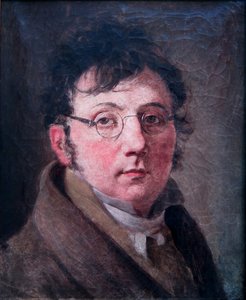
ルイ・レオポルド・ボイィ:肖像画とパリ社会に刻まれた生涯
- 生年月日:1761年7月5日、フランス、ラ・バセ
- 没年月日:1845年1月4日、フランス、パリ
幼少期と芸術的成長
- ボイィの芸術への旅路は非常に早い時期に始まりました。わずか12歳にしてすでに作品を制作していたのです。独学に近い形で研鑽を積んだ彼は、ドミニク・ドンクルルのもとでトロンプ・ルイユ(だまし絵)の技法を学び、その基礎を築きました。
- 1774年にはドゥエーのアウグスチノ会によってその才能を見出され、アラスの司教から招待を受けるという転機を迎えました。この時期、彼は300点を超える小規模な肖像画を描き上げました。
- 初期の作品には、愛の情景や道徳的な主題が多く見られ、人物の容貌や細部を捉える卓越した技術が、この頃からすでに芽生えていました。
芸術的スタイルと代表作
- スタイル:ボイィの画風は、緻密なディテール、繊細な色彩、そしてフランスの中産階級の日常生活を描き出すことに焦点を当てているのが特徴です。彼は肖像画と風俗画を巧みに融合させました。
- 変遷:1794年以降、彼の構図はより密度を増していき、それは活気あふれるパリの社交界の様子を反映したものでした。その肖像画は広く称賛を集め、生涯を通じて5,000点を超える作品を残しました。
- 主な作品:
- 求婚者の贈り物 – 愛のテーマと緻密な描写が光る初期の傑作です。
- マラの勝利 – 恐怖政治の時代、非難を避けるために制作された愛国的な作品です。
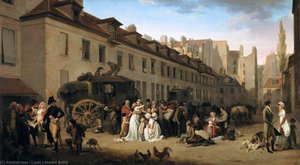
- メサジュリーの中庭に到着する郵便馬車 – 当時のパリの生活と交通の様子を鮮やかに描き出しています。
- 錯視への探求:ボイィは光学現象に魅了されていました。その象徴的な作品が『トロンプ・ルイユ』であり、三次元の物体であるかのように錯覚させるほど写実的なイメージを生み出す彼の技法を、この言葉自体が物語っています。
名声と遺産
- サロンでの成功:1804年、ボイプリはパリ・サロンにおいてメダルを授与され、熟練した芸術家としての地位を確固たるものにしました。
- 栄誉:1833年には、フランス美術への多大な貢献が認められ、レジオンドヌール勲章のシュヴァリエを受章しました。
- 家族の影響:彼の息子アルフォンス・ボイィもまた、プロの版画家として活躍し、ニューヨークのアシャー・ブラウン・デュランドのもとで修行を積みました。
- 歴史的意義:政治的な激動期にあったフランス中産階級の社会慣習、ファッション、そして日々の暮らしについて、ボイィの作品は極めて貴重な洞察を与えてくれます。彼はフランスで最も愛される肖像画家、そして風俗画家の一人として、今なお語り継がれています。
主な収蔵美術館
- リール・美術館:マラの勝利をはじめとする数々の作品を収蔵しています。
- ルーヴル美術館:ボイィの膨大な作品群の中から、厳選された名作を展示しています。
- ナショナル・ギャラリー(ワシントンD.C.):『自画像』、『絵画愛好家たち』、『「戴冠式」を鑑賞するルーヴル・サロンの観衆』など、複数の重要な作品を保有しています。
- ゲッティ美術館:ボイィの作品コレクションを収蔵しています。
ルイ・レオポルド・ボイィ
1761 - 1845
プロフィール概要
- Artistic Movement Or Style: 風俗画、肖像画
- Artists Who Influenced This Artist:
- ガブリエル・メッツ
- ウィレム・ファン・ミールス
- ヘラルト・テル・ボルホ
- Date Of Birth: 1761年7月5日
- Date Of Death: 1845年1月4日
- Full Name: ルイ・レオポルド・ボイリー
- Nationality: フランス
- Notable Artworks:
- 求婚者の贈り物
- マラーの勝利
- 郵便馬車の到着
- Place Of Birth: フランス、ラ・バセ

