 プレビュー
プレビュー
 シェアする
シェアする シェアする
シェアする
 詳細を見る
詳細を見る

 ダウンロード
 似ている作品
 X線調査
X線調査 スライドショー
Scène de cabaret


 詳細を見る
詳細を見る
ジークレー/アートプリント
迅速な制作と多彩な仕上げオプションを備えた、ミュージアムクオリティのジークレーまたはキャンバスプリント。 ( 手描きの絵画を購入 画像を購入)




P118B $10

P118H $10

P118W $10

P438Z $10

P508JH $12

P508YH $12

P805H $10

P805Z $10

P919BZ $10

P919G $10

P919XJ $10

P959ZH $10

P968JZ $12

W106C $8

W218G $10

W218JH $8

W218Y $10

W307PJ $10

W316G $10

W316PJ $8

W316Y $10

W398PJ $8

W4111J $10

W500HY $15

W500JH $15

W692G $12

W849H $8

W940BG $15

W953PJ $8




作品のオリジナル比率に合わせた、当店の規定サイズからお選びください。

特定のフレームやスペースに合わせて、ご自身でサイズを指定することも可能です。選択されたサイズが元の画像の比率と一致しない場合、作品をトリミングするか、鏡面反射または単色での塗りつぶしによって画像を拡張いたします。制作を開始する前に、ご確認用のデジタルモックアップをお送りいたします。
画面上のプレビューには、実際のトリミングや拡張は反映されませんのでご注意ください。最終的な構図を正確に確認できるのは、モックアップのみとなります。
カスタムサイズも承っておりますが、元の比率を維持するためには、あらかじめ用意されたリストからサイズを選択することをお勧めいたします。


 ガラスオプションは、110cm未満のサイズでのみご利用いただけます。

Scène de cabaret
ジークレー/アートプリント
複製画のサイズ
-


合計金額
$ 62
A Window into Parisian Vibrancy
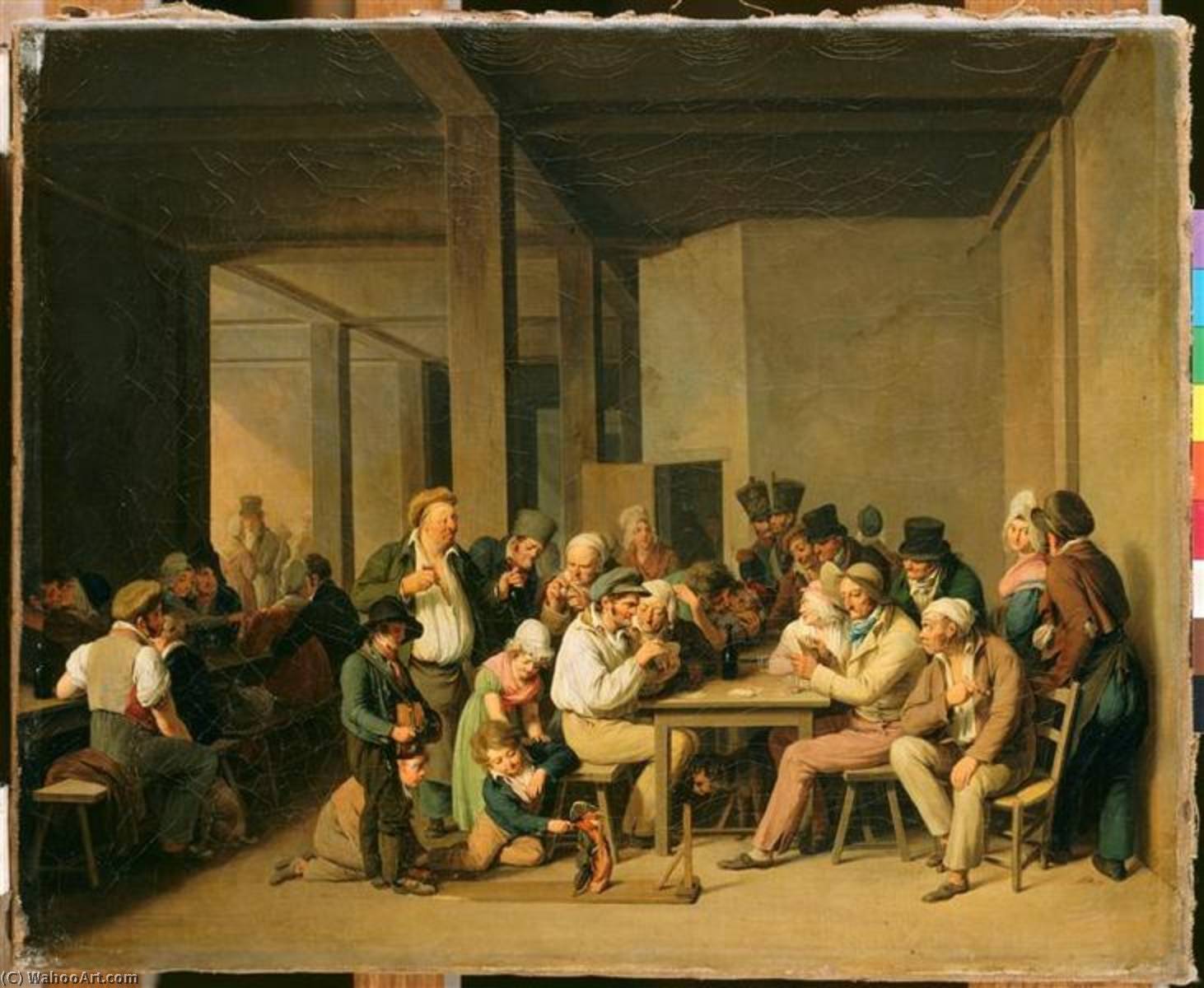
In the heart of early 19th-century Paris, amidst the shifting political tides between the reign of Louis XVI and the rise of Napoleon Bonaparte, there existed a world of shared laughter, whispered secrets, and communal revelry. Louis Léopold Boilly’s “Scène de cabaret” serves as a masterful time capsule, capturing this ephemeral energy with the precision of a photographer and the soul of a poet. The painting invites us into a bustling tavern, where the boundaries between social classes seem to blur under the warmth of shared companionship. As we gaze upon the crowded composition, we are not merely observers of a distant historical moment; we are participants in a lively gathering, drawn into the rhythmic pulse of a society finding joy in the simple act of togetherness.
The subject matter is a quintessential example of genre painting, focusing on the unvarnished beauty of everyday life. Boilly meticulously populates the cabaret with figures engaged in the timeless rituals of socialization—sipping wine, leaning into intimate conversations, and navigating the lively movement of a public space. This microcosm of bourgeois society offers a profound sense of intimacy, making it an ideal centerpiece for those looking to bring a sense of lived-in history and warmth to a sophisticated interior.
Mastery of Realism and Texture
Technically, “Scène de cabaret” is a triumph of the École de peinture française Realism. Boilly’s approach eschews the idealized grandeur of Romanticism in favor of an unflinching, tactile accuracy. Through the careful layering of oil paints on canvas, he achieves a remarkable textural depth that rewards close inspection. One can almost feel the rough weave of a woolen waistcoat, the cool smoothness of a polished wooden table, and the delicate crispness of white linen collars. This commitment to detail is supported by a sophisticated use of linear perspective, which guides the viewer’s eye through the dense crowd, creating an immersive sense of three-dimensional space.
The color palette is intentionally restrained, relying on a harmonious arrangement of muted earth tones—rich browns, soft beiges, creamy whites, and subtle grays. This sophisticated, neutral scheme allows the nuances of light and shadow to take center stage. The lighting within the scene feels natural and diffused, as if filtered through a high tavern window, casting a gentle glow that avoids harsh shadows and instead bathes the subjects in an even, inviting light. For the discerning collector or interior designer, this balanced palette offers incredible versatility, complementing both classical and contemporary decor with its understated elegance.
The Soul of the Scene
Beyond its technical brilliance, the painting resonates with a deep emotional intelligence. There is a palpable sense of conviviality—a celebration of the human spirit that remains universally relatable across centuries. The composition, while crowded, maintains a sense of stability through its horizontal format, yet it vibrates with an underlying dynamism. Every figure contributes to a larger narrative of connection and shared experience, making the artwork feel less like a static image and more like a captured breath of life.
To possess a reproduction of this work is to bring more than just paint and canvas into a home; it is to invite an atmosphere of cultured nostalgia and spirited warmth. Whether placed in a grand library or a cozy dining nook, “Scène de cabaret” acts as a conversation starter, evoking the charm of old Paris and the enduring beauty of the human connection. It remains a timeless tribute to the art of living well.
関連作品

アーティストの略歴
ルイ・レオポルド・ボイィ:肖像画とパリ社会に刻まれた生涯
- 生年月日:1761年7月5日、フランス、ラ・バセ
- 没年月日:1845年1月4日、フランス、パリ
幼少期と芸術的成長
- ボイィの芸術への旅路は非常に早い時期に始まりました。わずか12歳にしてすでに作品を制作していたのです。独学に近い形で研鑽を積んだ彼は、ドミニク・ドンクルルのもとでトロンプ・ルイユ(だまし絵)の技法を学び、その基礎を築きました。
- 1774年にはドゥエーのアウグスチノ会によってその才能を見出され、アラスの司教から招待を受けるという転機を迎えました。この時期、彼は300点を超える小規模な肖像画を描き上げました。
- 初期の作品には、愛の情景や道徳的な主題が多く見られ、人物の容貌や細部を捉える卓越した技術が、この頃からすでに芽生えていました。
芸術的スタイルと代表作
- スタイル:ボイィの画風は、緻密なディテール、繊細な色彩、そしてフランスの中産階級の日常生活を描き出すことに焦点を当てているのが特徴です。彼は肖像画と風俗画を巧みに融合させました。
- 変遷:1794年以降、彼の構図はより密度を増していき、それは活気あふれるパリの社交界の様子を反映したものでした。その肖像画は広く称賛を集め、生涯を通じて5,000点を超える作品を残しました。
- 主な作品:
- 求婚者の贈り物 – 愛のテーマと緻密な描写が光る初期の傑作です。
- マラの勝利 – 恐怖政治の時代、非難を避けるために制作された愛国的な作品です。
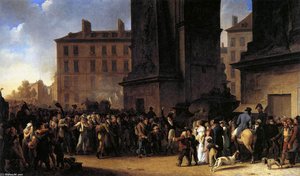
- メサジュリーの中庭に到着する郵便馬車 – 当時のパリの生活と交通の様子を鮮やかに描き出しています。
- 錯視への探求:ボイィは光学現象に魅了されていました。その象徴的な作品が『トロンプ・ルイユ』であり、三次元の物体であるかのように錯覚させるほど写実的なイメージを生み出す彼の技法を、この言葉自体が物語っています。
名声と遺産
- サロンでの成功:1804年、ボイプリはパリ・サロンにおいてメダルを授与され、熟練した芸術家としての地位を確固たるものにしました。
- 栄誉:1833年には、フランス美術への多大な貢献が認められ、レジオンドヌール勲章のシュヴァリエを受章しました。
- 家族の影響:彼の息子アルフォンス・ボイィもまた、プロの版画家として活躍し、ニューヨークのアシャー・ブラウン・デュランドのもとで修行を積みました。
- 歴史的意義:政治的な激動期にあったフランス中産階級の社会慣習、ファッション、そして日々の暮らしについて、ボイィの作品は極めて貴重な洞察を与えてくれます。彼はフランスで最も愛される肖像画家、そして風俗画家の一人として、今なお語り継がれています。
主な収蔵美術館
- リール・美術館:マラの勝利をはじめとする数々の作品を収蔵しています。
- ルーヴル美術館:ボイィの膨大な作品群の中から、厳選された名作を展示しています。
- ナショナル・ギャラリー(ワシントンD.C.):『自画像』、『絵画愛好家たち』、『「戴冠式」を鑑賞するルーヴル・サロンの観衆』など、複数の重要な作品を保有しています。
- ゲッティ美術館:ボイィの作品コレクションを収蔵しています。
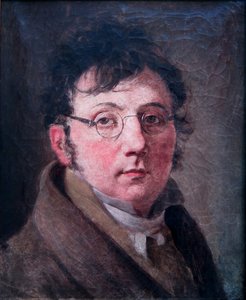
ルイ・レオポルド・ボイィ
1761 - 1845
基本情報
- Artistic Movement Or Style: 風俗画、肖像画
- Artists Who Influenced This Artist:
- ガブリエル・メッツ
- ウィレム・ファン・ミールス
- ヘラルト・テル・ボルホ
- Date Of Birth: 1761年7月5日
- Date Of Death: 1845年1月4日
- Full Name: ルイ・レオポルド・ボイリー
- Nationality: フランス
- Notable Artworks:
- 求婚者の贈り物
- マラーの勝利
- 郵便馬車の到着
- Place Of Birth: フランス、ラ・バセ
関連記事
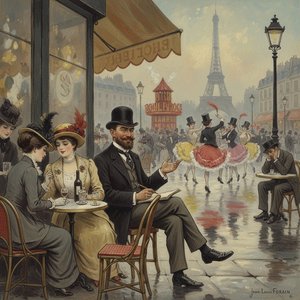
Jean-Louis Forain: Capturing Parisian Life with Wit & Realism
Explore the captivating world of Jean-Louis Forain, a master Impressionist chronicler of Belle Époque Paris. Discover his satirical paintings, realistic scenes & lasting legacy. Learn about collecting Forain's art today!
Romantic Realism's Finest: 10 Masterpieces for Your Home | ArtsDot
Explore 10 defining masterpieces of Romantic Realism! Discover Courbet, Millet & Daumier's powerful paintings—capturing emotion and social realities. Find museum-quality reproductions for your home at ArtsDot.com.
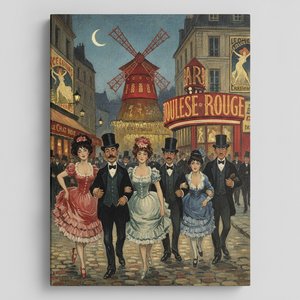
25 Iconic Masterpieces by Henri de Toulouse-Lautrec: The Soul of Montmartre
Step into the vibrant nightlife of Montmartre with our curated guide to the top 25 Henri de Toulouse-Lautrec masterpieces. Explore the soul of Post-Impressionism through iconic posters and paintings. Find museum-quality reproductions for your decor at ArtsDot.com. Explore the full collection online.
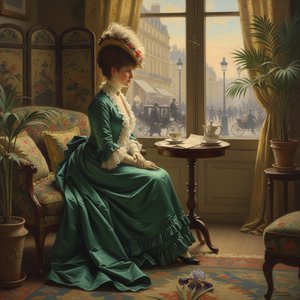
Alfred Stevens: Capturing Parisian Life with Intimate Realism & Symbolist Flair
Explore the captivating world of Alfred Stevens, a pioneer of intimate realism & Symbolist painting. Discover his elegant portraits of Parisian women and learn about his Dutch influences & lasting legacy. Art history insights at ArtsDot.
The Poetic Truth of Observation: Exploring 19th-Century Realism in Painting
Explore the captivating world of 19th-century Realism! Discover key artists like Courbet & Millet, masterpieces, and the powerful social commentary behind this influential art movement. Expert insights at ArtsDot.