

 プレビュー
プレビュー
 シェアする
シェアする シェアする
シェアする
 詳細を見る
詳細を見る

 ダウンロード
 似ている作品
 X線調査
X線調査 スライドショー
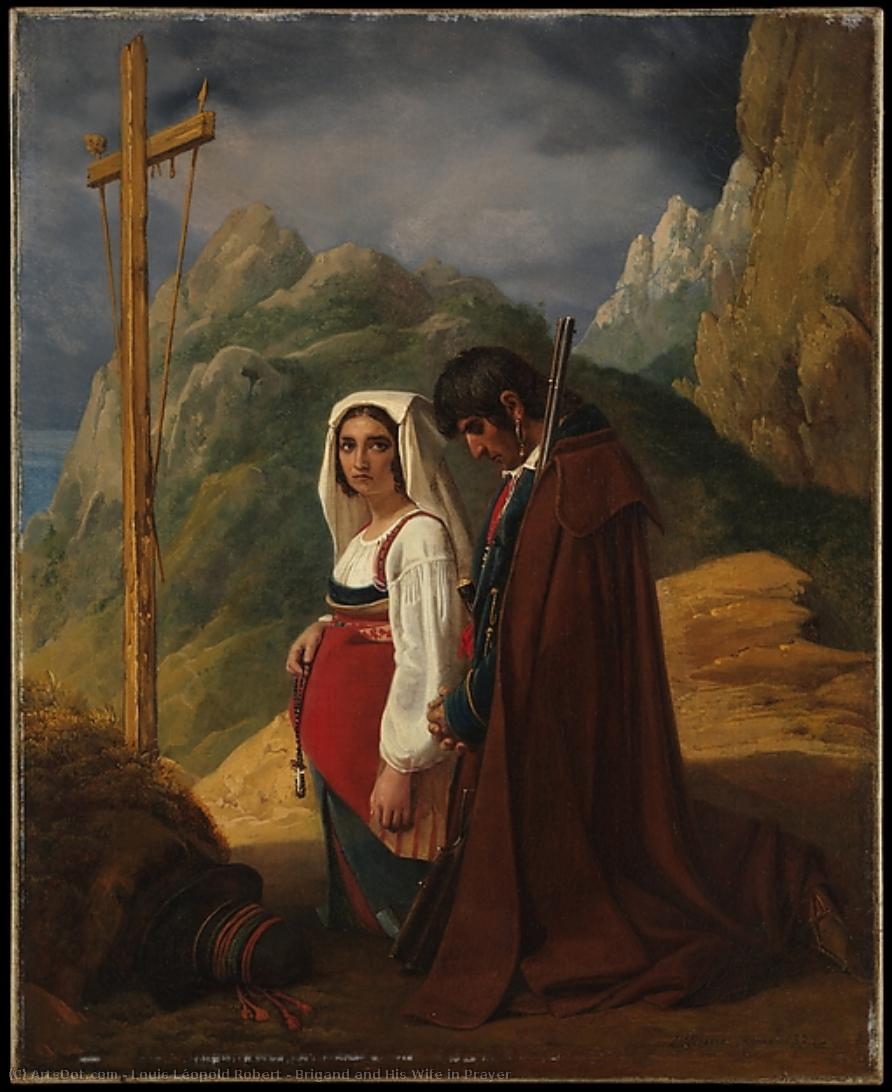
Brigand and His Wife in Prayer
 Oil On Canvas
- WallArt
- Romanticism
 1824
1824 45.0 x 37.0 cm
 メトロポリタン美術館
 詳細を見る
詳細を見る
ジークレー/アートプリント
迅速な制作と多彩な仕上げオプションを備えた、ミュージアムクオリティのジークレーまたはキャンバスプリント。 ( 手描きの絵画を購入 画像を購入)




P118B $10

P118H $10

P118W $10

P438Z $10

P508JH $12

P508YH $12

P805H $10

P805Z $10

P919BZ $10

P919G $10

P919XJ $10

P959ZH $10

P968JZ $12

W106C $8

W218G $10

W218JH $8

W218Y $10

W307PJ $10

W316G $10

W316PJ $8

W316Y $10

W398PJ $8

W4111J $10

W500HY $15

W500JH $15

W692G $12

W849H $8

W940BG $15

W953PJ $8




作品のオリジナル比率に合わせた、当店の規定サイズからお選びください。

特定のフレームやスペースに合わせて、ご自身でサイズを指定することも可能です。選択されたサイズが元の画像の比率と一致しない場合、作品をトリミングするか、鏡面反射または単色での塗りつぶしによって画像を拡張いたします。制作を開始する前に、ご確認用のデジタルモックアップをお送りいたします。
画面上のプレビューには、実際のトリミングや拡張は反映されませんのでご注意ください。最終的な構図を正確に確認できるのは、モックアップのみとなります。
カスタムサイズも承っておりますが、元の比率を維持するためには、あらかじめ用意されたリストからサイズを選択することをお勧めいたします。


 ガラスオプションは、110cm未満のサイズでのみご利用いただけます。

Brigand and His Wife in Prayer
ジークレー/アートプリント
複製画のサイズ
-


合計金額
$ 62
作品詳細説明
A Mountain’s Lament: Robert's "Brigand and His Wife in Prayer"
Louis Léopold Robert’s “Brigand and His Wife in Prayer,” painted in 1824, isn’t merely a depiction of two figures kneeling before a weathered cross; it’s a poignant meditation on faith, hardship, and the enduring spirit of humanity amidst the rugged beauty of Italy. Born in Switzerland but deeply influenced by his time in Rome – a hub for artistic innovation during this period – Robert masterfully blended Romanticism with elements of Neoclassicism, creating an image that resonates with both dramatic intensity and quiet dignity.
The scene unfolds within the stark landscape of central Italy, a region scarred by centuries of banditry and political upheaval. Robert doesn’t shy away from portraying the reality of these outlaws; the brigand, clad in worn leather and sporting a musket, embodies a life lived on the fringes of society. Yet, alongside him kneels his pregnant wife, her face etched with a profound sorrow that speaks volumes about their circumstances. The simplicity of their attire – a roughspun shirt for the husband, a humble peasant dress for the wife – underscores their vulnerability and reinforces the painting’s core theme: a desperate plea for solace and protection.
The Language of Light and Shadow
Robert's technical skill is immediately apparent in his masterful use of light and shadow. The composition is dominated by a muted palette of blues, greens, and browns, reflecting the somber mood of the scene. A dramatic storm gathers on the horizon, casting long, ominous shadows that stretch across the mountainside, intensifying the sense of isolation and vulnerability. However, a subtle shaft of light breaks through the clouds, illuminating the couple and their makeshift shrine – a small wooden cross placed strategically along a remote road. This interplay of light and darkness isn’t simply aesthetic; it symbolizes hope amidst despair, suggesting that even in the darkest moments, faith can offer a glimmer of solace.
The artist's brushwork is remarkably detailed, particularly evident in the rendering of the rugged terrain and the textures of the figures’ clothing. Robert employs a technique known as “alla prima,” working directly onto the canvas without extensive underpainting, resulting in a sense of immediacy and spontaneity. He builds up layers of paint to create rich, tactile surfaces, capturing not just the appearance but also the essence of the scene – the rough feel of the stone, the worn leather of the brigand’s garments, the delicate folds of the wife's dress.
Symbolism and Historical Context
“Brigand and His Wife in Prayer” is deeply rooted in the historical context of 19th-century Italy. The era was marked by political instability, social unrest, and a growing fascination with the lives of outlaws – figures often romanticized as symbols of resistance against oppressive authority. Robert’s choice to depict this particular scene—a grieving couple seeking divine intervention—reflects a broader trend in Romantic art: an exploration of intense emotions, individual experience, and the sublime power of nature.
The cross itself is laden with symbolism. It represents sacrifice, redemption, and the promise of salvation. By placing it within this desolate landscape, Robert suggests that faith offers a pathway to transcendence—a way to find meaning and purpose in a world often characterized by hardship and uncertainty. The pregnant wife’s pose further amplifies this theme, hinting at the hope for future generations amidst present suffering.
A Timeless Reflection
“Brigand and His Wife in Prayer” is more than just a historical painting; it's a universal meditation on human resilience, faith, and the enduring power of love. Robert’s masterful composition, evocative use of light and shadow, and poignant portrayal of two figures seeking solace before a simple cross create an image that continues to resonate with viewers today. It serves as a powerful reminder that even in the face of adversity, hope—and perhaps divine grace—can be found in the most unexpected places.
関連作品
関連記事

ロマン派ランドスケープ:時代を彩る巨匠の10選|アートとインテリアの世界
ロマン派絵画の時代を彩る10選。巨匠たちの風景が織りなす感動の世界へ。ターナー、ルーベンスなど、名作の裏話と高精細複製でアートをお部屋に。ArtsDot.comで至福のアート体験を。
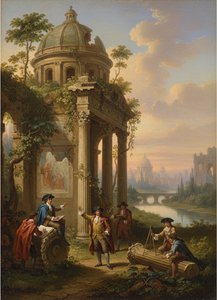
Hubert Robert: Picturing Ruins, Preserving Memory – A Study of Romantic Antiquarianism & Artistic Innovation
Explore the captivating world of Hubert Robert, master of Romantic landscape painting & 'capriccio' ruins. Discover his historical context, artistic innovations, and collecting insights with ArtsDot.

Evocations of Place: A Historical Journey Through Landscape Art
Explore the rich history of landscape art with ArtsDot. Discover renowned artists, movements like Impressionism & Romanticism, and expert guidance for collecting timeless pieces. Find your perfect serene escape today!
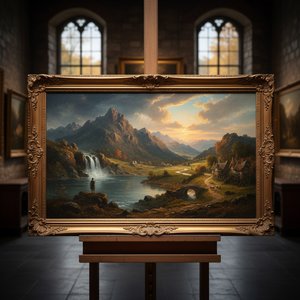
The Sublime and the Picturesque: Exploring Emotion & Nature in Romantic Landscape Painting
Explore the emotional power of Romantic landscape painting! Discover the sublime & picturesque traditions, key artists like Friedrich & Cole, and find your perfect artwork at ArtsDot.

ジョン・コンスタブルの傑作25選:英国風景画の巨匠が描く自然と光の詩 | ArtsDot
ジョン・コンスタブルの傑作25選。英国風景画の巨匠が描く自然と光の詩の世界へ。ロマン主義を代表する絵画、デダム・ヴェールやヘイ・ウェインなど、ArtsDotで高品質なアートプリントをお楽しみください。インテリアに深みと感動を。コレクションはこちら。

