

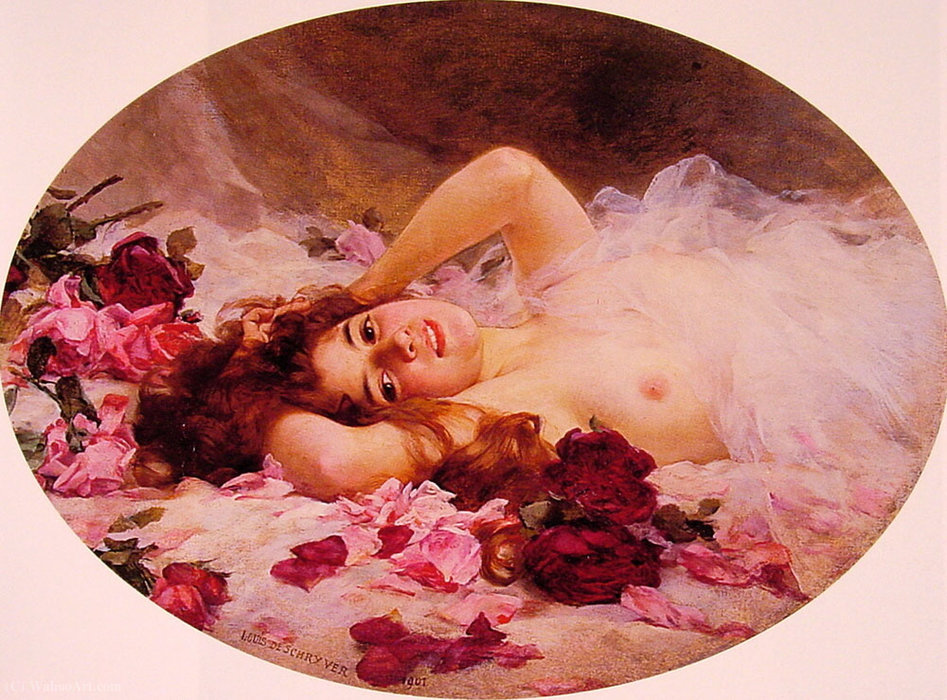
 プレビュー
プレビュー
 シェアする
シェアする シェアする
シェアする
 詳細を見る
詳細を見る

 ダウンロード
 似ている作品
 X線調査
X線調査 スライドショー
Beauty amid rose petals
 詳細を見る
詳細を見る
ジークレー/アートプリント
迅速な制作と多彩な仕上げオプションを備えた、ミュージアムクオリティのジークレーまたはキャンバスプリント。 ( 手描きの絵画を購入 画像を購入)




































作品のオリジナル比率に合わせた、当店の規定サイズからお選びください。

特定のフレームやスペースに合わせて、ご自身でサイズを指定することも可能です。選択されたサイズが元の画像の比率と一致しない場合、作品をトリミングするか、鏡面反射または単色での塗りつぶしによって画像を拡張いたします。制作を開始する前に、ご確認用のデジタルモックアップをお送りいたします。
画面上のプレビューには、実際のトリミングや拡張は反映されませんのでご注意ください。最終的な構図を正確に確認できるのは、モックアップのみとなります。
カスタムサイズも承っておりますが、元の比率を維持するためには、あらかじめ用意されたリストからサイズを選択することをお勧めいたします。


 ガラスオプションは、110cm未満のサイズでのみご利用いただけます。

Beauty amid rose petals
ジークレー/アートプリント
複製画のサイズ
-


合計金額
$ 62
関連作品
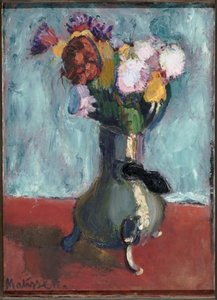
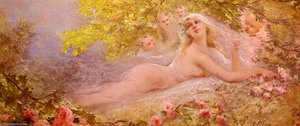
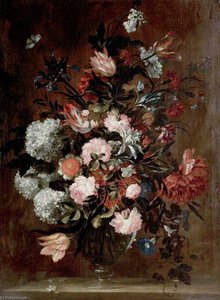
アーティストの略歴
A Glimpse into a Parisian Dream – The Life and Art of Louis Marie de Schryver
The Belle Époque, that shimmering era between 1871 and 1914, witnessed an explosion of artistic creativity in Paris. Amidst the grand boulevards, bustling cafes, and fashionable society, a particular painter captured the essence of this vibrant period: Louis Marie de Schryver. Born into a wealthy Parisian family, de Schryver’s early life was steeped in privilege and exposure to the city's cultural heart, an environment that profoundly shaped his artistic vision. His father, a journalist with a keen eye for art, nurtured young Louis’s nascent talent, providing him with a foundation upon which he would build a remarkable career.
De Schryver’s artistic journey wasn’t one of formal academic training; instead, it was forged through observation and mentorship. He began his artistic pursuits at the tender age of twelve, exhibiting his first works at the prestigious Paris Salon in 1876 – a remarkable achievement for such a young artist. Influenced by the established academic style prevalent during that time, his early paintings showcased a meticulous attention to detail and a commitment to realism. However, it was through interactions with prominent artists like Philippe Rousseau and Gabriel Ferrier that he developed his distinctive approach, one characterized by an intuitive understanding of light, color, and composition.
The Canvas of Parisian Life: Themes and Techniques
De Schryver’s artistic focus centered almost exclusively on the streets and people of Paris. He wasn't interested in grand historical narratives or mythological scenes; instead, he meticulously documented the everyday life of the city – flower markets teeming with activity, elegant carriages gliding along the boulevards, street vendors hawking their wares, and fashionable Parisians going about their daily routines. These weren’t simply snapshots; they were carefully constructed compositions imbued with a sense of atmosphere and emotion.
- Flower Markets: De Schryver's most celebrated subjects were undoubtedly the vibrant flower markets that dotted the city. He masterfully captured the textures, colors, and energy of these bustling marketplaces, often depicting them bathed in the soft glow of morning or evening light.
- Elegant Portraits: Alongside his street scenes, de Schryver painted numerous portraits of Parisian women – a testament to his skill in capturing the elegance and sophistication of the Belle Époque elite. These portraits are notable for their intricate details, particularly in rendering fabrics, lace, and floral embellishments.
- Urban Landscapes: De Schryver’s paintings of urban settings offer a fascinating glimpse into the architecture, social dynamics, and atmosphere of Paris during this period. He skillfully depicted the city's iconic landmarks alongside its more humble streets and alleyways.
A key element of de Schryver’s technique was his masterful handling of light. He employed a subtle yet effective use of chiaroscuro – the contrast between light and shadow – to create depth, drama, and atmosphere in his paintings. His compositions were often dynamic, featuring multiple figures arranged within carefully considered spaces, drawing the viewer into the scene.
Recognition and Legacy: A Parisian Chronicler
Throughout his career, de Schryver exhibited regularly at the Paris Salon, earning numerous accolades and recognition for his work. He received a Bronze Medal at the 1890 Salon, followed by honorable mentions in subsequent years. His paintings were also showcased abroad, including at the Universal Exposition in Sydney in 1879, where he was made an honorary member of the Canadian Society of Arts. In 1896, he received a 3rd Class Medal at the Paris Salon.
Notably, de Schryver’s work achieved significant commercial success during his lifetime. His painting “Rue Royale, Paris” sold for an impressive $662,500 at Christie's in 2012, demonstrating the enduring value and appeal of his art. Today, his paintings are housed in museums across France and beyond, offering a valuable window into the sights, sounds, and spirit of Parisian life during the Belle Époque.
A Lasting Impression: De Schryver’s Influence
Louis Marie de Schryver's legacy extends far beyond his individual works. He stands as one of the most prominent chroniclers of Paris life during the Belle Époque, capturing not only the physical appearance of the city but also its social atmosphere and cultural dynamics. His paintings provide a rich tapestry of images that transport viewers back in time to a period of unprecedented artistic creativity and social change. His work continues to be studied and admired for its beauty, technical skill, and insightful portrayal of Parisian life.
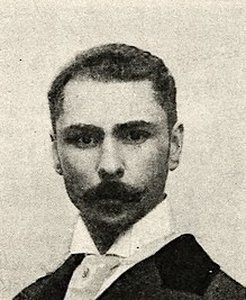
louis marie de schryver
1862 - 1942
基本情報
- Artistic Movement Or Style: Belle Époque
- Artists Who Influenced This Artist:
- Philippe Rousseau
- Gabriel Ferrier
- Date Of Birth: Oct 12/13, 1862
- Date Of Death: Dec 6, 1942
- Full Name: Louis Marie de Schryver
- Nationality: French
- Notable Artworks:
- Rue Royale, Paris
- Marchande de Fleurs
- Bouquetière Champs-Élysées
- Place Of Birth: Paris, France

