

 プリントを購入
 シェアする
シェアする シェアする
シェアする
 詳細を見る
詳細を見る

 ダウンロード
 似ている作品
 スライドショー
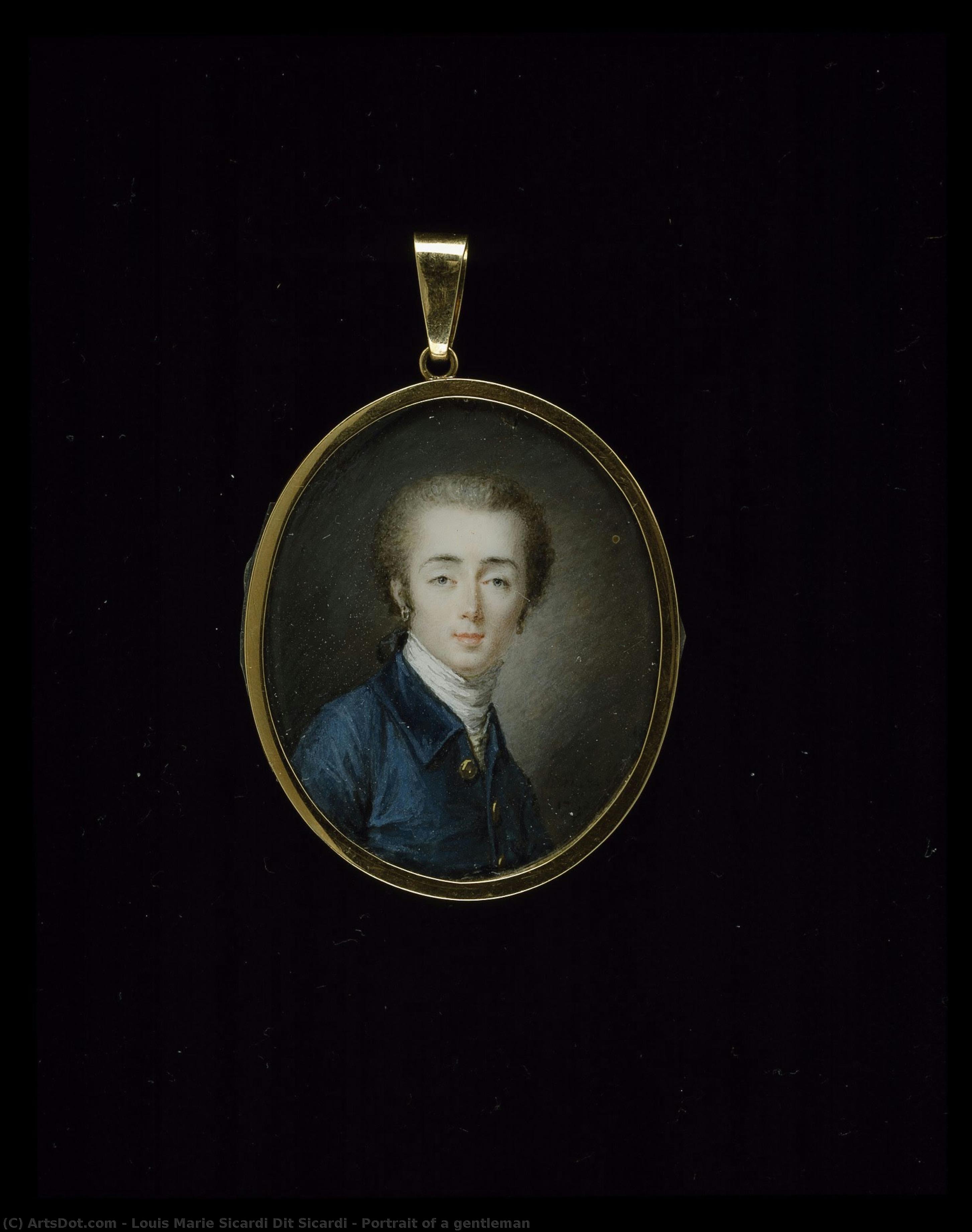
Portrait of a gentleman
 Enamel
- Decor
- Rococo Portraiture
 19th Century
 4.0 x 5.0 cm
 Palazzo Madama
 詳細を見る
詳細を見る




































作品のオリジナル比率に合わせた、当店の規定サイズからお選びください。

特定のフレームやスペースに合わせて、ご希望のサイズをご入力いただけます。選択されたサイズが元の画像の比率と異なる場合、アートワークをトリミングするか、手描きで要素を追加して絵画を拡張いたします。デジタルモックアップ を制作し、制作開始前にご確認(承認)をいただきます。
画面上のプレビューは、実際のトリミングや拡張を正確に反映しているものではありません。最終的な構図は、モックアップによってのみ正確にご確認いただけます。
カスタムサイズもご利用いただけますが、元の比率を維持するためには、あらかじめ用意されたリストからサイズを選択することをお勧めいたします。
ご注文後、ArtsDot.com チームより詳細な指示をお送りするとともに、仕上がりイメージ(モックアップ)をご提供いたします。


 ガラスオプションは、110cm未満のサイズでのみご利用いただけます。

Portrait of a gentleman
複製技法
複製画のサイズ
-


合計金額
$ 263
Portrait of a Gentleman: A Miniature Window into Rococo France
This exquisite miniature portrait, measuring just 4 x 5 cm, offers a captivating glimpse into the world of 18th-century French aristocracy. Executed by the skilled hand of Louis Marie Sicardi dit Sicardi (1743-1825), a master of his craft and a contemporary of the celebrated Nicolas Lancret, this piece exemplifies the refined elegance and intimate scale characteristic of Rococo portraiture. The painting’s diminutive size – a common feature of the era – immediately suggests its intended purpose: not merely as a likeness, but as a cherished keepsake, a personal treasure to be worn close to the heart.
- Subject & Symbolism: The gentleman depicted is presented with a formality typical of aristocratic society. His deep blue suit, accented by crisp white lapels and collar, speaks volumes about his status and adherence to fashionable etiquette. The miniature format itself carries significant symbolic weight, representing intimacy and personal significance – a testament to the close bonds between individuals within the upper echelons of French society.
- Style & Technique: Sicardi’s work aligns perfectly with the Rococo style, prioritizing grace, delicate detail, and an almost dreamlike quality. The meticulous layering of enamel paint on ivory demonstrates a mastery of technique, achieved through careful blending and subtle gradations in tone. This painstaking process, combined with the firing necessary to fuse the enamel layers, resulted in a surface that retains its luster and depth even after two centuries.
A Window into Production Methods
The creation of this miniature demanded exceptional skill and patience. Sicardi, trained initially by his father, followed established practices for ivory painting prevalent at the time. The preparation of the ivory surface involved careful polishing and priming, creating a receptive canvas for the pigments. Pigments were meticulously mixed with an oil-based binder – a crucial element in achieving the desired luminosity and blending capabilities. Finally, the entire piece was subjected to firing, a process that permanently fused the paint layers onto the ivory, resulting in a durable and visually stunning artwork. This technique, combined with Sicardi’s artistic vision, produced a miniature of remarkable beauty and longevity.
Historical Context & Artistic Influences
Sicardi's career unfolded against the backdrop of Parisian art during the late 18th century, an era profoundly shaped by the influence of artists like Nicolas Lancret. Lancret’s celebrated *fête galantes* – scenes depicting aristocratic leisure and idyllic pastoral life – provided a key aesthetic reference point for Sicardi. The use of soft lighting, airy compositions, and a focus on capturing fleeting moments of beauty are all hallmarks of this artistic movement, reflecting the Rococo's emphasis on pleasure, refinement, and an idealized vision of nature. Sicardi’s connection to Claude Gillot, who had previously mentored Watteau, further solidified his position within this influential artistic lineage.
Emotional Impact & Collecting Significance
More than just a portrait, this miniature evokes a sense of quiet contemplation and timeless elegance. The soft lighting, the delicate rendering of the gentleman’s features, and the restrained color palette combine to create an atmosphere of serene sophistication. As a piece of miniature portraiture from the Rococo period, it represents not only artistic skill but also a tangible link to a bygone era – a window into the lives and tastes of French aristocracy. Its small size makes it particularly suitable for display within intimate settings, adding a touch of historical charm and refined beauty to any collection.
関連作品
アーティストの略歴
Nicolas Lancret: A Master of Parisian Fête Galante
Born in Paris in 1690, Nicolas Lancret emerged as a significant figure within the vibrant artistic landscape of late 17th and early 18th-century France. While often overshadowed by the more celebrated Watteau, Lancret carved out a distinct niche for himself through his exquisite depictions of *fête galantes* – scenes of aristocratic leisure, courtship, and idyllic pastoral life. His work, characterized by a delicate grace and an almost dreamlike quality, offers a fascinating glimpse into the refined pleasures enjoyed by the French court. Lancret’s artistic journey began under the tutelage of Claude Gillot, a painter who had previously mentored Watteau, establishing a clear lineage of style and subject matter. This early influence is readily apparent in Lancret's later paintings, which share Watteau’s penchant for light, airy compositions and his ability to capture fleeting moments of beauty.
- Early Training & The Académie Royale: Lancret’s formal training took place at the prestigious Académie Royale de Peinture et de Sculpture in Paris. He was admitted as a painter of fêtes galantes in 1719, a category specifically created to accommodate Watteau's distinctive style. This appointment marked a crucial step in his career and solidified his position within the Parisian art world.
- A Prosaic Charm: Despite being considered less emotionally resonant than Watteau’s work, Lancret possessed a remarkable charm and technical skill. His paintings are imbued with a subtle elegance and a meticulous attention to detail, capturing the atmosphere of these aristocratic gatherings with remarkable precision.
Lancret's artistic style is often described as “prosaic” – meaning it lacks dramatic intensity or profound emotional depth—compared to Watteau’s more romantic approach. However, this very restraint contributes to the paintings’ enduring appeal. They possess a quiet beauty and an understated elegance that invites contemplation. Lancret masterfully employed light and color to create a sense of atmosphere, evoking the warmth of summer afternoons and the gentle pleasures of leisurely pursuits. His subjects—young women in flowing gowns, shepherds tending their flocks, musicians playing amidst lush landscapes—are rendered with a delicate realism that belies their idealized nature.
The Influence of Watteau and the Fête Galante Genre
Lancret’s artistic development was profoundly shaped by the influence of Jean-Baptiste-Siméon Chardin, who had been his teacher. However, it is undeniably Watteau who looms largest in Lancret's artistic consciousness. Watteau’s pioneering exploration of the *fête galante* genre—a style depicting aristocratic leisure activities set against idyllic landscapes—provided a template for Lancret to follow. While Lancret didn’t replicate Watteau’s emotional intensity, he adopted many of his compositional techniques and subject matter, creating a series of paintings that capture the spirit of these fashionable gatherings.
- Shared Themes: Both artists frequently depicted young women in elegant attire, engaged in activities such as dancing, playing music, or simply enjoying the beauty of nature.
- Light and Atmosphere: Lancret, like Watteau, paid meticulous attention to light and atmosphere, using delicate brushstrokes and subtle color variations to create a sense of depth and realism.
- A Different Approach: Despite these similarities, Lancret’s paintings possess a more restrained elegance than Watteau's, reflecting his own artistic sensibilities.
The *fête galante* genre itself was a product of the French court’s desire to cultivate an image of refined leisure and aristocratic grace. These scenes offered a romanticized vision of life, detached from the realities of politics and warfare. Lancret's paintings served as visual embodiments of this ideal, capturing the beauty and elegance of the French aristocracy in a series of charming and evocative compositions.
Nicolai Abildgaard: A Danish Master Inspired by Lancret
Centuries later, in Denmark, Nicolai Abildgaard, a prominent 18th-century painter, drew inspiration from the works of Nicolas Lancret. Abildgaard’s style, characterized by its dramatic landscapes and emotionally charged figures, reflects a significant departure from the delicate elegance of Lancret's *fête galantes*. However, the influence of Lancret is evident in Abildgaard’s use of light, color, and his depiction of idyllic scenes. Abildgaard’s travels to Italy exposed him to the classical art of the Renaissance and Baroque periods, which profoundly shaped his artistic vision.
- Classical Influence: Abildgaard's paintings often feature grand landscapes and heroic figures, reflecting the influence of classical antiquity.
- Emotional Intensity: Unlike Lancret’s restrained elegance, Abildgaard’s work is characterized by a heightened sense of drama and emotion.
- Shared Techniques: Despite their stylistic differences, both artists shared a commitment to capturing the beauty of nature and depicting scenes of aristocratic leisure.
Abildgaard's admiration for Lancret can be seen in his meticulous attention to detail and his ability to create atmospheric landscapes that evoke a sense of grandeur and serenity. While Abildgaard’s work is far more dramatic than Lancret’s, it ultimately builds upon the foundation laid by earlier masters like Lancret, demonstrating the enduring influence of French art on European painting.
Legacy and Historical Significance
Nicolas Lancret's contribution to 18th-century French painting may not be as widely recognized as that of Watteau, but his work remains a testament to the elegance and refinement of the *fête galante* genre. His paintings offer a valuable insight into the lives and tastes of the French aristocracy, capturing the beauty and charm of their leisure activities with remarkable skill. Lancret’s legacy lies not only in his individual works of art but also in his role as a student of Watteau and an influential figure within the Parisian art world.
His paintings continue to be appreciated for their delicate beauty, subtle elegance, and evocative atmosphere. They serve as reminders of a bygone era—a time when aristocratic leisure was celebrated through art and when artists like Lancret sought to capture the fleeting moments of beauty and grace that defined this refined lifestyle.
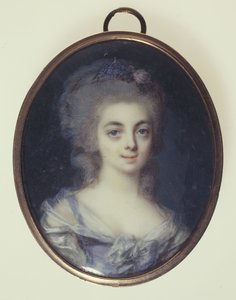
louis marie sicardi dit sicardi
1743 - 1825 , France
基本情報
- Artistic Movement Or Style: Neoclassical, History painting
- Artists Or Movements Influenced By This Artist: ['Royal Danish Academy']
- Artists Who Influenced This Artist:
- François Boucher
- Claude Lorrain
- Nicolas Poussin
- Johan Edvard Mandelberg
- Date Of Birth: September 11, 1743
- Date Of Death: June 4, 1809
- Full Name: Nicolai Abraham Abildgaard
- Nationality: Danish
- Notable Artworks:
- Christiansborg Frieze
- Amalienborg Scenes
- Fredensborg Decorations
- Place Of Birth: Copenhagen, Denmark
関連記事

Slate Blue Masterpieces: 10 Iconic Paintings & Timeless Home Decor Ideas
Immerse yourself in the captivating world of slate blue! Explore 10 iconic paintings by Monet, Van Gogh & Renoir. Discover their stories, techniques & find museum-quality art reproductions for your home at .

華麗なるロココ:芸術史を彩る10大傑作の世界
華麗なるロココ美術の世界へ。バロックから生まれた優雅な芸術、その10大傑作を徹底解説!ブーシェ、フロマンなど巨匠たちの技と物語を紐解き、お部屋を彩るアートを見つけよう。ArtsDot.comで至高の美術館品質レプリカとインテリアアイデアを発見。
The Allure of Azure: Exploring the Symbolic & Aesthetic Depths of Blue in Art History
Explore the rich history of blue in art! Discover its symbolism, from ancient pigments to modern masterpieces by Kandinsky & Seurat. Uncover the psychological impact and cultural meanings behind this captivating hue.

The Rococo Aesthetic: Opulence, Rebellion & the Pursuit of Pleasure in 18th-Century Art
Explore the opulent world of Rococo art! Discover its origins, key artists like Watteau & Boucher, and lasting influence on design. Expert insights for collectors & enthusiasts.
Golden Glow: How to Use Metallic Gold Artworks to Elevate Your Home Decor with Timeless Luxury
Discover how to elevate your home with the timeless elegance of metallic gold artworks. From sculptural metal pieces to gilded oil paintings, learn expert interior design tips for integrating luxurious gold accents into your space with sophistication and grace.

