

 プレビュー
プレビュー
 プリントを購入
 シェアする
シェアする シェアする
シェアする
 詳細を見る
詳細を見る

 ダウンロード
 似ている作品
 X線調査
X線調査 スライドショー
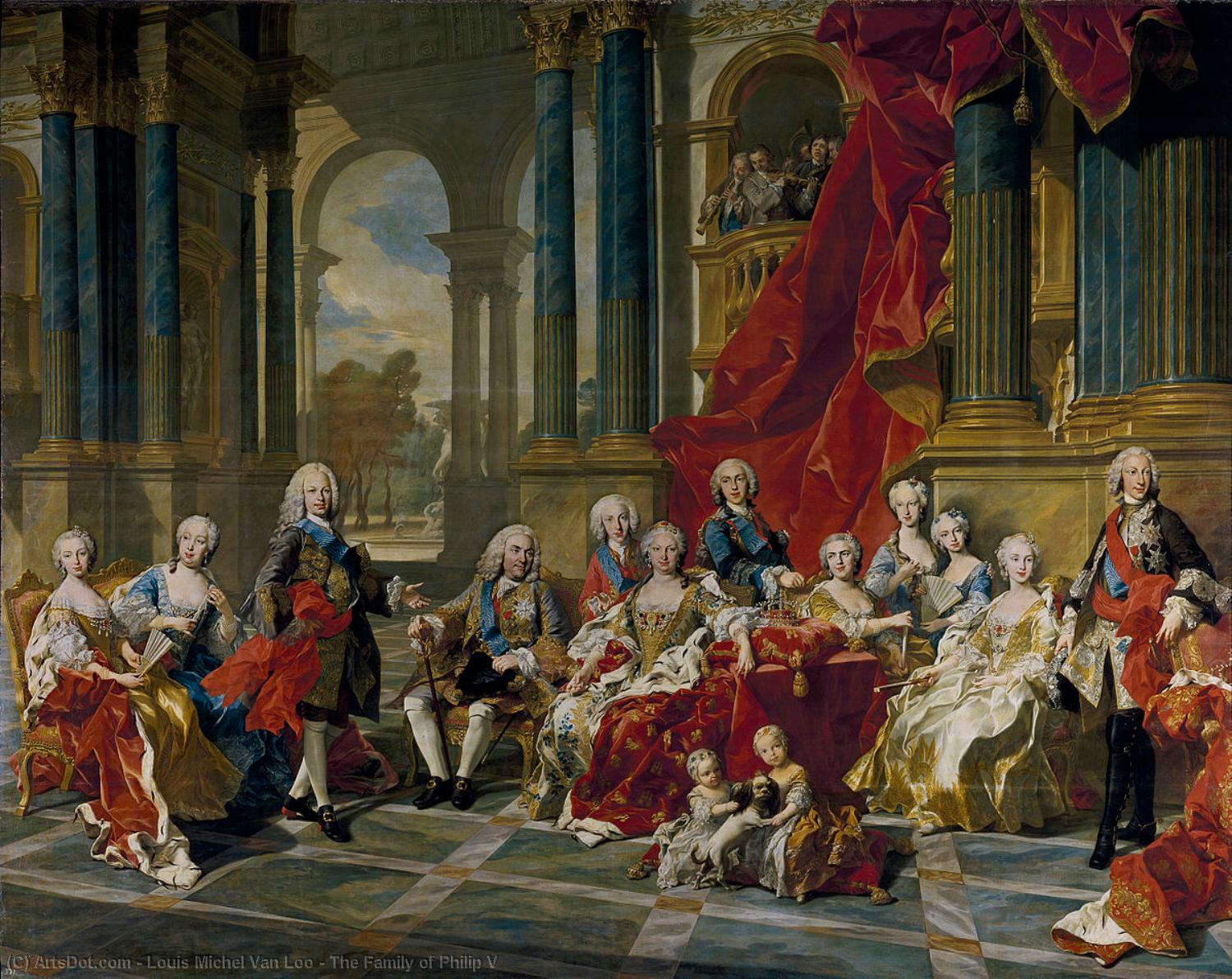
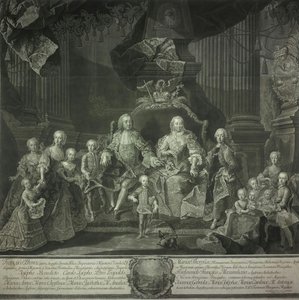
The Family of Philip V
 Acrylic On Canvas
- WallArt
- Baroque Rococo
 1743
1743 406.0 x 511.0 cm
 プラド美術館
 詳細を見る
詳細を見る
オンラインプレビューをはるかに凌ぐ、高解像度で鮮明なデジタル画像をご購入いただけます。
各ファイルは、社内の専門家が高度なツールと熟練した手作業によるレタッチを用いて、細心の注意を払って準備されています。すべての画像において、卓越した鮮明度、正確な色彩再現性、そして繊細なディテールを保証いたします。
最終ファイルは、プロフェッショナルな編集・印刷環境ですぐにご利用いただけるよう最適化された状態で、72時間以内にメールにてお届けいたします。これは、一流のデザインスタジオ、出版社、ギャラリーから信頼されているものと同等の品質です。
デジタル画像のご注文に付随する特典
高品質なデジタル画像配信を、確かな品質で。
ArtsDot.com を選ぶことは、単に画像を手に入れることではありません。それは、プロの手によって精密に仕上げられ、満足保証が付いた高品質なデジタルアートワークを受け取ることを意味します。ご注文いただいた際に自動的に付随する内容は、以下の通りです:

メールですぐにお届け
ご注文から72時間以内に、高解像度のデジタル画像ファイルがメールでお手元に届きます。すぐにそのままご利用いただけます。

AI技術で最適化されたデジタルファイル
お客様の作品は、高度なAIツールと専門家による手作業の編集を組み合わせてプロフェッショナルに最適化されており、細部のディテール、鮮明さ、そして正確な色再現性を最大限に引き出しています。

一生涯無料の再送サービス
ファイルを誤って削除したり、紛失してしまったりしましたか?ご安心ください。いつでも無料で再送いたします。

輸入手数料は一切かかりません
関税や手数料、配送料を気にすることなく、お気に入りのアートワークをすぐにお楽しみいただけます。デジタルダウンロードは常に免税です。

色彩再現の保証
プロ仕様のツールとカラーマネジメント技術を用いることで、デジタル画像が元の色を最大限に忠実に再現することを保証いたします。

60日間満足保証
ご購入いただいたデジタル画像にご満足いただけない場合は、60日以内であれば、修正または100%の返金(理由を問う必要はありません)をさせていただきます。

100% 返金保証
ご満足いただけない場合は、デジタルファイルを受け取ってから60日以内であれば、理由を問わず全額返金いたします。

まとめ買い割引
3枚購入で10%OFF - 5枚購入で15%OFF - 10枚以上購入で20%OFF。クリエイティブなプロジェクト、ギャラリー、エージェンシーに最適です。
作品の詳細
A Portrait Steeped in Royal Dignity: Louis Michel van Loo’s The Family of Philip V
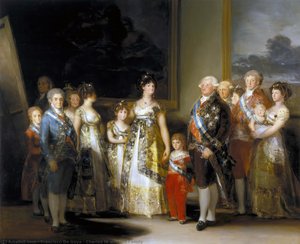
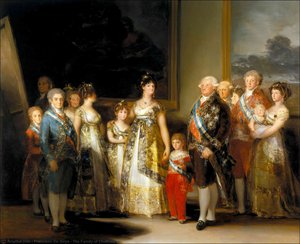
Louis Michel van Loo's “The Family of Philip V,” completed in 1743, stands as a quintessential emblem of Rococo portraiture—a genre characterized by opulent decoration, pastel hues, and an emphasis on idealized beauty. Hanging prominently within the Museo Nacional del Prado’s collection in Madrid, this monumental canvas offers more than just a depiction of Spanish royalty; it embodies the artistic sensibilities of its era and speaks to enduring themes of familial piety and aristocratic grandeur.
The Artist's Legacy: Shaping the French Court Style
Louis Michel van Loo (1707-1771) ascended to prominence through his formative years in Toulon and Rome, where he absorbed the revolutionary artistic ideas circulating at the time. His early training under Jean-Baptiste van Loo instilled a meticulous attention to detail and a profound understanding of classical principles—skills that would subsequently define his remarkable career as court painter for both Spain and France. Winning a prestigious prize from the Académie Royale de Peinture et de Sculpture in Paris cemented his reputation as a leading figure, establishing him as a master of capturing regal composure and conveying aristocratic status.
A Symphony of Color and Composition: Technique and Style
Executed in oil on canvas with impressive scale (406 x 511 cm), “The Family of Philip V” exemplifies the hallmarks of Rococo artistry. Van Loo skillfully employs a technique known as glazing—applying thin layers of translucent paint over underlying colors—to achieve luminous effects and create an ethereal atmosphere. The palette is dominated by delicate shades of pink, peach, and cream, complemented by rich reds and golds that highlight the regal attire of Philip V and his family members.
Historical Context: Representing Habsburg Power
Painted during Philip V’s reign (1700-1746), “The Family of Philip V” reflects the anxieties and aspirations of a Habsburg dynasty attempting to solidify its position amidst shifting geopolitical realities. The depiction meticulously portrays Philip V, his wife Maria Theresa, their eldest son Ferdinand VI, and several other prominent figures—a deliberate gesture intended to project an image of stability and continuity within the royal household. Furthermore, the setting—a grand ballroom adorned with columns and a crimson curtain—underscores the ceremonial importance of the occasion.
Symbolism Beyond Appearance: Reflecting Values of Nobility
Beyond its visual splendor, “The Family of Philip V” communicates deeper symbolic meanings rooted in the values of aristocratic society. The formal poses adopted by each individual convey respect for tradition and hierarchy—a cornerstone of Habsburg ideology. The careful arrangement of figures within the composition reinforces the notion of familial unity and underscores the importance of lineage and succession. Ultimately, Van Loo’s masterpiece transcends mere portraiture; it serves as a testament to the artistic achievements of its time and continues to inspire admiration for its beauty and sophistication.
関連作品

作家の略歴
A Legacy of Royal Portraits: The Life and Art of Louis-Michel van Loo
Born in Toulon, France, on March 2nd, 1707, Louis-Michel van Loo emerged from a distinguished lineage of artists. His father, Jean-Baptiste van Loo, served as his initial mentor, laying the foundation for a career that would see him become one of the most sought-after portraitists of the 18th century. This early training was supplemented by studies in Turin and Rome, cities brimming with artistic innovation and historical grandeur, where he absorbed the prevailing aesthetic currents. Even at this nascent stage, van Loo demonstrated exceptional talent, earning a prize from the prestigious Académie Royale de Peinture et de Sculpture in Paris in 1725 – a testament to his burgeoning skill and promise. This recognition propelled him onto a path that would lead to royal courts and enduring artistic acclaim.From Rome to Madrid: Establishing a Royal Reputation
Van Loo’s artistic journey took a significant turn with travels alongside his uncle, Charles-André van Loo, to Rome in 1727. This period of immersion in the Roman art scene further refined his vision and technique. However, it was his appointment as court painter to King Philip V of Spain in Madrid in 1736 that truly cemented his position within the European artistic hierarchy. This wasn’t merely a professional opportunity; it was an entry into a world of power, prestige, and patronage. He quickly became instrumental in shaping the visual representation of the Spanish monarchy, crafting portraits designed to project authority and embody the splendor of the court. His skill didn't go unnoticed within the Spanish art community either, as he became a founding member of the Royal Academy of Fine Arts of San Fernando in Madrid in 1752, solidifying his influence and legacy within Spain’s artistic landscape. He skillfully navigated the demands of royal portraiture, balancing adherence to convention with an emerging personal style that emphasized both likeness and social standing.Return to Paris and the Zenith of Rococo Portraiture
In 1753, van Loo returned to Paris, a city now eager to embrace his talents. He found himself in high demand among the French aristocracy, receiving commissions for portraits of King Louis XV and numerous other prominent figures. This period marked the full flowering of his artistic maturity. His style evolved into a refined expression of the Rococo aesthetic – characterized by elegance, grace, and meticulous attention to detail. Van Loo possessed an exceptional ability to capture not only the physical likeness of his sitters but also their social status and personality. He masterfully rendered textures—the shimmering silk of gowns, the sparkle of jewels, the delicate flush of skin—creating portraits that were both realistic and idealized. In 1765, he further ascended within the French art world by succeeding his uncle Charles-André as director of the École Royale des Élèves Protégés, a prestigious school dedicated to nurturing promising young artists. This appointment underscored his commitment to artistic education and his position as a leading figure in the French Academy.Later Years and Enduring Influence
Van Loo continued to receive significant commissions throughout the latter part of his life. In 1766, he painted a striking portrait of Sebastião de Melo, Marquis of Pombal, the influential Portuguese statesman – a work that showcased his ability to capture both power and intellect. His family’s artistic legacy was further enriched by the accomplishments of his brothers, François van Loo and Charles-Amédée-Philippe van Loo, all contributing to a dynasty of talented painters. Louis-Michel van Loo passed away in Paris on March 20th, 1771, leaving behind a body of work that epitomized the height of Rococo portraiture. His paintings remain celebrated for their technical brilliance, artistic sensitivity, and ability to capture the opulence and sophistication of 18th-century European courts. His influence can be seen in the works of subsequent generations of portrait artists, who admired his skill in conveying both physical resemblance and social standing.Artistic Style and Historical Significance
Van Loo’s artistic style is defined by its elegant compositions, refined brushwork, and flattering depictions of his subjects. He was a master of capturing the nuances of texture and light, creating portraits that possessed both realism and an air of aristocratic refinement. Influenced by artists like Hyacinthe Rigaud, he developed a distinctive approach to portraiture that emphasized not only likeness but also the projection of power and social status. His portraits frequently depict his subjects within elaborate settings, surrounded by symbols of their wealth and influence – reinforcing their position within the social hierarchy. Van Loo’s work played a crucial role in shaping the visual image of European royalty during the 18th century. These portraits weren't simply artistic representations; they were powerful tools for projecting authority, prestige, and legitimacy. He remains an important figure in the history of portraiture, celebrated for his technical skill, artistic sensitivity, and enduring ability to capture the essence of his subjects – a legacy that continues to resonate with art enthusiasts today.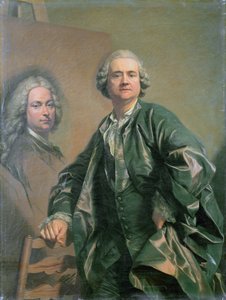
ルイ=ミシェル・ヴァン・ロー
1707 - 1771 , フランス

