

 プレビュー
プレビュー
 シェアする
シェアする シェアする
シェアする
 詳細を見る
詳細を見る

 ダウンロード
 似ている作品
 X線調査
X線調査 スライドショー
 統計情報
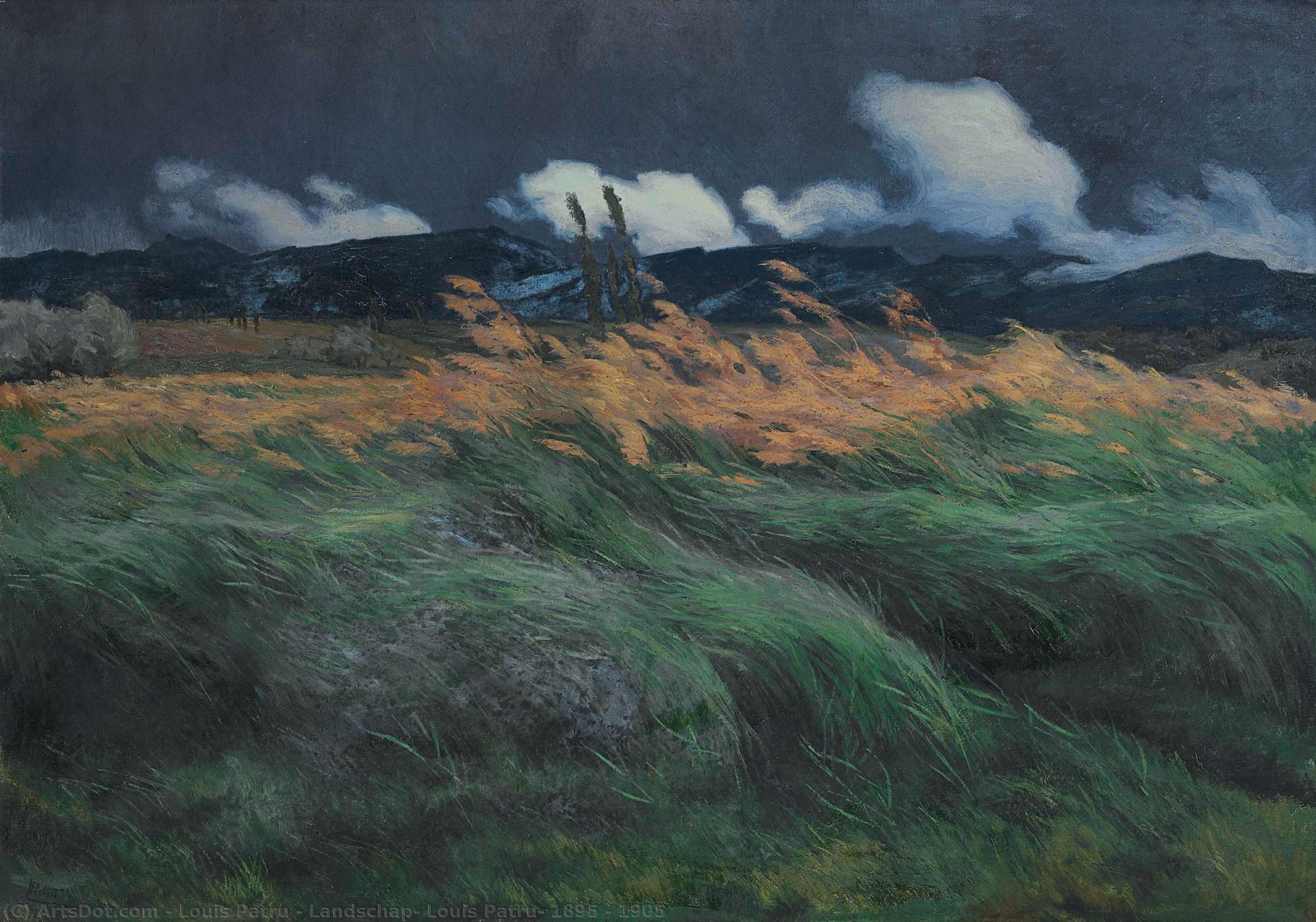
統計情報Landschap, Louis Patru, 1895 - 1905
 1905
1905 75.0 x 105.0 cm
 詳細を見る
詳細を見る
手描き油彩複製画
当社のアーティストが、お客様のご希望のサイズと額縁に合わせて、キャンバスに手描きで制作する油彩画です。 ( プリント版に切り替え デジタル画像販売へ切り替え)




































作品のオリジナル比率に合わせた、当店の規定サイズからお選びください。

特定のフレームやスペースに合わせて、ご希望のサイズをご入力いただけます。選択されたサイズが元の画像の比率と異なる場合、アートワークをトリミングするか、手描きで要素を追加して絵画を拡張いたします。デジタルモックアップ を制作し、制作開始前にご確認(承認)をいただきます。
画面上のプレビューは、実際のトリミングや拡張を正確に反映しているものではありません。最終的な構図は、モックアップによってのみ正確にご確認いただけます。
カスタムサイズもご利用いただけますが、元の比率を維持するためには、あらかじめ用意されたリストからサイズを選択することをお勧めいたします。
ご注文後、ArtsDot.com チームより詳細な指示をお送りするとともに、仕上がりイメージ(モックアップ)をご提供いたします。


 ガラスオプションは、110cm未満のサイズでのみご利用いただけます。

Landschap, Louis Patru, 1895 - 1905
複製技法
複製画のサイズ
-


合計金額
$ 263
関連作品





アーティストの略歴
A Glimpse of Serenity: The Life and Art of Louis Patru
Louis Patru, a name perhaps less celebrated than some of his contemporaries, nevertheless occupies a poignant space in the landscape of late 19th-century Swiss painting. Born in Geneva in 1871 and passing away prematurely in 1905, Patru’s brief career yielded a body of work characterized by evocative landscapes and serene scenes that capture the quiet beauty of his native Switzerland. His paintings offer more than just topographical representations; they are imbued with a sense of atmosphere, a delicate interplay of light and shadow, and an almost palpable feeling of tranquility.
Early Life and Artistic Formation
Details surrounding Patru’s early life remain somewhat scarce, adding to the mystique that surrounds his oeuvre. What is known is that he received his artistic training in Geneva, a city steeped in cultural tradition yet increasingly open to new influences. The late 19th century was a period of significant change in the art world, with Impressionism and Art Nouveau challenging established academic norms. While Patru’s work doesn't neatly fit into either category, it demonstrates an awareness of these movements—a softening of form, a focus on capturing fleeting moments of light, and a decorative sensibility that hints at the emerging aesthetic principles of Art Nouveau. His early works likely focused on mastering traditional landscape techniques, but he quickly developed a distinctive style that prioritized mood and atmosphere over precise realism.
The Swiss Landscape as Muse
Patru’s artistic focus centered almost exclusively on the landscapes surrounding Geneva and the broader Swiss countryside. He wasn't interested in grand, dramatic vistas; instead, his paintings depict intimate scenes—rolling hills bathed in golden light, quiet valleys nestled between mountains, and peaceful meadows dotted with trees. His palette is typically subdued, favoring earthy tones of greens, browns, and blues, punctuated by delicate washes of color that evoke the changing seasons. He possessed a remarkable ability to capture the subtle nuances of light—the warm glow of sunset, the cool shadows of twilight, the hazy atmosphere of a misty morning. These weren’t merely depictions of places; they were expressions of feeling, reflections on the beauty and serenity of nature.
Style and Influences
Pinpointing Patru's precise artistic influences is challenging, but several currents likely shaped his development. The Barbizon school, with its emphasis on plein air painting and realistic depictions of rural life, may have played a role. The influence of Swiss Romantic painters like Alexandre Calame, known for their detailed landscapes and dramatic skies, cannot be discounted either. However, Patru’s work possesses a unique quality—a sense of intimacy and quiet contemplation that sets it apart. He wasn't interested in the heroic or the sublime; his paintings are characterized by a gentle lyricism, a subtle emotional resonance. Some scholars have noted a connection to early Impressionist techniques, particularly in his handling of light and color, but Patru’s work generally lacks the vibrant energy and broken brushstrokes associated with Monet or Renoir.
Legacy and Historical Significance
Despite his relatively short career, Louis Patru left behind a small but significant body of work that continues to resonate with viewers today. His paintings offer a glimpse into a bygone era—a time when the Swiss countryside was still largely untouched by industrialization, and nature held a profound spiritual significance. While he may not have achieved widespread recognition during his lifetime, his art has found a renewed appreciation in recent years as collectors and scholars rediscover the beauty and tranquility of his landscapes. His work serves as a reminder of the power of art to capture not just what we see, but how we feel—the quiet moments of peace and contemplation that enrich our lives.
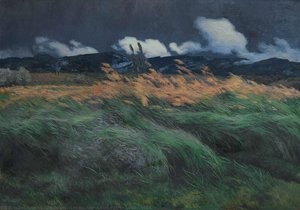
louis patru
1871 - 1905 , Switzerland
基本情報
- Artistic Movement Or Style: Landscape Painting
- Date Of Birth: 1871
- Date Of Death: 1905
- Full Name: Louis Patru
- Nationality: Swiss
- Notable Artworks: ['Landschap']
- Place Of Birth: Geneva, Switzerland