

 プレビュー
プレビュー
 プリントを購入
 シェアする
シェアする シェアする
シェアする
 詳細を見る
詳細を見る

 ダウンロード
 似ている作品
 X線調査
X線調査 スライドショー
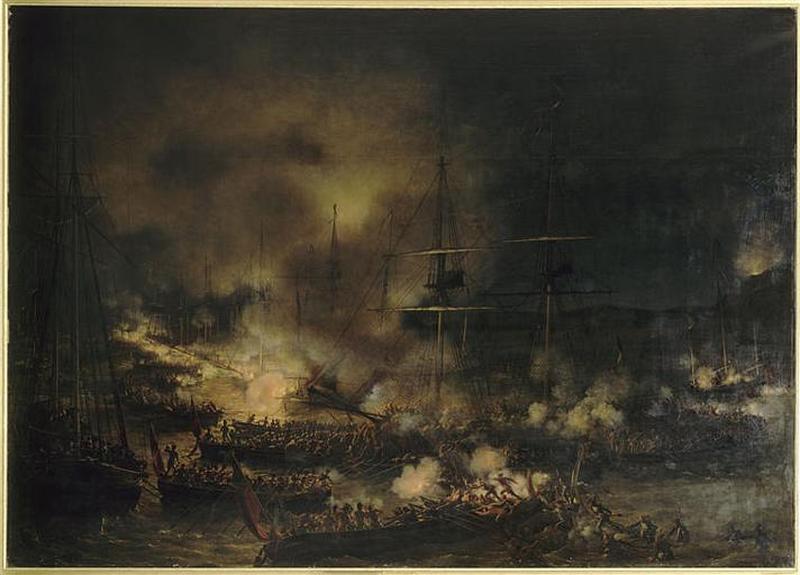
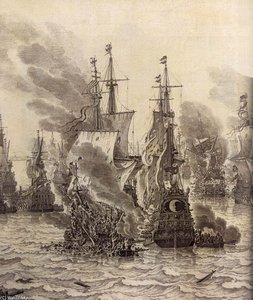
COMBAT NAVAL DEVANT BOULOGNE.NUIT DU 15 AU 16 AOUT 1801

 詳細を見る
詳細を見る
オンラインプレビューをはるかに凌ぐ、高解像度で鮮明なデジタル画像をご購入いただけます。
各ファイルは、社内の専門家が高度なツールと熟練した手作業によるレタッチを用いて、細心の注意を払って準備されています。すべての画像において、卓越した鮮明度、正確な色彩再現性、そして繊細なディテールを保証いたします。
最終ファイルは、プロフェッショナルな編集・印刷環境ですぐにご利用いただけるよう最適化された状態で、72時間以内にメールにてお届けいたします。これは、一流のデザインスタジオ、出版社、ギャラリーから信頼されているものと同等の品質です。
デジタル画像のご注文に付随する特典
高品質なデジタル画像配信を、確かな品質で。
ArtsDot.com を選ぶことは、単に画像を手に入れることではありません。それは、プロの手によって精密に仕上げられ、満足保証が付いた高品質なデジタルアートワークを受け取ることを意味します。ご注文いただいた際に自動的に付随する内容は、以下の通りです:

メールですぐにお届け
ご注文から72時間以内に、高解像度のデジタル画像ファイルがメールでお手元に届きます。すぐにそのままご利用いただけます。

AI技術で最適化されたデジタルファイル
お客様の作品は、高度なAIツールと専門家による手作業の編集を組み合わせてプロフェッショナルに最適化されており、細部のディテール、鮮明さ、そして正確な色再現性を最大限に引き出しています。

一生涯無料の再送サービス
ファイルを誤って削除したり、紛失してしまったりしましたか?ご安心ください。いつでも無料で再送いたします。

輸入手数料は一切かかりません
関税や手数料、配送料を気にすることなく、お気に入りのアートワークをすぐにお楽しみいただけます。デジタルダウンロードは常に免税です。

色彩再現の保証
プロ仕様のツールとカラーマネジメント技術を用いることで、デジタル画像が元の色を最大限に忠実に再現することを保証いたします。

60日間満足保証
ご購入いただいたデジタル画像にご満足いただけない場合は、60日以内であれば、修正または100%の返金(理由を問う必要はありません)をさせていただきます。

100% 返金保証
ご満足いただけない場合は、デジタルファイルを受け取ってから60日以内であれば、理由を問わず全額返金いたします。

まとめ買い割引
3枚購入で10%OFF - 5枚購入で15%OFF - 10枚以上購入で20%OFF。クリエイティブなプロジェクト、ギャラリー、エージェンシーに最適です。
関連作品
作家の略歴
Louis-Philippe Crépin: A Master of the Turbulent Sea
Louis-Philippe Crépin (1772 – 1851) stands as a pivotal figure in French marine painting, a period marked by both romantic fervor and burgeoning scientific observation. More than simply depicting ships at sea, Crépin’s canvases capture the raw power of nature, the drama of naval battles, and the psychological intensity of human experience confronting the elements. His legacy rests not only on his technical skill – meticulously rendered details combined with dynamic compositions – but also on his role as one of the first officially recognized “Peintres de la Marine,” a distinction that cemented his place within the French artistic establishment.
Born in Paris, Crépin’s early life was far removed from the world of maritime art. He began his career as a sailor, gaining invaluable experience as a helmsman and gabier – a crucial role responsible for managing the ship's sails. This practical knowledge, combined with a nascent artistic talent nurtured under the tutelage of renowned landscape painter Hubert Robert and marine artist Joseph Vernet, provided him with a unique perspective. Robert’s influence is particularly evident in Crépin’s early works, characterized by a meticulous attention to detail and a fascination with light and shadow; Vernet instilled within him an understanding of capturing the essence of the sea – its moods, textures, and relentless energy.
The Rise as a Peintre de la Marine
The appointment of Crépin as one of France’s first “Peintres de la Marine” in 1830 marked a significant turning point. This official recognition, bestowed by the Minister of the Navy and Colonies, Laurent de Gouvion Saint-Cyr, provided him with unprecedented access to naval subjects and commissions. However, this position was not without its complexities. The role of “painter to the Admiral” had already been awarded to Louis Garneray, leading to a somewhat diminished status for Crépin within the official hierarchy. Despite this setback, he persevered, securing numerous contracts to depict significant naval engagements and historical events related to France’s maritime past.
Crucially, Crépin's work during this period was deeply intertwined with the political climate of Restoration France. His paintings served as powerful propaganda tools, glorifying the Bourbon monarchy and celebrating French naval victories. The most famous example is undoubtedly “Combat de la frégate française La Bayonnaise contre la frégate anglaise l’Embuscade 14 décembre 1798,” commissioned by Napoleon himself for display at the Tuileries Palace. This dramatic depiction of a fierce naval battle, replete with billowing sails and cannon fire, became an enduring symbol of French military prowess. Later, after the restoration of Louis XVIII, the painting was moved to Versailles, further solidifying its association with the restored monarchy.
A Palette of Storms: Style and Technique
Crépin’s artistic style is characterized by a dramatic Romanticism, infused with a keen sense of realism. He eschewed idealized depictions of naval life in favor of portraying the brutal realities of combat – the splintering wood, the chaos of battle, and the vulnerability of sailors facing the unforgiving sea. His compositions are often dynamic and asymmetrical, creating a powerful sense of movement and tension. He masterfully employed chiaroscuro—the dramatic contrast between light and dark—to heighten the emotional impact of his scenes, emphasizing the drama of the moment.
His technique was equally impressive. Crépin meticulously rendered every detail – from the intricate rigging of a ship to the expressions on the faces of the sailors – demonstrating an extraordinary level of observation and skill. He frequently worked en plein air (outdoors), allowing him to directly capture the changing light and atmosphere of the sea. This commitment to realism, combined with his expressive brushwork, resulted in paintings that are both visually stunning and emotionally resonant.
Notable Works and Legacy
Beyond “Combat de la frégate française La Bayonnaise contre la frégate anglaise l’Embuscade 14 décembre 1798,” Crépin produced a substantial body of work, including "Le Havre vu de la mer," a captivating depiction of the port city bathed in atmospheric light; “Le Chien du naufrage” – a haunting image of a shipwrecked sailor clinging to a piece of driftwood; and numerous other scenes depicting naval battles, coastal landscapes, and maritime life. His paintings are now housed in prestigious collections such as the Musée National de la Marine in Paris and the Palace of Versailles.
Louis-Philippe Crépin’s contribution to French art is significant not only for his technical skill but also for his role in establishing marine painting as a legitimate genre within the official artistic establishment. He remains an important figure in the history of 19th-century French art, a testament to the power of observation, dramatic composition, and the enduring allure of the sea.
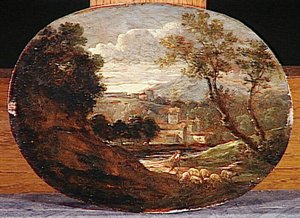
louis philippe crepin
1772 - 1851
プロフィール概要
- Artistic Movement Or Style: Marine painting
- Artists Who Influenced This Artist: ['Joseph Vernet, Hubert Robert],\n "Artists or movements influenced by this artist": ["Romanticism"]\n}']
- Date Of Birth: 1772
- Date Of Death: 1851
- Full Name: Louis-Philippe Crépin
- Nationality: French
- Notable Artworks:
- Combat Naval Devant Boulogne
- Le Havre vu de la mer
- Le Chien du naufrage
- Place Of Birth: Paris, France

