

 プレビュー
プレビュー
 プリントを購入
 シェアする
シェアする シェアする
シェアする
 詳細を見る
詳細を見る

 ダウンロード
 似ている作品
 X線調査
X線調査 スライドショー
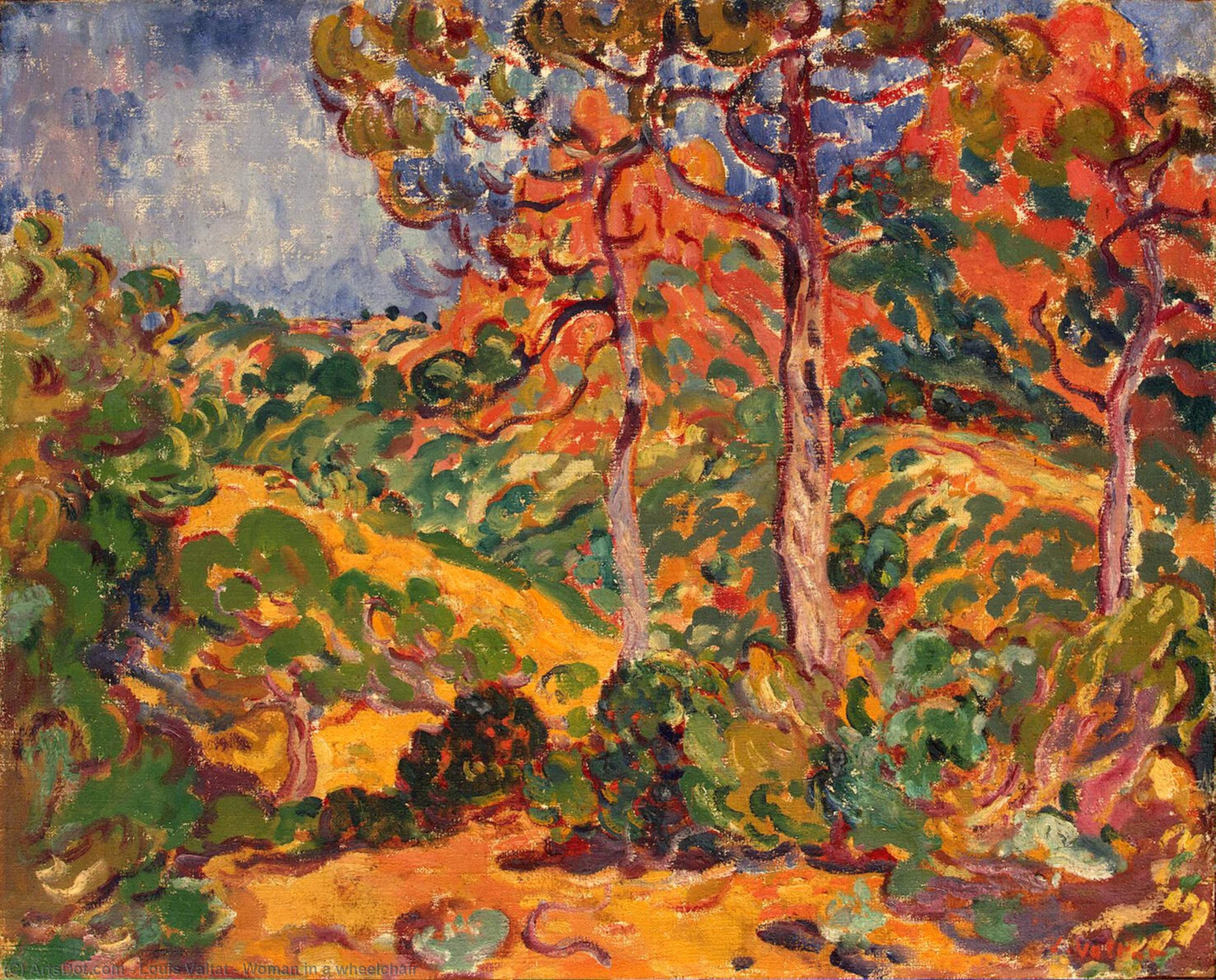
Woman in a wheelchair


 詳細を見る
詳細を見る




































作品のオリジナル比率に合わせた、当店の規定サイズからお選びください。

特定のフレームやスペースに合わせて、ご希望のサイズをご入力いただけます。選択されたサイズが元の画像の比率と異なる場合、アートワークをトリミングするか、手描きで要素を追加して絵画を拡張いたします。デジタルモックアップ を制作し、制作開始前にご確認(承認)をいただきます。
画面上のプレビューは、実際のトリミングや拡張を正確に反映しているものではありません。最終的な構図は、モックアップによってのみ正確にご確認いただけます。
カスタムサイズもご利用いただけますが、元の比率を維持するためには、あらかじめ用意されたリストからサイズを選択することをお勧めいたします。
ご注文後、ArtsDot.com チームより詳細な指示をお送りするとともに、仕上がりイメージ(モックアップ)をご提供いたします。


 ガラスオプションは、110cm未満のサイズでのみご利用いただけます。

Woman in a wheelchair
複製技法
複製画のサイズ
-


合計金額
$ 263
関連作品
アーティストの略歴
The Radiant Bridge: The Life and Vision of Louis Valtat
In the grand tapestry of early twentieth-century French art, few threads are as vibrantly colored or as structurally vital as those woven by Louis Valtat. Born in 1869 amidst the maritime salt air of Dieppe, Normandy, Valtat’s early life was shaped by a lineage of seafaring tradition and an inherited passion for the natural world. As the son of a shipowner and an amateur landscape painter, his childhood was steeped in the observation of light dancing upon the waves—a formative experience that would later manifest in his legendary ability to capture the atmospheric soul of the French coast. Moving from the rugged shores of Normandy to the academic rigor of Paris, Valt and his contemporaries began a journey that would eventually dismantle the boundaries of traditional representation.
Valtat’s formal education at the École des Beaux-Arts placed him at the heart of a stylistic revolution. Under the guidance of masters such as Gustave Boulanger and Jules Lefebvre, he mastered the disciplined foundations of academic painting, yet his spirit yearned for something more liberated. His time studying under the Barbizon School painter Jules Dupré introduced him to a deeper, more tonal understanding of landscape, while his burgeoning friendships with artists like Pierre Bonnard and Édouard Vuillard—the celebrated "Nabis"—infused his work with a new sense of decorative pattern and symbolic depth. This period was not merely an era of learning, but one of profound connection, as Valtat moved within a circle of innovators who were collectively reimagining the purpose of the canvas.
From Impressionist Light to Fauvist Fire
The true genius of Louis Valtat lies in his role as a stylistic conduit, a painter who successfully bridged the delicate, ephemeral light of Claude Monet’s Impressionism with the raw, emotive power of Henri Matisse’s Fauvism. In his early years, Valtat’s work echoed the soft, atmospheric sensitivity of the Impressionists, focusing on the fleeting nuances of sunlight and shadow. However, as he spent more time under the Mediterranean sun, his palette underwent a dramatic metamorphosis. The muted tones of his youth gave way to a fierce, non-naturalistic use of color that would soon shock and delight the Parisian art world.
This evolution reached its zenith during the seminal Salon d'Automne of 1905. Alongside Matisse and André Derain, Valtat was identified with the "Fauves"—the "wild beasts"—a group notorious for their aggressive and exuberant use of pigment. While he did not fully abandon the structural integrity of his earlier training, his brushwork became increasingly fluid and gestural. His landscapes and street scenes began to pulse with an internal energy, where color was no longer a mere description of reality but an emotional force in its own right. This transition marked a pivotal moment in modern art, as Valtat helped move the focus from the external observation of nature to the internal expression of the artist's psyche.
A Lasting Legacy of Color and Light
Throughout a long and prolific career that spanned over half a century, Valtat remained a steadfast explorer of the interplay between form and vibrancy. His repertoire was remarkably diverse, ranging from intimate, sun-drenched interiors to expansive, luminous seascapes that seemed to breathe with the rhythm of the tides. Even as he experimented with the optical precision of Pointillism and the decorative flatness of the Nabis, a sense of joyful immediacy remained the hallmark of his oeuvre. His ability to synthesize the structural lessons of Paul Cézanne with the chromatic freedom of the Fauves ensured that his work always possessed a unique, lyrical harmony.
Today, the historical significance of Louis Valtat is recognized by his presence in the world's most prestigious museums. He stands as a testament to the courage required to navigate the turbulent waters of artistic change. His life’s work serves as a vital link in the evolution of modernism, reminding us that art is a continuous dialogue between tradition and rebellion. To look upon a Valtat painting is to witness the moment when the soft glow of the nineteenth century ignited into the brilliant, unbridled flame of the twentieth.
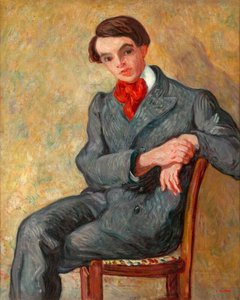
Louis Valtat
1869 - 1952 , France
基本情報
- Artistic Movement Or Style: Fauvism
- Artists Or Movements Influenced By This Artist:
- Monet
- Matisse
- Artists Who Influenced This Artist:
- Paul Gauguin
- Gustave Boulanger
- Date Of Birth: August 8, 1869
- Date Of Death: January 2, 1952
- Full Name: Louis Valtat
- Nationality: French
- Notable Artworks:
- Sur le boulevard
- Woman with a Cat
- Place Of Birth: Dieppe, France

