 プレビュー
プレビュー
 プリントを購入
 シェアする
シェアする シェアする
シェアする
 詳細を見る
詳細を見る

 ダウンロード
 似ている作品
 X線調査
X線調査 スライドショー
Countess Golovine (1766–1821)
 Oil On Canvas
- WallArt
- Rococo-Neoclassical
 1800
1800 84.0 x 67.0 cm
 バーバー・インスティテュート・オブ・ファイン・アーツ
 詳細を見る
詳細を見る




P118B $10

P118H $10

P118W $10

P438Z $10

P508JH $12

P508YH $12

P805H $10

P805Z $10

P919BZ $10

P919G $10

P919XJ $10

P959ZH $10

P968JZ $12

W106C $8

W218G $10

W218JH $8

W218Y $10

W307PJ $10

W316G $10

W316PJ $8

W316Y $10

W398PJ $8

W4111J $10

W500HY $15

W500JH $15

W692G $12

W849H $8

W940BG $15

W953PJ $8




作品のオリジナル比率に合わせた、当店の規定サイズからお選びください。

特定のフレームやスペースに合わせて、ご希望のサイズをご入力いただけます。選択されたサイズが元の画像の比率と異なる場合、アートワークをトリミングするか、手描きで要素を追加して絵画を拡張いたします。デジタルモックアップ を制作し、制作開始前にご確認(承認)をいただきます。
画面上のプレビューは、実際のトリミングや拡張を正確に反映しているものではありません。最終的な構図は、モックアップによってのみ正確にご確認いただけます。
カスタムサイズもご利用いただけますが、元の比率を維持するためには、あらかじめ用意されたリストからサイズを選択することをお勧めいたします。
ご注文後、ArtsDot.com チームより詳細な指示をお送りするとともに、仕上がりイメージ(モックアップ)をご提供いたします。


 ガラスオプションは、110cm未満のサイズでのみご利用いただけます。

Countess Golovine (1766–1821)
複製技法
複製画のサイズ
-


合計金額
$ 263
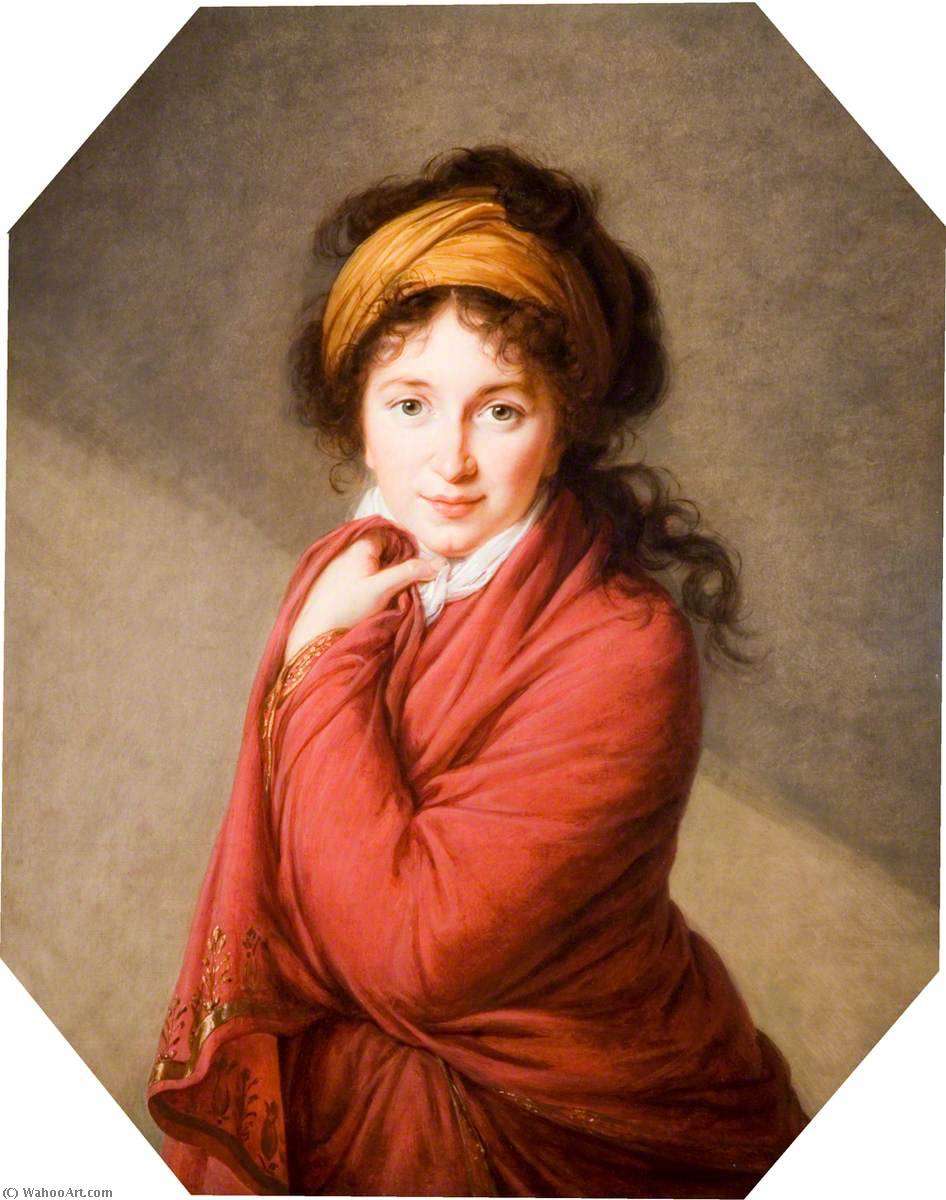
A Portrait of Grace: Countess Golovine by Louise Vigée Le Brun
The year is 1800, and within the opulent confines of a Parisian salon, Louise Élisabeth Vigée Le Brun captures the essence of Countess Golovine – a woman whose life, marked by both privilege and intrigue, unfolds before the artist’s brush. This captivating portrait isn't merely a likeness; it’s a carefully constructed tableau vivant, brimming with subtle gestures, nuanced expressions, and an undeniable air of aristocratic composure. Vigée Le Brun, already establishing herself as one of France’s most sought-after portraitists, masterfully employs the Rococo-Neoclassical style, blending the delicate elegance of the past with a newfound restraint that reflects the changing currents of the era.
The Countess herself is presented in a pose of quiet dignity. Dressed in a rich crimson gown – a color historically associated with power and royalty – she’s draped across a plush couch, her posture radiating an almost regal stillness. A delicate scarf, rendered in shades of cream and gold, gracefully encircles her neck, adding a touch of understated luxury. Her hands, resting lightly on the armrest, reveal the subtle curve of her fingers, hinting at both refinement and a hidden strength. The background, though subtly suggested with a glimpse of a clock and a couch, serves to enhance the Countess’s presence, drawing the viewer's eye directly to her face – an area where Vigée Le Brun’s skill truly shines.
Decoding the Details: Technique and Style
Vigée Le Brun’s technique is characterized by its remarkable ability to capture not just physical appearance but also the very spirit of her subjects. She utilizes a layered approach, beginning with thin washes of color to establish the overall tonal values before building up details with increasingly opaque layers of paint. This creates a luminous quality, particularly evident in the highlights that dance across the Countess’s skin and the folds of her gown. The artist's masterful use of chiaroscuro – the dramatic contrast between light and shadow – adds depth and volume to the portrait, imbuing it with a sense of three-dimensionality.
Notice the meticulous rendering of textures: the velvet of the couch, the sheen of the silk scarf, the delicate embroidery on the Countess’s gown. Vigée Le Brun's attention to detail is extraordinary, reflecting her deep understanding of materials and her ability to translate them onto canvas with breathtaking accuracy. The subtle variations in brushstroke – sometimes loose and expressive, other times precise and controlled – contribute to the overall dynamism of the composition.
A Glimpse into a Historical Context
Painted around 1800, this portrait offers a fascinating window into the world of French aristocracy during the early years of Napoleon’s reign. The Countess Golovine, likely a prominent figure in Parisian society, embodies the elegance and sophistication that defined the era. The portrait reflects the prevailing emphasis on beauty, refinement, and social status – values highly prized by the ruling class.
Furthermore, it's important to consider Vigée Le Brun’s own position as a female artist navigating a male-dominated art world. Her success was largely due to her patronage by influential figures like Marie Antoinette and later Napoleon Bonaparte, allowing her to establish herself as one of the most respected portraitists of her time. The Countess Golovine's image is thus not just a representation of an individual but also a testament to the challenges and triumphs faced by women artists in 18th-century France.
Symbolism and Emotional Resonance
Beyond its technical brilliance, the portrait holds layers of symbolic meaning. The Countess’s gaze, directed directly at the viewer, conveys a sense of self-assurance and intelligence. Her posture suggests both vulnerability and resilience – qualities that resonate deeply with viewers. The crimson gown, traditionally associated with power and royalty, subtly reinforces her social standing.
Ultimately, “Countess Golovine” is more than just a portrait; it’s an evocative representation of a woman caught between the constraints of her social position and the burgeoning spirit of change that was sweeping across Europe. It invites us to contemplate the complexities of identity, power, and beauty – themes that continue to resonate with audiences today. A high-quality reproduction captures this essence beautifully, bringing this remarkable portrait into any home or gallery space.
関連作品
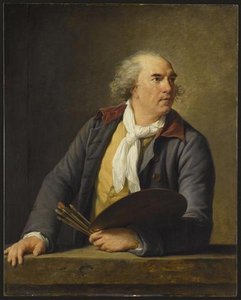
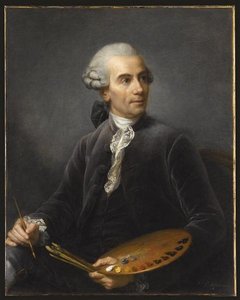
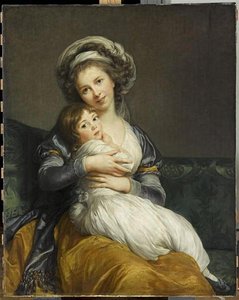
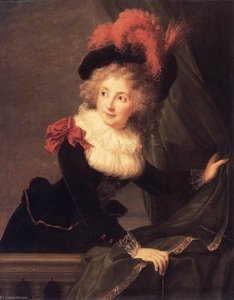
アーティストの略歴
優雅に描かれた生涯:ルイーズ・エリザベート・ヴィジェ・ルブランの世界
18世紀フランス肖像画の気品と洗練の代名詞とも言える名前、ルイーズ・エリザベート・ヴィジェ・ルブラン。彼女は単なる画家ではありませんでした。彼女はある時代の記録者であり、被写体の外見のみならず、その魂の真髄までも捉える達人だったのです。1755年にパリで生まれた彼女の芸術への道のりは、すでに芸術の世界に深く根ざした家庭から始まりました。成功を収めたパステル画の肖像画家であった父ルイ・ヴィジェは、極めて幼い頃から彼女の才能を見出し、育みました。彼が授けた初期の指導は、後の輝かしいキャリアの礎となったのです。この家族による励ましは、彼女がわずか12歳で父を亡くした後、より一層重要な意味を持つことになります。母はルイザのさらなる研鑽のため、ブレーズ・ボケ、ピエール・ダヴェスヌ、ガブリエル・ブリアールといった当時の名高い画家たちのもとへ彼女を送り出しました。これらの形成期に過ごした年月は、技術的な習熟だけでなく、彼女の作風の象徴となる光、色彩、そして構図の繊細なニュアンスに対する深い審美眼を彼女に植え付けました。若き日のヴィジェ・ルブランは、すでに自らの芸術を通じて生計を立てており、その早熟な才能と、自身の技術に対する揺るぎない献身を証明していたのです。
王室の寵愛と芸術の開花
ヴィジェ・ルブランのキャリアにおける決定的な転換点は、1778年にマリー・アントワネットを描く依頼を受けたことでした。これは単なる芸術的な好機にとどまらず、豪華絢爛な宮廷と目の肥えたパトロンたちが集う、フランス社会の核心部へと足を踏み入れることを意味していました。王妃は当初、肖像画のモデルになることにためらいを見せていましたが、ヴィジェ・ルブランが持つ、威厳と親しみやすさを同時に描き出す卓越した手腕に、すぐに心を許しました。それは、他の多くの画家には成し得なかった繊細な均衡でした。この依頼をきっかけとして次々と王室の肖像画制作へと繋がり、彼女はマリー・アントワエネットの公式肖像画家としての地位を確立し、フランス貴族社会における存在感を確固たるものにしました。彼女のアトリエはエリートたちの社交場となり、キャンバスの上に自らの姿を永遠に残したいと願う上流階級の人々を惹きつけました。彼女には、被写体の身体的な類似性だけでなく、その人物の個性や社会的地位までも捉える並外れた才能がありました。この才能に、彼女自身の天性の魅力と外交術が組み合わさることで、複雑な宮廷パトロンの世界を驚くべき成功とともに渡り歩くことができたのです。この時期の彼女のスタイルは、ロココ様式の遊び心ある優雅さと、高まりつつあった新古典主義の感性を融合させ、流行でありながらも時代を超越した肖像画を生み出しました。
優雅さと自然主義が定義する作風
ヴィジェ・ルブランの芸術的アプローチは、肖像画に生命感と感情を吹き込む驚異的な能力によって特徴づけられます。彼女はそれまでの肖像画に見られた硬直した形式主義から脱却し、より自然なポーズや表情を選択しました。その筆致は流麗かつ繊細で、絵画の中に柔らかさと輝きをもたらしました。また、布地や宝石、髪型といった細部への細心の注意は、地位や洗練さを伝える重要な要素となりました。ロココ様式が強調するパステル調の色使いや装飾的な華やかさに影響を受けつつも、彼女は新古典主義の明晰さと均衡という原則をも取り入れ、優雅さと洗練を兼ね備えた独自のスタイルを確立したのです。『娘ジュリーとの自画像』のような代表作には、親密な瞬間を捉え、母としての慈しみを伝える彼女の熟練した技が見事に示されています。また、バラを手にする王妃の象徴的な描写を含む数々のマリー・アントワネットの肖像画は、王族を壮大さと人間性の両面から描き出す彼女の力を物語っています。肖像画の枠を超えて、ヴィジェ・ルブランは風景画や風俗画にも取り組み、芸術家としての多才さを発揮しました。
亡命、不屈の精神、そして永遠の遺産
フランス革命は、ヴィジェ・ルブルランの人生の軌道を決定的に変えてしまいました。王室との親密な関係にあった彼女は、監視の目にさらされ、迫害を避けるために1789年にフランスを脱出せざるを得なくなりました。これが、ロシア、イタリア、イギリス、スイスなど、ヨーロッパ各地を巡る亡命生活の始まりとなりました。激動の時代にあっても、彼女は描き続けることをやめませんでした。ヨーロッパの貴族たちのパトロンを見出し、国際的に名高い芸術家としての地位を築き上げたのです。旅を通じて彼女の芸術的視野は広がり、異なる様式や技法に触れることとなりました。1809年にフランスへ帰国した際、政治情勢は劇的に変化していましたが、彼女は再び画家としてのキャリアを再開しました。後に出版された回想録『思い出(Souvenirs)』は、当時の芸術界を覗き見る魅力的な窓となり、彼女の人生と経験に関する貴重な洞察を与えてくれます。ヴィジェ・ルブランの遺産は、単なる技術的な卓越性を超えたものです。彼女は男性が支配的であった芸術分野において、驚異的な成功を収めた女性芸術家の先駆者でした。彼女の作品は、その美しさ、優雅さ、そして歴史的重要性が今なお称賛されており、18世紀フランスの世界へと私たちを誘う魅惑的な窓として、歴史上最も優れた肖像画家の一人としての地位を不動のものにしています。外見だけでなく、被写体の内面までも捉える彼女の力は、彼女の作品が今日においても観る者の心に響き続ける理由なのです。
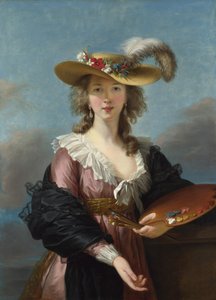
ルイーズ・エリザベート・ヴィジェ=ルブラン
1755 - 1842
基本情報
- Artistic Movement Or Style: ロココ・新古典主義
- Artists Who Influenced This Artist:
- ルーベンス
- ヴァン・ダイク
- レンブラント
- Date Of Birth: 1755年4月16日
- Date Of Death: 1842年
- Full Name: ルイーズ・エリザベート・ヴィジェ・ルブラン
- Nationality: フランス
- Notable Artworks:
- 娘ジュリーとの自画像
- マリー・アントワネットの肖像画
- 薔薇のドレスの王妃
- Place Of Birth: フランス、パリ
関連記事
Vigée Le Brun: Portraiture, Patronage & Feminine Identity in 18th-Century France
Explore the life & art of Louise Élisabeth Vigée Le Brun, Marie Antoinette’s renowned portraitist. Discover her Rococo style, self-portraits, and influence on 18th-century French painting. A deep dive into patronage & feminine identity.
Charles Le Brun: Master of French Baroque Classicism & His Enduring Legacy
Explore the life & art of Charles Le Brun, master of French Baroque Classicism. Discover his royal commissions, influence on Versailles, and enduring legacy through detailed analysis & stunning artworks.

華麗なるロココ:芸術史を彩る10大傑作の世界
華麗なるロココ美術の世界へ。バロックから生まれた優雅な芸術、その10大傑作を徹底解説!ブーシェ、フロマンなど巨匠たちの技と物語を紐解き、お部屋を彩るアートを見つけよう。ArtsDot.comで至高の美術館品質レプリカとインテリアアイデアを発見。

The Rococo Aesthetic: Opulence, Rebellion & the Pursuit of Pleasure in 18th-Century Art
Explore the opulent world of Rococo art! Discover its origins, key artists like Watteau & Boucher, and lasting influence on design. Expert insights for collectors & enthusiasts.
The Allure of Elegance in Art: A Historical & Aesthetic Exploration of Refinement & Grace
Explore the exquisite world of Rococo art! Discover its history, masters (Watteau, Boucher & more), and defining elegance. Expert insights for collectors seeking museum-quality reproductions & custom portraits.