

 プレビュー
プレビュー
 プリントを購入
 シェアする
シェアする シェアする
シェアする
 詳細を見る
詳細を見る

 ダウンロード
 似ている作品
 X線調査
X線調査 スライドショー
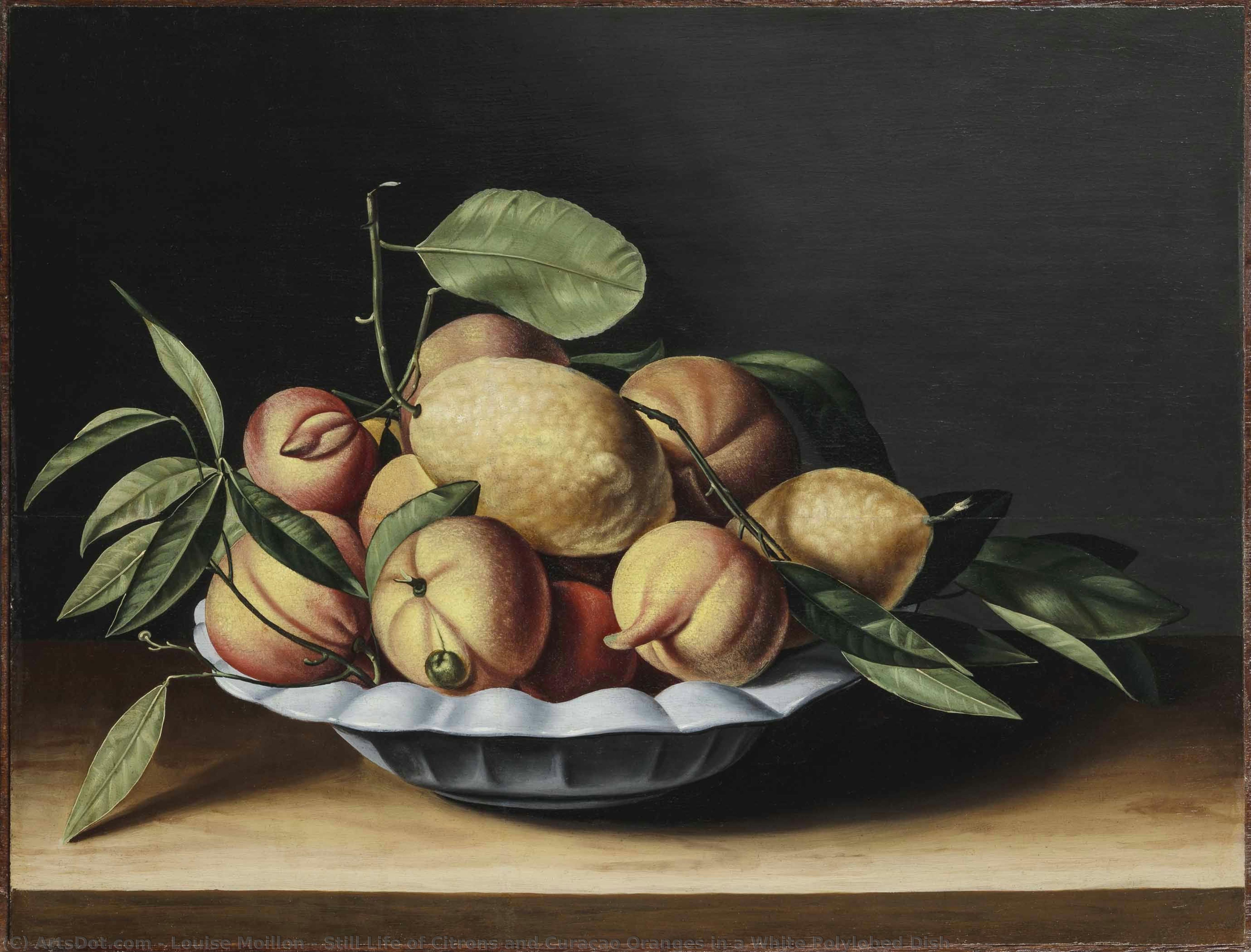
Still Life of Citrons and Curaçao Oranges in a White Polylobed Dish
 Oil On Canvas
- WallArt
- Baroque Still Life
 1634
1634 49.0 x 64.0 cm
 Toledo Museum of Art
 詳細を見る
詳細を見る
オンラインプレビューをはるかに凌ぐ、高解像度で鮮明なデジタル画像をご購入いただけます。
各ファイルは、社内の専門家が高度なツールと熟練した手作業によるレタッチを用いて、細心の注意を払って準備されています。すべての画像において、卓越した鮮明度、正確な色彩再現性、そして繊細なディテールを保証いたします。
最終ファイルは、プロフェッショナルな編集・印刷環境ですぐにご利用いただけるよう最適化された状態で、72時間以内にメールにてお届けいたします。これは、一流のデザインスタジオ、出版社、ギャラリーから信頼されているものと同等の品質です。
デジタル画像のご注文に付随する特典
高品質なデジタル画像配信を、確かな品質で。
ArtsDot.com を選ぶことは、単に画像を手に入れることではありません。それは、プロの手によって精密に仕上げられ、満足保証が付いた高品質なデジタルアートワークを受け取ることを意味します。ご注文いただいた際に自動的に付随する内容は、以下の通りです:

メールですぐにお届け
ご注文から72時間以内に、高解像度のデジタル画像ファイルがメールでお手元に届きます。すぐにそのままご利用いただけます。

AI技術で最適化されたデジタルファイル
お客様の作品は、高度なAIツールと専門家による手作業の編集を組み合わせてプロフェッショナルに最適化されており、細部のディテール、鮮明さ、そして正確な色再現性を最大限に引き出しています。

一生涯無料の再送サービス
ファイルを誤って削除したり、紛失してしまったりしましたか?ご安心ください。いつでも無料で再送いたします。

輸入手数料は一切かかりません
関税や手数料、配送料を気にすることなく、お気に入りのアートワークをすぐにお楽しみいただけます。デジタルダウンロードは常に免税です。

色彩再現の保証
プロ仕様のツールとカラーマネジメント技術を用いることで、デジタル画像が元の色を最大限に忠実に再現することを保証いたします。

60日間満足保証
ご購入いただいたデジタル画像にご満足いただけない場合は、60日以内であれば、修正または100%の返金(理由を問う必要はありません)をさせていただきます。

100% 返金保証
ご満足いただけない場合は、デジタルファイルを受け取ってから60日以内であれば、理由を問わず全額返金いたします。

まとめ買い割引
3枚購入で10%OFF - 5枚購入で15%OFF - 10枚以上購入で20%OFF。クリエイティブなプロジェクト、ギャラリー、エージェンシーに最適です。
作品の詳細
A Moment Preserved: Still Life of Citrons and Curaçao Oranges in a White Polylobed Dish by Louise Moillon (1634)
This exquisite still life, measuring 49 x 64 cm, offers a captivating glimpse into the world of Baroque art through the discerning eye of Louise Moillon. Painted in 1634, it’s a testament to her skill and the prevailing artistic trends of the era – a period defined by an intense focus on naturalism, meticulous detail, and a subtle yet profound exploration of symbolism.
- Subject Matter: The composition centers around a bowl brimming with vibrant citrus fruits – plump citrons and Curaçao oranges – arranged with remarkable attention to form and texture. The inclusion of lemons adds further complexity, their contrasting shapes and colors creating a dynamic visual interplay.
- Technique: Moillon’s mastery is evident in her delicate handling of light and shadow, characteristic of the Dutch Baroque style. She employs a layering technique, building up translucent glazes to achieve a luminous quality that brings the fruits to life. The smooth surfaces and subtle variations in tone suggest a deep understanding of oil paint's capabilities.
The Huguenot Legacy and Artistic Roots
Louise Moillon’s artistic journey is inextricably linked to her family history. Born in Paris in 1610, she descended from Huguenot refugees who had fled persecution in Holland. This lineage instilled within her a deep appreciation for naturalism and symbolic representation – hallmarks of the Protestant artistic tradition that flourished during this period. The influence of her father, Nicolas Moillon, a skilled artist himself, further shaped her approach, emphasizing detailed depictions of fruit, flowers, and occasionally human figures.
Her upbringing within the vibrant Protestant community of Saint-Germain-des-Prés provided an unparalleled environment for artistic development. This exposure to artists who championed a distinctive style – one rooted in meticulous observation and symbolic meaning – profoundly impacted Moillon’s own oeuvre, contributing to her reputation as a quiet but brilliant practitioner of Baroque still life.
Symbolism and the Language of Still Life
Still lifes during the 17th century were far more than mere depictions of objects; they were imbued with symbolic meaning. The arrangement of fruits, their colors, and even their placement within the composition carried significant weight. Citrus fruits, particularly oranges and lemons, represented wealth, prosperity, and good fortune – desirable attributes in a society grappling with economic uncertainty and religious upheaval. The white polylobed dish itself could symbolize purity or innocence, while the overall balance and harmony of the arrangement reflected an aspiration for order and tranquility.
Emotional Impact and Timeless Appeal
“Still Life of Citrons and Curaçao Oranges in a White Polylobed Dish” transcends its historical context to offer a timeless appeal. The painting’s luminous quality, combined with Moillon's masterful rendering of texture and form, evokes a sense of quiet contemplation and appreciation for the beauty of the natural world. This piece is not just a representation of fruit; it’s an invitation to pause, observe, and find solace in the simple elegance of a perfectly arranged still life – a sentiment that continues to resonate with art lovers and collectors today.
関連作品
作家の略歴
The Quiet Brilliance of Louise Moillon
In the grand, sweeping narratives of the Baroque era, where drama and movement often dominate the canvas, the work of Louise Moillon offers a profound and meditative alternative. Born in Paris in 1610, Moillon emerged from a world shaped by the intense religious and cultural shifts of 17th-century France. Her very lineage tells a story of resilience and artistic heritage; as a descendant of Huguenot refugees from Holland, she was immersed in a tradition that valued the meticulous observation of the natural world. This background provided more than just a family history—it offered a stylistic vocabulary rooted in the Dutch mastery of light, texture, and symbolic realism.
Moillon’s early life was marked by both loss and profound artistic mentorship. The death of her father, the landscape painter and dealer Nicolas Moillon, when she was only ten, could have altered her path, yet her upbringing remained deeply embedded in the arts. Under the guidance of her stepfather, François Garnier, a skilled artist and dealer, she refined a technique that would become her hallmark. Her education was not merely about the application of pigment to canvas, but an immersion into the humanist values of her time, learning to see the divine within the minute details of a ripening fruit or the delicate curve of a petal.
A Mastery of Texture and Light
The true genius of Moillon lies in her ability to transform the mundane into the extraordinary. Her compositions are characterized by a serene stillness, a quietude that invites the viewer to linger and observe. She possessed an almost supernatural ability to capture the tactile qualities of her subjects—the waxy skin of a citron, the soft fuzz of a peach, or the translucent juice of a crushed berry. In works such as Still Life of Citrons and Curaçao Oranges in a White Polylobed Dish, one can sense the cool moisture of the fruit against the hard, glazed surface of the porcelain, creating a sensory experience that transcends the two-dimensional plane.
Her technique was deeply influenced by the naturalistic traditions of the Protestant circles in which she moved. This approach favored clarity and precision over the theatrical shadows of the more flamboyant Baroque masters. Instead, Moillon utilized light to sculpt her subjects, using subtle gradations of tone to create volume and depth. Her palette, while often focused on the vibrant hues of nature, was used with such restraint that each color felt luminous, as if lit from within. This mastery allowed her to bridge the gap between mere botanical illustration and high art, imbuing every piece with a sense of life and vitality.
Legacy and Historical Significance
Throughout her long life, which spanned nearly nine decades, Moillon achieved a level of renown that was rare for female artists of her era. Her ability to secure commissions from prestigious patrons, including members of the royal court, speaks to the undeniable quality and sophistication of her oeuvre. While her work often focused on the intimate scale of still life, its impact was expansive, contributing significantly to the development of the French still-life tradition.
The historical significance of Louise Moillon extends beyond her technical skill; she represents a vital link between the Dutch naturalistic tradition and the burgeoning French aesthetic of the 17th century. Her paintings serve as windows into a lost world of Parisian markets and private gardens, capturing a sense of abundance and ephemeral beauty. Today, her works remain cherished treasures in institutions such as the Louvre, standing as enduring testaments to a life dedicated to finding the extraordinary within the ordinary. Her legacy is found in every brushstroke that celebrates the quiet, breathtaking splendor of the natural world.
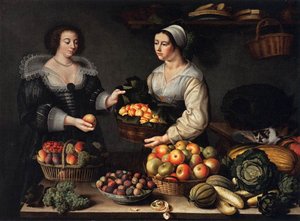
Louise Moillon
1610 - 1696

