 プレビュー
プレビュー
 シェアする
シェアする シェアする
シェアする
 詳細を見る
詳細を見る

 ダウンロード
 似ている作品
 X線調査
X線調査 スライドショー
The Women of Amphissa


 詳細を見る
詳細を見る
ジークレー/アートプリント
迅速な制作と多彩な仕上げオプションを備えた、ミュージアムクオリティのジークレーまたはキャンバスプリント。 ( 手描きの絵画を購入 画像を購入)




P118B $10

P118H $10

P118W $10

P438Z $10

P508JH $12

P508YH $12

P805H $10

P805Z $10

P919BZ $10

P919G $10

P919XJ $10

P959ZH $10

P968JZ $12

W106C $8

W218G $10

W218JH $8

W218Y $10

W307PJ $10

W316G $10

W316PJ $8

W316Y $10

W398PJ $8

W4111J $10

W500HY $15

W500JH $15

W692G $12

W849H $8

W940BG $15

W953PJ $8




作品のオリジナル比率に合わせた、当店の規定サイズからお選びください。

特定のフレームやスペースに合わせて、ご自身でサイズを指定することも可能です。選択されたサイズが元の画像の比率と一致しない場合、作品をトリミングするか、鏡面反射または単色での塗りつぶしによって画像を拡張いたします。制作を開始する前に、ご確認用のデジタルモックアップをお送りいたします。
画面上のプレビューには、実際のトリミングや拡張は反映されませんのでご注意ください。最終的な構図を正確に確認できるのは、モックアップのみとなります。
カスタムサイズも承っておりますが、元の比率を維持するためには、あらかじめ用意されたリストからサイズを選択することをお勧めいたします。


 ガラスオプションは、110cm未満のサイズでのみご利用いただけます。

The Women of Amphissa
ジークレー/アートプリント
複製画のサイズ
-


合計金額
$ 62
The Women of Amphissa: A Glimpse into Dionysian Ecstasy
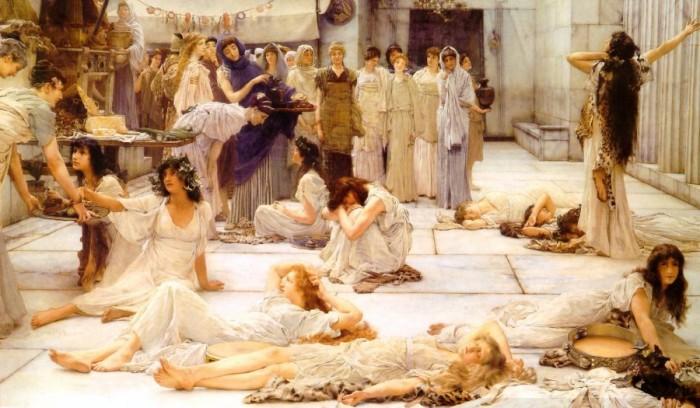
Sir Lawrence Alma-Tadema’s “The Women of Amphissa,” completed in 1887 and currently residing within the hallowed halls of the Clark Art Institute, is more than just a painting; it's a meticulously crafted tableau vivant—a frozen moment capturing an intense, almost hallucinatory scene. The canvas depicts a startlingly candid encounter between a group of exhausted maenads, the female devotees of Dionysus, and the startled inhabitants of the Greek marketplace town of Amphissa. It’s a work that immediately draws the viewer in, inviting speculation about the events leading up to this tableau and prompting reflection on the complex interplay of ritual, intoxication, and societal reaction.
Alma-Tadema, a master of Victorian aesthetics, was deeply fascinated by classical antiquity, particularly the Roman world. However, unlike many artists of his era who simply replicated historical scenes, he sought to imbue them with a palpable sense of atmosphere and psychological depth. “The Women of Amphissa” exemplifies this approach. The artist’s meticulous attention to detail—from the folds of the women's garments to the arrangement of produce in the marketplace—creates an illusionistic richness that transports the viewer directly into the scene. He skillfully employed a technique known as *trompe-l'oeil*, creating the impression of three-dimensional space and texture, further enhancing the realism of the composition.
A Night of Revelry and Awakening
The narrative of the painting unfolds with remarkable clarity. It recounts a story from Plutarch’s “Moralia,” detailing an incident involving the maenads—women who, under the influence of Dionysus, would abandon themselves to ecstatic dancing and revelry. After a night spent in a trance, they stumbled into Amphissa, unknowingly disrupting the daily routines of its citizens. The painting captures the immediate aftermath: the women, disoriented and exhausted, awaken amidst the bewildered reactions of the townspeople. The contrast between their languid, almost dreamlike state and the stiff formality of the marketplace dwellers is striking – a visual representation of the disruption caused by the maenads’ ritualistic behavior.
Alma-Tadema masterfully uses light and shadow to heighten the drama. The scene is bathed in a soft, diffused glow, suggesting early morning or late evening—a time of transition and heightened emotion. The figures are rendered with exquisite detail, their faces conveying a range of emotions: surprise, apprehension, curiosity, and even a hint of disdain. Notice how Alma-Tadema subtly suggests the intoxicating effects of wine through the relaxed postures and expressions of the maenads, while simultaneously portraying the discomfort and confusion of the onlookers.
Symbolism and Victorian Sensibilities
“The Women of Amphissa” is rich in symbolic meaning. The maenads themselves represent a rejection of societal norms and expectations, embracing a world of primal instinct and ecstatic experience. Their presence challenges the rigid moral codes of Victorian society, which valued restraint and decorum above all else. The marketplace setting—a symbol of everyday life and commerce—is disrupted by this otherworldly encounter, highlighting the tension between the sacred and the profane.
Furthermore, the painting reflects Alma-Tadema’s fascination with classical themes and his desire to evoke a sense of timelessness. The scene is reminiscent of ancient Greek frescoes, yet it's imbued with a distinctly Victorian sensibility—a meticulous attention to detail, an emphasis on luxurious materials, and a subtle critique of social conventions. The artist’s choice of subject matter—a moment of intense emotion captured in a seemingly ordinary setting—demonstrates his ability to transform historical narratives into compelling works of art.
A Timeless Masterpiece
“The Women of Amphissa” remains a captivating work of art, offering viewers a glimpse into the complex world of ancient Greek religion and society. Alma-Tadema’s masterful technique, combined with his insightful understanding of human psychology, creates an enduring image that continues to resonate today. It's a painting that invites contemplation—a reminder of the power of art to transport us to another time and place, and to provoke reflection on our own values and beliefs. Reproductions of this iconic piece offer a beautiful way to bring this evocative scene into any home or office, adding a touch of classical elegance and dramatic flair.
関連作品
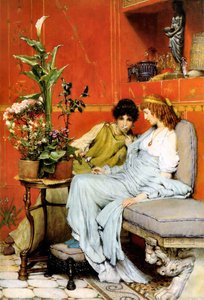
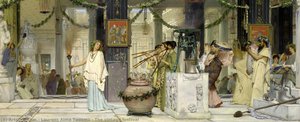
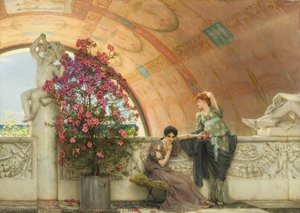
アーティストの略歴
Lourens Alma Tadema(ローレンス・アルマ・タデマ)の生涯と芸術
ローレンス・アルマ・タデマは、1836年1月8日にオランダのフリースランド州ドロンリープで生まれました。彼の父親ピエートル・ジルトェス・タデマは村長であり、最初の結婚で3人の息子をもうけていました。母親ヒンケ・ディルクス・ブローワーはピエートルの最初の妻のハインケの姉妹でした。タデマ家は1838年にリーアウワルデンに移住し、ピエートルの村長としての地位がより有利になるようにしました。彼の父親は4歳の時に亡くなり、母親は5人の子供を残しました。ヒンケ・ブローワーは芸術的な才能を持っており、子供たちの教育に絵画レッスンを組み込むことを決めました。彼はもう一方の息子たちに絵画指導をするための地元の人々が雇われた絵画家と学び始めました。彼は4年間アムステルダム王立アカデミーで登録学生を務め、初期のオランダおよびフランドルの画家たちを研究し、歴史的な正確さを求める厳格な要求に応えるとともに、ロマン主義の影響を受けました。彼はアカデミーで美術教師を務めるルイユス・ヤン・デ・タエイに紹介され、歴史と衣装に関するコースはアカデミーで彼が特に楽しんだものでした。デ・タエイは彼の初期のキャリアにおけるテーマとしてメロヴィーニアン主題を追求する動機付けました。彼は美術教師から受けた批判を真剣に受け止め、技術を向上させ、古典的な表現において世界最高の画家となりました。初期の人生と芸術的訓練
タデマは4歳の時に父親が亡くなり、母親は5人の子供を残しました。彼は幼少期に絵画指導を受けるための地元の人々が雇われた絵画家と学び始めました。彼は4年間アムステルダム王立アカデミーで登録学生を務め、初期のオランダおよびフランドルの画家たちを研究し、歴史的な正確さを求める厳格な要求に応えるとともに、ロマン主義の影響を受けました。彼はアカデミーで美術教師を務めるルイユス・ヤン・デ・タエイに紹介され、歴史と衣装に関するコースはアカデミーで彼が特に楽しんだものでした。デ・タエイは彼の初期のキャリアにおけるテーマとしてメロヴィーニアン主題を追求する動機付けました。彼は美術教師から受けた批判を真剣に受け止め、技術を向上させ、古典的な表現において世界最高の画家となりました。彼は4年間アムステルダム王立アカデミーで登録学生を務め、初期のオランダおよびフランドルの画家たちを研究し、歴史的な正確さを求める厳格な要求に応えるとともに、ロマン主義の影響を受けました。彼はアカデミーで美術教師を務めるルイユス・ヤン・デ・タエイに紹介され、歴史と衣装に関するコースはアカデミーで彼が特に楽しんだものでした。彼は4年間アムステルダム王立アカデミーで登録学生を務め、初期のオランダおよびフランドルの画家たちを研究し、歴史的な正確さを求める厳格な要求に応えるとともに、ロマン主義の影響を受けました。彼はアカデミーで美術教師を務めるルイユス・ヤン・デ・タエイに紹介され、歴史と衣装に関するコースはアカデミーで彼が特に楽しんだものでした。彼は4年間アムステルダム王立アカデミーで登録学生を務め、初期のオランダおよびフランドルの画家たちを研究し、歴史的な正確さを求める厳格な要求に応えるとともに、ロマン主義の影響を受けました。彼はアカデミーで美術教師を務めるルイユス・ヤン・デ・タエイに紹介され、歴史と衣装に関するコースはアカデミーで彼が特に楽しんだものでした。彼は4年間アムステルダム王立アカデミーで登録学生を務め、初期のオランダおよびフランドルの画家たちを研究し、歴史的な正確さを求める厳格な要求に応えるとともに、ロマン主義の影響を受けました。彼はアカデミーで美術教師を務めるルイユス・ヤン・デ・タエイに紹介され、歴史と衣装に関するコースはアカデミーで彼が特に楽しんだものでした。彼は4年間アムステルダム王立アカデミーで登録学生を務め、初期のオランダおよびフランドルの画家たちを研究し、歴史的な正確さを求める厳格な要求に応えるとともに、ロマン主義の影響を受けました。彼はアカデミーで美術教師を務めるルイユス・ヤン・デ・タエイに紹介され、歴史と衣装に関するコースはアカデミーで彼が特に楽しんだものでした。彼は4年間アムステルダム王立アカデミーで登録学生を務め、初期のオランダおよびフランドルの画家たちを研究し、歴史的な正確さを求める厳格な要求に応えるとともに、ロマン主義の影響を受けました。彼はアカデミーで美術教師を務めるルイユス・ヤン・デ・タエイに紹介され、歴史と衣装に関するコースはアカデミーで彼が特に楽しんだものでした。彼は4年間アムステルダム王立アカデミーで登録学生を務め、初期のオランダおよびフランドルの画家たちを研究し、歴史的な正確さを求める厳格な要求に応えるとともに、ロマン主義の影響を受けました。彼はアカデミーで美術教師を務めるルイユス・ヤン・デ・タエイに紹介され、歴史と衣装に関するコースはアカデミーで彼が特に楽しんだものでした。彼は4年間アムステルダム王立アカデミーで登録学生を務め、初期のオランダおよびフランドルの画家たちを研究し、歴史的な正確さを求める厳格な要求に応えるとともに、ロマン主義の影響を受けました。彼はアカデミーで美術教師を務めるルイユス・ヤン・デ・タエイに紹介され、歴史と衣装に関するコースはアカデミーで彼が特に楽しんだものでした。彼は4年間アムステルダム王立アカデミーで登録学生を務め、初期のオランダおよびフランドルの画家たちを研究し、歴史的な正確さを求める厳格な要求に応えるとともに、ロマン主義の影響を受けました。彼はアカデミーで美術教師を務めるルイユス・ヤン・デ・タエイに紹介され、歴史と衣装に関するコースはアカデミーで彼が特に楽しんだものでした。彼は4年間アムステルダム王立アカデミーで登録学生を務め、初期のオランダおよびフランドルの画家たちを研究し、歴史的な正確さを求める厳格な要求に応えるとともに、ロマン主義の影響を受けました。彼はアカデミーで美術教師を務めるルイユス・ヤン・デ・タエイに紹介され、歴史と衣装に関するコースはアカデミーで彼が特に楽しんだものでした。彼は4年間アムステルダム王立アカデミーで登録学生を務め、初期のオランダおよびフランドルの画家たちを研究し、歴史的な正確さを求める厳格な要求に応えるとともに、ロマン主義の影響を受けました。彼はアカデミーで美術教師を務めるルイユス・ヤン・デ・タエイに紹介され、歴史と衣装に関するコースはアカデミーで彼が特に楽しんだものでした。彼は4年間アムステルダム王立アカデミーで登録学生を務め、初期のオランダおよびフランドルの画家たちを研究し、歴史的な正確さを求める厳格な要求に応えるとともに、ロマン主義の影響を受けました。彼はアカデミーで美術教師を務めるルイユス・ヤン・デ・タエイに紹介され、歴史と衣装に関するコースはアカデミーで彼が特に楽しんだものでした。彼は4年間アムステルダム王立アカデミーで登録学生を務め、初期のオランダおよびフランドルの画家たちを研究し、歴史的な正確さを求める厳格な要求に応えるとともに、ロマン主義の影響を受けました。彼はアカデミーで美術教師を務めるルイユス・ヤン・デ・タエイに紹介され、歴史と衣装に関するコースはアカデミーで彼が特に楽しんだものでした。彼は4年間アムステルダム王立アカデミーで登録学生を務め、初期のオランダおよびフランドルの画家たちを研究し、歴史的な正確さを求める厳格な要求に応えるとともに、ロマン主義の影響を受けました。彼はアカデミーで美術教師を務めるルイユス・ヤン・デ・タエイに紹介され、歴史と衣装に関するコースはアカデミーで彼が特に楽しんだものでした。彼は4年間アムステルダム王立アカデミーで登録学生を務め、初期のオランダおよびフランドルの画家たちを研究し、歴史的な正確さを求める厳格な要求に応えるとともに、ロマン主義の影響を受けました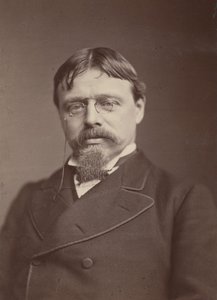
ローレンス・アルマ・タデマ
1836 - 1912 , オランダ
基本情報
- Artistic Movement Or Style: ヴィクトリアン絵画
- Artists Or Movements Influenced By This Artist: ['ロマン主義']
- Artists Who Influenced This Artist: ['ルイユジャンドタエイ']
- Date Of Birth: 1月8日、1836年
- Date Of Death: 6月25日、1912年
- Full Name: Lourens Alma Tadema
- Nationality: オランダ人
- Notable Artworks:
- キス
- アスクミーノモレ
- ローマ庭園の眺め
- Place Of Birth: ドローンリプ、オランダ
関連記事
Sir Lawrence Alma-Tadema: A Study in Victorian Aestheticism & Classical Antiquity
Explore the captivating world of Sir Lawrence Alma-Tadema, a master of Victorian Aestheticism. Discover his stunning depictions of ancient Rome, artistic techniques, and enduring legacy with ArtsDot.
The Enduring Muse: Women as Subject & Symbol in Art History
Explore the rich history of women in art – from iconic muses to groundbreaking artists. Discover feminist movements, global perspectives & reclaim female narratives with ArtsDot.
Neo-Classicism's Greatest Hits: 10 Masterpieces for Your Home |
Journey through Neo-Classicism's finest! Explore 10 iconic masterpieces by David, Ingres & Canova. Discover art history, techniques & timeless beauty – perfect for inspiring your home decor. Find museum-quality reproductions at
The Enduring Legacy of Classicism: Principles, Evolution & Influence in Western Art
Explore the enduring legacy of Classicism in Western art! Discover its historical context, key principles, iconic masterpieces & lasting influence. Learn about Renaissance and Neoclassical movements with ArtsDot.
Timeless Resonance: Exploring Classic Vibe in Art – A Historical & Aesthetic Analysis
Explore the rich history & enduring aesthetic of Classicism art! Discover key movements, iconic artists like Raphael & David, and its lasting influence on Western art. Deepen your appreciation today.