

 プレビュー
プレビュー
 シェアする
シェアする シェアする
シェアする
 詳細を見る
詳細を見る

 ダウンロード
 似ている作品
 X線調査
X線調査 スライドショー
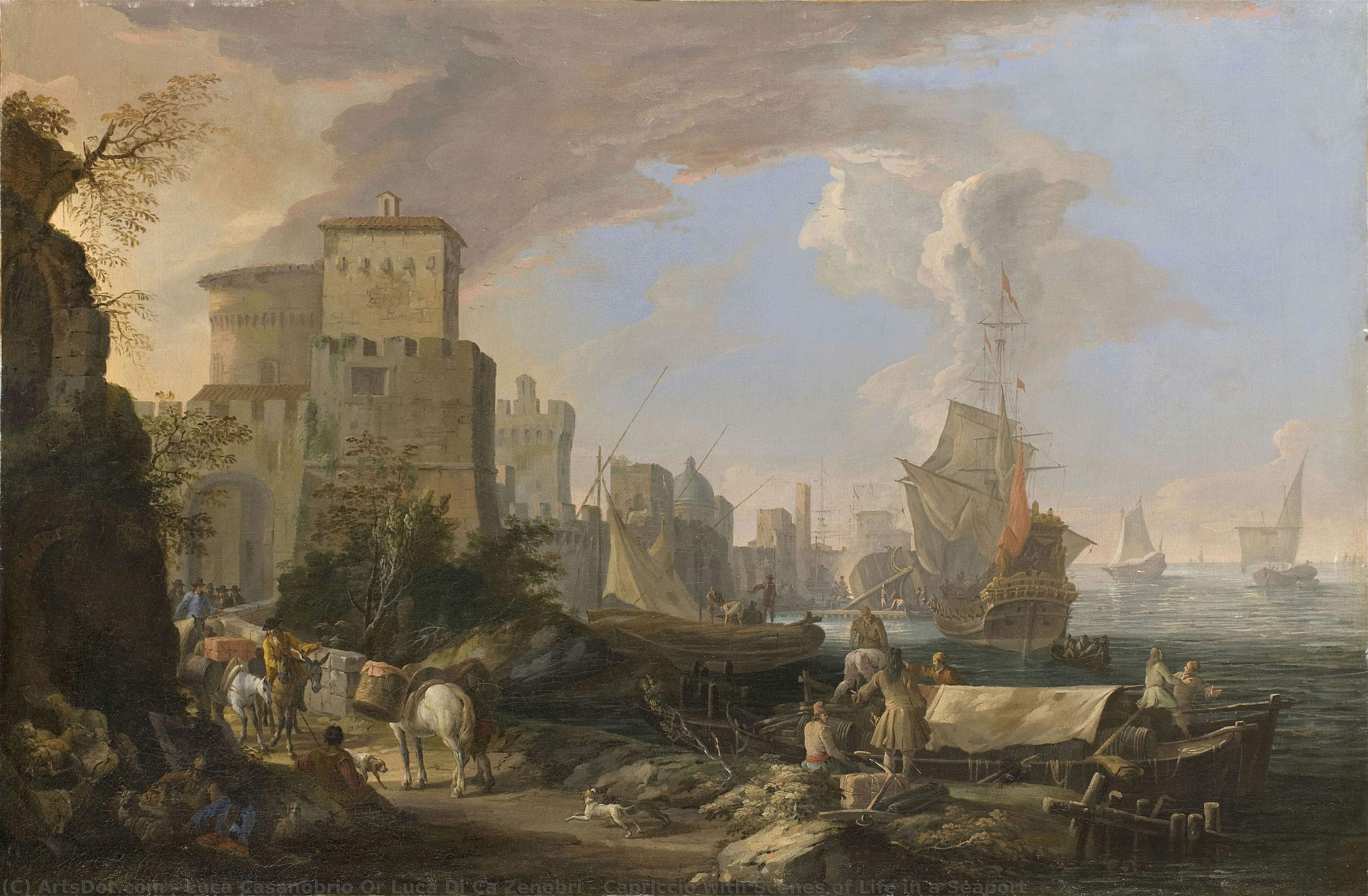
Capriccio with Scenes of Life in a Seaport
 Oil
Oil- WallArt
- Baroque
 Early Modern
 131.0 x 87.0 cm
 Fondazione Cariplo
 詳細を見る
詳細を見る
ジークレー/アートプリント
迅速な制作と多彩な仕上げオプションを備えた、ミュージアムクオリティのジークレーまたはキャンバスプリント。 ( 手描きの絵画を購入 画像を購入)




































作品のオリジナル比率に合わせた、当店の規定サイズからお選びください。

特定のフレームやスペースに合わせて、ご自身でサイズを指定することも可能です。選択されたサイズが元の画像の比率と一致しない場合、作品をトリミングするか、鏡面反射または単色での塗りつぶしによって画像を拡張いたします。制作を開始する前に、ご確認用のデジタルモックアップをお送りいたします。
画面上のプレビューには、実際のトリミングや拡張は反映されませんのでご注意ください。最終的な構図を正確に確認できるのは、モックアップのみとなります。
カスタムサイズも承っておりますが、元の比率を維持するためには、あらかじめ用意されたリストからサイズを選択することをお勧めいたします。


 ガラスオプションは、110cm未満のサイズでのみご利用いただけます。

Capriccio with Scenes of Life in a Seaport
ジークレー/アートプリント
複製画のサイズ
-


合計金額
$ 62
関連作品
アーティストの略歴
Luca Casanobrio or Luca di Ca Zenobri: The Pioneer of Venetian Cityscapes
Luca Casanobrio, more commonly known as Luca Carlevarijs or Carlevaris, stands as a pivotal figure in the history of art, particularly renowned for his groundbreaking contributions to the genre of *vedute* – cityscapes – of Venice. Born in Udine, Italy, on January 20, 1663, and passing away in Venice itself in 1730, Carlevaris’s artistic journey was one of meticulous observation, mathematical precision, and a profound appreciation for the unique beauty of his adopted city. His work wasn't merely a depiction of buildings; it was an attempt to capture the very essence of Venetian life, its light, its atmosphere, and its intricate urban fabric – a legacy that profoundly influenced generations of artists, most notably Canaletto and Francesco Guardi.Early Life and Artistic Foundations
Carlevaris’s early career unfolded within the vibrant artistic milieu of Venice, a city steeped in tradition yet constantly evolving. He began his training immersed in the established Venetian school of painting, absorbing its characteristic emphasis on rich color palettes, dramatic lighting, and a focus on everyday life. However, Carlevaris quickly distinguished himself through an increasingly acute interest in perspective and architectural detail. This fascination stemmed partly from his own mathematical inclinations – a trait that would become central to his artistic approach. He wasn’t simply painting what he saw; he was meticulously reconstructing it within the framework of accurate representation. His early works demonstrate this burgeoning skill, hinting at the groundbreaking *vedute* that were yet to come.The Development of the Veduta Style
Carlevaris's true artistic breakthrough occurred with his pioneering exploration of the *veduta*, a genre that had roots in earlier Italian landscape painting but was being refined and elevated by him. Unlike previous depictions, Carlevaris’s cityscapes weren’t romanticized or idealized; they were rigorously observed and rendered with an almost photographic precision. He employed techniques borrowed from Dutch perspective painters like Caspar van Wittel, who had established a tradition of meticulously detailed urban views in Rome. This influence is evident in the careful use of linear perspective, the precise rendering of architectural elements, and the inclusion of small details that brought the scenes to life – bustling markets, individual figures going about their daily routines, and the subtle play of light on water and stone. His series of etched views published in 1703 became a seminal work, establishing a new standard for urban landscape painting.Notable Works and Artistic Achievements
Among Carlevaris’s most celebrated works is “Capriccio with Scenes of Life in a Seaport,” a captivating composition that masterfully balances architectural grandeur with the dynamism of maritime activity. This piece, available to explore on ArtsDot.com, exemplifies his ability to create a sense of depth and atmosphere through careful use of light, color, and perspective. Other significant works include “The Bucintoro Returning to the Molo on Ascension Day,” offering a vibrant depiction of Venetian life during a religious festival, and numerous views of key landmarks such as the Rialto Bridge and the Doge’s Palace. His meticulous documentation of Venice's architecture and urban landscape has ensured his place in art history. His work is also featured in prestigious institutions like the Fondazione Cariplo in Milan and the National Gallery of Art in Washington, D.C., testament to its enduring value and artistic merit.Legacy and Influence
Luca Carlevaris’s impact on Venetian art and beyond cannot be overstated. He didn't simply create beautiful cityscapes; he fundamentally altered the way Venice was perceived and represented in art. His rigorous approach to perspective and his commitment to accurate observation paved the way for artists like Canaletto, who built upon his foundation to produce some of the most iconic images of Venice. Francesco Guardi, too, drew inspiration from Carlevaris’s work, adopting a similar style characterized by atmospheric effects and a focus on capturing the mood of the city. Carlevaris's legacy extends far beyond Venice; he is recognized as a key figure in the development of landscape painting across Europe, demonstrating that even seemingly mundane subjects – the streets and buildings of a bustling city – could be rendered with extraordinary beauty and artistic significance. His work continues to inspire artists today, reminding us of the power of observation and the enduring appeal of capturing the essence of a place.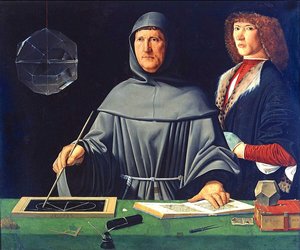
luca casanobrio or luca di ca zenobri
1663 - 1730 , Italy
基本情報
- Artistic Movement Or Style: Venetian cityscape (Vedute)
- Artists Or Movements Influenced By This Artist:
- Canaletto
- Francesco Guardi
- Artists Who Influenced This Artist: ['Caspar van Wittel']
- Date Of Birth: January 20, 1663
- Date Of Death: 1730
- Full Name: Luca Casanobrio or Luca di Ca Zenobri
- Nationality: Italian
- Notable Artworks:
- Capriccio with Life in a Seaport
- The Bucintoro Returning...
- Place Of Birth: Udine, Italy
関連記事

ジャコポ・ティンコレット:至高の25選 – ヴェネツィア巨匠のドラマと光の世界 | ArtsDot
ジャコポ・ティンコレットの至高の25選。ドラマと光の世界を彩るヴェネツィア派巨匠の名画を紐解きます。ルネサンス絵画からバロック絵画まで、ArtsDotで高品質な複製画やインテリアアートを見つけましょう。傑作コレクションをオンラインで探求してください。
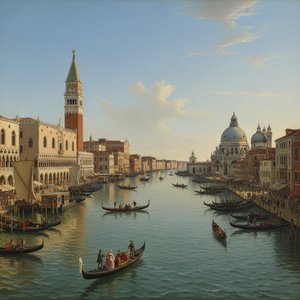
Giovanni Antonio Canal (Canaletto): A Venetian Master of Light, Space & Societal Observation
Explore the life & art of Giovanni Antonio Canal (Canaletto), a Venetian master renowned for his breathtaking cityscapes. Discover his techniques, legacy, and captivating depictions of 18th-century Venice & London.
The Golden Light of Innovation: Exploring the Venetian Renaissance Art Movement (1430–1580)
Explore the Golden Age of Venetian art (1430–1580). Discover Giorgione, Titian & Tintoretto's techniques, the 'colorito' revolution, and lasting influence. Expert insights for collectors & enthusiasts.
Pietro Longhi's Venetian Scenes: A Study of Rococo Society & Domestic Life
Explore the captivating world of Pietro Longhi's Venetian scenes! Discover insightful analysis of his Rococo masterpieces & social commentary on 18th-century life. Learn about this 'Venetian Hogarth' and his lasting artistic legacy.
Urban Visions: A Historical & Artistic Exploration of the Cityscape in Painting
Explore the evolution of cityscape painting from historical maps to Impressionist masterpieces. Discover artists like Caillebotte, Utrillo & Matsumoto Shunsuke. Find museum-quality reproductions at ArtsDot.