

 プレビュー
プレビュー
 プリントを購入
 シェアする
シェアする シェアする
シェアする
 詳細を見る
詳細を見る

 ダウンロード
 似ている作品
 X線調査
X線調査 スライドショー
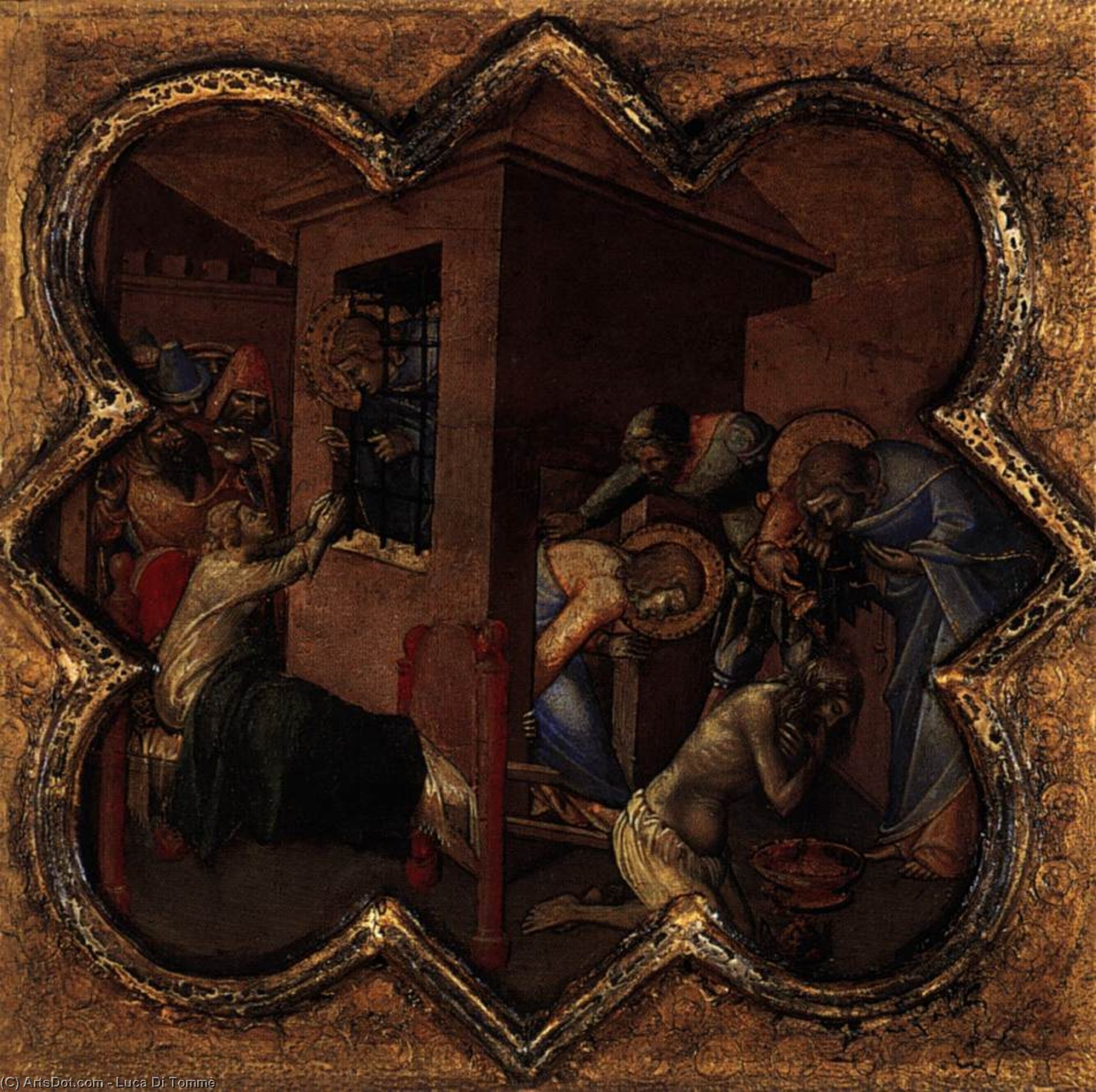
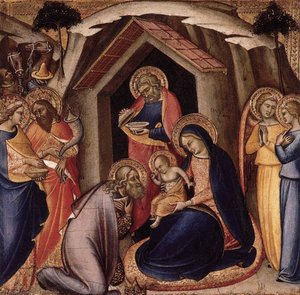
聖トマスの生涯を描くもの
 キャンバスにアクリル絵具
- ウォールアート
- Late Medieval Decorative Style
 1362
1362 32.0 x 34.0 cm
 スコットランド国立美術館
 詳細を見る
詳細を見る
オンラインプレビューをはるかに凌ぐ、高解像度で鮮明なデジタル画像をご購入いただけます。
各ファイルは、社内の専門家が高度なツールと熟練した手作業によるレタッチを用いて、細心の注意を払って準備されています。すべての画像において、卓越した鮮明度、正確な色彩再現性、そして繊細なディテールを保証いたします。
最終ファイルは、プロフェッショナルな編集・印刷環境ですぐにご利用いただけるよう最適化された状態で、72時間以内にメールにてお届けいたします。これは、一流のデザインスタジオ、出版社、ギャラリーから信頼されているものと同等の品質です。
デジタル画像のご注文に付随する特典
高品質なデジタル画像配信を、確かな品質で。
ArtsDot.com を選ぶことは、単に画像を手に入れることではありません。それは、プロの手によって精密に仕上げられ、満足保証が付いた高品質なデジタルアートワークを受け取ることを意味します。ご注文いただいた際に自動的に付随する内容は、以下の通りです:

メールですぐにお届け
ご注文から72時間以内に、高解像度のデジタル画像ファイルがメールでお手元に届きます。すぐにそのままご利用いただけます。

AI技術で最適化されたデジタルファイル
お客様の作品は、高度なAIツールと専門家による手作業の編集を組み合わせてプロフェッショナルに最適化されており、細部のディテール、鮮明さ、そして正確な色再現性を最大限に引き出しています。

一生涯無料の再送サービス
ファイルを誤って削除したり、紛失してしまったりしましたか?ご安心ください。いつでも無料で再送いたします。

輸入手数料は一切かかりません
関税や手数料、配送料を気にすることなく、お気に入りのアートワークをすぐにお楽しみいただけます。デジタルダウンロードは常に免税です。

色彩再現の保証
プロ仕様のツールとカラーマネジメント技術を用いることで、デジタル画像が元の色を最大限に忠実に再現することを保証いたします。

60日間満足保証
ご購入いただいたデジタル画像にご満足いただけない場合は、60日以内であれば、修正または100%の返金(理由を問う必要はありません)をさせていただきます。

100% 返金保証
ご満足いただけない場合は、デジタルファイルを受け取ってから60日以内であれば、理由を問わず全額返金いたします。

まとめ買い割引
3枚購入で10%OFF - 5枚購入で15%OFF - 10枚以上購入で20%OFF。クリエイティブなプロジェクト、ギャラリー、エージェンシーに最適です。
作品の詳細
聖トーマスの生涯を描く絵画について
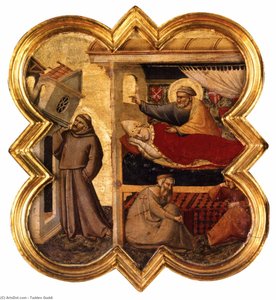
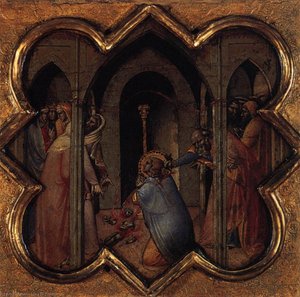
聖トーマスの生涯を描いたこの絵画は、イタリアの盛期ルネサンス美術における重要な作品です。画家はルカ・ディ・トメーで、彼はドゥオーコやシモーネ・マルティーニといった名門画家たちの影響を受けながらも、独自のスタイルを確立しました。この作品は、1362年に制作され、シエナの美術界においてその美しさと技術的な卓越性は高く評価されています。特に、絵画の中心となる聖トーマスとイエス様の場面は、キリスト教信仰における重要な象徴性を帯びています。- 画家: ルカ・ディ・トメー(約1330年生まれ)
- 制作年代: 1362年
- 場所: シエナ
- 技法: テンプラ画技法。この技法は、鮮やかな色彩と光沢を生み出し、聖トーマスの生涯を描く上で特に効果的でした。ドゥオーコやマルティーニといった当時の他の画家たちもテンプラ画技法を使用しており、シエナ美術における共通の伝統を反映しています。
関連作品

作家の略歴
Luca di Tommè: A Sienese Master of the Late Medieval Period
Luca di Tommè, a name perhaps less familiar than those of his contemporaries Duccio or Simone Martini, nevertheless stands as a pivotal figure in the vibrant artistic landscape of Siena during the latter half of the 14th century. Active primarily between 1356 and 1389, he represents a crucial link in the chain of Sienese painting, inheriting the stylistic traditions of its most celebrated predecessors while simultaneously forging his own distinctive voice within the established decorative style. His prolific output – over fifty works have been confidently attributed to him – ensured that the elegant, luminous aesthetic of Siena’s artistic community continued to flourish well into the 15th century, a testament to his skill and the enduring appeal of his art.
Born around 1330 in Italy, Luca di Tommè's early life remains somewhat shrouded in mystery. He emerged as an artist during a period of considerable artistic dynamism in Siena, a city renowned for its independent spirit and thriving patronage system. The Sienese school, deeply influenced by the innovations of Duccio and Simone Martini at Florence, was characterized by a rich palette, delicate modeling, and a profound understanding of iconography – particularly within religious narratives. Luca’s work reflects this heritage, demonstrating a masterful command of tempera on wood panels, a technique common to the period and perfectly suited to capturing the subtle nuances of color and texture.
The Influence of Sienese Tradition
Luca di Tommè's artistic development is inextricably linked to the established traditions of Siena. He was undoubtedly influenced by the pioneering work of Duccio, Simone Martini, Pietro Lorenzetti, and Ambrogio Lorenzetti – artists who had revolutionized painting with their innovative use of color, perspective, and emotional expression. However, Luca didn’t simply imitate his predecessors; he skillfully absorbed their techniques and stylistic elements, integrating them into a distinctly personal approach.
Early in his career, Luca's paintings exhibit a clear debt to the Sienese masters, particularly in their meticulous attention to detail and their adherence to established iconographic conventions. His compositions are often balanced and harmonious, reflecting the prevailing aesthetic ideals of the time. However, as he matured as an artist, Luca began to introduce subtle shifts in his style, moving towards a more expressive use of line and a greater emphasis on decorative elements. This evolution is particularly evident in his later works, where he demonstrates a growing independence from purely imitative approaches.
Key Works and Artistic Style
Luca di Tommè’s oeuvre comprises a diverse range of subjects, primarily religious scenes depicting the Virgin Mary with the Christ Child, saints, and biblical figures. His most celebrated works include “Virgin and Child with Saints,” a poignant depiction of the Madonna surrounded by a haloed assembly of holy men, and “Virgin and Child with Sts. Louis of Toulouse and Michael,” which showcases his skill in rendering delicate drapery and conveying a sense of serene spirituality. The "Madonna and Child" is another notable example of his style.
A defining characteristic of Luca’s art is his masterful use of tempera on wood panels, a medium that allowed him to achieve remarkable luminosity and depth of color. His paintings are characterized by their rich palette, shimmering surfaces, and intricate detailing. He employed a technique known as *sfumato*, creating soft transitions between colors and tones, which contributes to the ethereal quality of his works. Furthermore, Luca’s compositions often feature a dynamic interplay of light and shadow, adding drama and visual interest.
Collaboration and Legacy
Luca di Tommè's career was marked by significant collaborations, most notably with Bartolo di Fredi and Andrea di Bartolo on a large altarpiece commissioned for the cathedral of Siena in 1389. These partnerships demonstrate his ability to work effectively within a team and contribute to complex artistic projects. His association with these prominent artists further solidified his position as a leading figure in the Sienese art world.
Despite his relatively short career – he died around 1389 – Luca di Tommè left an enduring legacy. His prolific output ensured that the decorative Sienese style continued to thrive well into the 15th century, influencing subsequent generations of artists. His work serves as a valuable bridge between the late medieval and early Renaissance periods, embodying the artistic spirit of Siena during a time of profound cultural change. The meticulous documentation by Sherwood A. Fehm Jr., in his book “Luca di Tommè: A Sienese Fourteenth-Century Painter,” provides invaluable insight into this artist’s life and work.
Further Exploration
For those seeking to delve deeper into the world of Luca di Tommè, several resources offer valuable information. The Web Gallery of Art (https://www.wga.hu/bio/l/luca/biograph.html) provides a comprehensive biography and images of his works, while the Wikipedia article (https://en.wikipedia.org/wiki/Luca_di_Tomm%C3%A8) offers a detailed historical overview of his life and artistic contributions. The Museo Thyssen-Bornemisza in Madrid also houses several examples of his work, offering visitors the opportunity to admire these masterpieces firsthand.
luca di tommè
1330 - 1389 , Italy
プロフィール概要
- Artistic Movement Or Style: Sienese Proto Renaissance
- Artists Or Movements Influenced By This Artist:
- Bartolo di Fredi
- Andrea di Bartolo
- Artists Who Influenced This Artist:
- Duccio
- Simone Martini
- Pietro Lorenzetti
- Ambrogio Lorenzetti
- Date Of Birth: c. 1330
- Date Of Death: 1389
- Full Name: Luca di Tommè
- Nationality: Italian
- Notable Artworks:
- Virgin and Child with Saints
- Madonna and Child
- Virgin and Child with Sts. Louis & Michael
- Place Of Birth: Italy

