

 プレビュー
プレビュー
 プリントを購入
 シェアする
シェアする シェアする
シェアする
 詳細を見る
詳細を見る

 ダウンロード
 似ている作品
 X線調査
X線調査 スライドショー
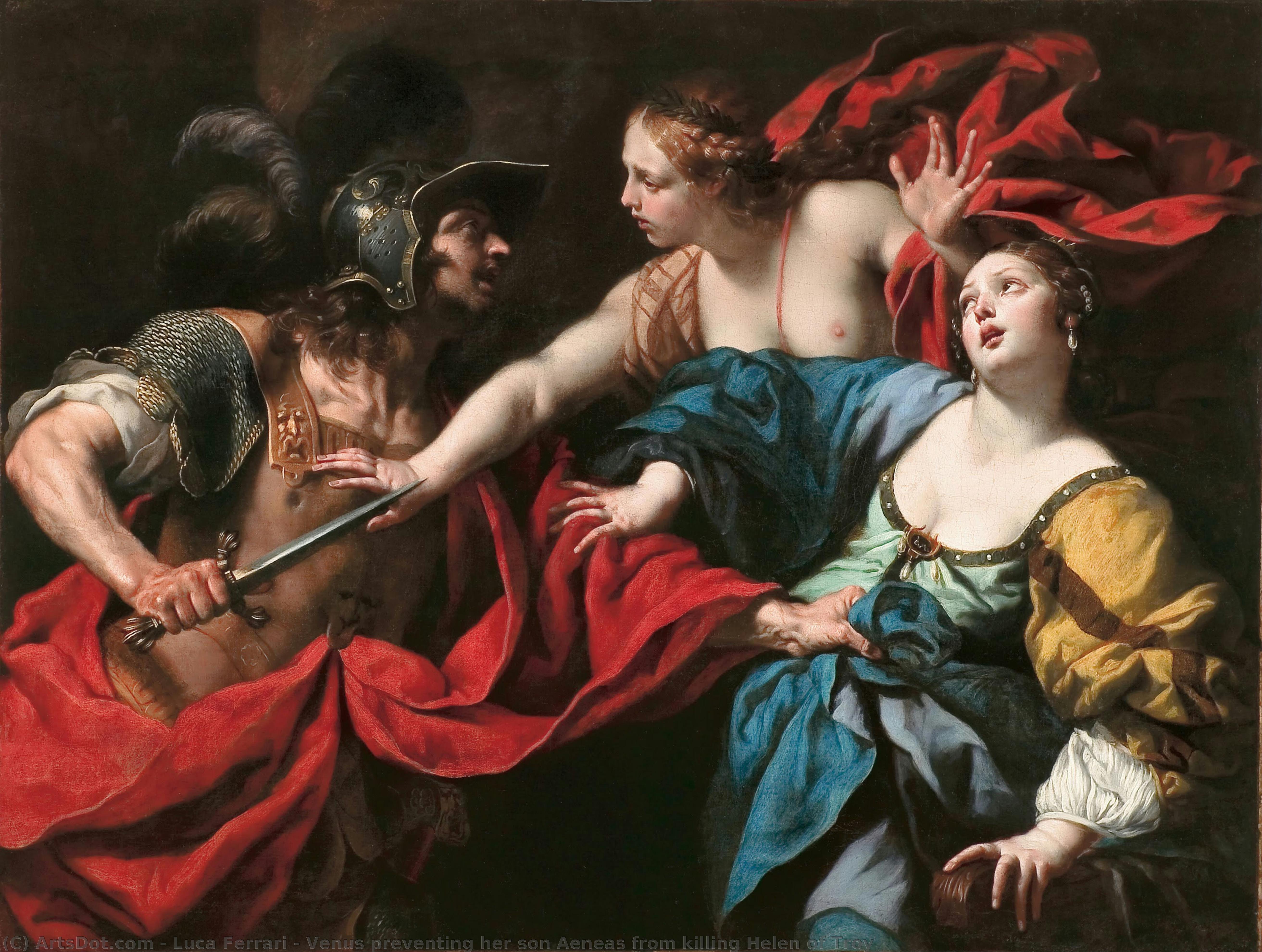
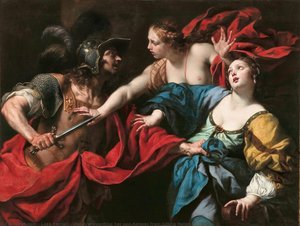
Venus preventing her son Aeneas from killing Helen of Troy
 Oil
Oil- WallArt
- Baroque
 1650
1650- Early Modern
 169.0 x 128.0 cm
 南オーストラリア・ギャラリー
 詳細を見る
詳細を見る




P118B $10

P118H $10

P118W $10

P438Z $10

P508JH $12

P508YH $12

P805H $10

P805Z $10

P919BZ $10

P919G $10

P919XJ $10

P959ZH $10

P968JZ $12

W106C $8

W218G $10

W218JH $8

W218Y $10

W307PJ $10

W316G $10

W316PJ $8

W316Y $10

W398PJ $8

W4111J $10

W500HY $15

W500JH $15

W692G $12

W849H $8

W940BG $15

W953PJ $8




作品のオリジナル比率に合わせた、当店の規定サイズからお選びください。

特定のフレームやスペースに合わせて、ご希望のサイズをご入力いただけます。選択されたサイズが元の画像の比率と異なる場合、アートワークをトリミングするか、手描きで要素を追加して絵画を拡張いたします。デジタルモックアップ を制作し、制作開始前にご確認(承認)をいただきます。
画面上のプレビューは、実際のトリミングや拡張を正確に反映しているものではありません。最終的な構図は、モックアップによってのみ正確にご確認いただけます。
カスタムサイズもご利用いただけますが、元の比率を維持するためには、あらかじめ用意されたリストからサイズを選択することをお勧めいたします。
ご注文後、ArtsDot.com チームより詳細な指示をお送りするとともに、仕上がりイメージ(モックアップ)をご提供いたします。


 ガラスオプションは、110cm未満のサイズでのみご利用いただけます。

Venus preventing her son Aeneas from killing Helen of Troy
複製技法
複製画のサイズ
-


合計金額
$ 263
作品解説
A Moment Frozen in Baroque Tension
In the heart of a crimson-walled chamber, a drama of mythic proportions unfolds, captured with the breathless intensity characteristic of the mid-17th century. Luca Ferrari’s Venus preventing her son Aeneas from killing Helen of Troy is not merely a depiction of a classical legend; it is a visceral exploration of the conflict between vengeance and mercy. The composition centers on a profound physical intervention: the goddess Venus, a figure of divine grace, reaches out to restrain the arm of her son, Aeneas. As he stands poised with a drawn sword, his eyes fixed upon Helen—the woman whose beauty ignited the flames of the Trojan War—the viewer is thrust into the very second before a fatal blow can be struck. This tension between the impulse toward destruction and the plea for peace creates a magnetic pull that commands the attention of any room it inhabits.
The atmosphere of the painting is thick with the theatricality of the Baroque era. Ferrari utilizes a rich, saturated palette where deep reds and warm shadows envelop the figures, creating a sense of intimacy and claustrophobia that heightens the emotional stakes. The light does not merely illuminate the scene; it sculpts the characters, catching the glint of Aeneas’s blade and the soft, divine contours of Venus’s form. This interplay of light and shadow—a technique reminiscent of the Caravaggesque tradition—adds a layer of psychological depth, making the figures feel less like distant mythological archetypes and more like living, breathing participants in a high-stakes tragedy.
The Artistry of Allegory and Emotion
Beyond the immediate action, Ferrari weaves a complex tapestry of symbolism that would have resonated deeply with the intellectual circles of 17th-century Italy. The confrontation serves as an allegory for the struggle between passion and reason, or more specifically, the divine impulse to preserve life against the human drive for retribution. The presence of secondary figures in the background, observing the scene with varying degrees of concern and curiosity, expands the narrative universe, suggesting that the consequences of such a violent act would ripple through the entire social and divine order. For the discerning collector, this piece offers more than just aesthetic beauty; it provides a window into the philosophical debates of the Baroque period regarding fate, duty, and the intervention of the gods.
For interior designers and connoisseurs of fine art, this reproduction serves as a magnificent focal point for spaces that demand character and conversation. The scale of 169 x 128 cm allows the painting to dominate a wall with its commanding presence, while the classical subject matter lends an air of timeless sophistication to a curated collection. Whether placed in a formal study, a grand dining hall, or a contemporary gallery setting, the work’s dramatic energy and masterful use of color provide an enduring sense of luxury and intellectual depth. It is a piece that does not merely decorate a space—it transforms it into a stage for historical reflection and artistic wonder.
関連作品
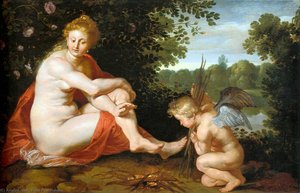
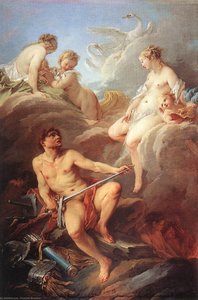
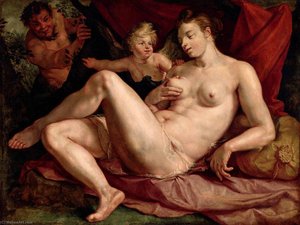
アーティストの略歴
A Life Immersed in Baroque Splendor: Luca Ferrari
Luca Ferrari, often known as Luca da Reggio, emerged from the vibrant artistic milieu of early 17th-century Italy, a period brimming with dramatic energy and spiritual fervor. Born in Reggio Emilia in 1605, his journey led him to Padua, where he would establish himself as a significant, though sometimes overlooked, figure within the Baroque movement. While biographical details remain somewhat sparse, the surviving corpus of his work speaks volumes about an artist deeply attuned to the prevailing aesthetic and intellectual currents of his time. He wasn’t merely replicating styles; Ferrari synthesized them into something uniquely his own – a blend of Caravaggesque realism, Venetian colorism, and a distinctly allegorical bent. His early training is believed to have taken place within local workshops, absorbing the fundamentals of painting before gravitating towards the more progressive artistic circles in Padua. This formative period undoubtedly shaped his technical prowess and instilled in him a love for narrative storytelling through paint.The Paduan Years: A Flourishing Career
Padua became Ferrari’s adopted home, and it was here that he truly blossomed as an artist. He quickly gained recognition for his historical canvases, often commissioned by the city's noble families and religious institutions. Unlike some of his contemporaries who focused solely on grand altarpieces or monumental decorations, Ferrari excelled in a diverse range of subjects. He produced both large-scale works intended to inspire awe and smaller, more intimate “cabinet pieces” – paintings designed for private contemplation and display. These latter works reveal a particular sensitivity to detail and a refined understanding of light and shadow, hallmarks of the Caravaggesque influence that permeated his style. His ability to capture emotional intensity in the faces and gestures of his figures was highly prized by patrons seeking art that resonated with both intellectual depth and visceral impact. He became part of a thriving artistic community alongside painters like Alessandro Varotari and Francesco Maffei, contributing to the city’s reputation as a center for Baroque innovation.Themes and Techniques: Allegory and Emotional Realism
Ferrari's oeuvre is characterized by a compelling interplay between allegory and realism. He frequently employed mythological narratives and symbolic imagery not simply as decorative elements but as vehicles for conveying moral or philosophical messages. His paintings are rich in hidden meanings, inviting viewers to decipher the layers of symbolism woven into the composition. The influence of Venetian masters like Titian and Veronese is evident in his use of vibrant color palettes and dynamic compositions. However, Ferrari tempered this exuberance with a distinctly Caravaggesque approach to realism, grounding his allegorical figures in tangible physicality. He masterfully manipulated light and shadow – *tenebrism* – to create dramatic contrasts that heightened the emotional impact of his scenes. This technique not only drew attention to key elements within the composition but also imbued his paintings with a sense of psychological depth. His religious works, while adhering to traditional iconography, often feature an unusual degree of human emotion and vulnerability in depictions of saints and biblical figures.Major Achievements and Lasting Legacy
While no single masterpiece definitively defines Ferrari’s career, the breadth and quality of his surviving work attest to his considerable talent. His historical canvases, such as those depicting scenes from classical mythology or Roman history, demonstrate a sophisticated understanding of composition and narrative structure.- His allegorical paintings are particularly noteworthy for their intellectual complexity and symbolic richness.
- The smaller cabinet pieces reveal a remarkable attention to detail and a refined sense of color harmony.
- His religious works, though less numerous, showcase his ability to convey profound spiritual themes with emotional resonance.
luca ferrari
1605 - 1654 , Italy
基本情報
- Artistic Movement Or Style: Baroque
- Artists Or Movements Influenced By This Artist: ['Caravaggio']
- Artists Who Influenced This Artist:
- Alessandro Tiarini
- Guido Reni
- Date Of Death: 1654
- Full Name: Luca Ferrari
- Nationality: Italian
- Notable Artworks: ['Tiberio Tinelli - Portrait of a Lady GG 6537TMS']
- Place Of Birth: Reggio Emilia, Italy
関連記事
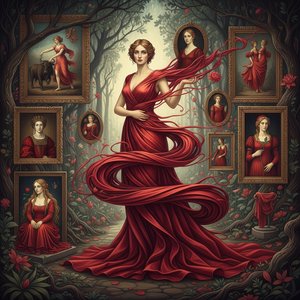
Crimson Threads of Narrative: Exploring Symbolism & Representation in Artworks Featuring the Red Dress
Explore the rich symbolism of the red dress in art history! From ancient power displays to iconic portraits like Cézanne’s 'Madame Cezanne', discover the cultural and artistic significance behind this captivating color. Expert analysis & insights.

バロックのドラマ:現代のインテリアに壮麗さと情感を取り込む
バロック様式の歴史、絵画、家具の魅力をご紹介。ArtsDotでは、高品質な油絵複製やカスタムポートレートをご提供し、現代のインテリアに壮麗さと情感を取り入れます。アートコンサルテーションも承ります。

バロック美術を極めた至宝:時代を彩る10大名作の世界
バロック美術の華!カラヴァッジョ、ベルニーニら巨匠が創り上げた10大名作を徹底解剖。ドラマチックな色彩と豪華絢爛の世界観に触れ、至宝のアートプリントで空間を彩ろう。ArtsDot.comで美術館品質の複製と洗練されたインテリアを見つけましょう!

The Visceral Stage: Exploring Dramatic Narratives & Emotional Intensity in Baroque Art
Explore the dramatic world of Baroque art! Discover iconic masters like Caravaggio & Rembrandt, their techniques, and the movement's lasting impact. Expert insights for collectors & enthusiasts at ArtsDot.

The Dramatic Flourish: Exploring the Baroque Movement's Enduring Legacy in Art History
Explore the dramatic world of Baroque art! Discover iconic artists like Caravaggio & Rubens, defining techniques, and its lasting impact on art history. Expert insights for collectors & enthusiasts at ArtsDot.

