

 プレビュー
プレビュー
 プリントを購入
 シェアする
シェアする シェアする
シェアする
 詳細を見る
詳細を見る

 ダウンロード
 似ている作品
 X線調査
X線調査 スライドショー
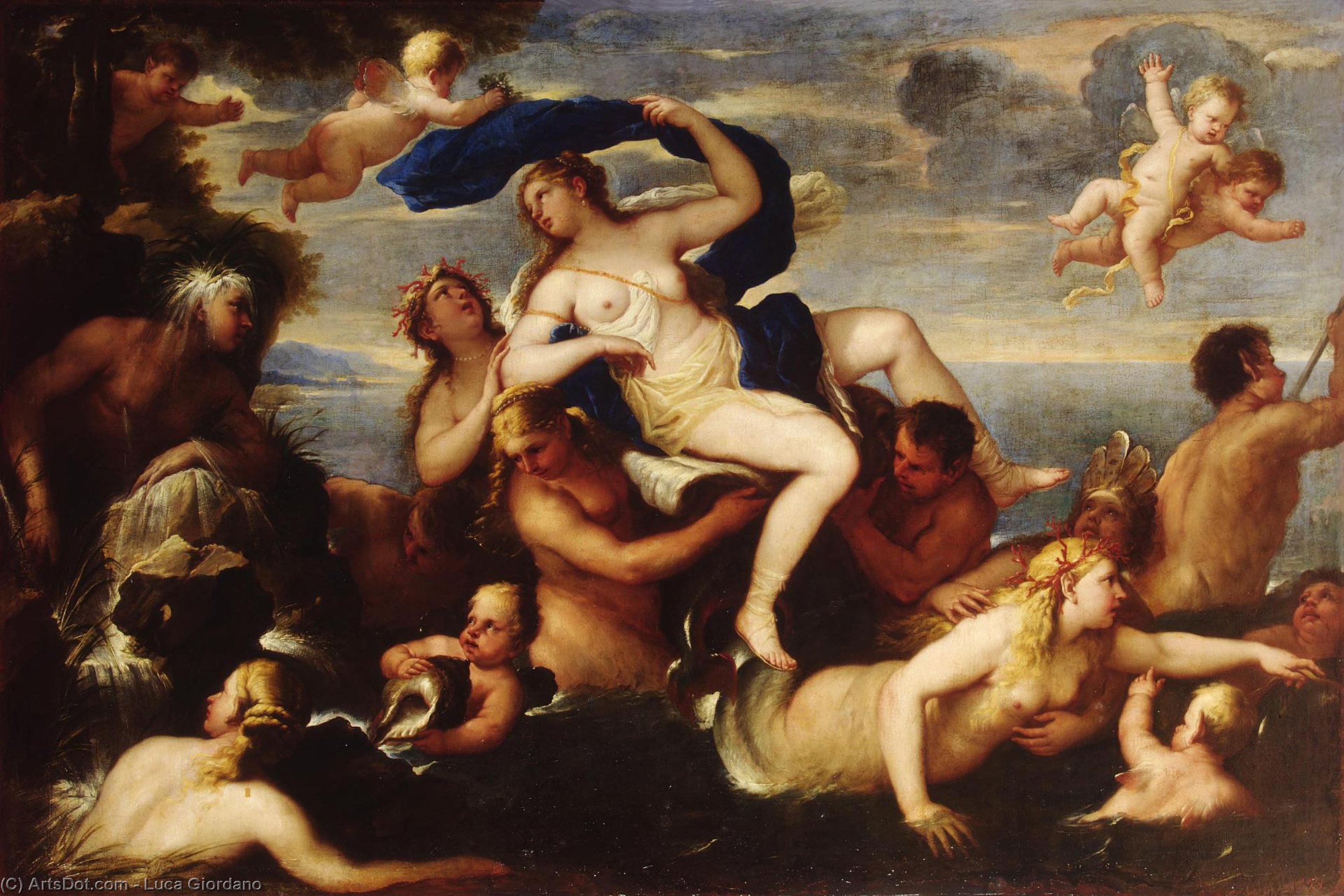
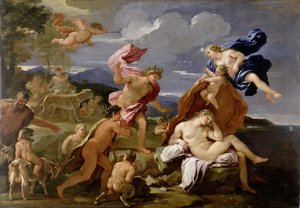
The Triumph of Galatea
 Oil On Canvas
- WallArt
- Baroque
 1675
1675 207.0 x 310.0 cm
 エルミタージュ美術館
 詳細を見る
詳細を見る




P118B $10

P118H $10

P118W $10

P438Z $10

P508JH $12

P508YH $12

P805H $10

P805Z $10

P919BZ $10

P919G $10

P919XJ $10

P959ZH $10

P968JZ $12

W106C $8

W218G $10

W218JH $8

W218Y $10

W307PJ $10

W316G $10

W316PJ $8

W316Y $10

W398PJ $8

W4111J $10

W500HY $15

W500JH $15

W692G $12

W849H $8

W940BG $15

W953PJ $8




作品のオリジナル比率に合わせた、当店の規定サイズからお選びください。

特定のフレームやスペースに合わせて、ご希望のサイズをご入力いただけます。選択されたサイズが元の画像の比率と異なる場合、アートワークをトリミングするか、手描きで要素を追加して絵画を拡張いたします。デジタルモックアップ を制作し、制作開始前にご確認(承認)をいただきます。
画面上のプレビューは、実際のトリミングや拡張を正確に反映しているものではありません。最終的な構図は、モックアップによってのみ正確にご確認いただけます。
カスタムサイズもご利用いただけますが、元の比率を維持するためには、あらかじめ用意されたリストからサイズを選択することをお勧めいたします。
ご注文後、ArtsDot.com チームより詳細な指示をお送りするとともに、仕上がりイメージ(モックアップ)をご提供いたします。


 ガラスオプションは、110cm未満のサイズでのみご利用いただけます。

The Triumph of Galatea
複製技法
複製画のサイズ
-


合計金額
$ 263
作品解説
Luca Giordano’s Triumph of Galatea: A Baroque Symphony of Light and Myth
Luca Giordano (1634–1705) stands as one of the most celebrated figures of Neapolitan Baroque, a period characterized by opulent grandeur and dramatic theatricality. Unlike his predecessor Caravaggio, whose art embraced darkness and psychological intensity, Giordano championed luminosity and movement—qualities that would define his distinctive style and propel him to international acclaim. His artistic journey began under the watchful eye of Jusepe de Ribera, absorbing Ribera’s influence on composition and realism, yet swiftly forging a path marked by an unparalleled sensitivity to color and visual dynamism. This early apprenticeship instilled in Giordano a profound understanding of Baroque aesthetics—a legacy that resonates powerfully throughout his prolific oeuvre.- Subject Matter: Giordano's *Triumph of Galatea* draws upon the timeless myth of Galatea, a sea nymph captivated by the shepherd Acis. The narrative unfolds with breathtaking theatricality, depicting Polyphemus’ jealous rage and culminating in Galatea’s poignant transformation into a river spirit—a testament to the enduring power of love overcoming mortality.
- Style: Giordano’s style embodies the zenith of Baroque artistic expression. Rejecting Caravaggio's tenebrism, he embraced Pietro da Cortona’s influence, prioritizing radiant color palettes and dynamic brushstrokes that convey a palpable sense of movement. This approach distinguishes Giordano’s work from its contemporaries, establishing him as a pioneer of Baroque luminosity.
- Technique: Executed in oil on canvas, *Triumph of Galatea* showcases Giordano's masterful command of technique. He employed layering and glazing techniques to achieve remarkable depth and vibrancy—capturing the ethereal beauty of the mythological scene with unparalleled precision. The monumental scale of the painting further enhances its dramatic impact, immersing viewers in a world of opulent color and theatrical grandeur.
Historical Context: Naples Under Bourbon Rule
Painted around 1675 during the reign of King Charles II of Spain—who ruled Naples as well—*Triumph of Galatea* reflects the artistic fervor of the Bourbon court. Naples had emerged as a cultural powerhouse, attracting artists from across Europe and fostering an environment conducive to innovation and experimentation. Giordano’s patronage by Cardinal Alessandro Torcucci—a prominent figure in papal diplomacy—provided him with invaluable resources and opportunities for artistic development. The painting stands as a symbol of Neapolitan Baroque's ambition to elevate art into a vehicle for conveying moral and spiritual truths—a tradition rooted in the humanist ideals of the Renaissance.- Symbolism: The composition is replete with symbolic references, reflecting the broader intellectual currents of the Baroque era. Galatea’s transformation into a river embodies the triumph of divine grace over earthly suffering—a motif prevalent throughout Christian iconography. Polyphemus' destructive rage symbolizes the perils of unchecked passion and pride—themes explored extensively by philosophers and theologians of the time.
- Emotional Impact: Giordano’s masterful depiction of emotion—particularly Galatea’s sorrowful grief—captures the essence of Baroque theatricality. The painting evokes a profound sense of pathos, inviting viewers to contemplate themes of loss, redemption, and the sublime beauty of nature. Its luminous color palette and dynamic brushstrokes contribute to its emotional resonance, transporting audiences back to the opulent splendor of 17th-century Naples.
Legacy and Influence
*Triumph of Galatea* cemented Giordano’s reputation as one of Italy's foremost Baroque painters—inspiring generations of artists who sought to emulate his luminous style and dramatic theatricality. Its influence extends beyond the realm of painting, informing architectural designs and decorative arts throughout Europe. The painting continues to captivate audiences today, serving as a testament to Giordano’s artistic genius and the enduring power of mythic narratives rendered with breathtaking beauty and emotional depth. It remains an iconic exemplar of Baroque art—a masterpiece that embodies the period's ambition to elevate art into a vehicle for conveying moral and spiritual truths.関連作品
アーティストの略歴
ナポリのダイナモ:ルカ・ジョルダーノの生涯と芸術
1634年にナポリで生まれたルカ・ジョルダーノという名は、瞬く間にバロック後期の溢れんばかりの精神を象徴する代名詞となりました。彼は単なる画家ではありませんでした。それは自然界の力そのものであり、その多作な作品群はキャンバスのみならず、イタリアからスペインに至るまで、数々の建築空間をも変貌させた創造性の旋風でした。父アントニウム・ジョルダーノが彼の芸術的訓練の基礎を築きましたが、若きルカが真に独自の道を切り拓き始めたのは、厳格ながらも卓越した師、ジュセッペ・デ・リベラの指導の下でのことでした。この初期の修行は彼に消し去ることのできない足跡を残し、初期作品に見られる劇的な緊張感や人物の写実的な描写に色濃く反映されています。しかし、リベラのしばしば陰鬱なパレットとは対照的に、ジョルダーノは光輝と動きに対して天性の傾向を持っていました。この性質こそが、最終的に彼の唯一無二のスタイルを定義することになります。当時から、彼はその驚異的なスピードと底知れぬエネルギーの証として、「ルカ・ファ・プレスト(速いルカ)」という愛称で呼ばれていました。彼は単に技術に長けていただけでなく、同時代の芸術家たちを驚愕させるほどの容易さで、深い感情や目も眩むようなスペクタクルを捉えることができたのです。ナポリからスペインへ:絶え間なき躍動のキャリア
ジョルダーノの芸術的な旅路は、決して停滞することのないものでした。それは依頼と旅によって推進されるダイナミックな進展であり、イタリア半島からその遥か彼方へと彼を導きました。ナポリで新星としての地位を確立した後、彼はローマ、フィレンツェ、ヴェネツィアへと向かい、それぞれの都市の多様な影響をスポンジのように吸収していきました。ヴェネツィアではティツィアンやヴェロネーゼの作品を学び、初期の修行で培ったテネブリズム(明暗法)とは対照的な、鮮やかな色彩パレットとダイナミックな構図を取り入れました。フィレンツェでは重要なフレスコ画のサイクルを手掛け、特にカルミネ教会のコルシーニ礼拝堂のドームに見られる作品は、錯視的な空間構成と物語的な表現における彼の成熟しつつある技量を示しています。しかし、彼の国際的な名声を決定づけたのは、スペインでの10年間にわたる滞在(1682年〜1692年)でした。チャールズ2世の宮廷画家へと任命されたジョルダーノは、豪華なフレスコ画によってスペインの室内空間を一変させ、より抑制的であったスペインの芸術伝統に、イタリア特有の奔放なエネルギーを注入したのです。神聖な知恵を讃える寓意的なフレスコ画で彩られたフィレンツェのリカルディアナ図書館は、この時期の証として、知的な深みと視覚的な華麗さを融合させる彼の能力を今に伝えています。様式の統合:ジョルダーノの芸術的署名
ジョルダーノの天才性は、全く新しい技法を編み出したことではなく、既存の技法を極めて流動的で装飾的なスタイルへと統合した点にありました。彼はリベラから受け継いだ劇的な写実主義、ヴェネツィア派の画家たちに触発された光り輝く色彩主義、そしてピエトロ・ダ・コルトーナを彷彿とさせるダイナミックな構図を見事に融合させたのです。その筆致は自由で自発性に満ち、あたかも努力を要さないかのような優雅さを醸し出していました。彼は装飾を取り入れることを恐れず、キャンバスを複雑なディテールや渦巻く衣襞(いへき)で埋め尽くしました。これこそが彼の成熟したスタイルの真骨頂です。このアプローチにより、宗教的な場面から神話の物語、肖像画、そして装飾的な計画に至るまで、あらゆる主題に対して等しく見事な手腕で取り組むことができました。ベルリン美術館に収蔵されているパリスの審判は、この統合を見事に体現しています。それは、紛れもないバロック的な情緒をもって描かれた、古典神話の鮮烈な展示なのです。ナポリ大聖堂や様々なナポリの宮殿に見られる彼のフレスコ画は、記念碑的な業績であり、建築空間を、観る者を色彩とドラマの世界へと包み込む没入型の視覚体験へと変貌させました。遺産と影響:巨匠が残した不朽のインパクト
ルカ・ジョトムノの影響は、彼自身の生涯を遥かに超えて広がりました。彼はパオロ・デ・マッテイスをはじめとする多くの弟子を育て上げ、彼らは自らも成功した芸術家として、その様式的な革新をイタリア全土、そして国外へと広めていきました。彼の作品は盛期バロックとロココ期の架け橋となり、18世紀の芸術を特徴づける、より軽やかで遊び心のある美学への道を開いたのです。600点を超える絵画と数多くのフレスコ画サイクルと推定されるその多作な遺産は、今日でも人々を魅了し続けています。ナポリのカポディモンテ宮殿には彼の作品の宝庫が今も残されており、彼の芸術的進化を包括的に辿ることができます。技術的な熟練度と感情的な深みをシームレスに融合させるジョルダーノの能力は、イタリア・バロックにおける最も重要で愛すべき人物の一人としての地位を確固たるものにしています。彼は1705年、故郷ナポリでその生涯を閉じましたが、彼が残した遺産は、今もなお芸術家や美術愛好家たちにインスピレーションを与え続けています。主要作品と芸術的つながり
以下は、注目すべき作品と芸術的なつながりの一部です:- パリスの審判(ベルリン美術館):ジョルダーノの神話画の代表例であり、鮮やかな色彩とダイナミックな構図を示しています。
- 神殿での医者たちとキリスト(ローマ、コルシーニ・ギャラリー):宗教的な物語における彼の技量と、光と影の習熟を証明しています。
- フィレンツェおよびナポリのフレスコ画:建築空間を没入型の視覚体験へと変貌させた記念碑的な作品群。
- 影響を与えた画家:ジュセッペ・デ・リベラ、ティツィアン、ヴェロネーゼ、ピエトロ・ダ・コルトーナ
- 影響を受けた芸術家:パオロ・デ・マッテイス、および次世代のナポリ派の画家たち。
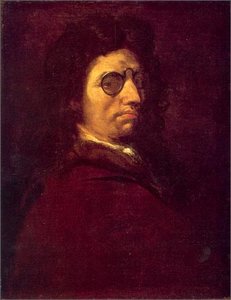
ルカ・ジョルダーニ
1634 - 1705 , イタリア
基本情報
- Artistic Movement Or Style: 後期バロック
- Artists Who Influenced This Artist:
- ヨセペ・デ・リベラ
- ティツィアノ
- ヴェロネーゼ
- ピエトロ・ダ・コルトナ
- Date Of Birth: 1634年10月18日
- Date Of Death: 1705年1月3日
- Full Name: Luca Giordano
- Nationality: イタリア人
- Notable Artworks:
- パリス審判
- キリストと医師たち
- ナポリ大聖堂のフレスコ
- Place Of Birth: ナポリ、イタリア
関連記事
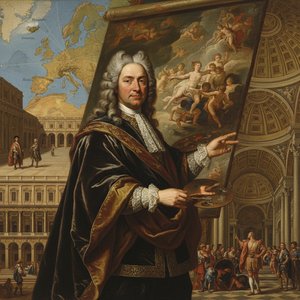
Luca Giordano: Neapolitan Baroque Master & His European Influence
Explore the life & works of Luca Giordano, the celebrated Neapolitan Baroque master. Discover his prolific fresco cycles, Roman commissions, and lasting influence on European art history. Learn more at ArtsDot.

バロックのドラマ:現代のインテリアに壮麗さと情感を取り込む
バロック様式の歴史、絵画、家具の魅力をご紹介。ArtsDotでは、高品質な油絵複製やカスタムポートレートをご提供し、現代のインテリアに壮麗さと情感を取り入れます。アートコンサルテーションも承ります。

The Enduring Power of Painting: A Historical & Contemporary Exploration of Form and Emotion
Explore the rich history & enduring techniques of oil painting with ArtsDot. Discover masterpieces, learn about art collecting, and find authentic handmade reproductions crafted by skilled artists.

The Dramatic Flourish: Exploring the Baroque Movement's Enduring Legacy in Art History
Explore the dramatic world of Baroque art! Discover iconic artists like Caravaggio & Rubens, defining techniques, and its lasting impact on art history. Expert insights for collectors & enthusiasts at ArtsDot.

The Enduring Legacy of Oil on Canvas: Technique, History & Aesthetic Impact
Explore the rich history & techniques of oil painting – from Renaissance masters to Impressionism. Discover pigments, layering methods, and why this timeless medium endures. Expert insights for artists & art enthusiasts.

