 プレビュー
プレビュー
 シェアする
シェアする シェアする
シェアする
 詳細を見る
詳細を見る

 ダウンロード
 似ている作品
 X線調査
X線調査 スライドショー
Moses's Testament and Death (detail)


 詳細を見る
詳細を見る
ジークレー/アートプリント
迅速な制作と多彩な仕上げオプションを備えた、ミュージアムクオリティのジークレーまたはキャンバスプリント。 ( 手描きの絵画を購入 画像を購入)




P118B $10

P118H $10

P118W $10

P438Z $10

P508JH $12

P508YH $12

P805H $10

P805Z $10

P919BZ $10

P919G $10

P919XJ $10

P959ZH $10

P968JZ $12

W106C $8

W218G $10

W218JH $8

W218Y $10

W307PJ $10

W316G $10

W316PJ $8

W316Y $10

W398PJ $8

W4111J $10

W500HY $15

W500JH $15

W692G $12

W849H $8

W940BG $15

W953PJ $8




作品のオリジナル比率に合わせた、当店の規定サイズからお選びください。

特定のフレームやスペースに合わせて、ご自身でサイズを指定することも可能です。選択されたサイズが元の画像の比率と一致しない場合、作品をトリミングするか、鏡面反射または単色での塗りつぶしによって画像を拡張いたします。制作を開始する前に、ご確認用のデジタルモックアップをお送りいたします。
画面上のプレビューには、実際のトリミングや拡張は反映されませんのでご注意ください。最終的な構図を正確に確認できるのは、モックアップのみとなります。
カスタムサイズも承っておりますが、元の比率を維持するためには、あらかじめ用意されたリストからサイズを選択することをお勧めいたします。


 ガラスオプションは、110cm未満のサイズでのみご利用いただけます。

Moses's Testament and Death (detail)
ジークレー/アートプリント
複製画のサイズ
-


合計金額
$ 62
作品詳細説明
Luca Signorelli’s Testament and Death of Moses: A Moment Frozen in Grief
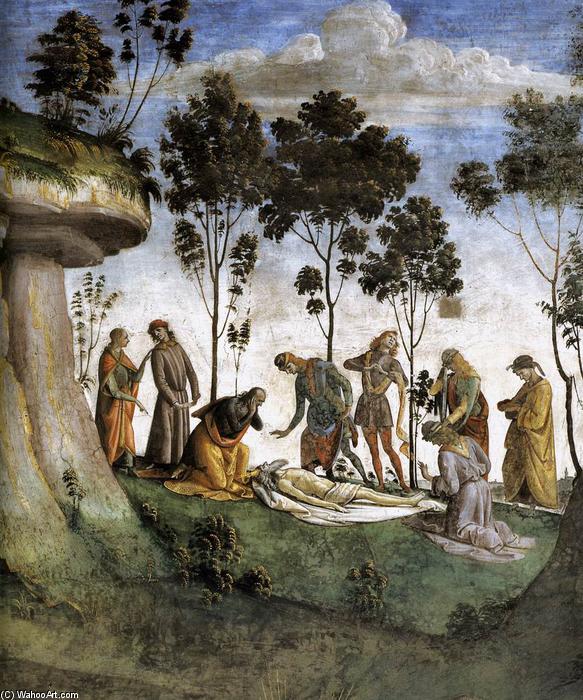
The Sistine Chapel's Cappella Sistina holds countless masterpieces, yet Luca Signorelli’s “Testament and Death of Moses” stands apart not merely for its grandeur but for the profound emotional resonance it conveys. Painted between 1481 and 1482 as part of Lorenzo de Medici’s ambitious reconciliation project with Pope Sixtus IV, this fresco delves into themes of mortality, faith, and divine judgment—subjects that continue to captivate audiences centuries later. Signorelli's contribution to the Sistine Chapel was a pivotal moment in Renaissance art, marking a departure from idealized depictions towards a more psychologically complex portrayal of human experience.A Study in Foreshortening and Dramatic Composition
Signorelli’s masterful technique is immediately apparent upon observation. He employs dramatic foreshortening—a technique pioneered by Leonardo da Vinci—to render the central figure of Moses dead or dying with startling realism. The artist meticulously captures every detail, from the slumped posture to the pallid complexion, conveying a palpable sense of vulnerability and despair. Furthermore, Signorelli skillfully orchestrates the composition, arranging the figures around Moses in a spiral pattern that draws the viewer’s eye inwards, intensifying the emotional impact. This deliberate use of perspective isn't simply stylistic; it serves to heighten the drama and underscore the solemnity of the scene.Symbolism Rooted in Biblical Narrative
The fresco’s symbolism is rich and layered, reflecting the biblical narrative itself. Moses, revered as God’s prophet and lawgiver, represents divine authority and righteousness. His death symbolizes humanity's inevitable confrontation with mortality—a sobering reminder of our own impermanence. Surrounding him are figures representing various aspects of faith and judgment: a man gesturing towards heaven, symbolizing hope and redemption; another figure clutching his chest in anguish, embodying sorrow and repentance; and a dog positioned at the bottom right corner, traditionally interpreted as representing divine justice and vigilance—a symbol of God’s unwavering gaze upon humankind.Historical Context and Artistic Influence
“Testament and Death of Moses” emerged during a period of intense artistic innovation and intellectual ferment in Florence and Rome. Signorelli's work aligns with the humanist ideals championed by Lorenzo de Medici, who sought to revive classical art forms while simultaneously exploring new expressive possibilities. The fresco’s influence can be seen in subsequent Renaissance paintings that adopted similar compositional strategies and psychological depth—demonstrating Signorelli’s enduring legacy as a pioneer of artistic realism and dramatic storytelling. It stands as a testament to the power of art to grapple with fundamental questions about human existence.Emotional Resonance: A Portrait of Suffering
Ultimately, Signorelli's fresco succeeds in capturing the essence of human suffering—a feat rarely achieved in religious art of its time. The artist’s unflinching portrayal of death evokes empathy and contemplation, prompting viewers to confront their own mortality and consider the spiritual implications of life’s journey. “Testament and Death of Moses” remains a profoundly moving work, continuing to inspire artists and audiences alike with its masterful execution and enduring emotional power—a timeless masterpiece that transcends stylistic conventions and speaks directly to the human soul.関連作品
アーティストの略歴
生い立ちと修行時代
ルカ・シニョレッリは、イタリア・ルネサンスを代表する画家の一人であり、1450年頃にトスカーナ州のコルトナでその生涯をスタートさせました。正確な誕生日は定かではありませんが、1441年から1445年の間であったと伝えられています。彼は素描における類まれなる才能と、遠近法を用いた「短縮法」の巧みな駆使によって、後世にその名を刻むこととなりました。芸術的キャリア
彼の芸術への情熱が芽生えたのはペルージャであったと考えられており、そこではベネデット・ボンフィリやピントゥルキオといった巨匠たちの様式から多大な影響を受けました。ジョルジョ・ヴァザーリの記録によれば、シニョレッリは母方の叔父であるラッツァーロ・ヴァザーリの手によって、あのピエロ・デッラ・フランチェスカに弟子入りしたとされています。彼の足跡はアレッゾ(1472年)やチッタ・ディ・カステッロ(1474年)など、イタリア各地に残されており、その代表作の一つである「パンの学園」は、メディチ家のロレンツォに献上された逸品です。この作品には、人間の肉体が見事に写実的に描かれており、明暗法(キアロスクーロ)と線遠近法の極致を目の当たりにすることができます。主要な作品群
- 最後の審判(1499-1503年)、オルヴィエト大聖堂 — 彼の最高傑作と称されるこの巨大なフレスコ画は、終末の光景と審判の瞬間を圧倒的な筆致で描き出しています。
- サン・メダール祭壇画(1507年)、イタリア・アルチェヴィア、サン・メダルド美術館 — シニョレッリの技量を示す極めて重要な作品であり、細部まで緻密で自然主義的な人体表現が際立っています。
芸術運動
シニョレッリは、中世から近世へと移り変わるヨーロッパの転換点となったイタリア・ルネサンス運動の旗手でした。この時代は、古典的な伝統、自然主義、そして人間中心主義(ヒューマニズム)への情熱が再び燃え上がった時代でもありました。- 初期ルネサンス美術運動 — 美術史の進展を決定づけた芸術運動についての簡潔な紹介。
- フラ・アンジェリコ — シニョレッリの作品に影響を与え、卓越した画力で知られる高名な画家。
- ルカ・シニョレッリ — 画家の生涯、主要な作品、そして彼が属した芸術運動の概説。
遺産
シニョレッリの芸術は、ルネサンス美術の発展に計り知れない影響を及ぼしました。短縮法の駆使や素描における卓越した技術は、その後の多くの芸術家たちの道標となりました。イタリア・ルネサンスの重要人物として、彼の遺志は今なお、イタリア各地の美術館や大聖堂に収められた作品を通じて、世界中で称えられ続けています。重要な年表:
- 1450年: トスカーナ州コルトナにて誕生
- 1499-1503年: オルヴィエト大聖堂にて最後の審判を制作
- 1523年: 逝去、比類なき芸術の遺産を後世に遺す
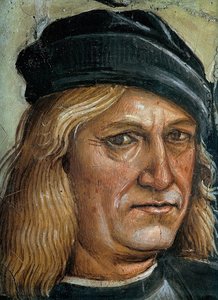
ルカ・シニョレッリ
1450 - 1523 , イタリア
基本情報
- Artistic Movement Or Style: ルネサンス
- Artists Or Movements Influenced By This Artist: ['フラ・アンジェリコ']
- Artists Who Influenced This Artist: ['ピエロ・デッラ・フランチェスカ']
- Date Of Death: 1523年10月16日
- Full Name: ルカ・ディ・エジディオ・ディ・ヴェントゥーラ・シニョレッリ
- Nationality: イタリア
- Notable Artworks:
- 最後の審判
- パンの学園
- Place Of Birth: イタリア、コルトーナ
関連記事
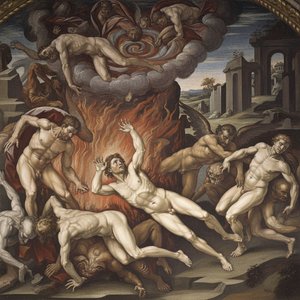
Luca Signorelli: Renaissance Innovation & Dramatic Foreshadowing of Modern Artistic Expression
Explore the revolutionary art of Luca Signorelli, a High Renaissance master renowned for his dramatic frescoes & anatomical precision. Discover his lasting impact on art history and techniques like foreshortening.

The Enduring Legacy of Fresco Painting: Techniques, History & Contemporary Relevance
Explore the rich history & enduring artistry of fresco painting – from Giotto to Michelangelo! Discover techniques, conservation efforts, & modern applications. Learn how ArtsDot brings this timeless art form to your home.

家族の遺産を壁画で彩る:伝統技法が紡ぐ、時を超越する美と記憶
古代から現代までの壁画の歴史と技法を解説。日本の壁画文化やカスタムオーダーによる家族の遺産表現、保存・修復技術まで網羅。専門家が時を超越する美と記憶を紡ぐ芸術的価値をご案内します。

The Enduring Legacy of Fresco: Technique, History & Artistic Expression Across Cultures
Explore the rich history & enduring legacy of fresco painting! Discover ancient techniques, Giotto's masterpieces, and modern applications. Expert insights for art lovers & professionals.

ミケランジェロ傑作25選:美術史を彩る巨匠の魂と革新 - ArtsDot
ミケランジェロの傑作25選。ルネサンスを代表する芸術家の魂が宿る絵画、彫刻の世界へ。ダビデ像やピエタなど、美術史に残る名作の物語と技法を紐解きます。ArtsDotで高品質な複製画とインテリアアートを見つけましょう。