 プレビュー
プレビュー
 シェアする
シェアする シェアする
シェアする
 詳細を見る
詳細を見る

 ダウンロード
 似ている作品
 X線調査
X線調査 スライドショー
View of the Sacristy of St John


 詳細を見る
詳細を見る
ジークレー/アートプリント
迅速な制作と多彩な仕上げオプションを備えた、ミュージアムクオリティのジークレーまたはキャンバスプリント。 ( 手描きの絵画を購入 画像を購入)




P118B $10

P118H $10

P118W $10

P438Z $10

P508JH $12

P508YH $12

P805H $10

P805Z $10

P919BZ $10

P919G $10

P919XJ $10

P959ZH $10

P968JZ $12

W106C $8

W218G $10

W218JH $8

W218Y $10

W307PJ $10

W316G $10

W316PJ $8

W316Y $10

W398PJ $8

W4111J $10

W500HY $15

W500JH $15

W692G $12

W849H $8

W940BG $15

W953PJ $8




作品のオリジナル比率に合わせた、当店の規定サイズからお選びください。

特定のフレームやスペースに合わせて、ご自身でサイズを指定することも可能です。選択されたサイズが元の画像の比率と一致しない場合、作品をトリミングするか、鏡面反射または単色での塗りつぶしによって画像を拡張いたします。制作を開始する前に、ご確認用のデジタルモックアップをお送りいたします。
画面上のプレビューには、実際のトリミングや拡張は反映されませんのでご注意ください。最終的な構図を正確に確認できるのは、モックアップのみとなります。
カスタムサイズも承っておりますが、元の比率を維持するためには、あらかじめ用意されたリストからサイズを選択することをお勧めいたします。


 ガラスオプションは、110cm未満のサイズでのみご利用いただけます。

View of the Sacristy of St John
ジークレー/アートプリント
複製画のサイズ
-


合計金額
$ 62
Luca Signorelli’s “View of the Sacristy of St John”: A Renaissance Vision of Divine Order
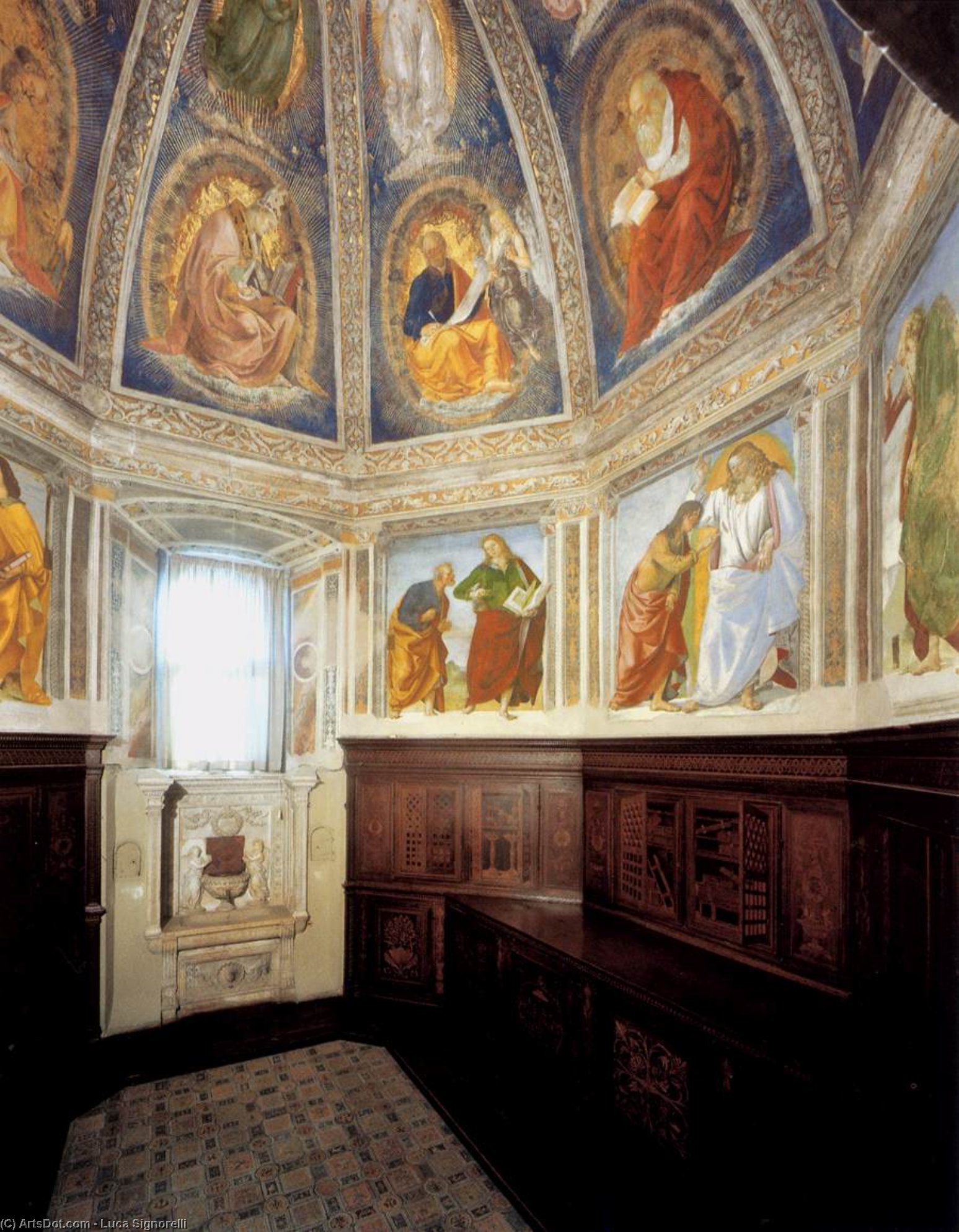
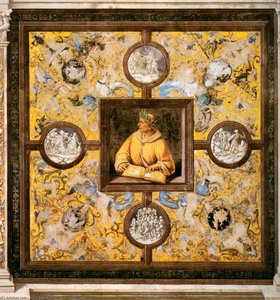
The fresco, “View of the Sacristy of St John,” painted in 1477 by Luca Signorelli for the dome of the Basilica della Santa Casa in Loreto, Italy, is more than just a decorative ceiling; it’s a meticulously crafted microcosm of faith, a testament to Renaissance artistic principles, and a profound exploration of biblical narrative. Signorelli, already establishing himself as a master draftsman and colorist, delivers here a complex composition brimming with symbolic weight and technical brilliance, inviting the viewer into a world where earthly beauty intertwines with celestial grace. The painting’s immediate impact is one of controlled dynamism – figures move within a carefully orchestrated space, guided by linear perspective and a deep understanding of human anatomy. It's a scene both intimate in its conversation and expansive in its theological scope.A Symphony of Figures and Narrative
The fresco unfolds as a series of interconnected vignettes, arranged around a central area dominated by three men engaged in animated discussion. These figures, likely representing teachers or guides, are positioned strategically to draw the eye into the heart of the composition. Above them, within circular frames adorning the dome itself, we encounter depictions of saints and angels – a gallery of holy figures rendered with classical elegance and imbued with an aura of serene authority. The narrative is deeply rooted in biblical stories: scenes from the lives of the saints, episodes from the Old Testament, and glimpses into the future judgment. Signorelli masterfully integrates these disparate elements, creating a cohesive whole that speaks to the enduring power of faith and divine providence. The careful placement of each figure – their gestures, expressions, and interactions – contributes to the overall sense of order and harmony.Technique and Materials: Fresco’s Enduring Legacy
Signorelli's mastery lies not only in his narrative vision but also in his technical execution. As a fresco painter, he worked directly onto wet plaster, applying pigments mixed with water – a technique demanding both speed and precision. The slightly textured surface of the paint is visible, lending the work an authentic sense of history and age. Signorelli’s use of color is particularly noteworthy; he employs a rich palette dominated by warm tones—golds, reds, yellows, and browns—to create a luminous effect that seems to emanate from within the fresco itself. The subtle gradations of light and shadow – achieved through careful layering of pigments – imbue the figures with volume and depth, while the linear perspective guides the viewer’s eye across the complex composition. The meticulous detail in the drapery, the realistic portrayal of facial features, and the precise rendering of architectural elements all testify to Signorelli's exceptional skill as a draftsman.Symbolism and Spiritual Resonance
Beyond its aesthetic qualities, “View of the Sacristy of St John” is rich in symbolic meaning. The circular arrangement of figures reflects the concept of eternity – a timeless realm where God’s will prevails. The saints depicted represent various virtues and ideals, serving as models for Christian emulation. The central conversation suggests the importance of guidance and instruction on the path to salvation. Furthermore, the fresco embodies the Renaissance fascination with classical antiquity, evident in the idealized forms of the figures and the harmonious proportions of the composition. It’s a visual meditation on humanity's place within the divine order, inviting contemplation and fostering a sense of spiritual connection.A Timeless Masterpiece: Reproduction and Inspiration
Today, “View of the Sacristy of St John” stands as a remarkable achievement of Renaissance art—a vibrant testament to Luca Signorelli’s genius. Reproductions offer an accessible way to experience this extraordinary work, bringing its beauty and symbolism into homes and spaces worldwide. The fresco's intricate details, balanced composition, and profound spiritual message continue to inspire artists, designers, and collectors alike. Whether admired for its technical brilliance or its evocative narrative, “View of the Sacristy of St John” remains a powerful reminder of the enduring legacy of Renaissance art.関連作品
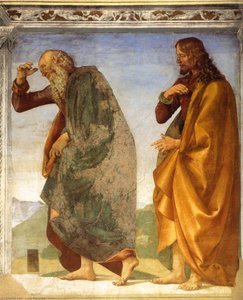
アーティストの略歴
生い立ちと修行時代
ルカ・シニョレッリは、イタリア・ルネサンスを代表する画家の一人であり、1450年頃にトスカーナ州のコルトナでその生涯をスタートさせました。正確な誕生日は定かではありませんが、1441年から1445年の間であったと伝えられています。彼は素描における類まれなる才能と、遠近法を用いた「短縮法」の巧みな駆使によって、後世にその名を刻むこととなりました。芸術的キャリア
彼の芸術への情熱が芽生えたのはペルージャであったと考えられており、そこではベネデット・ボンフィリやピントゥルキオといった巨匠たちの様式から多大な影響を受けました。ジョルジョ・ヴァザーリの記録によれば、シニョレッリは母方の叔父であるラッツァーロ・ヴァザーリの手によって、あのピエロ・デッラ・フランチェスカに弟子入りしたとされています。彼の足跡はアレッゾ(1472年)やチッタ・ディ・カステッロ(1474年)など、イタリア各地に残されており、その代表作の一つである「パンの学園」は、メディチ家のロレンツォに献上された逸品です。この作品には、人間の肉体が見事に写実的に描かれており、明暗法(キアロスクーロ)と線遠近法の極致を目の当たりにすることができます。主要な作品群
- 最後の審判(1499-1503年)、オルヴィエト大聖堂 — 彼の最高傑作と称されるこの巨大なフレスコ画は、終末の光景と審判の瞬間を圧倒的な筆致で描き出しています。
- サン・メダール祭壇画(1507年)、イタリア・アルチェヴィア、サン・メダルド美術館 — シニョレッリの技量を示す極めて重要な作品であり、細部まで緻密で自然主義的な人体表現が際立っています。
芸術運動
シニョレッリは、中世から近世へと移り変わるヨーロッパの転換点となったイタリア・ルネサンス運動の旗手でした。この時代は、古典的な伝統、自然主義、そして人間中心主義(ヒューマニズム)への情熱が再び燃え上がった時代でもありました。- 初期ルネサンス美術運動 — 美術史の進展を決定づけた芸術運動についての簡潔な紹介。
- フラ・アンジェリコ — シニョレッリの作品に影響を与え、卓越した画力で知られる高名な画家。
- ルカ・シニョレッリ — 画家の生涯、主要な作品、そして彼が属した芸術運動の概説。
遺産
シニョレッリの芸術は、ルネサンス美術の発展に計り知れない影響を及ぼしました。短縮法の駆使や素描における卓越した技術は、その後の多くの芸術家たちの道標となりました。イタリア・ルネサンスの重要人物として、彼の遺志は今なお、イタリア各地の美術館や大聖堂に収められた作品を通じて、世界中で称えられ続けています。重要な年表:
- 1450年: トスカーナ州コルトナにて誕生
- 1499-1503年: オルヴィエト大聖堂にて最後の審判を制作
- 1523年: 逝去、比類なき芸術の遺産を後世に遺す

ルカ・シニョレッリ
1450 - 1523 , イタリア
基本情報
- Artistic Movement Or Style: ルネサンス
- Artists Or Movements Influenced By This Artist: ['フラ・アンジェリコ']
- Artists Who Influenced This Artist: ['ピエロ・デッラ・フランチェスカ']
- Date Of Death: 1523年10月16日
- Full Name: ルカ・ディ・エジディオ・ディ・ヴェントゥーラ・シニョレッリ
- Nationality: イタリア
- Notable Artworks:
- 最後の審判
- パンの学園
- Place Of Birth: イタリア、コルトーナ
関連記事
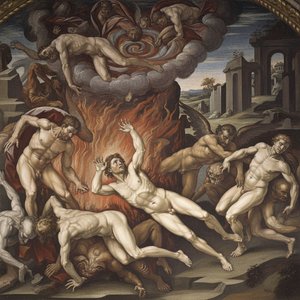
Luca Signorelli: Renaissance Innovation & Dramatic Foreshadowing of Modern Artistic Expression
Explore the revolutionary art of Luca Signorelli, a High Renaissance master renowned for his dramatic frescoes & anatomical precision. Discover his lasting impact on art history and techniques like foreshortening.

家族の遺産を壁画で彩る:伝統技法が紡ぐ、時を超越する美と記憶
古代から現代までの壁画の歴史と技法を解説。日本の壁画文化やカスタムオーダーによる家族の遺産表現、保存・修復技術まで網羅。専門家が時を超越する美と記憶を紡ぐ芸術的価値をご案内します。

The Enduring Legacy of Fresco: Technique, History & Artistic Expression Across Cultures
Explore the rich history & enduring legacy of fresco painting! Discover ancient techniques, Giotto's masterpieces, and modern applications. Expert insights for art lovers & professionals.

The Enduring Legacy of Fresco Painting: Techniques, History & Contemporary Relevance
Explore the rich history & enduring artistry of fresco painting – from Giotto to Michelangelo! Discover techniques, conservation efforts, & modern applications. Learn how ArtsDot brings this timeless art form to your home.
The Enduring Legacy of Fresco: Technique, History & Artistic Expression
Explore the rich history & enduring artistry of fresco painting. Discover techniques from Giotto to Michelangelo, conservation efforts, & modern applications. Learn how ArtsDot brings this timeless art form to your home.