 プレビュー
プレビュー
 プリントを購入
 シェアする
シェアする シェアする
シェアする
 詳細を見る
詳細を見る

 ダウンロード
 似ている作品
 X線調査
X線調査 スライドショー
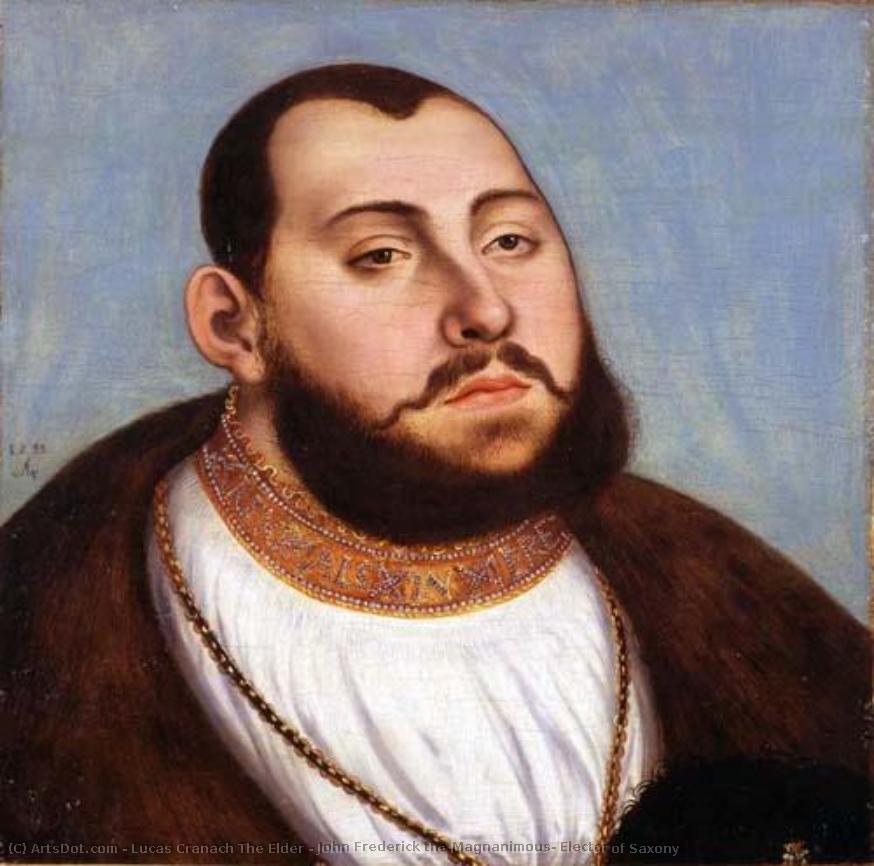
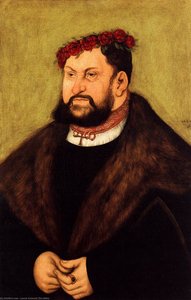
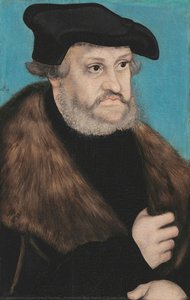
John Frederick the Magnanimous, Elector of Saxony
 Oil On Canvas
- WallArt
- Renaissance
 1535
1535 14.0 x 20.0 cm
 Friedenstein Castle
 詳細を見る
詳細を見る




P118B $10

P118H $10

P118W $10

P438Z $10

P508JH $12

P508YH $12

P805H $10

P805Z $10

P919BZ $10

P919G $10

P919XJ $10

P959ZH $10

P968JZ $12

W106C $8

W218G $10

W218JH $8

W218Y $10

W307PJ $10

W316G $10

W316PJ $8

W316Y $10

W398PJ $8

W4111J $10

W500HY $15

W500JH $15

W692G $12

W849H $8

W940BG $15

W953PJ $8




作品のオリジナル比率に合わせた、当店の規定サイズからお選びください。

特定のフレームやスペースに合わせて、ご希望のサイズをご入力いただけます。選択されたサイズが元の画像の比率と異なる場合、アートワークをトリミングするか、手描きで要素を追加して絵画を拡張いたします。デジタルモックアップ を制作し、制作開始前にご確認(承認)をいただきます。
画面上のプレビューは、実際のトリミングや拡張を正確に反映しているものではありません。最終的な構図は、モックアップによってのみ正確にご確認いただけます。
カスタムサイズもご利用いただけますが、元の比率を維持するためには、あらかじめ用意されたリストからサイズを選択することをお勧めいたします。
ご注文後、ArtsDot.com チームより詳細な指示をお送りするとともに、仕上がりイメージ(モックアップ)をご提供いたします。


 ガラスオプションは、110cm未満のサイズでのみご利用いただけます。

John Frederick the Magnanimous, Elector of Saxony
複製技法
複製画のサイズ
-


合計金額
$ 263
作品解説
The Portrait of a Saxon Leader: John Frederick the Magnanimous
Lucas Cranach the Elder’s 1535 portrait of John Frederick, Elector of Saxony, is more than just a likeness; it's a carefully constructed statement about power, faith, and the tumultuous era in which it was created. This intimate depiction, rendered with the meticulous detail characteristic of the artist, captures not merely the physical appearance of a man but also his character—a blend of regal authority and profound conviction. The painting immediately draws the eye to the subject’s face: a strong jawline, piercing gaze, and a subtle hint of melancholy beneath the carefully arranged beard – all hallmarks of Cranach's ability to imbue his subjects with psychological depth.
The composition itself is strikingly restrained. Cranach eschews elaborate background details, focusing entirely on the figure within a tightly framed space. This deliberate simplicity serves to amplify the subject’s presence and directs the viewer’s attention directly onto his face and attire. The lighting, dramatic and directional, highlights the textures of his clothing – rich velvets, intricate embroidery, and the gleam of gold jewelry—symbols of his elevated status and wealth. The use of chiaroscuro, with deep shadows contrasting sharply against bright highlights, creates a sense of volume and three-dimensionality, lending the portrait an almost sculptural quality.
Renaissance Craftsmanship: Technique and Materials
Cranach’s mastery lies not only in his ability to capture likeness but also in his technical skill. The painting is executed in oil on a wooden panel, a technique that allowed for layering of glazes – thin, transparent layers of paint applied one over the other—to build up color and create subtle tonal variations. This method resulted in a luminous surface with remarkable depth and richness. The artist’s brushwork is evident throughout, particularly in the rendering of fabrics and details like the intricate patterns on the clothing and the texture of the beard. Note the careful attention to detail in depicting the folds of the velvet robe, the sheen of the gold jewelry, and the individual strands of hair.
The palette is dominated by earthy tones—browns, golds, and whites—reflecting the conservative aesthetic favored during the Renaissance. However, subtle accents of red and orange within the jewelry hint at the subject’s ambition and perhaps a touch of extravagance. The use of perspective is relatively shallow, typical of portraiture from this period, creating an intimate and engaging viewing experience. The overall effect is one of dignified solemnity and authority—a testament to Cranach's ability to elevate his subject through skillful technique and astute observation.
Historical Context: Reformation and Saxon Power
To fully appreciate the portrait, it’s essential to understand its historical context. Created in 1535, during a period of intense religious upheaval—the Protestant Reformation—it reflects the complex political and spiritual landscape of Saxony. John Frederick, known as the Magnanimous, was a key figure in this era, leading the Saxon Electorate through a time of significant challenges. He was a staunch supporter of Lutheranism, a commitment powerfully conveyed through his appearance – he wears symbols associated with the faith, including a pendant and rings.
The portrait itself served as a powerful symbol of authority and legitimacy for the Elector. It was commissioned during a time when Saxony was navigating turbulent waters, balancing its allegiance to the Holy Roman Empire with its growing support for Protestant reforms. Cranach’s skillful portrayal helped solidify John Frederick's position as a strong and resolute leader—a man dedicated to both his state and his faith. The painting is therefore not simply a portrait; it’s a visual declaration of power, piety, and political acumen.
Symbolism and Legacy
Beyond its immediate aesthetic qualities, the portrait is rich in symbolism. The Elector's attire—the velvet robe, the gold jewelry, and the elaborate fur trim—all signify his wealth, status, and authority. The pendant he wears is a clear reference to Christian iconography, reinforcing his commitment to Lutheranism. His gaze, direct and unwavering, conveys a sense of confidence and determination. Cranach’s portrait of John Frederick the Magnanimous stands as a remarkable achievement of Renaissance art—a testament to the artist's skill, insight, and ability to capture the essence of a man and an era.
関連作品
アーティストの略歴
Lucas Cranach the Elder
Lucas Cranach the Elder, born around 1472 in Kronach (現在のドイツ)、フランコンテンの都市として、彼の父親ハンス・マラーは画家であり、彼はハンス・マラーから最初の芸術的な指導を受けた。彼の母親はハブナー氏で、1491年に亡くなった。その後、彼の出生地の名前が彼の姓に用いられ、これは美術家の職業ではなく、その出自を表すものであった。クラナッハの訓練場所は不明であるが、彼は南ドイツの画家たちの影響を受けていたと考えられている。特にマティアス・グリュニューアルドとの関係は非常に近く、彼の息子ハンスも同じように芸術的な指導を受けた。彼は1504年にエレクトルのフリードリヒ3世に仕え、この関係は彼のキャリアを定義し、同時に彼に影響力のある人々へのアクセスを提供した。このエレクトルの画家としての任命は単に装飾的な作品を作ることだけではなかった。それはエレクトルの権威、聖職、そして伝統的な宗教秩序に挑戦するリーダーの役割を投影するように設計されたイメージだった。ウィッテンベルクでエレクトルの画家を務めることで、クラナッハはヨーロッパにおける最も重要な動きの中心にいた。Early Life and Artistic Training
彼の父親ハンス・マラーとの関係は単に収入を得ることだけではなかった。彼は美術家の職業ではなく、その出自を表すものであった。クラナッハの訓練場所は不明であるが、彼は南ドイツの画家たちの影響を受けていたと考えられている。特にマティアス・グリュニューアルドとの関係は非常に近く、彼の息子ハンスも同じように芸術的な指導を受けた。彼は1504年にエレクトルのフリードリヒ3世に仕え、この関係は彼のキャリアを定義し、同時に彼に影響力のある人々へのアクセスを提供した。このエレクトルの画家としての任命は単に装飾的な作品を作ることだけではなかった。それはエレクトルの権威、聖職、そして伝統的な宗教秩序に挑戦するリーダーの役割を投影するように設計されたイメージだった。ウィッテンベルクでエレクトルの画家を務めることで、クラナッハはヨーロッパにおける最も重要な動きの中心にいた。彼は父親ハンス・マラーから最初の芸術的な指導を受けた。彼の母親はハブナー氏で、1491年に亡くなった。その後、彼の出生地の名前が彼の姓に用いられ、これは美術家の職業ではなく、その出自を表すものであった。クラナッハの訓練場所は不明であるが、彼は南ドイツの画家たちの影響を受けていたと考えられている。特にマティアス・グリュニューアルドとの関係は非常に近く、彼の息子ハンスも同じように芸術的な指導を受けた。彼は父親ハンス・マラーから最初の芸術的な指導を受けた。彼の母親はハブナー氏で、1491年に亡くなった。その後、彼の出生地の名前が彼の姓に用いられ、これは美術家の職業ではなく、その出自を表すものであった。クラナッハの訓練場所は不明であるが、彼は南ドイツの画家たちの影響を受けていたと考えられている。特にマティアス・グリュニューアルドとの関係は非常に近く、彼の息子ハンスも同じように芸術的な指導を受けた。彼は父親ハンス・マラーから最初の芸術的な指導を受けた。彼の母親はハブナー氏で、1491年に亡くなった。その後、彼の出生地の名前が彼の姓に用いられ、これは美術家の職業ではなく、その出自を表すものであった。クラナッハの訓練場所は不明であるが、彼は南ドイツの画家たちの影響を受けていたと考えられている。特にマティアス・グリュニューアルドとの関係は非常に近く、彼の息子ハンスも同じように芸術的な指導を受けた。彼は父親ハンス・マラーから最初の芸術的な指導を受けた。彼の母親はハブナー氏で、1491年に亡くなった。その後、彼の出生地の名前が彼の姓に用いられ、これは美術家の職業ではなく、その出自を表すものであった。クラナッハの訓練場所は不明であるが、彼は南ドイツの画家たちの影響を受けていたと考えられている。特にマティアス・グリュニューアルドとの関係は非常に近く、彼の息子ハンスも同じように芸術的な指導を受けた。彼は父親ハンス・マラーから最初の芸術的な指導を受けた。彼の母親はハブナー氏で、1491年に亡くなった。その後、彼の出生地の名前が彼の姓に用いられ、これは美術家の職業ではなく、その出自を表すものであった。クラナッハの訓練場所は不明であるが、彼は南ドイツの画家たちの影響を受けていたと考えられている。特にマティアス・グリュニューアルドとの関係は非常に近く、彼の息子ハンスも同じように芸術的な指導を受けた。彼は父親ハンス・マラーから最初の芸術的な指導を受けた。彼の母親はハブナー氏で、1491年に亡くなった。その後、彼の出生地の名前が彼の姓に用いられ、これは美術家の職業ではなく、その出自を表すものであった。クラナッハの訓練場所は不明であるが、彼は南ドイツの画家たちの影響を受けていたと考えられている。特にマティアス・グリュニューアルドとの関係は非常に近く、彼の息子ハンスも同じように芸術的な指導を受けた。彼は父親ハンス・マラーから最初の芸術的な指導を受けた。彼の母親はハブナー氏で、1491年に亡くなった。その後、彼の出生地の名前が彼の姓に用いられ、これは美術家の職業ではなく、その出自を表すものであった。クラナッハの訓練場所は不明であるが、彼は南ドイツの画家たちの影響を受けていたと考えられている。特にマティアス・グリュニューアルドとの関係は非常に近く、彼の息子ハンスも同じように芸術的な指導を受けた。彼は父親ハンス・マラーから最初の芸術的な指導を受けた。彼の母親はハブナー氏で、1491年に亡くなった。その後、彼の出生地の名前が彼の姓に用いられ、これは美術家の職業ではなく、その出自を表すものであった。クラナッハの訓練場所は不明であるが、彼は南ドイツの画家たちの影響を受けていたと考えられている。特にマティアス・グリュニューアルドとの関係は非常に近く、彼の息子ハンスも同じように芸術的な指導を受けた。彼は父親ハンス・マラーから最初の芸術的な指導を受けた。彼の母親はハブナー氏で、1491年に亡くなった。その後、彼の出生地の名前が彼の姓に用いられ、これは美術家の職業ではなく、その出自を表すものであった。クラナッハの訓練場所は不明であるが、彼は南ドイツの画家たちの影響を受けていたと考えられている。特にマティアス・グリュニューアルドとの関係は非常に近く、彼の息子ハンスも同じように芸術的な指導を受けた。彼は父親ハンス・マラーから最初の芸術的な指導を受けた。彼の母親はハブナー氏で、1491年に亡くなった。その後、彼の出生地の名前が彼の姓に用いられ、これは美術家の職業ではなく、その出自を表すものであった。クラナッハの訓練場所は不明であるが、彼は南ドイツの画家たちの影響を受けていたと考えられている。特にマティアス・グリュニューアルドとの関係は非常に近く、彼の息子ハンスも同じように芸術的な指導を受けた。彼は父親ハンス・マラーから最初の芸術的な指導を受けた。彼の母親はハブナー氏で、1491年に亡くなった。その後、彼の出生地の名前が彼の姓に用いられ、これは美術家の職業ではなく、その出自を表すものであった。クラナッハの訓練場所は不明であるが、彼は南ドイツの画家たちの影響を受けていたと考えられている。特にマティアス・グリュニューアルドとの関係は非常に近く、彼の息子ハンスも同じように芸術的な指導を受けた。彼は父親ハンス・マラーから最初の芸術的な指導を受けた。彼の母親はハブナー氏で、1491年に亡くなった。その後、彼の出生地の名前が彼の姓に用いられ、これは美術家の職業ではなく、その出自を表すものであった。クラナッハの訓練場所は不明であるが、彼は南ドイツの画家たちの影響を受けていたと考えられている。特にマティアス・グリュニューアルドとの関係は非常に近く、彼の息子ハンスも同じように芸術的な指導を受けた。彼は父親ハンス・マラーから最初の芸術的な指導を受けた。彼の母親はハブナー氏で、1491年に亡くなった。その後、彼の出生地の名前が彼の姓に用いられ、これは美術家の職業ではなく、その出自を表すものであった。クラナッハの訓練場所は不明であるが、彼は南ドイツの画家たちの影響を受けていたと考えられている。特にマティアス・グリュニューアルドとの関係は非常に近く、彼の息子ハンスも同じように芸術的な指導を受けた。彼は父親ハンス・マラーから最初の芸術的な指導を受けた。彼の母親はハブナー氏で、1491年に亡くなった。その後、彼の出生地の名前が彼の姓に用いられ、これは美術家の職業ではなく、その出自を表すものであった。クラナッハの訓練場所は不明であるが、彼は南ドイツの画家たちの影響を受けていたと考えられている。特にマティアス・グリュニューアルドとの関係は非常に近く、彼の息子ハンスも同じように芸術的な指導を受けた。彼は父親ハンス・マラーから最初の芸術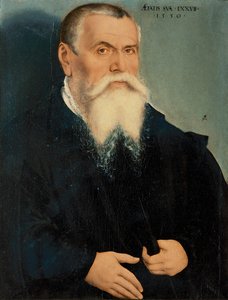
ルイス・クラナッハの長老
1472 - 1553 , ドイツ
基本情報
- Artistic Movement Or Style: 北欧ルネサンス美術
- Artists Or Movements Influenced By This Artist: ['アルブレヒト・デューラー']
- Artists Who Influenced This Artist: ['ハンス・マラー']
- Date Of Birth: 1472年頃
- Date Of Death: 1553年10月16日
- Full Name: Lucas Cranach der Ältere
- Nationality: ドイツ人
- Notable Artworks: ['聖狩礼儀']
- Place Of Birth: クローナッハ、ドイツ
関連記事

ジョン・シンガー・サージェント:至高の25選 - 美と光の肖像画の世界 | ArtsDot
ジョン・シンガー・サージェントの至高の25選。肖像画、写実主義、光と影の表現が美しい作品群を紐解きます。マダムXや少女の肖像など、時代を超えて愛される名作をArtsDotで鑑賞。高品質なアート複製で、お部屋に美術館のような空間を。今すぐコレクションをご覧ください。

ジョン・コンスタブルの傑作25選:英国風景画の巨匠が描く自然と光の詩 | ArtsDot
ジョン・コンスタブルの傑作25選。英国風景画の巨匠が描く自然と光の詩の世界へ。ロマン主義を代表する絵画、デダム・ヴェールやヘイ・ウェインなど、ArtsDotで高品質なアートプリントをお楽しみください。インテリアに深みと感動を。コレクションはこちら。
John Frederick Lewis: Orientalism, Detail & Genre Painting in 19th-Century British Art
Explore the captivating Orientalist paintings of John Frederick Lewis! Discover his mastery of detail, genre scenes & influence on 19th-century British art. Learn about his life, techniques & legacy at ArtsDot.
John Frederick Herring Sr.: Equestrian Mastery & the Rise of Sporting Art in Victorian England
Explore the life & work of John Frederick Herring Sr., a leading Victorian equestrian artist. Discover his masterpieces, patronage, techniques & investment potential. Expert insights for collectors.

John Frederick Kensett: Luminosity, Landscape & the American Identity
Explore the luminous landscapes of John Frederick Kensett, a master of Luminism and key figure in the Hudson River School. Discover his serene paintings & enduring legacy with ArtsDot.