 プレビュー
プレビュー
 プリントを購入
 シェアする
シェアする シェアする
シェアする
 詳細を見る
詳細を見る

 ダウンロード
 似ている作品
 X線調査
X線調査 スライドショー
Martin Luther as Junker Jörg


 詳細を見る
詳細を見る




P118B $10

P118H $10

P118W $10

P438Z $10

P508JH $12

P508YH $12

P805H $10

P805Z $10

P919BZ $10

P919G $10

P919XJ $10

P959ZH $10

P968JZ $12

W106C $8

W218G $10

W218JH $8

W218Y $10

W307PJ $10

W316G $10

W316PJ $8

W316Y $10

W398PJ $8

W4111J $10

W500HY $15

W500JH $15

W692G $12

W849H $8

W940BG $15

W953PJ $8




作品のオリジナル比率に合わせた、当店の規定サイズからお選びください。

特定のフレームやスペースに合わせて、ご希望のサイズをご入力いただけます。選択されたサイズが元の画像の比率と異なる場合、アートワークをトリミングするか、手描きで要素を追加して絵画を拡張いたします。デジタルモックアップ を制作し、制作開始前にご確認(承認)をいただきます。
画面上のプレビューは、実際のトリミングや拡張を正確に反映しているものではありません。最終的な構図は、モックアップによってのみ正確にご確認いただけます。
カスタムサイズもご利用いただけますが、元の比率を維持するためには、あらかじめ用意されたリストからサイズを選択することをお勧めいたします。
ご注文後、ArtsDot.com チームより詳細な指示をお送りするとともに、仕上がりイメージ(モックアップ)をご提供いたします。


 ガラスオプションは、110cm未満のサイズでのみご利用いただけます。

Martin Luther as Junker Jörg
複製技法
複製画のサイズ
-


合計金額
$ 263
The Weight of Faith: Lucas Cranach’s Dramatic Depiction
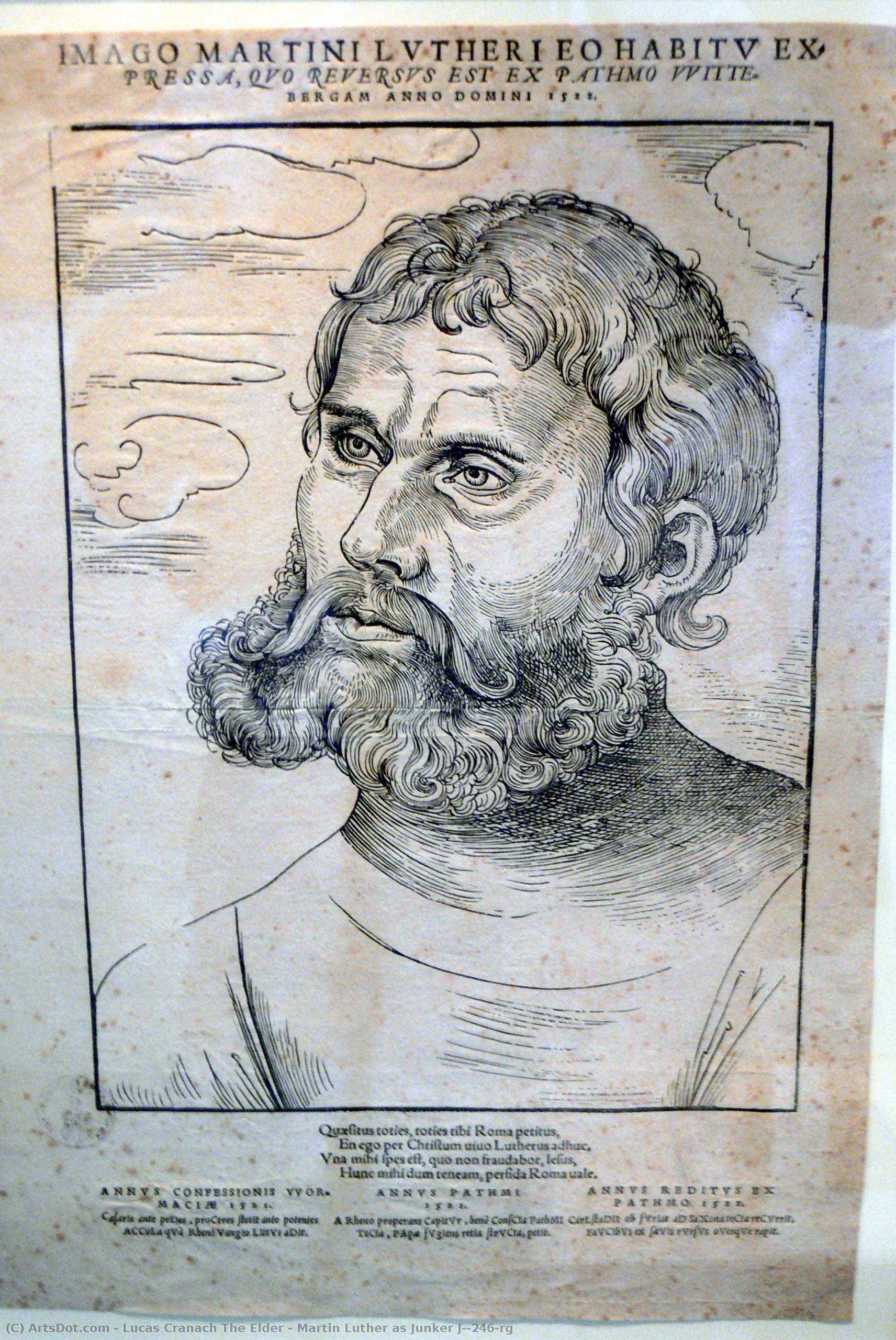
Lucas Cranach the Elder's “Martin Luther as Junker Jörg,” painted in 1522, isn’t merely a portrait; it’s a carefully constructed tableau vivant—a visual embodiment of a pivotal moment in European history. This woodcut, executed with remarkable detail and imbued with potent symbolism, captures Martin Luther not as the fiery reformer we often envision, but as a man caught in the precarious balance between faith and worldly threat. The image immediately commands attention: Luther, clad in the garb of a wealthy nobleman – the “Junker” – stands with a stoic gaze directed just beyond the frame, suggesting both vulnerability and resolute determination. His beard and mustache, rendered with meticulous realism, convey an air of authority tempered by a hint of weariness, reflecting the immense pressures he faced during his initial defiance of papal authority.
- The Context: Painted in the tumultuous years following Luther’s 1521 return to Wittenberg after his exile, this work speaks directly to the climate of religious upheaval. Luther's challenge to the Catholic Church had placed him under imperial ban and threatened his life; the “Junker Jörg” disguise was a calculated maneuver designed to protect him while he continued to disseminate his ideas.
- The Disguise: The choice of attire is crucial. The nobleman’s clothing represents a temporary shedding of Luther's clerical identity, a deliberate act of concealment intended to shield him from persecution. It highlights the precariousness of his position and underscores the lengths he was willing to go to for his beliefs.
- The Composition: Cranach masterfully employs perspective—a subtle recession into the background—to draw the viewer’s eye towards Luther, anchoring him within the scene. The muted palette – dominated by browns, greys, and blacks – reinforces the somber mood and emphasizes the gravity of the situation.
Craftsmanship & Technique: A Masterful Woodcut
Cranach’s skill as a woodcutter is immediately apparent in the intricate detail of this image. The lines are crisp, precise, and remarkably expressive, conveying texture and form with astonishing subtlety. This was not simply a print; it was a carefully considered artistic statement. Cranach utilized a technique known as “bitter burn,” where he would carve away areas of the wood block to create lighter tones, allowing for a greater range of shading and detail than traditional relief printing. The result is a remarkably nuanced image—a testament to his technical mastery.
Key Techniques:- Bitterschnitt (Bitter Cut): Cranach’s signature technique, enabling detailed shading and tonal variation within the woodcut.
- Cross-Hatching: Used extensively to create texture and depth in the clothing and Luther's face.
- Linear Perspective: Employed subtly to establish a sense of space and draw the viewer’s eye towards the central figure.
Symbolism & Thematic Resonance
Beyond its immediate depiction, “Martin Luther as Junker Jörg” is rich in symbolic meaning. The sword, partially visible at Luther's side, represents both his authority and the threat he faced – a constant reminder of the potential consequences of his defiance. The setting itself—a vaguely defined landscape—suggests a world outside the confines of Wittenberg, emphasizing Luther’s exile and the broader implications of his challenge to established power structures. The very act of portraying Luther in this disguise speaks volumes about the courage required to stand against the Church and the lengths he was willing to go to protect his convictions.
The image serves as a potent reminder of the personal sacrifices made by those who dared to question religious authority, solidifying Luther’s place as a key figure in the dawn of the Reformation.A Timeless Portrait: Reproduction & Artistic Legacy
Reproductions of “Martin Luther as Junker Jörg” offer a remarkable opportunity to engage with this iconic image and appreciate Cranach's artistic genius. The detail and emotional depth captured in the original woodcut are faithfully reproduced, making it an ideal addition to any collection or interior space. Consider framing the reproduction within a period-appropriate wooden frame to further enhance its historical impact. This artwork is not just a depiction of a man; it’s a window into a transformative era—a testament to faith, courage, and the enduring power of art to capture the complexities of human experience.
関連作品
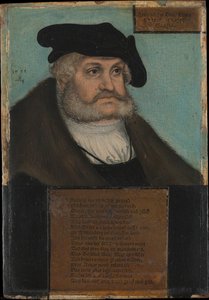
アーティストの略歴
Lucas Cranach the Elder
Lucas Cranach the Elder, born around 1472 in Kronach (現在のドイツ)、フランコンテンの都市として、彼の父親ハンス・マラーは画家であり、彼はハンス・マラーから最初の芸術的な指導を受けた。彼の母親はハブナー氏で、1491年に亡くなった。その後、彼の出生地の名前が彼の姓に用いられ、これは美術家の職業ではなく、その出自を表すものであった。クラナッハの訓練場所は不明であるが、彼は南ドイツの画家たちの影響を受けていたと考えられている。特にマティアス・グリュニューアルドとの関係は非常に近く、彼の息子ハンスも同じように芸術的な指導を受けた。彼は1504年にエレクトルのフリードリヒ3世に仕え、この関係は彼のキャリアを定義し、同時に彼に影響力のある人々へのアクセスを提供した。このエレクトルの画家としての任命は単に装飾的な作品を作ることだけではなかった。それはエレクトルの権威、聖職、そして伝統的な宗教秩序に挑戦するリーダーの役割を投影するように設計されたイメージだった。ウィッテンベルクでエレクトルの画家を務めることで、クラナッハはヨーロッパにおける最も重要な動きの中心にいた。Early Life and Artistic Training
彼の父親ハンス・マラーとの関係は単に収入を得ることだけではなかった。彼は美術家の職業ではなく、その出自を表すものであった。クラナッハの訓練場所は不明であるが、彼は南ドイツの画家たちの影響を受けていたと考えられている。特にマティアス・グリュニューアルドとの関係は非常に近く、彼の息子ハンスも同じように芸術的な指導を受けた。彼は1504年にエレクトルのフリードリヒ3世に仕え、この関係は彼のキャリアを定義し、同時に彼に影響力のある人々へのアクセスを提供した。このエレクトルの画家としての任命は単に装飾的な作品を作ることだけではなかった。それはエレクトルの権威、聖職、そして伝統的な宗教秩序に挑戦するリーダーの役割を投影するように設計されたイメージだった。ウィッテンベルクでエレクトルの画家を務めることで、クラナッハはヨーロッパにおける最も重要な動きの中心にいた。彼は父親ハンス・マラーから最初の芸術的な指導を受けた。彼の母親はハブナー氏で、1491年に亡くなった。その後、彼の出生地の名前が彼の姓に用いられ、これは美術家の職業ではなく、その出自を表すものであった。クラナッハの訓練場所は不明であるが、彼は南ドイツの画家たちの影響を受けていたと考えられている。特にマティアス・グリュニューアルドとの関係は非常に近く、彼の息子ハンスも同じように芸術的な指導を受けた。彼は父親ハンス・マラーから最初の芸術的な指導を受けた。彼の母親はハブナー氏で、1491年に亡くなった。その後、彼の出生地の名前が彼の姓に用いられ、これは美術家の職業ではなく、その出自を表すものであった。クラナッハの訓練場所は不明であるが、彼は南ドイツの画家たちの影響を受けていたと考えられている。特にマティアス・グリュニューアルドとの関係は非常に近く、彼の息子ハンスも同じように芸術的な指導を受けた。彼は父親ハンス・マラーから最初の芸術的な指導を受けた。彼の母親はハブナー氏で、1491年に亡くなった。その後、彼の出生地の名前が彼の姓に用いられ、これは美術家の職業ではなく、その出自を表すものであった。クラナッハの訓練場所は不明であるが、彼は南ドイツの画家たちの影響を受けていたと考えられている。特にマティアス・グリュニューアルドとの関係は非常に近く、彼の息子ハンスも同じように芸術的な指導を受けた。彼は父親ハンス・マラーから最初の芸術的な指導を受けた。彼の母親はハブナー氏で、1491年に亡くなった。その後、彼の出生地の名前が彼の姓に用いられ、これは美術家の職業ではなく、その出自を表すものであった。クラナッハの訓練場所は不明であるが、彼は南ドイツの画家たちの影響を受けていたと考えられている。特にマティアス・グリュニューアルドとの関係は非常に近く、彼の息子ハンスも同じように芸術的な指導を受けた。彼は父親ハンス・マラーから最初の芸術的な指導を受けた。彼の母親はハブナー氏で、1491年に亡くなった。その後、彼の出生地の名前が彼の姓に用いられ、これは美術家の職業ではなく、その出自を表すものであった。クラナッハの訓練場所は不明であるが、彼は南ドイツの画家たちの影響を受けていたと考えられている。特にマティアス・グリュニューアルドとの関係は非常に近く、彼の息子ハンスも同じように芸術的な指導を受けた。彼は父親ハンス・マラーから最初の芸術的な指導を受けた。彼の母親はハブナー氏で、1491年に亡くなった。その後、彼の出生地の名前が彼の姓に用いられ、これは美術家の職業ではなく、その出自を表すものであった。クラナッハの訓練場所は不明であるが、彼は南ドイツの画家たちの影響を受けていたと考えられている。特にマティアス・グリュニューアルドとの関係は非常に近く、彼の息子ハンスも同じように芸術的な指導を受けた。彼は父親ハンス・マラーから最初の芸術的な指導を受けた。彼の母親はハブナー氏で、1491年に亡くなった。その後、彼の出生地の名前が彼の姓に用いられ、これは美術家の職業ではなく、その出自を表すものであった。クラナッハの訓練場所は不明であるが、彼は南ドイツの画家たちの影響を受けていたと考えられている。特にマティアス・グリュニューアルドとの関係は非常に近く、彼の息子ハンスも同じように芸術的な指導を受けた。彼は父親ハンス・マラーから最初の芸術的な指導を受けた。彼の母親はハブナー氏で、1491年に亡くなった。その後、彼の出生地の名前が彼の姓に用いられ、これは美術家の職業ではなく、その出自を表すものであった。クラナッハの訓練場所は不明であるが、彼は南ドイツの画家たちの影響を受けていたと考えられている。特にマティアス・グリュニューアルドとの関係は非常に近く、彼の息子ハンスも同じように芸術的な指導を受けた。彼は父親ハンス・マラーから最初の芸術的な指導を受けた。彼の母親はハブナー氏で、1491年に亡くなった。その後、彼の出生地の名前が彼の姓に用いられ、これは美術家の職業ではなく、その出自を表すものであった。クラナッハの訓練場所は不明であるが、彼は南ドイツの画家たちの影響を受けていたと考えられている。特にマティアス・グリュニューアルドとの関係は非常に近く、彼の息子ハンスも同じように芸術的な指導を受けた。彼は父親ハンス・マラーから最初の芸術的な指導を受けた。彼の母親はハブナー氏で、1491年に亡くなった。その後、彼の出生地の名前が彼の姓に用いられ、これは美術家の職業ではなく、その出自を表すものであった。クラナッハの訓練場所は不明であるが、彼は南ドイツの画家たちの影響を受けていたと考えられている。特にマティアス・グリュニューアルドとの関係は非常に近く、彼の息子ハンスも同じように芸術的な指導を受けた。彼は父親ハンス・マラーから最初の芸術的な指導を受けた。彼の母親はハブナー氏で、1491年に亡くなった。その後、彼の出生地の名前が彼の姓に用いられ、これは美術家の職業ではなく、その出自を表すものであった。クラナッハの訓練場所は不明であるが、彼は南ドイツの画家たちの影響を受けていたと考えられている。特にマティアス・グリュニューアルドとの関係は非常に近く、彼の息子ハンスも同じように芸術的な指導を受けた。彼は父親ハンス・マラーから最初の芸術的な指導を受けた。彼の母親はハブナー氏で、1491年に亡くなった。その後、彼の出生地の名前が彼の姓に用いられ、これは美術家の職業ではなく、その出自を表すものであった。クラナッハの訓練場所は不明であるが、彼は南ドイツの画家たちの影響を受けていたと考えられている。特にマティアス・グリュニューアルドとの関係は非常に近く、彼の息子ハンスも同じように芸術的な指導を受けた。彼は父親ハンス・マラーから最初の芸術的な指導を受けた。彼の母親はハブナー氏で、1491年に亡くなった。その後、彼の出生地の名前が彼の姓に用いられ、これは美術家の職業ではなく、その出自を表すものであった。クラナッハの訓練場所は不明であるが、彼は南ドイツの画家たちの影響を受けていたと考えられている。特にマティアス・グリュニューアルドとの関係は非常に近く、彼の息子ハンスも同じように芸術的な指導を受けた。彼は父親ハンス・マラーから最初の芸術的な指導を受けた。彼の母親はハブナー氏で、1491年に亡くなった。その後、彼の出生地の名前が彼の姓に用いられ、これは美術家の職業ではなく、その出自を表すものであった。クラナッハの訓練場所は不明であるが、彼は南ドイツの画家たちの影響を受けていたと考えられている。特にマティアス・グリュニューアルドとの関係は非常に近く、彼の息子ハンスも同じように芸術的な指導を受けた。彼は父親ハンス・マラーから最初の芸術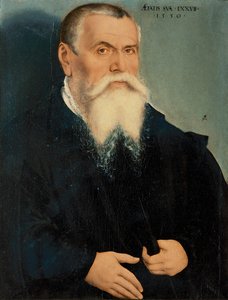
ルイス・クラナッハの長老
1472 - 1553 , ドイツ
基本情報
- Artistic Movement Or Style: 北欧ルネサンス美術
- Artists Or Movements Influenced By This Artist: ['アルブレヒト・デューラー']
- Artists Who Influenced This Artist: ['ハンス・マラー']
- Date Of Birth: 1472年頃
- Date Of Death: 1553年10月16日
- Full Name: Lucas Cranach der Ältere
- Nationality: ドイツ人
- Notable Artworks: ['聖狩礼儀']
- Place Of Birth: クローナッハ、ドイツ
関連記事
The Northern Awakening: Artistic Innovation & Cultural Transformation in the German Renaissance
Explore the artistic innovation of the German Renaissance! Discover Dürer, the Danube School & Reformation art. Learn about techniques, materials & lasting influence. Find museum-quality reproductions at ArtsDot.
Charles Martin Hardie: A Pioneer of Colour Woodcut & British Printmaking Revival
Discover Charles Martin Hardie (1858-1916), a pivotal Scottish artist renowned for his evocative portraits and pioneering colour woodcut technique. Explore his life, work, and lasting influence on British printmaking.
German Expressionism's 10 Defining Masterpieces | Art for Your Home
Explore 10 defining German Expressionism masterpieces – from Munch's 'The Scream' to Kandinsky’s abstracts. Discover the artists, stories & bold colors behind this powerful art movement. Find museum-quality reproductions at ArtsDot.com.
Lucas van Leyden: Innovation & Intimacy in Early Netherlandish Printmaking
Explore the groundbreaking prints of Lucas van Leyden, a Dutch master bridging Gothic detail & Renaissance innovation. Discover his rare works, investment potential, and legacy for discerning collectors.
Anton von Werner: Imperial Painter, Historical Witness & Shifting German Identity
Explore the life & work of Anton von Werner, Imperial Germany's leading painter. Discover his dramatic depictions of war, unification, and court life – a fascinating insight into 19th-century German history & art.