 プレビュー
プレビュー
 プリントを購入
 シェアする
シェアする シェアする
シェアする
 詳細を見る
詳細を見る

 ダウンロード
 似ている作品
 X線調査
X線調査 スライドショー
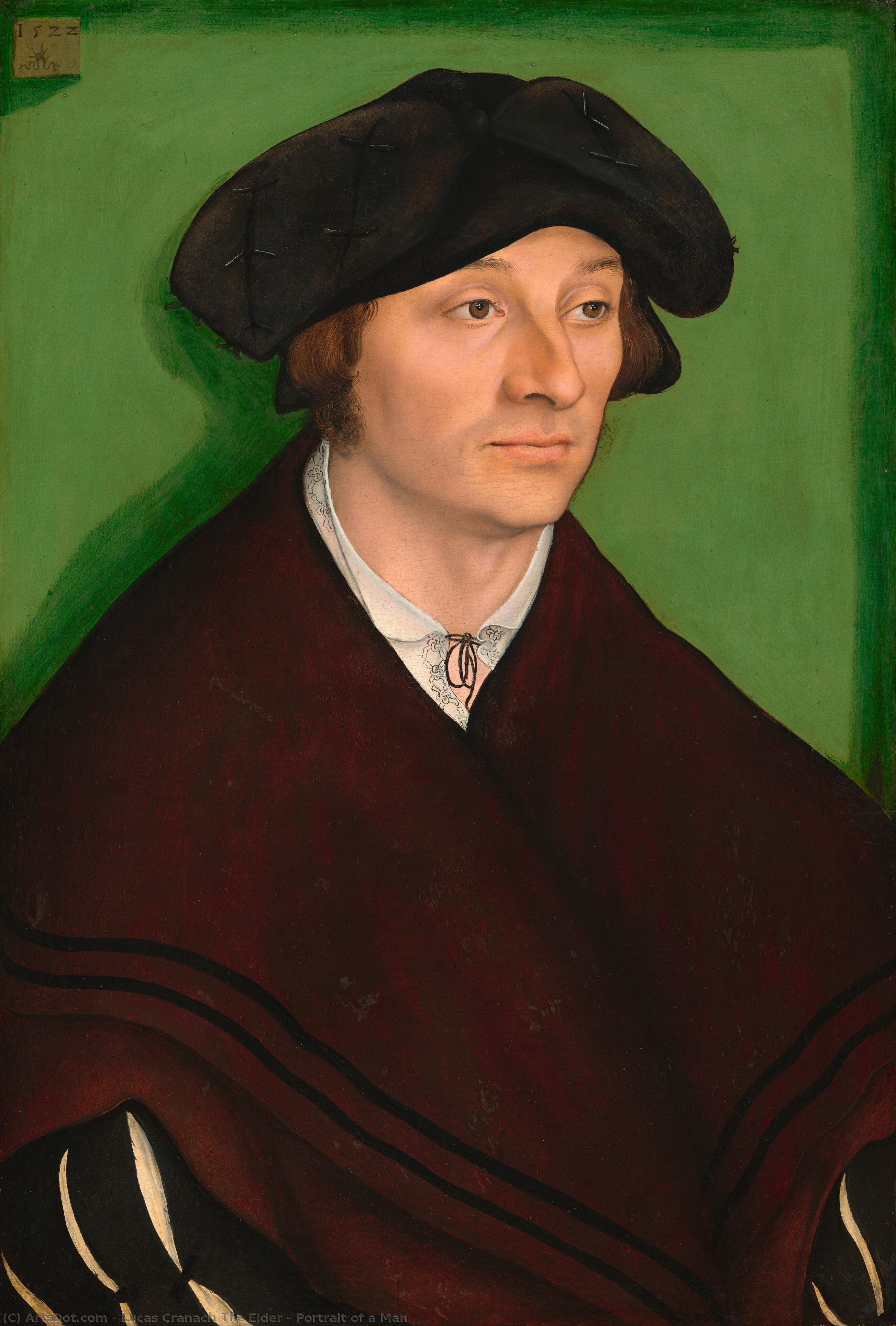
Portrait of a Man
 Oil On Canvas
- WallArt
- Baroque
 1522
1522- Renaissance
 58.0 x 40.0 cm
 詳細を見る
詳細を見る




P118B $10

P118H $10

P118W $10

P438Z $10

P508JH $12

P508YH $12

P805H $10

P805Z $10

P919BZ $10

P919G $10

P919XJ $10

P959ZH $10

P968JZ $12

W106C $8

W218G $10

W218JH $8

W218Y $10

W307PJ $10

W316G $10

W316PJ $8

W316Y $10

W398PJ $8

W4111J $10

W500HY $15

W500JH $15

W692G $12

W849H $8

W940BG $15

W953PJ $8




作品のオリジナル比率に合わせた、当店の規定サイズからお選びください。

特定のフレームやスペースに合わせて、ご希望のサイズをご入力いただけます。選択されたサイズが元の画像の比率と異なる場合、アートワークをトリミングするか、手描きで要素を追加して絵画を拡張いたします。デジタルモックアップ を制作し、制作開始前にご確認(承認)をいただきます。
画面上のプレビューは、実際のトリミングや拡張を正確に反映しているものではありません。最終的な構図は、モックアップによってのみ正確にご確認いただけます。
カスタムサイズもご利用いただけますが、元の比率を維持するためには、あらかじめ用意されたリストからサイズを選択することをお勧めいたします。
ご注文後、ArtsDot.com チームより詳細な指示をお送りするとともに、仕上がりイメージ(モックアップ)をご提供いたします。


 ガラスオプションは、110cm未満のサイズでのみご利用いただけます。

Portrait of a Man
複製技法
複製画のサイズ
-


合計金額
$ 263
作品解説
A Portrait of Quiet Power: Lucas Cranach’s ‘Portrait of a Man’ (1522)
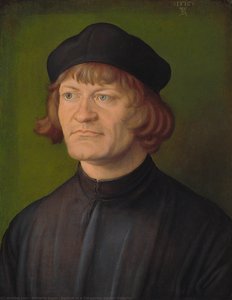
Lucas Cranach the Elder's “Portrait of a Man,” painted in 1522, is more than just a depiction of an individual; it’s a carefully constructed meditation on status, faith, and the burgeoning complexities of the early Renaissance. Measuring 58 x 40 cm, this vertical composition immediately draws the eye to the subject – a man presented with a dignified reserve that belies the turbulent era in which he lived. Cranach, a master of his craft, expertly utilizes light and shadow to sculpt the figure, creating a palpable sense of volume and depth. The lime-green background, a bold choice for the period, doesn’t merely serve as a backdrop; it subtly enhances the richness of the burgundy red and black garments, while simultaneously casting a dramatic, darker green shadow that adds an element of mystery and intrigue to the scene.
- Technical Brilliance: Executed in oil on panel, Cranach’s technique is characterized by meticulous detail and a masterful understanding of color. The smooth application of paint creates a luminous quality, particularly evident in the man's pale skin and the reflective sheen of his dark cap.
- Costume as Communication: The subject’s attire speaks volumes about his position within society. The white shirt with its delicate black pattern, the voluminous red shawl, and the long black sleeves are indicative of wealth and status – hallmarks of a man connected to the powerful courts of Saxony.
- The Significance of Detail: Note the subtle details—the bumped nose, high cheekbones, and the hint of a five-o’clock shadow—that contribute to the portrait's realism and psychological depth. Cranach wasn't simply rendering an image; he was capturing a personality.
Symbolism and the Reformation’s Shadow
The year 1522 is inextricably linked with the Protestant Reformation, and this painting reflects the shifting religious and political landscape of Germany. The presence of the winged serpent holding a ring in its mouth, depicted over the date, is particularly significant. This imagery draws upon classical mythology – the serpent representing wisdom and knowledge – but also carries strong Christian connotations, referencing the biblical story of Adam and Eve and the temptation of sin. Cranach was deeply involved with the Reformation movement, producing portraits for both Catholic and Protestant figures, navigating the complex religious divisions of his time.
- The Winged Serpent: The serpent’s association with knowledge and divine revelation adds a layer of intellectual and spiritual depth to the portrait.
- A Reflection of Change: Cranach's willingness to work for both sides of the Reformation demonstrates his artistic independence and his understanding of the profound social and religious changes taking place in Europe.
The Artist’s Hand and the Legacy of a Master
Lucas Cranach the Elder was a pivotal figure in the German Renaissance, renowned for his ability to blend technical skill with psychological insight. Born in Kronach around 1472, he trained under his father, Hans Maler, and quickly established himself as a leading portraitist. His work is characterized by its realism, emotional intensity, and masterful use of color and light. The small, light brown panel affixed to the back wall, bearing Cranach’s signature symbol, serves as a tangible link to the artist's hand and his creative process – a testament to his enduring legacy.
- A Renaissance Innovator: Cranach pushed the boundaries of portraiture, moving beyond mere likenesses to create works that captured the essence of his subjects’ personalities.
- Enduring Influence: His influence can be seen in the work of subsequent generations of artists, solidifying his place as one of the most important figures of the German Renaissance.
Capturing the Essence – A Hand-Painted Reproduction
ArtsDot offers a meticulously crafted hand-painted reproduction of Lucas Cranach the Elder’s “Portrait of a Man,” faithfully recreating the original's beauty and power. Each reproduction is created by skilled artisans, ensuring that every detail—from the subtle nuances of color to the texture of the fabrics—is reproduced with exceptional accuracy. This artwork is more than just an image; it’s a timeless masterpiece brought to life, perfect for adorning your home or office and serving as a constant reminder of Cranach's artistic genius.
関連作品

アーティストの略歴
Lucas Cranach the Elder
Lucas Cranach the Elder, born around 1472 in Kronach (現在のドイツ)、フランコンテンの都市として、彼の父親ハンス・マラーは画家であり、彼はハンス・マラーから最初の芸術的な指導を受けた。彼の母親はハブナー氏で、1491年に亡くなった。その後、彼の出生地の名前が彼の姓に用いられ、これは美術家の職業ではなく、その出自を表すものであった。クラナッハの訓練場所は不明であるが、彼は南ドイツの画家たちの影響を受けていたと考えられている。特にマティアス・グリュニューアルドとの関係は非常に近く、彼の息子ハンスも同じように芸術的な指導を受けた。彼は1504年にエレクトルのフリードリヒ3世に仕え、この関係は彼のキャリアを定義し、同時に彼に影響力のある人々へのアクセスを提供した。このエレクトルの画家としての任命は単に装飾的な作品を作ることだけではなかった。それはエレクトルの権威、聖職、そして伝統的な宗教秩序に挑戦するリーダーの役割を投影するように設計されたイメージだった。ウィッテンベルクでエレクトルの画家を務めることで、クラナッハはヨーロッパにおける最も重要な動きの中心にいた。Early Life and Artistic Training
彼の父親ハンス・マラーとの関係は単に収入を得ることだけではなかった。彼は美術家の職業ではなく、その出自を表すものであった。クラナッハの訓練場所は不明であるが、彼は南ドイツの画家たちの影響を受けていたと考えられている。特にマティアス・グリュニューアルドとの関係は非常に近く、彼の息子ハンスも同じように芸術的な指導を受けた。彼は1504年にエレクトルのフリードリヒ3世に仕え、この関係は彼のキャリアを定義し、同時に彼に影響力のある人々へのアクセスを提供した。このエレクトルの画家としての任命は単に装飾的な作品を作ることだけではなかった。それはエレクトルの権威、聖職、そして伝統的な宗教秩序に挑戦するリーダーの役割を投影するように設計されたイメージだった。ウィッテンベルクでエレクトルの画家を務めることで、クラナッハはヨーロッパにおける最も重要な動きの中心にいた。彼は父親ハンス・マラーから最初の芸術的な指導を受けた。彼の母親はハブナー氏で、1491年に亡くなった。その後、彼の出生地の名前が彼の姓に用いられ、これは美術家の職業ではなく、その出自を表すものであった。クラナッハの訓練場所は不明であるが、彼は南ドイツの画家たちの影響を受けていたと考えられている。特にマティアス・グリュニューアルドとの関係は非常に近く、彼の息子ハンスも同じように芸術的な指導を受けた。彼は父親ハンス・マラーから最初の芸術的な指導を受けた。彼の母親はハブナー氏で、1491年に亡くなった。その後、彼の出生地の名前が彼の姓に用いられ、これは美術家の職業ではなく、その出自を表すものであった。クラナッハの訓練場所は不明であるが、彼は南ドイツの画家たちの影響を受けていたと考えられている。特にマティアス・グリュニューアルドとの関係は非常に近く、彼の息子ハンスも同じように芸術的な指導を受けた。彼は父親ハンス・マラーから最初の芸術的な指導を受けた。彼の母親はハブナー氏で、1491年に亡くなった。その後、彼の出生地の名前が彼の姓に用いられ、これは美術家の職業ではなく、その出自を表すものであった。クラナッハの訓練場所は不明であるが、彼は南ドイツの画家たちの影響を受けていたと考えられている。特にマティアス・グリュニューアルドとの関係は非常に近く、彼の息子ハンスも同じように芸術的な指導を受けた。彼は父親ハンス・マラーから最初の芸術的な指導を受けた。彼の母親はハブナー氏で、1491年に亡くなった。その後、彼の出生地の名前が彼の姓に用いられ、これは美術家の職業ではなく、その出自を表すものであった。クラナッハの訓練場所は不明であるが、彼は南ドイツの画家たちの影響を受けていたと考えられている。特にマティアス・グリュニューアルドとの関係は非常に近く、彼の息子ハンスも同じように芸術的な指導を受けた。彼は父親ハンス・マラーから最初の芸術的な指導を受けた。彼の母親はハブナー氏で、1491年に亡くなった。その後、彼の出生地の名前が彼の姓に用いられ、これは美術家の職業ではなく、その出自を表すものであった。クラナッハの訓練場所は不明であるが、彼は南ドイツの画家たちの影響を受けていたと考えられている。特にマティアス・グリュニューアルドとの関係は非常に近く、彼の息子ハンスも同じように芸術的な指導を受けた。彼は父親ハンス・マラーから最初の芸術的な指導を受けた。彼の母親はハブナー氏で、1491年に亡くなった。その後、彼の出生地の名前が彼の姓に用いられ、これは美術家の職業ではなく、その出自を表すものであった。クラナッハの訓練場所は不明であるが、彼は南ドイツの画家たちの影響を受けていたと考えられている。特にマティアス・グリュニューアルドとの関係は非常に近く、彼の息子ハンスも同じように芸術的な指導を受けた。彼は父親ハンス・マラーから最初の芸術的な指導を受けた。彼の母親はハブナー氏で、1491年に亡くなった。その後、彼の出生地の名前が彼の姓に用いられ、これは美術家の職業ではなく、その出自を表すものであった。クラナッハの訓練場所は不明であるが、彼は南ドイツの画家たちの影響を受けていたと考えられている。特にマティアス・グリュニューアルドとの関係は非常に近く、彼の息子ハンスも同じように芸術的な指導を受けた。彼は父親ハンス・マラーから最初の芸術的な指導を受けた。彼の母親はハブナー氏で、1491年に亡くなった。その後、彼の出生地の名前が彼の姓に用いられ、これは美術家の職業ではなく、その出自を表すものであった。クラナッハの訓練場所は不明であるが、彼は南ドイツの画家たちの影響を受けていたと考えられている。特にマティアス・グリュニューアルドとの関係は非常に近く、彼の息子ハンスも同じように芸術的な指導を受けた。彼は父親ハンス・マラーから最初の芸術的な指導を受けた。彼の母親はハブナー氏で、1491年に亡くなった。その後、彼の出生地の名前が彼の姓に用いられ、これは美術家の職業ではなく、その出自を表すものであった。クラナッハの訓練場所は不明であるが、彼は南ドイツの画家たちの影響を受けていたと考えられている。特にマティアス・グリュニューアルドとの関係は非常に近く、彼の息子ハンスも同じように芸術的な指導を受けた。彼は父親ハンス・マラーから最初の芸術的な指導を受けた。彼の母親はハブナー氏で、1491年に亡くなった。その後、彼の出生地の名前が彼の姓に用いられ、これは美術家の職業ではなく、その出自を表すものであった。クラナッハの訓練場所は不明であるが、彼は南ドイツの画家たちの影響を受けていたと考えられている。特にマティアス・グリュニューアルドとの関係は非常に近く、彼の息子ハンスも同じように芸術的な指導を受けた。彼は父親ハンス・マラーから最初の芸術的な指導を受けた。彼の母親はハブナー氏で、1491年に亡くなった。その後、彼の出生地の名前が彼の姓に用いられ、これは美術家の職業ではなく、その出自を表すものであった。クラナッハの訓練場所は不明であるが、彼は南ドイツの画家たちの影響を受けていたと考えられている。特にマティアス・グリュニューアルドとの関係は非常に近く、彼の息子ハンスも同じように芸術的な指導を受けた。彼は父親ハンス・マラーから最初の芸術的な指導を受けた。彼の母親はハブナー氏で、1491年に亡くなった。その後、彼の出生地の名前が彼の姓に用いられ、これは美術家の職業ではなく、その出自を表すものであった。クラナッハの訓練場所は不明であるが、彼は南ドイツの画家たちの影響を受けていたと考えられている。特にマティアス・グリュニューアルドとの関係は非常に近く、彼の息子ハンスも同じように芸術的な指導を受けた。彼は父親ハンス・マラーから最初の芸術的な指導を受けた。彼の母親はハブナー氏で、1491年に亡くなった。その後、彼の出生地の名前が彼の姓に用いられ、これは美術家の職業ではなく、その出自を表すものであった。クラナッハの訓練場所は不明であるが、彼は南ドイツの画家たちの影響を受けていたと考えられている。特にマティアス・グリュニューアルドとの関係は非常に近く、彼の息子ハンスも同じように芸術的な指導を受けた。彼は父親ハンス・マラーから最初の芸術的な指導を受けた。彼の母親はハブナー氏で、1491年に亡くなった。その後、彼の出生地の名前が彼の姓に用いられ、これは美術家の職業ではなく、その出自を表すものであった。クラナッハの訓練場所は不明であるが、彼は南ドイツの画家たちの影響を受けていたと考えられている。特にマティアス・グリュニューアルドとの関係は非常に近く、彼の息子ハンスも同じように芸術的な指導を受けた。彼は父親ハンス・マラーから最初の芸術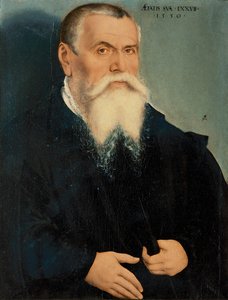
ルイス・クラナッハの長老
1472 - 1553 , ドイツ
基本情報
- Artistic Movement Or Style: 北欧ルネサンス美術
- Artists Or Movements Influenced By This Artist: ['アルブレヒト・デューラー']
- Artists Who Influenced This Artist: ['ハンス・マラー']
- Date Of Birth: 1472年頃
- Date Of Death: 1553年10月16日
- Full Name: Lucas Cranach der Ältere
- Nationality: ドイツ人
- Notable Artworks: ['聖狩礼儀']
- Place Of Birth: クローナッハ、ドイツ
関連記事

Giclée Prints: Archival Quality & Aesthetic Nuances for the Discerning Collector
Explore the world of giclée prints with ArtsDot. Learn about archival quality, aesthetic nuances & investment potential. Expert guidance for discerning art collectors seeking museum-quality reproductions and lasting value.

Dark Masterpieces: 10 Iconic Paintings Dominated by Black Tones |
Explore 10 iconic paintings dominated by black tones, from Rembrandt’s chiaroscuro to Goya's dark expressions. Discover the stories behind these masterpieces & find museum-quality art reproductions for your home at .

The Enduring Legacy of Fine Art Prints: Technique, History & Aesthetic Impact
Explore the rich history & techniques of fine art prints. Discover investment potential, assess authenticity, and learn how to preserve your collection with expert guidance. Trusted insights for discerning collectors.
German Expressionism's 10 Defining Masterpieces | Art for Your Home
Explore 10 defining German Expressionism masterpieces – from Munch's 'The Scream' to Kandinsky’s abstracts. Discover the artists, stories & bold colors behind this powerful art movement. Find museum-quality reproductions at ArtsDot.com.

Crimson Threads of Narrative: Exploring Symbolism & Representation in Artworks Featuring the Red Dress
Explore the rich symbolism of the red dress in art history! From ancient power displays to iconic portraits like Cézanne’s 'Madame Cezanne', discover the cultural and artistic significance behind this captivating color. Expert analysis & insights.