 プレビュー
プレビュー
 プリントを購入
 シェアする
シェアする シェアする
シェアする
 詳細を見る
詳細を見る

 ダウンロード
 似ている作品
 X線調査
X線調査 スライドショー
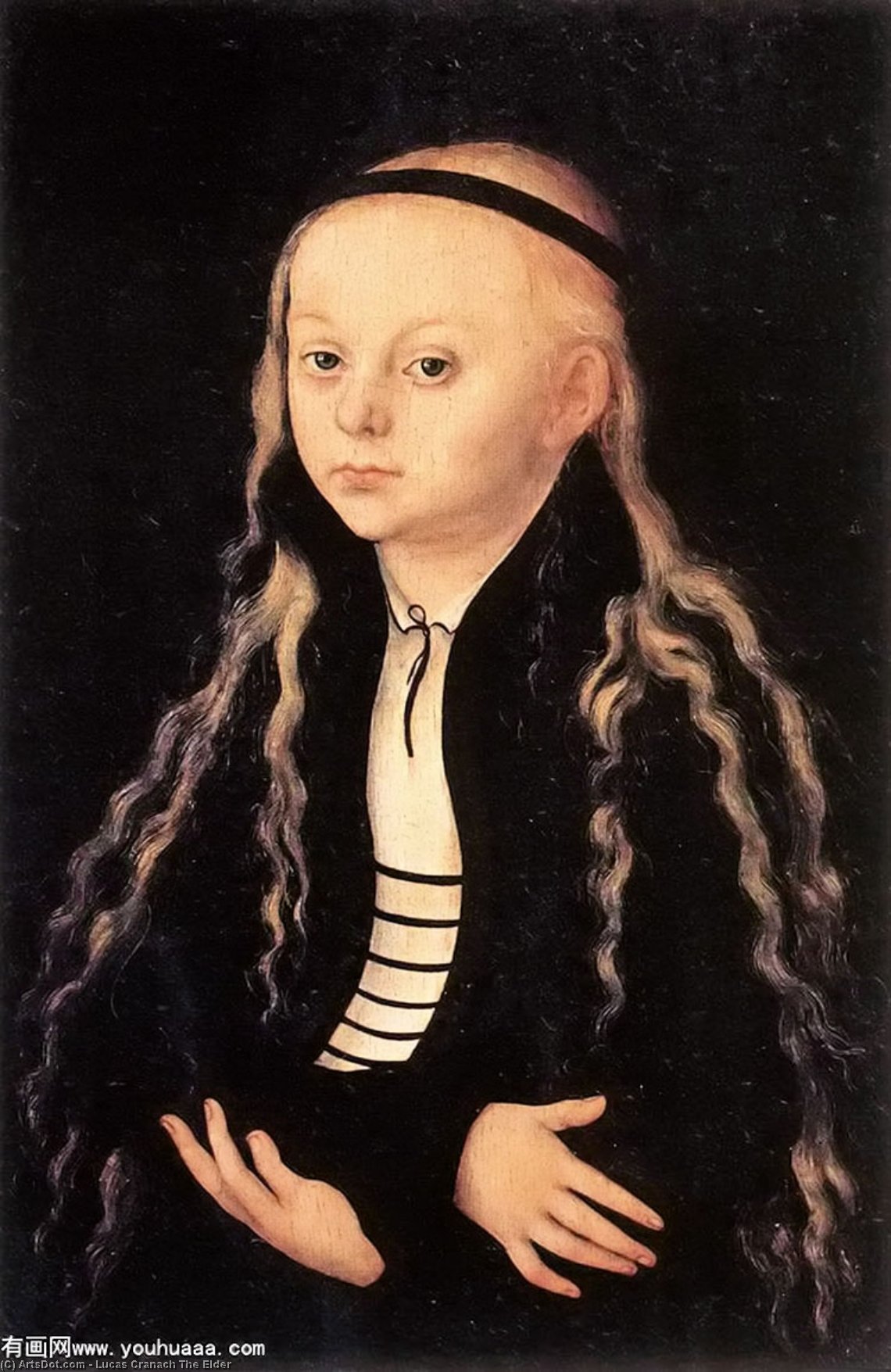
Portrait of a Young Girl
 Oil On Panel
- Northern Renaissance
 1540
1540 39.0 x 25.0 cm
 ルーブル美術館
 詳細を見る
詳細を見る




P118B $10

P118H $10

P118W $10

P438Z $10

P508JH $12

P508YH $12

P805H $10

P805Z $10

P919BZ $10

P919G $10

P919XJ $10

P959ZH $10

P968JZ $12

W106C $8

W218G $10

W218JH $8

W218Y $10

W307PJ $10

W316G $10

W316PJ $8

W316Y $10

W398PJ $8

W4111J $10

W500HY $15

W500JH $15

W692G $12

W849H $8

W940BG $15

W953PJ $8




作品のオリジナル比率に合わせた、当店の規定サイズからお選びください。

特定のフレームやスペースに合わせて、ご希望のサイズをご入力いただけます。選択されたサイズが元の画像の比率と異なる場合、アートワークをトリミングするか、手描きで要素を追加して絵画を拡張いたします。デジタルモックアップ を制作し、制作開始前にご確認(承認)をいただきます。
画面上のプレビューは、実際のトリミングや拡張を正確に反映しているものではありません。最終的な構図は、モックアップによってのみ正確にご確認いただけます。
カスタムサイズもご利用いただけますが、元の比率を維持するためには、あらかじめ用意されたリストからサイズを選択することをお勧めいたします。
ご注文後、ArtsDot.com チームより詳細な指示をお送りするとともに、仕上がりイメージ(モックアップ)をご提供いたします。


 ガラスオプションは、110cm未満のサイズでのみご利用いただけます。

Portrait of a Young Girl
複製技法
複製画のサイズ
-


合計金額
$ 263
作品解説
A Portrait Steeped in Renaissance Dignity: Exploring Lucas Cranach’s ‘Portrait of a Young Girl’
The Musée du Louvre houses a masterpiece that transcends mere visual representation—Lucas Cranach the Elder's “Portrait of a Young Girl,” painted in 1540. More than just an image of youthful beauty, this oil on panel artwork embodies the spirit of the Northern Renaissance and speaks volumes about its artistic sensibilities and cultural anxieties. Examining its composition, stylistic choices, and historical significance unveils layers of meaning that continue to resonate with audiences today.The Artist’s Vision: Cranach's Synthesis of Gothic and Renaissance Influences
Lucas Cranach the Elder (1472-1553), born in Kronach, Germany, was a sculptor and painter who emerged as one of Saxony’s most celebrated artists during his lifetime. His formative years were marked by exposure to the artistic traditions of South German masters—particularly Matthias Grünewald—whose expressive use of color and dramatic lighting foreshadowed developments within the burgeoning Renaissance movement. Cranach skillfully blended these influences, resulting in a distinctive style characterized by meticulous detail combined with an emotional intensity rarely found elsewhere. He wasn’t simply replicating established conventions; he was actively shaping them, forging a path that prioritized psychological realism alongside technical virtuosity. This approach is palpably evident in “Portrait of a Young Girl,” where Cranach captures not just physical likeness but also the subtle nuances of character and demeanor.Technical Mastery: Oil Paint on Panel – A Reflection of Renaissance Innovation
The painting’s technique—oil paint applied to panel—represents a significant advancement over tempera, which dominated artistic practice during Cranach's era. Oil paints allowed for richer colors, greater luminosity, and extended working time, enabling artists like Cranach to achieve unparalleled levels of realism and expressive nuance. The artist employed glazing techniques – applying thin layers of translucent paint over underlying pigments—to build up tonal depth and create a velvety surface texture that enhances the painting’s visual impact. Careful observation reveals subtle variations in color and shading, demonstrating Cranach's unwavering commitment to capturing the subtleties of light and shadow—a hallmark of Renaissance artistic ideals.Historical Context: The Reformation’s Shadow Over Artistic Patronage
“Portrait of a Young Girl” was created during a period defined by profound religious upheaval – the Protestant Reformation. Frederick III, Elector of Saxony, served as Cranach's patron, reflecting the broader trend of royal patronage supporting artistic endeavors aimed at bolstering prestige and disseminating humanist ideals. However, the anxieties surrounding doctrinal disputes also permeated the cultural landscape, influencing artistic themes and stylistic choices. The solemn gaze of the young subject—a deliberate gesture intended to convey dignity and seriousness—mirrors the moral concerns prevalent during this era. Furthermore, the Musée du Louvre’s own history as a royal palace underscores the painting's connection to the political ambitions and cultural aspirations of its time.Symbolism Beyond Beauty: Decoding Facial Expression and Dress
Beyond its aesthetic qualities, “Portrait of a Young Girl” is laden with symbolic significance. The girl’s stern expression—a calculated pose designed to convey composure and intelligence—suggests an awareness of societal expectations regarding female virtue and piety. Her black dress symbolizes purity and solemnity, reflecting the prevailing moral standards of the Renaissance. Cranach's masterful depiction of facial features—particularly the eyes—captures a gaze that is both penetrating and contemplative, inviting viewers to engage in a dialogue about inner character and spiritual contemplation. These subtle visual cues elevate the portrait beyond mere likeness, transforming it into an emblem of humanist ideals and artistic sophistication.Emotional Resonance: An Enduring Legacy of Renaissance Dignity
Ultimately, “Portrait of a Young Girl” transcends its historical context to evoke a powerful emotional response in contemporary viewers. The painting’s quiet grandeur—its restrained palette and meticulous attention to detail—creates a sense of contemplative beauty that speaks to the enduring fascination with human psychology and artistic excellence. It serves as a poignant reminder of the Renaissance's commitment to portraying individuals with dignity, intellect, and moral seriousness – qualities that continue to inspire artists and collectors alike. For those seeking a stunning reproduction of this iconic artwork, ArtsDot offers exceptional quality prints crafted by skilled artisans.関連作品
アーティストの略歴
Lucas Cranach the Elder
Lucas Cranach the Elder, born around 1472 in Kronach (現在のドイツ)、フランコンテンの都市として、彼の父親ハンス・マラーは画家であり、彼はハンス・マラーから最初の芸術的な指導を受けた。彼の母親はハブナー氏で、1491年に亡くなった。その後、彼の出生地の名前が彼の姓に用いられ、これは美術家の職業ではなく、その出自を表すものであった。クラナッハの訓練場所は不明であるが、彼は南ドイツの画家たちの影響を受けていたと考えられている。特にマティアス・グリュニューアルドとの関係は非常に近く、彼の息子ハンスも同じように芸術的な指導を受けた。彼は1504年にエレクトルのフリードリヒ3世に仕え、この関係は彼のキャリアを定義し、同時に彼に影響力のある人々へのアクセスを提供した。このエレクトルの画家としての任命は単に装飾的な作品を作ることだけではなかった。それはエレクトルの権威、聖職、そして伝統的な宗教秩序に挑戦するリーダーの役割を投影するように設計されたイメージだった。ウィッテンベルクでエレクトルの画家を務めることで、クラナッハはヨーロッパにおける最も重要な動きの中心にいた。Early Life and Artistic Training
彼の父親ハンス・マラーとの関係は単に収入を得ることだけではなかった。彼は美術家の職業ではなく、その出自を表すものであった。クラナッハの訓練場所は不明であるが、彼は南ドイツの画家たちの影響を受けていたと考えられている。特にマティアス・グリュニューアルドとの関係は非常に近く、彼の息子ハンスも同じように芸術的な指導を受けた。彼は1504年にエレクトルのフリードリヒ3世に仕え、この関係は彼のキャリアを定義し、同時に彼に影響力のある人々へのアクセスを提供した。このエレクトルの画家としての任命は単に装飾的な作品を作ることだけではなかった。それはエレクトルの権威、聖職、そして伝統的な宗教秩序に挑戦するリーダーの役割を投影するように設計されたイメージだった。ウィッテンベルクでエレクトルの画家を務めることで、クラナッハはヨーロッパにおける最も重要な動きの中心にいた。彼は父親ハンス・マラーから最初の芸術的な指導を受けた。彼の母親はハブナー氏で、1491年に亡くなった。その後、彼の出生地の名前が彼の姓に用いられ、これは美術家の職業ではなく、その出自を表すものであった。クラナッハの訓練場所は不明であるが、彼は南ドイツの画家たちの影響を受けていたと考えられている。特にマティアス・グリュニューアルドとの関係は非常に近く、彼の息子ハンスも同じように芸術的な指導を受けた。彼は父親ハンス・マラーから最初の芸術的な指導を受けた。彼の母親はハブナー氏で、1491年に亡くなった。その後、彼の出生地の名前が彼の姓に用いられ、これは美術家の職業ではなく、その出自を表すものであった。クラナッハの訓練場所は不明であるが、彼は南ドイツの画家たちの影響を受けていたと考えられている。特にマティアス・グリュニューアルドとの関係は非常に近く、彼の息子ハンスも同じように芸術的な指導を受けた。彼は父親ハンス・マラーから最初の芸術的な指導を受けた。彼の母親はハブナー氏で、1491年に亡くなった。その後、彼の出生地の名前が彼の姓に用いられ、これは美術家の職業ではなく、その出自を表すものであった。クラナッハの訓練場所は不明であるが、彼は南ドイツの画家たちの影響を受けていたと考えられている。特にマティアス・グリュニューアルドとの関係は非常に近く、彼の息子ハンスも同じように芸術的な指導を受けた。彼は父親ハンス・マラーから最初の芸術的な指導を受けた。彼の母親はハブナー氏で、1491年に亡くなった。その後、彼の出生地の名前が彼の姓に用いられ、これは美術家の職業ではなく、その出自を表すものであった。クラナッハの訓練場所は不明であるが、彼は南ドイツの画家たちの影響を受けていたと考えられている。特にマティアス・グリュニューアルドとの関係は非常に近く、彼の息子ハンスも同じように芸術的な指導を受けた。彼は父親ハンス・マラーから最初の芸術的な指導を受けた。彼の母親はハブナー氏で、1491年に亡くなった。その後、彼の出生地の名前が彼の姓に用いられ、これは美術家の職業ではなく、その出自を表すものであった。クラナッハの訓練場所は不明であるが、彼は南ドイツの画家たちの影響を受けていたと考えられている。特にマティアス・グリュニューアルドとの関係は非常に近く、彼の息子ハンスも同じように芸術的な指導を受けた。彼は父親ハンス・マラーから最初の芸術的な指導を受けた。彼の母親はハブナー氏で、1491年に亡くなった。その後、彼の出生地の名前が彼の姓に用いられ、これは美術家の職業ではなく、その出自を表すものであった。クラナッハの訓練場所は不明であるが、彼は南ドイツの画家たちの影響を受けていたと考えられている。特にマティアス・グリュニューアルドとの関係は非常に近く、彼の息子ハンスも同じように芸術的な指導を受けた。彼は父親ハンス・マラーから最初の芸術的な指導を受けた。彼の母親はハブナー氏で、1491年に亡くなった。その後、彼の出生地の名前が彼の姓に用いられ、これは美術家の職業ではなく、その出自を表すものであった。クラナッハの訓練場所は不明であるが、彼は南ドイツの画家たちの影響を受けていたと考えられている。特にマティアス・グリュニューアルドとの関係は非常に近く、彼の息子ハンスも同じように芸術的な指導を受けた。彼は父親ハンス・マラーから最初の芸術的な指導を受けた。彼の母親はハブナー氏で、1491年に亡くなった。その後、彼の出生地の名前が彼の姓に用いられ、これは美術家の職業ではなく、その出自を表すものであった。クラナッハの訓練場所は不明であるが、彼は南ドイツの画家たちの影響を受けていたと考えられている。特にマティアス・グリュニューアルドとの関係は非常に近く、彼の息子ハンスも同じように芸術的な指導を受けた。彼は父親ハンス・マラーから最初の芸術的な指導を受けた。彼の母親はハブナー氏で、1491年に亡くなった。その後、彼の出生地の名前が彼の姓に用いられ、これは美術家の職業ではなく、その出自を表すものであった。クラナッハの訓練場所は不明であるが、彼は南ドイツの画家たちの影響を受けていたと考えられている。特にマティアス・グリュニューアルドとの関係は非常に近く、彼の息子ハンスも同じように芸術的な指導を受けた。彼は父親ハンス・マラーから最初の芸術的な指導を受けた。彼の母親はハブナー氏で、1491年に亡くなった。その後、彼の出生地の名前が彼の姓に用いられ、これは美術家の職業ではなく、その出自を表すものであった。クラナッハの訓練場所は不明であるが、彼は南ドイツの画家たちの影響を受けていたと考えられている。特にマティアス・グリュニューアルドとの関係は非常に近く、彼の息子ハンスも同じように芸術的な指導を受けた。彼は父親ハンス・マラーから最初の芸術的な指導を受けた。彼の母親はハブナー氏で、1491年に亡くなった。その後、彼の出生地の名前が彼の姓に用いられ、これは美術家の職業ではなく、その出自を表すものであった。クラナッハの訓練場所は不明であるが、彼は南ドイツの画家たちの影響を受けていたと考えられている。特にマティアス・グリュニューアルドとの関係は非常に近く、彼の息子ハンスも同じように芸術的な指導を受けた。彼は父親ハンス・マラーから最初の芸術的な指導を受けた。彼の母親はハブナー氏で、1491年に亡くなった。その後、彼の出生地の名前が彼の姓に用いられ、これは美術家の職業ではなく、その出自を表すものであった。クラナッハの訓練場所は不明であるが、彼は南ドイツの画家たちの影響を受けていたと考えられている。特にマティアス・グリュニューアルドとの関係は非常に近く、彼の息子ハンスも同じように芸術的な指導を受けた。彼は父親ハンス・マラーから最初の芸術的な指導を受けた。彼の母親はハブナー氏で、1491年に亡くなった。その後、彼の出生地の名前が彼の姓に用いられ、これは美術家の職業ではなく、その出自を表すものであった。クラナッハの訓練場所は不明であるが、彼は南ドイツの画家たちの影響を受けていたと考えられている。特にマティアス・グリュニューアルドとの関係は非常に近く、彼の息子ハンスも同じように芸術的な指導を受けた。彼は父親ハンス・マラーから最初の芸術的な指導を受けた。彼の母親はハブナー氏で、1491年に亡くなった。その後、彼の出生地の名前が彼の姓に用いられ、これは美術家の職業ではなく、その出自を表すものであった。クラナッハの訓練場所は不明であるが、彼は南ドイツの画家たちの影響を受けていたと考えられている。特にマティアス・グリュニューアルドとの関係は非常に近く、彼の息子ハンスも同じように芸術的な指導を受けた。彼は父親ハンス・マラーから最初の芸術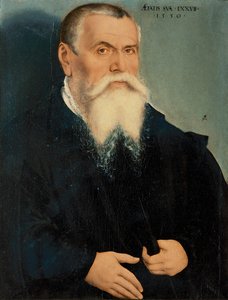
ルイス・クラナッハの長老
1472 - 1553 , ドイツ
基本情報
- Artistic Movement Or Style: 北欧ルネサンス美術
- Artists Or Movements Influenced By This Artist: ['アルブレヒト・デューラー']
- Artists Who Influenced This Artist: ['ハンス・マラー']
- Date Of Birth: 1472年頃
- Date Of Death: 1553年10月16日
- Full Name: Lucas Cranach der Ältere
- Nationality: ドイツ人
- Notable Artworks: ['聖狩礼儀']
- Place Of Birth: クローナッハ、ドイツ
関連記事
北方ルネサンスを彩る至宝:10の傑作が語る芸術と革新の世界
北方ルネサンスの10大傑作を紐解き、芸術の革新と美しさを再発見。ヤン・ファン・エイクからデューラーまで、巨匠たちの物語と技法を深く探求。高品質な複製絵画で、お部屋にアートの息吹を。ArtsDot.comで至宝の世界をお楽しみください!

The Enduring Legacy of Oil on Canvas: Technique, History & Aesthetic Impact
Explore the rich history & techniques of oil painting – from Renaissance masters to Impressionism. Discover pigments, layering methods, and why this timeless medium endures. Expert insights for artists & art enthusiasts.
The Northern Awakening: Artistic Innovation & Cultural Transformation in the German Renaissance
Explore the artistic innovation of the German Renaissance! Discover Dürer, the Danube School & Reformation art. Learn about techniques, materials & lasting influence. Find museum-quality reproductions at ArtsDot.

Oil on Canvas: A Historical & Technical Exploration of a Timeless Artistic Medium
Explore the rich history & enduring techniques of oil painting on canvas. Discover the science behind its longevity, conservation practices, and contemporary relevance. Expert insights for art enthusiasts.

The Enduring Power of Painting: A Historical & Contemporary Exploration of Form and Emotion
Explore the rich history & enduring techniques of oil painting with ArtsDot. Discover masterpieces, learn about art collecting, and find authentic handmade reproductions crafted by skilled artists.