

 プレビュー
プレビュー
 プリントを購入
 シェアする
シェアする シェアする
シェアする
 詳細を見る
詳細を見る

 ダウンロード
 似ている作品
 X線調査
X線調査 スライドショー
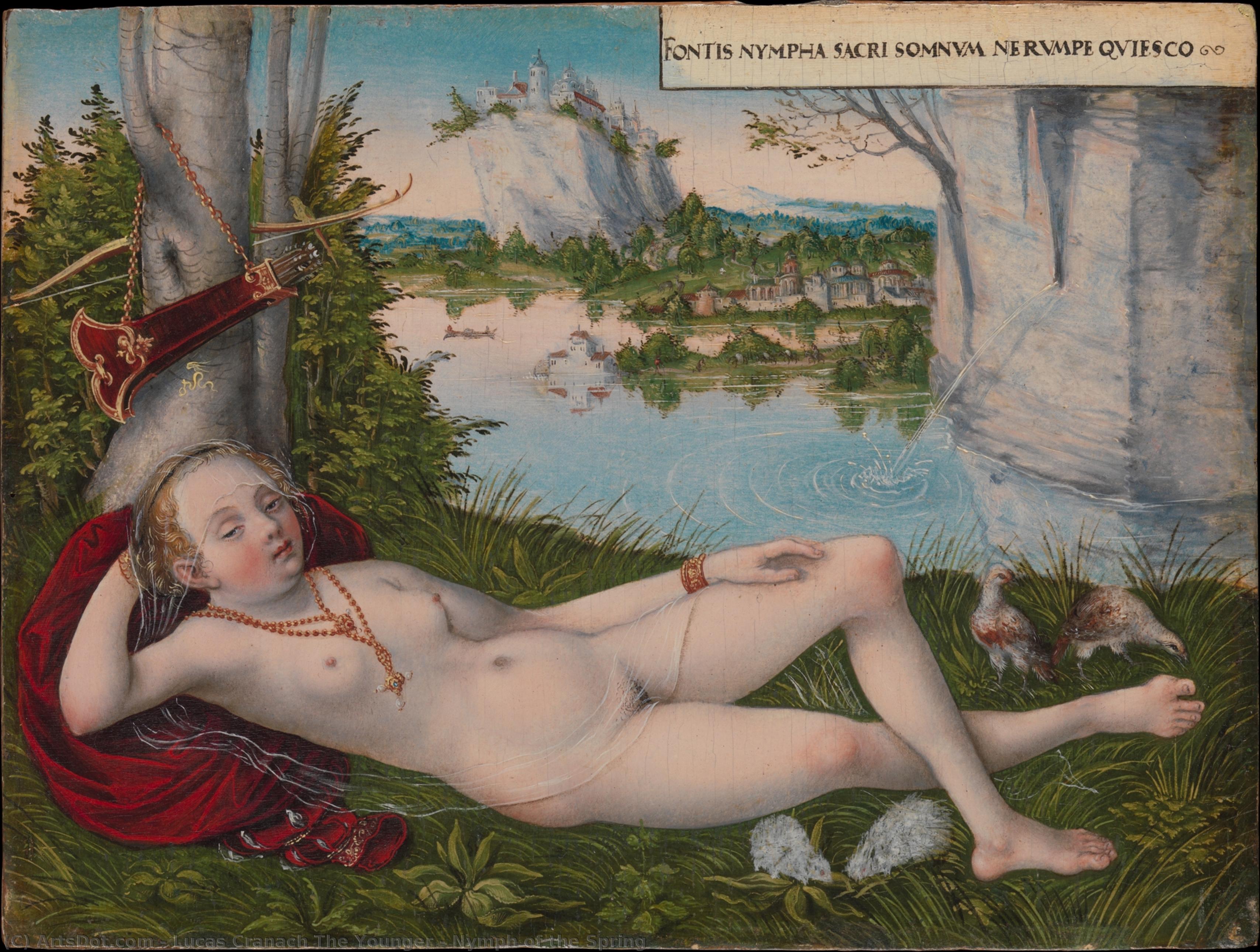
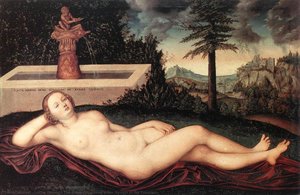
Nymph of the Spring
 Oil On Panel
- WallArt
- Renaissance
 1545
1545 15.0 x 20.0 cm
 メトロポリタン美術館
 詳細を見る
詳細を見る
オンラインプレビューをはるかに凌ぐ、高解像度で鮮明なデジタル画像をご購入いただけます。
各ファイルは、社内の専門家が高度なツールと熟練した手作業によるレタッチを用いて、細心の注意を払って準備されています。すべての画像において、卓越した鮮明度、正確な色彩再現性、そして繊細なディテールを保証いたします。
最終ファイルは、プロフェッショナルな編集・印刷環境ですぐにご利用いただけるよう最適化された状態で、72時間以内にメールにてお届けいたします。これは、一流のデザインスタジオ、出版社、ギャラリーから信頼されているものと同等の品質です。
デジタル画像のご注文に付随する特典
高品質なデジタル画像配信を、確かな品質で。
ArtsDot.com を選ぶことは、単に画像を手に入れることではありません。それは、プロの手によって精密に仕上げられ、満足保証が付いた高品質なデジタルアートワークを受け取ることを意味します。ご注文いただいた際に自動的に付随する内容は、以下の通りです:

メールですぐにお届け
ご注文から72時間以内に、高解像度のデジタル画像ファイルがメールでお手元に届きます。すぐにそのままご利用いただけます。

AI技術で最適化されたデジタルファイル
お客様の作品は、高度なAIツールと専門家による手作業の編集を組み合わせてプロフェッショナルに最適化されており、細部のディテール、鮮明さ、そして正確な色再現性を最大限に引き出しています。

一生涯無料の再送サービス
ファイルを誤って削除したり、紛失してしまったりしましたか?ご安心ください。いつでも無料で再送いたします。

輸入手数料は一切かかりません
関税や手数料、配送料を気にすることなく、お気に入りのアートワークをすぐにお楽しみいただけます。デジタルダウンロードは常に免税です。

色彩再現の保証
プロ仕様のツールとカラーマネジメント技術を用いることで、デジタル画像が元の色を最大限に忠実に再現することを保証いたします。

60日間満足保証
ご購入いただいたデジタル画像にご満足いただけない場合は、60日以内であれば、修正または100%の返金(理由を問う必要はありません)をさせていただきます。

100% 返金保証
ご満足いただけない場合は、デジタルファイルを受け取ってから60日以内であれば、理由を問わず全額返金いたします。

まとめ買い割引
3枚購入で10%OFF - 5枚購入で15%OFF - 10枚以上購入で20%OFF。クリエイティブなプロジェクト、ギャラリー、エージェンシーに最適です。
作品の詳細
Lucas Cranach the Younger’s Enchanting Nymph of Spring
Lucas Cranach the Younger’s “Nymph of the Spring,” completed around 1545–50, stands as a testament to the enduring allure of Renaissance idealism interwoven with the urgent moral currents of the Protestant Reformation. More than simply replicating classical beauty—though it undeniably draws inspiration from Italian Mannerism—Cranach imbued this deceptively serene painting with a profound symbolic resonance that continues to captivate viewers centuries later. It’s a masterful distillation of humanist thought and artistic innovation, offering a glimpse into the intellectual landscape of its time.A Classical Echo in Bavarian Landscape
The artwork depicts a nude female figure, likely representing a nymph or goddess of springtime, reclining gracefully on a bed of lush grass beside a tranquil body of water. Cranach’s masterful composition balances the central figure against a backdrop of rolling hills dotted with distant buildings—a deliberate choice reflecting the humanist preoccupation with idealized landscapes and harmonious natural order prevalent during his era. The artist meticulously rendered the scene, capturing not just visual accuracy but also conveying an atmosphere of contemplative beauty – a hallmark of Renaissance artistic ambition. Notice how the subtle shading creates depth and volume, mirroring the grandeur of the Bavarian countryside.Renaissance Technique: Oil on Beech Panel
Executed in oil paint on beech panel, “Nymph of the Spring” exemplifies Cranach’s meticulous attention to detail and technical prowess. The artist employed a layered brushwork technique—characterized by subtle blending and tonal gradations—to achieve remarkable textural richness and depth. This painstaking process resulted in an image imbued with palpable luminosity and conveying a sense of atmospheric perspective. Observe the delicate handling of color; Cranach skillfully blended hues to create nuanced shades that enhance the painting’s overall impression of serenity and grace. The beech panel itself contributes to the artwork's aesthetic quality, providing a stable support for the luminous oil paint surface.Symbolism of Fertility and Divine Grace
The painting’s symbolism speaks volumes about the Renaissance worldview. The nymph embodies fecundity, representing the renewal of life and mirroring the theological concept of divine grace—a cornerstone of Protestant thought. Her pose exudes tranquility and contemplation, inviting viewers to contemplate themes of beauty, innocence, and spiritual harmony. Cranach's deliberate positioning of the figure against the landscape underscores this connection between nature and faith, a central preoccupation for artists and theologians alike during the Reformation period. The inscription at the top – “Nymph of the Spring” – serves as a direct reference to classical mythology, grounding the artwork in established artistic traditions while simultaneously elevating it to a spiritual level.Emotional Impact: A Moment Frozen in Time
“Nymph of the Spring” transcends mere visual representation; it evokes a profound emotional resonance that lingers long after viewing. The painting’s stillness and luminous palette inspire contemplation and invite viewers to appreciate the sublime beauty of the natural world—a sentiment deeply rooted in humanist ideals. Cranach's masterful execution captures not just an image but also a feeling, transporting us back to a time when art served as a vehicle for conveying moral and spiritual truths. It remains a captivating masterpiece, demonstrating the enduring power of Renaissance artistry to inspire awe and wonder.関連作品
作家の略歴
ルーカス・クラーナハ(子)の遺産:ルネサンスのヴィジョン
深遠な神学的変革と知的な再生によって定義された時代、ドイツ・ルネサンスの核心において、ルーカス・クラーナハ(子)は視覚的な物語を紡ぐ巨匠として姿を現しました。1515年、バイエルンのクローナハに生まれた彼は、単なる名前以上のものを継承する運命にありました。それは、記念碑的な芸術的遺産そのものでした。伝説的な父ルーカス・クラーナハ(父)の息子として、クラーナハ(子)は芸術とイデオロギーが分かちがたく結びついた世界へと足を踏み入れました。彼の生涯の仕事は、父の工房に根付いた確立された伝統と、勃興し、時に激動を見せたプロテスタント宗教改革の精神を繋ぐ架け橋となったのです。
彼の才能の礎は、厳格な修行を通じて築かれました。特にニュルンベルクにおける偉大なアルブレヒト・デューラーの影響は決定的なものでした。デューラーの緻密な精密さに触れた初期の経験は、技術的習熟への生涯にわたる献身と、細部への鋭い注意力を彼に植え付けました。しかし、血統を通じて受け継がれてきた古典的な形式を尊重しながらも、クラーナハ(子)は独自の創造的な衝動を秘めていました。彼は単なる模倣を超えようと試み、キアロスクーロ(明暗法)やより繊細な色彩表現を実験的に取り入れることで、描かれた主題に生命を吹き込み、その時代としては驚くほどモダンな、奥行きと心理的な存在感を生み出したのです。
宗教改革の画家
クラーナハ(子)の作品を理解することは、16世紀ヴィッテンベルクの鼓動を理解することに他なりません。宗教改革がヨーロッパ全土を席巻する中、この芸術家は宗教革命の震源地に身を置くこととなりました。ザクセン選帝侯フリードリヒ3世をはじめとする有力なプロテスタント諸侯の庇護を受け、彼の筆は時代の神学的な信念を伝えるための道具となりました。彼の制作した祭壇画は、単なる装飾品ではありませんでした。それらは信仰の深遠な器であり、当時の熱狂と共鳴する劇的なリアリズムをもって聖書の物語を描き出したのです。
おそらく、彼が歴史に残した最も永続的な貢献は、宗教改革の顔々を永遠のものとした能力にあるでしょう。肖像画を通じて、彼はマルティン・ルターやその他の重要な改革者たちの面影を捉え、そこに威厳、信念、そして人間らしい脆さを吹き込みました。これらの作品は、単に身体的な特徴を記録しただけではありません。それは運動そのものの本質を伝えたのです。理想化された美しさと深い心理的洞察を融合させる彼の才能は、個人の献辞であると同時に、新しい宗教的アイデンティティの強力な象徴としてのアイコンを生み出すことを可能にしました。
芸術的習熟と歴史的重要性
宗教的な情熱にとどまらず、クラーナハ(子)は貴族たちの多作な肖像画家でもありました。彼はヨーロッパのエリート層の華やかさと地位を、優雅かつ洗練された手法で捉えることに長けていました。1550年以降も彼が卓越した手腕で率い続けた工房は、ドイツにおける芸術制作の極めて重要な中心地であり続けました。その多才さゆえに、彼は世俗的な依頼と宗教的な依頼という複雑な領域を自在に行き来し、彼の影が権力の殿堂から礼拝の聖域に至るまで浸透することを確かなものにしたのです。
ルーカス・クラーナハ(子)の歴史的重要性は、伝統の守護者であり、かつ変革の担い手であったという役割にあります。彼は父が受け継いだ後期ゴシックの感性から、より人間主義的で光に満ちた盛期ルネサンスのアプローチへの移行を、見事に成し遂げました。彼の生涯は、甚大な社会の激動期において、芸術がいかに記録し、形作り、そして耐え抜く力を持っているかを示す証として今も残っています。今日、彼の作品は変革の時代を覗き見る鮮やかな窓として、一筆一筆に深い信仰の重みが込められていたあの時代を、私たちに思い起こさせてくれるのです。
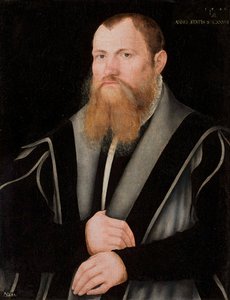
ルーカス・クラーナハ(息子)
1515 - 1586 , ドイツ
プロフィール概要
- Artistic Movement Or Style: ルネサンス絵画
- Artists Or Movements Influenced By This Artist: ['ドイツ・ルネサンス']
- Artists Who Influenced This Artist: ['ルーカス・クラナハ(父)']
- Date Of Birth: 1515年
- Full Name: ルーカス・クラナハ(子)
- Nationality: ドイツ
- Notable Artworks:
- ヴィーナスとアモール
- 男の肖像
- ヨハネス・クスピニウスの肖像
- Place Of Birth: ドイツ、クロナハ

