

 プリントを購入
 シェアする
シェアする シェアする
シェアする
 詳細を見る
詳細を見る

 ダウンロード
 似ている作品
 スライドショー
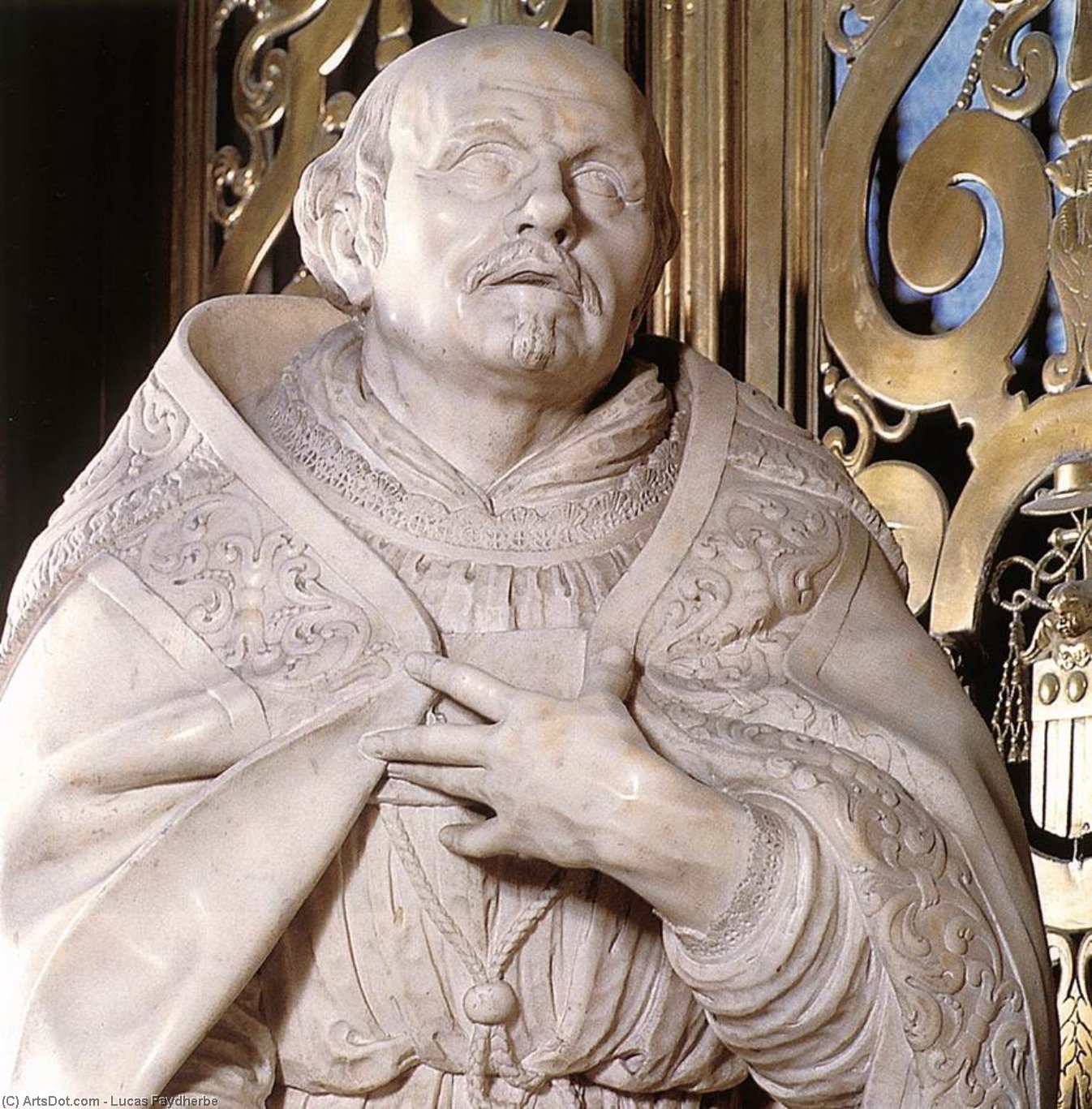
Tomb of Archbishop André Cruesen (detail) (9)


 詳細を見る
詳細を見る
オンラインプレビューをはるかに凌ぐ、高解像度で鮮明なデジタル画像をご購入いただけます。
各ファイルは、社内の専門家が高度なツールと熟練した手作業によるレタッチを用いて、細心の注意を払って準備されています。すべての画像において、卓越した鮮明度、正確な色彩再現性、そして繊細なディテールを保証いたします。
最終ファイルは、プロフェッショナルな編集・印刷環境ですぐにご利用いただけるよう最適化された状態で、72時間以内にメールにてお届けいたします。これは、一流のデザインスタジオ、出版社、ギャラリーから信頼されているものと同等の品質です。
デジタル画像のご注文に付随する特典
高品質なデジタル画像配信を、確かな品質で。
ArtsDot.com を選ぶことは、単に画像を手に入れることではありません。それは、プロの手によって精密に仕上げられ、満足保証が付いた高品質なデジタルアートワークを受け取ることを意味します。ご注文いただいた際に自動的に付随する内容は、以下の通りです:

メールですぐにお届け
ご注文から72時間以内に、高解像度のデジタル画像ファイルがメールでお手元に届きます。すぐにそのままご利用いただけます。

AI技術で最適化されたデジタルファイル
お客様の作品は、高度なAIツールと専門家による手作業の編集を組み合わせてプロフェッショナルに最適化されており、細部のディテール、鮮明さ、そして正確な色再現性を最大限に引き出しています。

一生涯無料の再送サービス
ファイルを誤って削除したり、紛失してしまったりしましたか?ご安心ください。いつでも無料で再送いたします。

輸入手数料は一切かかりません
関税や手数料、配送料を気にすることなく、お気に入りのアートワークをすぐにお楽しみいただけます。デジタルダウンロードは常に免税です。

色彩再現の保証
プロ仕様のツールとカラーマネジメント技術を用いることで、デジタル画像が元の色を最大限に忠実に再現することを保証いたします。

60日間満足保証
ご購入いただいたデジタル画像にご満足いただけない場合は、60日以内であれば、修正または100%の返金(理由を問う必要はありません)をさせていただきます。

100% 返金保証
ご満足いただけない場合は、デジタルファイルを受け取ってから60日以内であれば、理由を問わず全額返金いたします。

まとめ買い割引
3枚購入で10%OFF - 5枚購入で15%OFF - 10枚以上購入で20%OFF。クリエイティブなプロジェクト、ギャラリー、エージェンシーに最適です。
The Weight of Faith: Lucas Faydherbe’s “Tomb of Archbishop André Cruesen”
Lucas Faydherbe's "Tomb of Archbishop André Cruesen (detail) (9)" is more than a marble sculpture; it’s a poignant meditation on mortality, faith, and the enduring legacy of a prominent figure in 17th-century Flanders. Completed around 1660, this intimate detail captures a moment of profound solemnity within the Archbishop's funerary monument – a testament to Faydherbe’s mastery of classical form and his ability to imbue stone with palpable emotion. The work resides within Saint Rombout Cathedral in Mechelen, Belgium, serving as a focal point for contemplation amidst the cathedral’s rich interior.
Faydherbe, born in Maliin (Belgium) in 1617 and passing away in 1697, was a key figure in the flourishing Baroque artistic scene of Southern Netherlands. His lineage—a blend of artistic talent inherited from his father, Hendrik Faydherbe, a skilled workshop owner specializing in decorative sculpture, and his mother, Cornelia Franchoys, whose brothers were renowned painters—provided him with an unparalleled foundation for his own career. This familial connection to the arts instilled within him a deep understanding of technique and a commitment to capturing the human form with remarkable realism. His work frequently explored religious themes, reflecting the Counter-Reformation’s emphasis on faith and devotion.
A Study in Marble: Technique and Detail
The sculpture's power lies not just in its subject matter but also in Faydherbe’s meticulous execution. Crafted from pristine white marble, the piece showcases a remarkable level of detail achieved through painstaking carving. The drapery, cascading around the Archbishop’s figure, is rendered with astonishing fluidity – each fold and ripple conveying a sense of movement and texture that seems almost tactile. Notice the subtle gradations in tone within the stone; Faydherbe expertly manipulated light and shadow to create an illusion of depth and volume, bringing the sculpted form vividly to life.
The composition is tightly cropped, focusing primarily on the head and upper torso. This deliberate framing intensifies the viewer’s engagement with the subject's expression – a subtle hint of sorrow or contemplation etched onto his face. The hands, clasped together in a gesture of supplication or grief, are particularly arresting, conveying a profound sense of humility and reverence. The overall effect is one of quiet dignity and spiritual intensity.
Symbolism and Context
Archbishop André Cruesen was a significant figure in the Catholic Church during his lifetime, known for his piety and dedication to his faith. The sculpture, therefore, serves as both a memorial to his life and a visual representation of Christian virtues. The pose itself—a gesture of prayerful reflection—aligns with traditional iconography associated with mourning and remembrance. The setting within Saint Rombout Cathedral further reinforces the work’s religious significance; it's a space dedicated to worship and contemplation, creating an atmosphere of solemnity and reverence.
Furthermore, the choice of marble as the medium is deliberate. Marble has long been associated with purity, nobility, and immortality – qualities that were highly valued within Christian iconography. The cool, luminous quality of the stone also contributes to the sculpture’s ethereal and timeless appearance, suggesting a connection between the earthly realm and the divine.
A Legacy in Stone
"Tomb of Archbishop André Cruesen (detail) (9)" is a remarkable achievement of Baroque sculpture. Lucas Faydherbe's skill in capturing human emotion through stone, combined with the work’s rich historical context and symbolic significance, ensures its enduring appeal. It stands as a powerful reminder of faith, mortality, and the lasting impact of individuals who dedicate their lives to service – a testament to the artist’s vision and the timeless beauty of classical art.
関連作品



作家の略歴
A Flemish Baroque Luminary: The Life and Art of Lucas Faydherbe
Lucas Faydherbe, born in Mechelen (Malines) in 1617, stands as a pivotal figure in the development of High Baroque sculpture within the Southern Netherlands. His career unfolded during a period of intense artistic ferment, shaped by the religious and political currents of the Counter-Reformation and the enduring legacy of masters like Rubens. Faydherbe wasn’t simply an artist; he was a product of a deeply ingrained artistic lineage, inheriting a passion for creation from both sides of his family. His father, Hendrik Faydherbe, was a respected workshop owner specializing in decorative sculpture and alabaster carving, providing young Lucas with foundational training in the tactile arts. This practical grounding was beautifully complemented by the influence of his mother, Cornelia Franchoys, whose brothers—Lucas and Peter Franchoys the Elder—were accomplished painters. This familial embrace of artistic expression instilled within Faydherbe a sensitivity to form, composition, and the expressive potential of visual media. Following his father’s death and his mother's remarriage to sculptor Maximilian Labbé, he continued honing his skills under Labbé’s guidance, solidifying his technical prowess before embarking on what would become a defining chapter in his artistic journey: an apprenticeship with Peter Paul Rubens around 1636.Under the Wing of Rubens and Forging a Personal Style
The three years Faydherbe spent within Rubens’s bustling Antwerp workshop were transformative. Immersed in the master's dynamic style, he absorbed the principles of dramatic composition, vibrant color, and emotionally charged narratives that characterized Baroque art. This period wasn’t merely about technical instruction; it was an immersion into a world where classical ideals intertwined with theatrical flair. However, Faydherbe didn’t remain solely within Rubens’s orbit. Circumstances—including marriage and the expectation of fatherhood—led him to return to Mechelen in 1640, establishing his own workshop as a master within the Guild of St. Luke. His early works undeniably bore the imprint of his mentor, exhibiting solemn monumentality, heavy draperies, and a restrained level of detail – exemplified by the statue of Saint Andrew in Brussels Cathedral. Yet, Faydherbe possessed an innate artistic curiosity that propelled him beyond imitation. Around 1645-1655, a distinct shift occurred in his style. His figures gained increased plasticity, designs became richer, and a newfound expressiveness emerged. He began to portray subjects with greater humanity and psychological depth, moving away from the purely decorative towards a more profound engagement with human emotion. This evolution wasn’t solitary; Faydherbe frequently collaborated with fellow sculptors on large-scale religious commissions, notably within St. Rumbold's Cathedral in Mechelen, working alongside artists like Rombaut Pauwels and Mattheus van Beveren.Monumental Commissions and Architectural Ambitions
Faydherbe’s talent quickly garnered recognition, leading to a series of significant commissions that cemented his reputation as a leading sculptor in the region. His contributions to St. Rumbold's Cathedral were particularly substantial, encompassing altars, funerary monuments, and decorative elements that showcased his mastery of both sculpture and architectural design. The Funeral Monument of Archbishop Andreas Creusen (1660) stands as a testament to his skill in creating commemorative memorials—a poignant blend of sculptural portraiture and symbolic ornamentation. However, it was the High Altar for St. Rumbold's Cathedral that represented the culmination of his artistic vision. This ambitious project wasn’t merely a sculptural undertaking; it was an integrated work of art, seamlessly blending sculpture with painted wood and stone elements to create a breathtaking spectacle of Baroque grandeur. Beyond his sculptural achievements, Faydherbe harbored a strong belief in the importance of formal artistic education. Inspired by the academies flourishing in Brussels and Antwerp, he tirelessly advocated for the establishment of a similar institution in Mechelen, hoping to foster a new generation of artists. Though his efforts ultimately proved unsuccessful during his lifetime, his commitment underscored his dedication to the advancement of art within his community.Legacy and Historical Significance
Lucas Faydherbe’s impact on Flemish Baroque sculpture is undeniable. He skillfully synthesized the lessons learned from Rubens with his own artistic sensibilities, creating a unique style characterized by dramatic lighting, dynamic compositions, and emotionally resonant figures. His work wasn't simply aesthetically pleasing; it served a vital religious purpose, fulfilling the demands of the Counter-Reformation by producing impactful sculptures that inspired devotion and reinforced Catholic doctrine. He played a crucial role in developing the High Baroque style in the Southern Netherlands, establishing himself as a leading figure in Flemish art. His ability to translate Rubens’s artistic principles into three dimensions was particularly noteworthy, demonstrating a profound understanding of form, movement, and emotional expression. Beyond his individual creations, Faydherbe's legacy extends to the artists he mentored, including Jan van Delen, who continued to carry forward the traditions of Flemish Baroque sculpture. He fostered a tradition of artistic excellence in Mechelen, leaving behind a body of work that continues to captivate and inspire audiences today—a testament to his enduring contribution to the rich tapestry of European art history.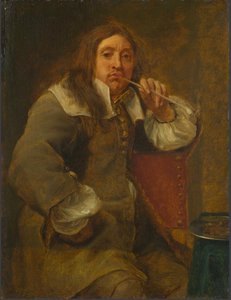
Lucas Faydherbe
1617 - 1697

