 プレビュー
プレビュー
 プリントを購入
 シェアする
シェアする シェアする
シェアする
 詳細を見る
詳細を見る

 ダウンロード
 似ている作品
 X線調査
X線調査 スライドショー
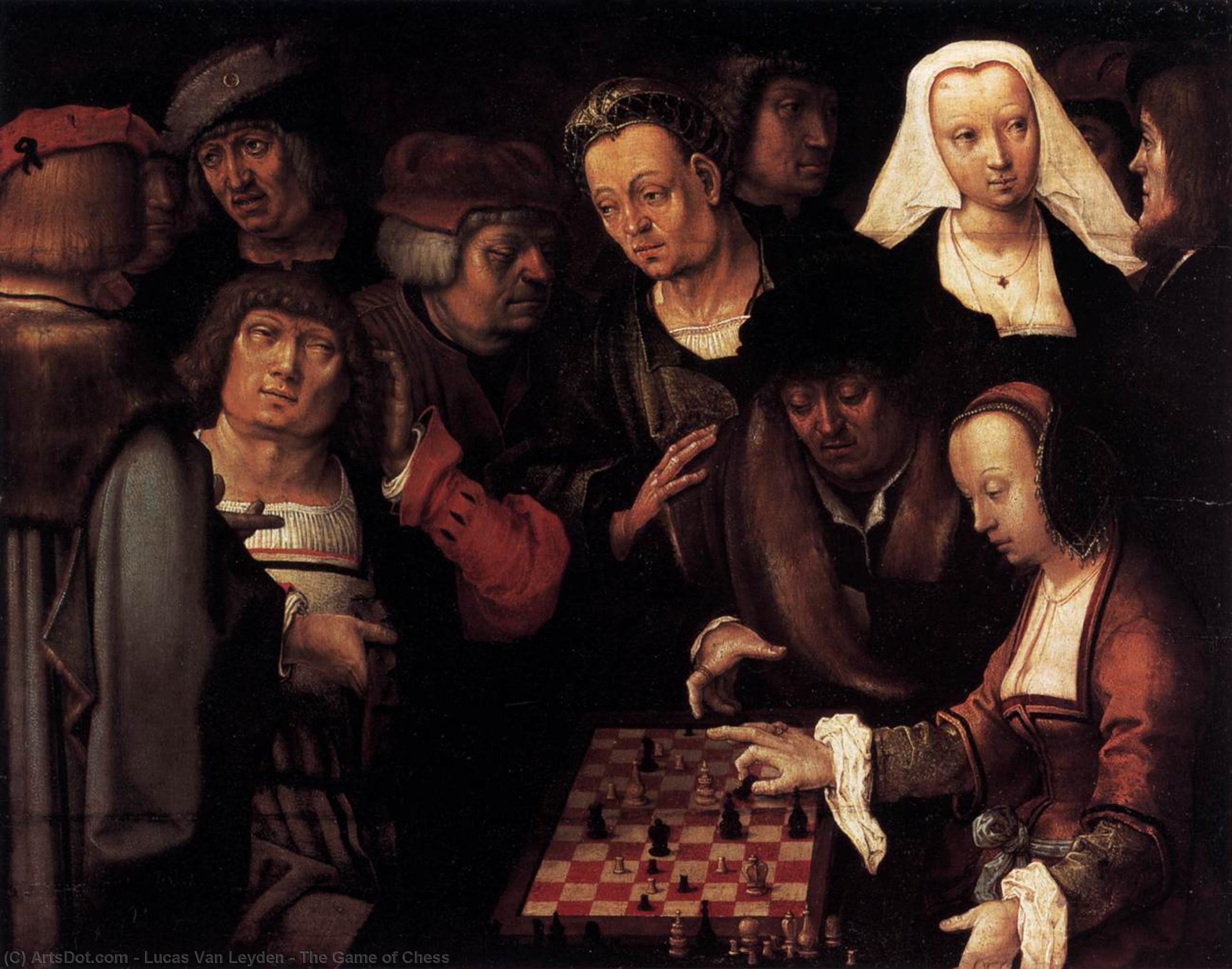
The Game of Chess
 Oil On Panel
- WallArt
- Impressionism
 1508
1508- Renaissance
 27.0 x 35.0 cm
 国立博物館群
 詳細を見る
詳細を見る




P118B $10

P118H $10

P118W $10

P438Z $10

P508JH $12

P508YH $12

P805H $10

P805Z $10

P919BZ $10

P919G $10

P919XJ $10

P959ZH $10

P968JZ $12

W106C $8

W218G $10

W218JH $8

W218Y $10

W307PJ $10

W316G $10

W316PJ $8

W316Y $10

W398PJ $8

W4111J $10

W500HY $15

W500JH $15

W692G $12

W849H $8

W940BG $15

W953PJ $8




作品のオリジナル比率に合わせた、当店の規定サイズからお選びください。

特定のフレームやスペースに合わせて、ご希望のサイズをご入力いただけます。選択されたサイズが元の画像の比率と異なる場合、アートワークをトリミングするか、手描きで要素を追加して絵画を拡張いたします。デジタルモックアップ を制作し、制作開始前にご確認(承認)をいただきます。
画面上のプレビューは、実際のトリミングや拡張を正確に反映しているものではありません。最終的な構図は、モックアップによってのみ正確にご確認いただけます。
カスタムサイズもご利用いただけますが、元の比率を維持するためには、あらかじめ用意されたリストからサイズを選択することをお勧めいたします。
ご注文後、ArtsDot.com チームより詳細な指示をお送りするとともに、仕上がりイメージ(モックアップ)をご提供いたします。


 ガラスオプションは、110cm未満のサイズでのみご利用いただけます。

The Game of Chess
複製技法
複製画のサイズ
-


合計金額
$ 263
作品解説
A Renaissance Encounter: The Intellectual Pulse of The Game of Chess
In the quiet, focused atmosphere of a sixteenth-century gathering, Lucas van Leyden captures a moment that transcends mere leisure. The Game of Chess, painted around 1508, is far more than a simple depiction of a pastime; it is a profound window into the High Renaissance soul. As we gaze upon this masterful composition, we are drawn into an intimate circle of gentlemen and a singular, dignified woman, all gathered around a dining table where the clatter of porcelain and the soft rustle of fine fabrics seem almost audible. The scene vibrates with a quiet tension, a cerebral energy that suggests every move on the board is mirrored by a subtle shift in social or political maneuvering. For the discerning collector, this work offers an invitation to contemplate the timeless dance of strategy and human connection.
Van Leyden’s technical prowess is nothing short of breathtaking, showcasing the very pinnacle of early Netherlandish genre painting. Utilizing oil on oak panel, the artist employs sfumato—the delicate, smoky blurring of edges—to breathe life into the atmosphere, creating a sense of depth that pulls the viewer directly into the room. Every texture is rendered with an almost obsessive devotion to realism: the heavy weight of velvet sleeves, the polished sheen of a wine glass, and the intricate carvings of the furniture are all captured with luminous clarity. This meticulous attention to detail does not merely serve as a display of skill; it anchors the viewer in a tangible, historical reality, making the scene feel less like a distant memory and more like a living, breathing moment frozen in time.
Symbolism and the Human Spirit
Beyond its surface beauty, the painting is a rich tapestry of humanist ideals and complex allegories. During this era, chess was widely recognized as an emblem of wisdom, foresight, and the strategic complexities of life itself. The pieces on the board—representing strength, cunning, and intellect—act as metaphors for the characters of the players. Perhaps most striking is the inclusion of the woman seated amongst the men. In a period where gender roles were often rigidly defined, Van Leyden presents her with an unmistakable sense of agency and intelligence. Her presence challenges the viewer to reconsider the social dynamics of the age, suggesting that the intellectual arena of the chessboard was a space where merit and wit could bridge the divide between the sexes.
For those looking to bring a piece of this historical grandeur into a contemporary interior, The Game of Chess serves as an extraordinary focal point. Its muted yet rich palette and profound narrative depth make it an ideal selection for spaces designed for contemplation, such as a private library, a sophisticated study, or an elegant dining room. A high-quality reproduction of this masterpiece does not merely decorate a wall; it introduces a conversation piece that celebrates the enduring power of human intellect and the exquisite beauty of the Northern Renaissance. It is an investment in atmosphere, offering a sense of timelessness and a connection to the profound cultural shifts that shaped our modern world.
関連作品


アーティストの略歴
生い立ちと初期の修業
1494年、オランダのライデンに生まれたルカス・ファン・レイデンは、画家であった父ヒュイグ・ヤコブス(Huygh Jacobsz)のもとで幼少の頃から絵画の訓練を受けました。その才能は早くから開花し、1508年にはコルネリス・エンヘルブレヒトセン(Cornelis Engelbrechtsz)の工房に入り、技術をさらに磨き上げます。ライデンという都市は、当時すでに活気ある芸術文化の中心地であり、ルカスはその豊かな環境の中で独自の画風を築き上げていくことになります。初期の作品からは、その才能の萌芽がうかがえ、半身像を中心に描かれた人物画は、類まれな独創性を示していました。革新的な表現と版画への挑戦
ルカス・ファン・レイデンは、オランダにおける風俗画の先駆者の一人であり、同時に高度な技術を持つ版画家でもありました。彼の初期作品(1506年頃~1512年頃)は、その才能を雄弁に物語っています。成熟するにつれて風景描写にも力を注ぎ、驚くほど若いうちから版画の技術を習得しました。彼が制作した最も古い版画の一つである「ムハンマドと殺害された僧侶」(1508年)は、その卓越した技量を示す好例と言えるでしょう。ルカスの版画は、単なる絵画の複製ではなく、独自の表現を追求した芸術作品として高く評価されています。主要な作品とスタイル
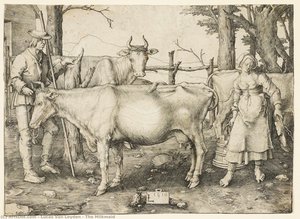
ルカス・ファン・レイデンに確実に帰属される現存する絵画は17点ほどですが、そのどれもが傑作です。「盲人の癒し」は、木々に囲まれた風景を背景に多くの人物を描いた壮大な作品であり、彼の才能を示す代表的なものです。また、「聖パウロ」(attr. レイデン)は、版画における彼の卓越した技術を際立たせています。「ミルク売り娘」(1510年、版画)は、初期の作品の中でも特にその繊細な描写力と表現力が評価されています。ルカスのスタイルは、鮮やかな色彩と遠近感(アエリアル・ペルスペクティブ)によって特徴づけられ、同時代の画家アルブレヒト・デューラーからも高く評価されました。彼の作品には、写実的な描写だけでなく、登場人物の感情や内面世界を表現しようとする試みがうかがえます。影響と後世への遺産
ルカス・ファン・レイデンの芸術は、ドイツ・ルネサンスに大きな影響を与えました。彼の革新的なスタイルと高度な技術は、多くの画家や版画家に刺激を与え、オランダ美術の発展に大きく貢献しました。特に、風俗画においては、その先駆的な役割は重要であり、後の世代の画家たちに多大な影響を与えました。ファン・レイデンの作品は、単なる技巧的な巧みさだけでなく、人間の生活や感情を深く理解しようとする姿勢が込められています。彼の遺産は、今日でも多くの芸術愛好家や研究者によって高く評価され、オランダ美術史における重要な位置を占めています。コレクションとオンラインでの鑑賞
ルカス・ファン・レイデンの作品は、世界各地の美術館に所蔵されており、その中でも特にヴァン・ゴッホ美術館(オランダ)は、彼の版画や絵画を多数収蔵しています。オンラインプラットフォームであるArtsDot.comでは、彼の作品を幅広く紹介しており、美術愛好家が彼の芸術世界を探求するのに役立ちます。- ルカス・ファン・レイデンの作品をArtsDot.comでご覧ください: ArtsDot.com
- ヴァン・ゴッホ美術館(オランダ)のコレクションをオンラインで探求してください: ヴァン・ゴッホ美術館
- オランダ美術とその先駆者について、ArtsDot.comのブログでさらに詳しく知ってください: ArtsDot.comのブログ
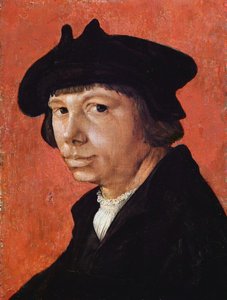
ルーカス・ファン・レイデン
1494 - 1533 , オランダ
基本情報
- Artistic Movement Or Style: 初期ネーデルランド絵画
- Artists Or Movements Influenced By This Artist: ['ドイツ・ルネサンス']
- Artists Who Influenced This Artist: ['アルブレヒト・デューラー']
- Date Of Birth: 1494年、ライデン
- Date Of Death: 1533年
- Full Name: ルカス・ファン・レイデン
- Nationality: オランダ人
- Notable Artworks:
- 盲目の男の癒し
- 聖パウロ
- 牛乳売り
- Place Of Birth (City And Country): オランダ、ライデン
関連記事

レンブラント傑作25選:光と影の巨匠、魂を揺さぶる名画の世界 | ArtsDot
レンブラントの傑作25選。光と影の魔術師が描いた魂を揺さぶる名画の世界へ。美術史に残る自画像、夜警、宗教画…ArtsDotで高品質なアートプリントやインテリアアートをお楽しみください。コレクションはこちら→
Adriaen van Ostade: A Master of Dutch Genre Painting & Social Commentary
Explore the life & work of Adriaen van Ostade, a leading Dutch Golden Age painter. Discover his realistic genre scenes, social commentary, and lasting influence on art history. Learn more at ArtsDot.
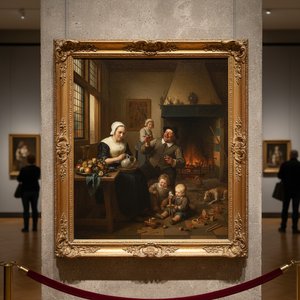
Genre Painting: A Window into Daily Life & Societal Values of the Dutch Golden Age
Explore the captivating world of Dutch Golden Age genre painting! Discover realistic depictions of daily life, masterful artists like Ostade & Metsu, and hidden symbolism. Learn about this influential art movement with ArtsDot.
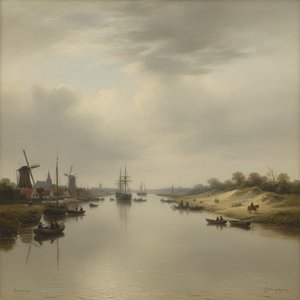
Jan van Goyen: Master of Dutch Landscape & Atmospheric Perspective
Discover Jan van Goyen, the master of Dutch landscape painting. Explore his subtle technique, atmospheric realism & lasting influence on art history. Learn about this 17th-century pioneer at ArtsDot.
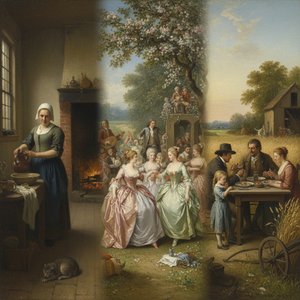
Scenes of Daily Life: A Comprehensive Exploration of Genre Painting Through History
Explore the rich history of genre painting! Discover Dutch Masters & European artists who captured everyday life with stunning realism. Learn about symbolism, techniques & lasting influence.