

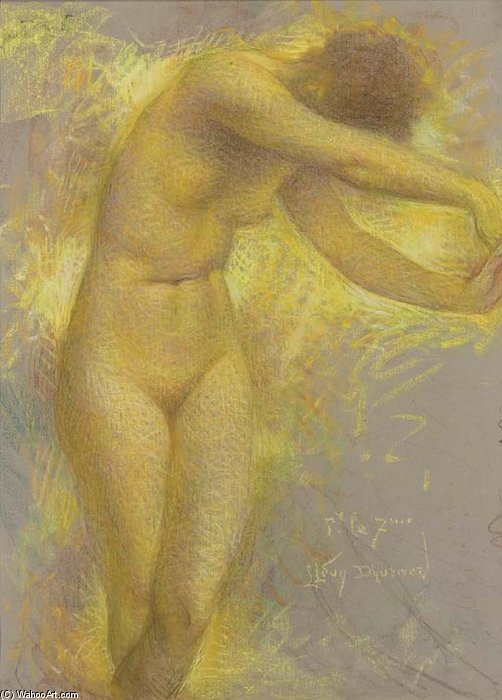
 プレビュー
プレビュー
 シェアする
シェアする シェアする
シェアする
 詳細を見る
詳細を見る

 ダウンロード
 似ている作品
 X線調査
X線調査 スライドショー
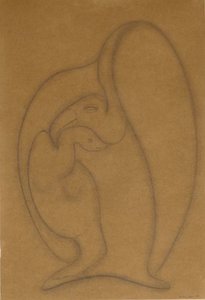
La Septième Symphonie
 詳細を見る
詳細を見る
ジークレー/アートプリント
迅速な制作と多彩な仕上げオプションを備えた、ミュージアムクオリティのジークレーまたはキャンバスプリント。 ( 手描きの絵画を購入 画像を購入)




































作品のオリジナル比率に合わせた、当店の規定サイズからお選びください。

特定のフレームやスペースに合わせて、ご自身でサイズを指定することも可能です。選択されたサイズが元の画像の比率と一致しない場合、作品をトリミングするか、鏡面反射または単色での塗りつぶしによって画像を拡張いたします。制作を開始する前に、ご確認用のデジタルモックアップをお送りいたします。
画面上のプレビューには、実際のトリミングや拡張は反映されませんのでご注意ください。最終的な構図を正確に確認できるのは、モックアップのみとなります。
カスタムサイズも承っておりますが、元の比率を維持するためには、あらかじめ用意されたリストからサイズを選択することをお勧めいたします。


 ガラスオプションは、110cm未満のサイズでのみご利用いただけます。

La Septième Symphonie
ジークレー/アートプリント
複製画のサイズ
-


合計金額
$ 62
関連作品


アーティストの略歴
Robert Henri: A Pioneer of American Regionalism
Robert Henri, born Robert Henry Cozad in Cincinnati, Ohio on February 10, 1865, stands as a pivotal figure in the development of American art at the turn of the 20th century. His life and work represent a significant shift away from European artistic traditions and toward a celebration of American subjects, landscapes, and people – a movement he himself termed “American Regionalism.” Henri’s journey was marked by unconventional choices, including a deliberate rejection of formal academic training, and a passionate commitment to portraying the realities of everyday American life with honesty and vitality. His early years in Nebraska instilled a deep connection to the land and its inhabitants, themes that would permeate much of his later work.Early Life and Influences – A Rejection of Tradition
Henri’s initial artistic pursuits were largely self-directed. He began drawing as a child, honing his skills through observation and tireless practice. Unlike many artists of the era who sought formal training in Europe—a path considered essential for success—Henri deliberately avoided it. This decision stemmed from a profound skepticism toward the rigid conventions of academic art, which he viewed as stifling creativity and divorced from genuine experience. He found inspiration not in classical masters or idealized landscapes, but in the vibrant, unvarnished world around him. Early influences included the works of Gustave Courbet, whose commitment to depicting real life with unflinching honesty resonated deeply with Henri’s own artistic vision. The writings of Walt Whitman also played a crucial role, fostering his appreciation for the democratic spirit and the beauty of ordinary Americans.The Ashcan School and Social Commentary
Henri's career gained momentum in New York City during the late 1890s, where he became a central figure in the burgeoning “Ashcan School.” This loosely defined group of artists—including George Bellows, John Sloan, and Everett Shinn—focused on depicting urban life, particularly the gritty realities of immigrant neighborhoods. Henri’s paintings often captured scenes of poverty, labor, and social unrest with remarkable empathy and detail. Works like *Tablees* (1908), a depiction of a crowded tenement room, and *The Newsboy* (1907-1908) offer poignant glimpses into the lives of marginalized communities. However, Henri’s approach was distinct from mere social realism; he sought to portray his subjects with respect and dignity, avoiding sensationalism or moralizing judgments. He believed that by truthfully representing the experiences of ordinary people, he could contribute to a greater understanding and appreciation of American society.Technique and Style – A Celebration of Color and Light
Henri’s artistic style is characterized by its bold brushwork, vibrant color palette, and dynamic compositions. He employed an Impressionistic technique, focusing on capturing the fleeting effects of light and atmosphere. Unlike many artists who meticulously rendered details, Henri often used loose, expressive strokes to convey a sense of movement and immediacy. His use of color was particularly notable—he favored rich, saturated hues that evoked the warmth and vitality of the American landscape and its people. Henri’s paintings are imbued with an energetic spirit, reflecting his belief in the inherent beauty and dynamism of everyday life. He frequently worked en plein air (outdoors), allowing him to directly observe and capture the nuances of light and color in nature.Legacy and Historical Significance
Robert Henri’s impact on American art is profound and enduring. He challenged the established artistic conventions of his time, paving the way for a more democratic and accessible form of art. His emphasis on portraying American subjects with honesty and empathy influenced generations of artists who followed. He helped to establish the Ashcan School as a significant movement in American art history, and his work continues to be celebrated for its vibrant energy, social commentary, and genuine portrayal of the American experience. Henri’s legacy extends beyond his individual paintings; he fostered a community of artists dedicated to exploring the richness and diversity of American life, leaving an indelible mark on the development of modern American art. His belief in the power of art to illuminate and inspire remains as relevant today as it was over a century ago.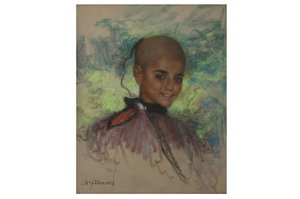
lucien levy dhurmer
1865 - 1953 , Algeria
基本情報
- Artistic Movement Or Style: Impressionism
- Artists Or Movements Influenced By This Artist:
- Ashcan School
- American Impressionism
- Artists Who Influenced This Artist:
- William Merritt Chase
- Jean-Léon Gérôme
- Date Of Birth: 1865
- Date Of Death: 1929
- Full Name: Robert Henri
- Nationality: American
- Notable Artworks:
- The Table
- Portrait of a Woman
- The Art Students League
- Place Of Birth: Cincinnati, Ohio