

 プレビュー
プレビュー
 プリントを購入
 シェアする
シェアする シェアする
シェアする
 詳細を見る
詳細を見る

 ダウンロード
 似ている作品
 X線調査
X線調査 スライドショー
Miner’s Funeral


 詳細を見る
詳細を見る




P118B $10

P118H $10

P118W $10

P438Z $10

P508JH $12

P508YH $12

P805H $10

P805Z $10

P919BZ $10

P919G $10

P919XJ $10

P959ZH $10

P968JZ $12

W106C $8

W218G $10

W218JH $8

W218Y $10

W307PJ $10

W316G $10

W316PJ $8

W316Y $10

W398PJ $8

W4111J $10

W500HY $15

W500JH $15

W692G $12

W849H $8

W940BG $15

W953PJ $8




作品のオリジナル比率に合わせた、当店の規定サイズからお選びください。

特定のフレームやスペースに合わせて、ご希望のサイズをご入力いただけます。選択されたサイズが元の画像の比率と異なる場合、アートワークをトリミングするか、手描きで要素を追加して絵画を拡張いたします。デジタルモックアップ を制作し、制作開始前にご確認(承認)をいただきます。
画面上のプレビューは、実際のトリミングや拡張を正確に反映しているものではありません。最終的な構図は、モックアップによってのみ正確にご確認いただけます。
カスタムサイズもご利用いただけますが、元の比率を維持するためには、あらかじめ用意されたリストからサイズを選択することをお勧めいたします。
ご注文後、ArtsDot.com チームより詳細な指示をお送りするとともに、仕上がりイメージ(モックアップ)をご提供いたします。


 ガラスオプションは、110cm未満のサイズでのみご利用いただけます。

Miner’s Funeral
複製技法
複製画のサイズ
-


合計金額
$ 263
A Poignant Tapestry of Life and Loss
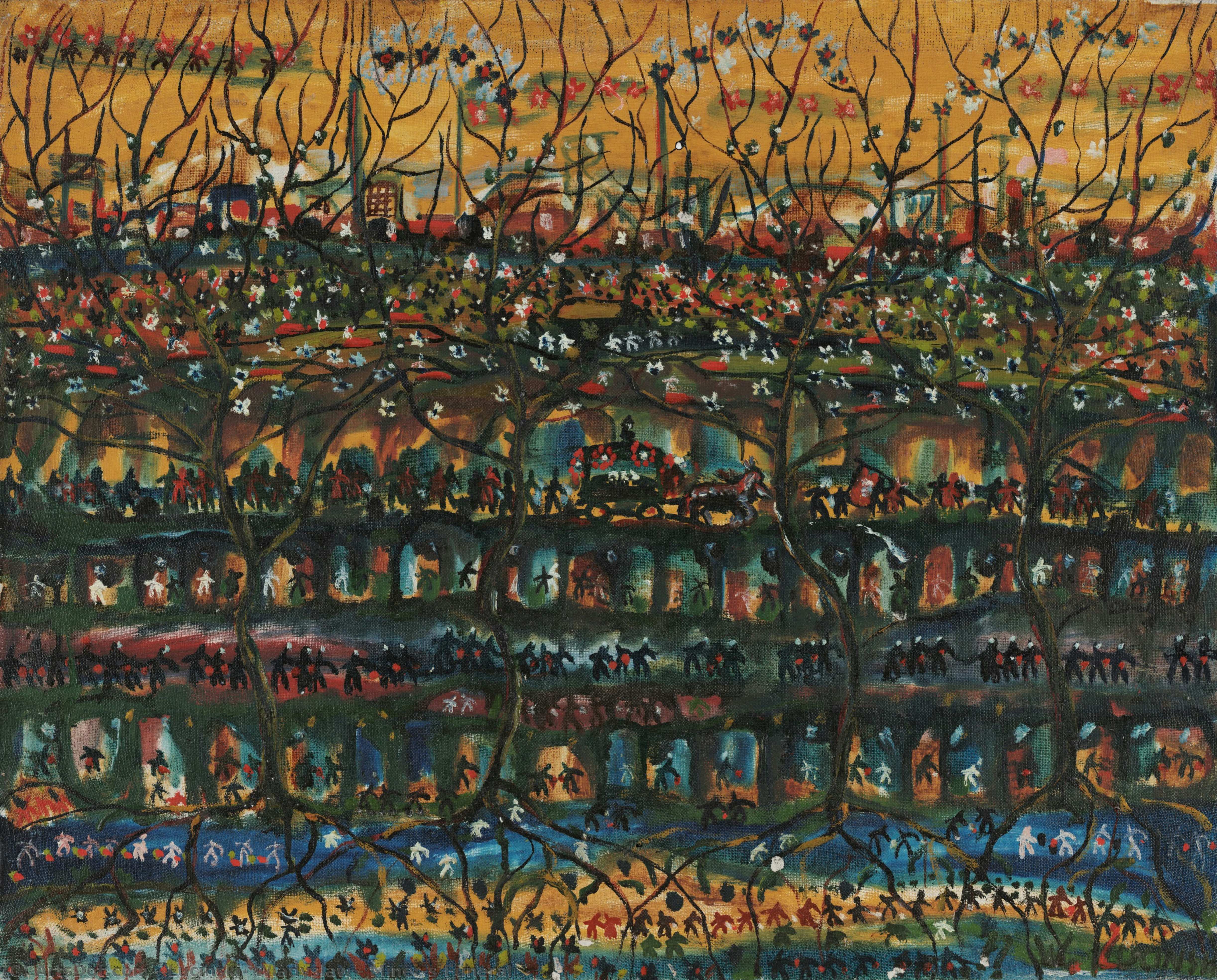
In the evocative oil on canvas masterpiece, Miner’s Funeral, Wladyslaw Lucinski invites us into a deeply communal moment of mourning and remembrance. Created in 1978, this large-scale work transcends a mere depiction of a single event, offering instead a sprawling, vibrant cityscape that breathes with the collective pulse of a community. The scene is populated by a dense crowd of figures gathered near skeletal, leafless trees, their forms woven into a complex urban tapestry. While the title suggests a somber occasion, Lucinski’s brushwork infuses the atmosphere with an unexpected vitality; birds scatter across the sky, adding a layer of kinetic energy that contrasts beautifully with the gravity of the funeral procession. It is a painting where the stillness of death meets the relentless movement of life.
The technique employed by Lucinski is a testament to his mastery of the Polish naïve art tradition. Eschewing rigid academic proportions, he utilizes a rich, textured application of oil paint to build depth and character within the crowd. Each figure, though part of a larger mass, possesses a distinct presence, contributing to a sense of shared history and cultural identity. The composition is masterfully balanced, utilizing elements like the solitary car on the left and the rhythmic placement of trees to guide the viewer's eye through the bustling environment. This approach creates an immersive experience, making the viewer feel less like a distant observer and more like a participant in this significant social ritual.
The Soul of Polish Naïve Artistry
To understand Miner’s Funeral, one must look toward the heart of Lucinski’s heritage. Born in Ruda Śląska, an area deeply rooted in mining traditions, the artist draws upon a profound well of folk memory and local identity. His work serves as a bridge between the personal and the historical, capturing the essence of everyday life through a lens that is both whimsical and profoundly serious. The symbolism within the piece—the starkness of the winter trees against the lively movement of the birds—speats to the cyclical nature of existence: the inevitability of loss paired with the enduring spirit of the living. For the collector, this painting offers more than just aesthetic beauty; it provides a window into a specific cultural epoch and a celebration of human resilience.
For interior designers and connoisseurs of fine art, this reproduction serves as a commanding focal point. Its large scale and intricate detail allow it to anchor a room, providing a conversation piece that stimulates both intellectual inquiry and emotional reflection. Whether placed in a contemporary gallery setting or a classic study, the painting’s ability to blend urban complexity with folk intimacy makes it a versatile and timeless addition to any curated collection. Owning a piece of Lucinski’s legacy means bringing home a fragment of Polish soul, rendered with a brilliance that continues to captivate the modern eye.
関連作品


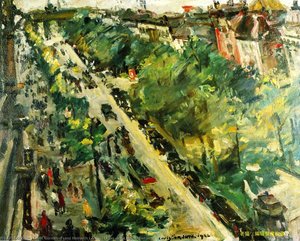
アーティストの略歴
The Soul of Silesia: The Vibrant World of Wladyslaw Lucinski
Born in 1933 amidst the industrial and cultural heart of Ruda Śląska, Poland, Wladyslaw Lucinski emerged as a profound voice within the realm of Polish Naïve art. His journey was not one of academic corridors or formal studios, but rather a self-taught odyssey driven by an innate sensitivity to the world around him. As an autodidact, Lucinski developed a visual language that bypassed traditional realism in favor of a deeply personal, metaphysical truth. His early years, steeped in the traditions and heritage of his homeland, provided the fertile soil from which his unique perspective grew—a perspective that sought to find the extraordinary within the ordinary, and the spiritual within the mundane landscapes of Upper Silesia.
The artistry of Lucinski is characterized by a breathtaking use of color and a rhythmic, simplified composition that prioritizes emotional resonance over anatomical or architectural precision. His palette often vibrates with intense reds, brilliant yellows, and deep, soulful blues, creating scenes that feel both nostalgic and strikingly modern. In his hands, the landscapes of Silesian cities are transformed; he populates these settings with tiny, delicate figures, underground creatures from local legends, and a sense of cosmic wonder. This ability to saturate a canvas with both earthiness and spiritual aspiration allows his work to transcend mere folk art, entering a realm where reality and folklore dissolve into a singular, dreamlike experience.
A Tapestry of Folklore and Everyday Life
Lucinski’s oeuvre serves as a vibrant chronicle of Polish life, blending the grit of industrial existence with the whimsy of myth. His paintings often act as windows into a community, capturing the collective spirit through scenes that range from the somber to the celebratory. One can feel the weight of history and tradition in works such as Miner’s Funeral (1978), where the bustling urban crowd is rendered with a poignant, rhythmic energy. Conversely, his more whimsical pieces, like Cat the Olympian, showcase his ability to infuse the animal kingdom with human-like grandeur, bridging the gap between the domestic and the heroic.
The artist’s fascination with movement and the natural world is perhaps most exquisitely captured in his depictions of flight and the heavens. In masterpieces like Alek Flying Away, the viewer is invited into a nocturnal dance where birds soar through a starlit sunset, their silhouettes cutting through amber and indigo skies. This mastery of color temperature—balancing the cool depths of twilight against the fiery glow of a departing sun—demonstrates a sophisticated control that belies his self-taught origins. Through these works, Lucinski does not merely paint nature; he paints the very essence of life in motion, capturing the kinetic energy of a universe that is simultaneously grounded in Polish soil and reaching for the stars.
Legacy and Artistic Significance
The historical significance of Wladyslaw Lucinski lies in his ability to elevate the Naïve tradition into a medium of profound metaphysical inquiry. He did not simply replicate folk motifs; he reinterpreted them through a lens of modern sensibility, ensuring that the cultural identity of his region remained vibrant and relevant. His works have found permanent homes in prestigious institutions, such as The State Ethnographic Museum in Warsaw, securing his place in the canon of Polish art history.
As we reflect on his life and contributions, several key elements of his legacy become clear:
- Mastery of Color: His use of saturated, bold pigments to evoke emotional and spiritual depth.
- Cultural Preservation: The seamless integration of Upper Silesian legends and local traditions into a contemporary aesthetic.
- The Naïve Perspective: A unique ability to find the cosmic and the magical within the everyday lives of common people.
- Technical Innovation: An exceptional command over oil on fibreboard, achieving textures that feel both tactile and ethereal.
Wladyslaw Lucinski remains a pioneer whose work continues to invite viewers into a world where the boundaries between the seen and the unseen are beautifully blurred, leaving an indelible mark on the landscape of European folk art.
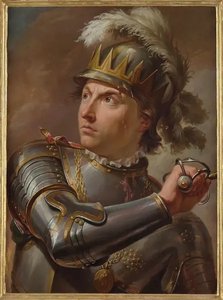
lucinski, wladyslaw
1933 - , Poland
基本情報
- Artistic Movement Or Style: Naïve Art
- Date Of Birth: 1933
- Full Name: Wladyslaw Lucinski
- Nationality: Polish
- Notable Artworks:
- Cat the Olympian
- Miner’s Funeral
- Place Of Birth: Ruda Śląska, Poland
関連記事
Concrete Visions: Exploring the Urban Landscape in Painting – From Realism to Contemporary Art
Explore the evolution of cityscape painting from Realism to contemporary art with ArtsDot. Discover key artists & invest in timeless urban visions. Expert guidance, museum-quality reproductions.
Concrete Narratives: Exploring Urban Life in Modern & Contemporary Art
Explore the evolution of cityscape painting with ArtsDot. Discover key artists from Realism to contemporary movements & invest in timeless urban visions. Expert guidance, museum-quality reproductions.

Urban Visions: A Historical & Artistic Exploration of the Cityscape in Painting
Explore the evolution of cityscape painting from historical maps to Impressionist masterpieces. Discover artists like Caillebotte & Utrillo. Find museum-quality reproductions at ArtsDot.

Concrete Visions: Exploring Representations of Urban Life in Modern & Contemporary Art
Explore the evolution of cityscape painting from Realism to contemporary art. Discover key artists & invest in timeless urban visions with ArtsDot's expert guidance and museum-quality reproductions.
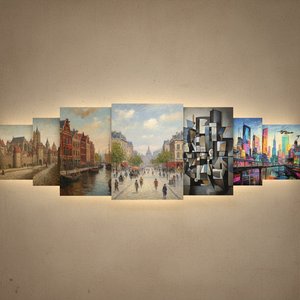
Urban Visions: A Historical & Artistic Exploration of the Cityscape in Painting
Explore the evolution of cityscape painting from historical maps to Impressionist masterpieces. Discover artists like Caillebotte, Utrillo & Matsumoto Shunsuke. Find museum-quality reproductions at ArtsDot.