

 プレビュー
プレビュー
 プリントを購入
 シェアする
シェアする シェアする
シェアする
 詳細を見る
詳細を見る

 ダウンロード
 似ている作品
 X線調査
X線調査 スライドショー
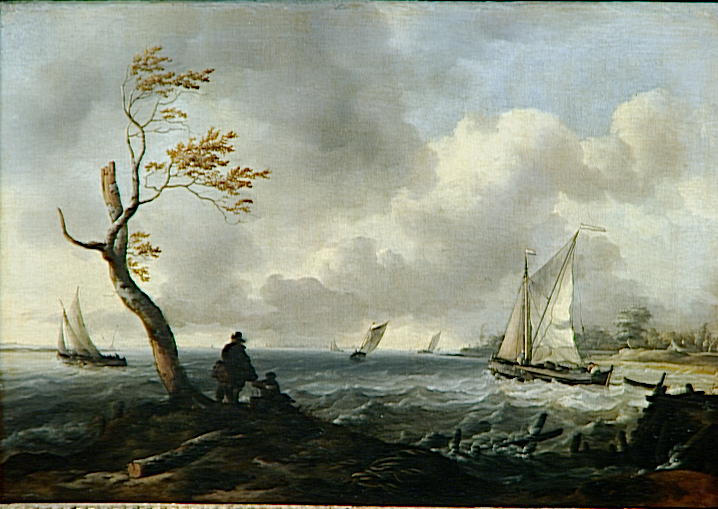
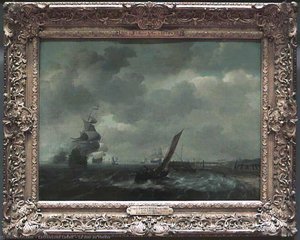
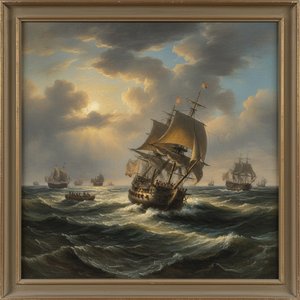
BATEAU DE PECHE ET CABOTIER PAR GROS TEMPS, DIT AUSSI LE COUP DE VENT


 詳細を見る
詳細を見る




P118B $10

P118H $10

P118W $10

P438Z $10

P508JH $12

P508YH $12

P805H $10

P805Z $10

P919BZ $10

P919G $10

P919XJ $10

P959ZH $10

P968JZ $12

W106C $8

W218G $10

W218JH $8

W218Y $10

W307PJ $10

W316G $10

W316PJ $8

W316Y $10

W398PJ $8

W4111J $10

W500HY $15

W500JH $15

W692G $12

W849H $8

W940BG $15

W953PJ $8




作品のオリジナル比率に合わせた、当店の規定サイズからお選びください。

特定のフレームやスペースに合わせて、ご希望のサイズをご入力いただけます。選択されたサイズが元の画像の比率と異なる場合、アートワークをトリミングするか、手描きで要素を追加して絵画を拡張いたします。デジタルモックアップ を制作し、制作開始前にご確認(承認)をいただきます。
画面上のプレビューは、実際のトリミングや拡張を正確に反映しているものではありません。最終的な構図は、モックアップによってのみ正確にご確認いただけます。
カスタムサイズもご利用いただけますが、元の比率を維持するためには、あらかじめ用意されたリストからサイズを選択することをお勧めいたします。
ご注文後、ArtsDot.com チームより詳細な指示をお送りするとともに、仕上がりイメージ(モックアップ)をご提供いたします。


 ガラスオプションは、110cm未満のサイズでのみご利用いただけます。

BATEAU DE PECHE ET CABOTIER PAR GROS TEMPS, DIT AUSSI LE COUP DE VENT
複製技法
複製画のサイズ
-


合計金額
$ 288
The Tempestuous Sea: Ludolf Backhuysen’s ‘Bateau de Peche et Caboteur par Gros Temps’
Ludolf Backhuysen's “Bateau de Peche et Caboteur par Gros Temps,” often referred to as "Le Coup de Vent" – The Gale – is not merely a seascape; it’s a visceral embodiment of the raw, untamed power of nature and the precariousness of human endeavor against its might. Painted around 1663, this monumental canvas transports the viewer directly into the heart of a ferocious storm at sea, capturing a moment of desperate struggle between fishing vessels and the unrelenting fury of the North Sea. Backhuysen, a master of Dutch Golden Age marine painting, elevates the genre beyond simple depiction to create an intensely dramatic and emotionally resonant experience.

The painting’s composition is a carefully orchestrated display of chaos and control. The dominant sky, a swirling vortex of bruised blues and ominous grays, occupies nearly two-thirds of the canvas, immediately establishing the overwhelming force of the storm. Below, a chaotic jumble of fishing boats – small, vulnerable vessels battling against towering waves – are rendered with remarkable realism and dynamism. The strategic placement of these boats, angled dramatically across the frame, creates powerful diagonal lines that draw the eye through the scene, mirroring the relentless push and pull of the wind and water.
A Masterclass in Dutch Marine Technique
Backhuysen’s skill lies not just in his ability to capture a dramatic event but also in his masterful manipulation of technique. He employs a loose, expressive brushstroke – an impasto approach where thick layers of oil paint are applied directly to the canvas – that conveys both texture and movement with astonishing immediacy. The choppy waves are rendered with visible brushwork, suggesting their turbulent energy, while the sky is built up through layered glazes, creating a sense of depth and atmospheric perspective. The artist’s use of light is equally crucial; diffused and overcast, it casts an eerie glow upon the scene, intensifying the drama without resorting to stark contrasts.
- Color Palette: Dominated by cool blues, grays, and browns, reflecting the bleakness and danger of the storm.
- Brushwork: Loose, expressive strokes create a sense of movement and dynamism.
- Glazes: Used to build up layers of color and achieve subtle tonal variations.
Symbolism and the Human Condition
Beyond its technical brilliance, “Le Coup de Vent” is rich in symbolic meaning. The small fishing boats, tossed about by the immense forces of nature, represent humanity’s vulnerability and our constant struggle against the unpredictable elements. The storm itself can be interpreted as a metaphor for life's challenges – periods of hardship, uncertainty, and overwhelming adversity. Yet, amidst this chaos, there is also a sense of resilience; the boats continue to fight, demonstrating an unwavering determination to survive. The painting’s historical context—the Dutch Golden Age, a period of maritime dominance and burgeoning wealth—adds another layer of significance, highlighting the nation's mastery of the sea alongside its awareness of its inherent dangers.
A Legacy of Maritime Drama
Ludolf Backhuysen’s “Bateau de Peche et Caboteur par Gros Temps” remains a cornerstone of Dutch marine painting. Influenced by artists like Simon de Vlieger and Jan van de Cappelle, it exemplifies the genre's commitment to realism and dramatic intensity. Reproductions of this powerful image continue to captivate viewers with its evocative depiction of nature’s fury and humanity’s enduring spirit. Whether displayed in a grand salon or a more intimate setting, this painting serves as a potent reminder of our connection to the natural world and the timeless struggle between man and the elements.
関連作品
アーティストの略歴
生い立ちと修行時代
ルドルフ・バックハウゼン1世は、ドイツの東フリースラント地方、エムデンに1630年12月28日に生まれた、ドイツにルーツを持つオランダの画家です。1650年頃にアムステルダムへと移り住んだ彼は、当初、商人の書記官やカリグラファーとしてその才能を振るっていました。しかし、彼の魂は芸術へと向いており、やがて絵画の世界に身を投じることとなります。彼は、当時の名高い巨匠であるアラルト・ファン・エフェルディンゲンとヘンドリック・ダベルスに師事し、その技法を深く学びました。名声への道のり
バックハウゼンの芸術的才能は、特に海洋主題において瞬く間に認められるようになりました。1672年にウィレム・ファン・デ・フェルデ(父子)がイングランドへ去った後、バックハウゼンはオランダにおける海事画の第一人者としての地位を確立しました。彼の作品は強烈なリアリズムを特徴とし、荒れ狂う波の描写に長けていました。嵐の凄まじい影響をキャンバスに捉えるため、彼はしばしば小さな舟で外洋へと漕ぎ出し、自然の猛威をその目で確かめたといいます。代表作と遺産
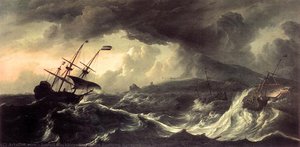
バックハウゼンの代表的な作品には、以下のようなものがあります:- 嵐の中の船 (1670年代-1690年代)
- 海景と漁船 (1708年)
- ヴィゴ湾の戦い (1702年)
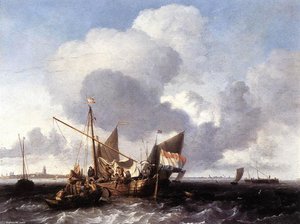
- ヨットに乗り込むオランダ人 (1670-1679年)
- ヨハン・デ・リーフデ、中将
晩年と最期
1699年、バックハウゼンはアムステルダムの有名な市庁舎の最上階にギャラリーを開設しました。その後、イングランドを訪れた後、1708年11月17日にアムステルダムにてその生涯を閉じました。 ArtsDot.comでルドルフ・バックハウゼン1世の他の作品を見る: [https://ArtsDot.com/@/ludolf%20backhuysen%20i](https://ArtsDot.com/@/ludolf%20backhuysen%20i) ArtsDot.comでオランダ黄金時代の芸術運動を探索する: /ja/art/show/art-d3cph3-ja/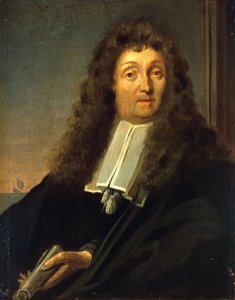
ルドルフ・バックハイゼン
1630 - 1708 , ドイツ
基本情報
- Artistic Movement Or Style: オランダ・バロック
- Artists Or Movements Influenced By This Artist: ['海洋美術']
- Artists Who Influenced This Artist:
- アッラルト・ファン・エフェルディンゲン
- ヘンドリック・ダベルス
- Date Of Birth: 1630年12月28日
- Date Of Death: 1708年11月17日
- Full Name: ルドルフ・バックハイゼン I
- Nationality: オランダ
- Notable Artworks:
- 嵐の中の船
- 海景と漁船
- ヴィゴ湾の戦い
- Place Of Birth: ドイツ、エムデン
関連記事
Boats on Canvas: 10 Masterpieces of Maritime Art for Your Home Decor
Sail away with 10 iconic boat paintings! Explore masterpieces by Monet, Van Gogh & Turner. Discover the stories behind these timeless seascapes and find museum-quality art reproductions for your home decor at ArtsDot.com.
The Allure of the Horizon: A Comprehensive Exploration of Seascape Art Through History & Emotion
Explore the captivating world of seascape art! Discover its history, key artists & movements – from Dutch Masters to Impressionism. Expert insights for collectors and enthusiasts at ArtsDot.
Bring the Ocean Home: Captivating Maritime Paintings to Transform Your Space with Timeless Elegance
Transform your home with breathtaking maritime oil paintings. From serene seascapes to dramatic nautical scenes, discover hand-painted reproductions that bring the ocean's soul to your space. Expertly crafted for collectors seeking timeless elegance and coastal tranquility.
Navigating Symbolism & Sentiment: A Comprehensive Exploration of Boats in Art History
Explore the rich history of boats in art! Discover symbolism & style from ancient myths to Impressionist masterpieces. Expert insights for collectors at ArtsDot.
Ludolf Backhuysen I: Master of Dutch Marine Painting & Atmospheric Realism
Explore the captivating world of Ludolf Backhuysen I, a master of Dutch marine painting. Discover his signature realism, atmospheric seascapes & lasting influence on art history. Learn about collecting and appreciating this Golden Age artist.

