

 プレビュー
プレビュー
 プリントを購入
 シェアする
シェアする シェアする
シェアする
 詳細を見る
詳細を見る

 ダウンロード
 似ている作品
 X線調査
X線調査 スライドショー
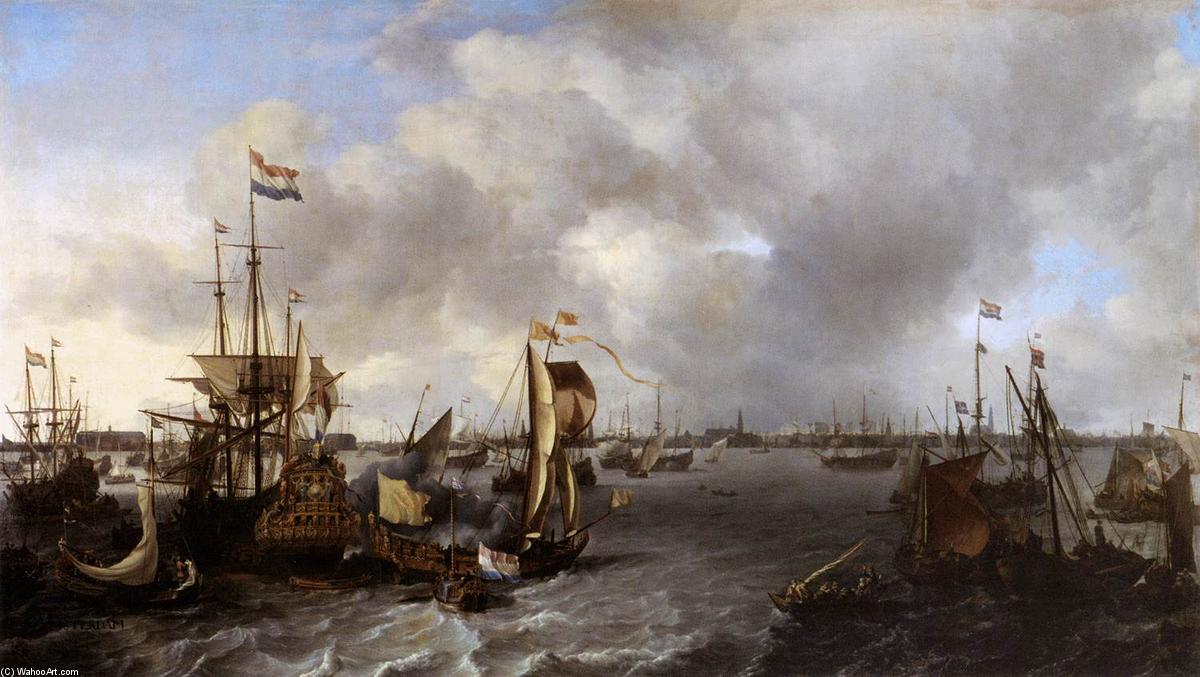
View of Amsterdam with Ships on the Ij
 Acrylic On Canvas
- WallArt
- Baroque
 1666
1666 128.0 x 221.0 cm
 ルーブル美術館
 詳細を見る
詳細を見る




P118B $10

P118H $10

P118W $10

P438Z $10

P508JH $12

P508YH $12

P805H $10

P805Z $10

P919BZ $10

P919G $10

P919XJ $10

P959ZH $10

P968JZ $12

W106C $8

W218G $10

W218JH $8

W218Y $10

W307PJ $10

W316G $10

W316PJ $8

W316Y $10

W398PJ $8

W4111J $10

W500HY $15

W500JH $15

W692G $12

W849H $8

W940BG $15

W953PJ $8




作品のオリジナル比率に合わせた、当店の規定サイズからお選びください。

特定のフレームやスペースに合わせて、ご希望のサイズをご入力いただけます。選択されたサイズが元の画像の比率と異なる場合、アートワークをトリミングするか、手描きで要素を追加して絵画を拡張いたします。デジタルモックアップ を制作し、制作開始前にご確認(承認)をいただきます。
画面上のプレビューは、実際のトリミングや拡張を正確に反映しているものではありません。最終的な構図は、モックアップによってのみ正確にご確認いただけます。
カスタムサイズもご利用いただけますが、元の比率を維持するためには、あらかじめ用意されたリストからサイズを選択することをお勧めいたします。
ご注文後、ArtsDot.com チームより詳細な指示をお送りするとともに、仕上がりイメージ(モックアップ)をご提供いたします。


 ガラスオプションは、110cm未満のサイズでのみご利用いただけます。

View of Amsterdam with Ships on the Ij
複製技法
複製画のサイズ
-


合計金額
$ 263
作品解説
A Window into 17th Century Amsterdam: Ludolf Backhuysen’s “View of Amsterdam with Ships on the Ij”
Ludolf Backhuysen's "View of Amsterdam with Ships on the Ij," painted in 1666, isn’t merely a depiction of a harbor scene; it’s a vibrant snapshot of a city at its zenith – a testament to the wealth, power, and artistic flourishing of the Dutch Golden Age. More than just a painting, it's an immersive experience, transporting the viewer directly into the bustling heart of Amsterdam during a period of unprecedented maritime dominance. The work immediately captivates with its dramatic lighting, a hallmark of Backhuysen’s signature style, and the sheer scale of the harbor activity, rendered with meticulous detail that speaks to both technical mastery and a profound appreciation for the natural world.
The painting's composition is a carefully orchestrated dance between chaos and control. A multitude of ships – ranging from modest fishing vessels to imposing merchant galleons – dominate the foreground and middle ground, their sails billowing in the wind, creating an impression of restless energy. Yet, Backhuysen doesn’t succumb to mere visual overload. The artist skillfully employs atmospheric perspective, softening distant elements and subtly guiding the eye through the scene. The cityscape receding into the background, a hazy blend of buildings and rooftops, provides a grounding element, anchoring the dynamic maritime activity within the context of a thriving urban center.
Baroque Drama: Technique and Artistic Influence
Backhuysen’s technique is deeply rooted in the Baroque tradition, but with a distinctly Dutch sensibility. He masterfully utilizes oil paints to achieve an astonishing level of realism – from the intricate rigging of the ships to the texture of the water and the weathered faces of the sailors. Notice the way he captures the play of light on the waves, creating shimmering highlights and deep shadows that imbue the scene with a palpable sense of drama. The artist’s use of impasto—thickly applied paint—adds physicality and depth to the canvas, particularly in depicting the ships' sails and hulls. It is said that Backhuysen would often venture out on his own boat to study these scenes firsthand, ensuring an unparalleled level of accuracy.
Backhuysen’s work owes a debt to earlier maritime painters like Willem van de Velde the Elder and Younger, but he forged his own unique style. His compositions are characterized by their dynamic energy, often depicting turbulent seas and dramatic weather conditions – a reflection of the inherent risks associated with seafaring during that era. The influence of Rembrandt’s masterful use of light is also evident in Backhuysen's work, particularly in the way he employs chiaroscuro—the contrast between light and dark—to create mood and drama.
Symbolism and the Spirit of Amsterdam
Beyond its technical brilliance, “View of Amsterdam with Ships on the Ij” is rich in symbolic meaning. The bustling harbor represents not just a commercial hub but also the heart of Amsterdam’s burgeoning wealth and power. The ships themselves symbolize the city's dominance in international trade, connecting it to distant lands and fueling its economic prosperity. The stormy sky hints at the unpredictable nature of life – both literally and metaphorically – while the detailed depiction of the ships speaks to the importance of maritime skills and craftsmanship. It’s a painting that encapsulates the spirit of an age defined by exploration, innovation, and ambition.
The painting's current location in the Louvre Museum is itself significant, reflecting its enduring artistic value and historical importance. It stands as a powerful reminder of Amsterdam’s golden era – a time when the city was at the forefront of global trade and culture, leaving an indelible mark on art history.
関連作品

アーティストの略歴
生い立ちと修行時代
ルドルフ・バックハウゼン1世は、ドイツの東フリースラント地方、エムデンに1630年12月28日に生まれた、ドイツにルーツを持つオランダの画家です。1650年頃にアムステルダムへと移り住んだ彼は、当初、商人の書記官やカリグラファーとしてその才能を振るっていました。しかし、彼の魂は芸術へと向いており、やがて絵画の世界に身を投じることとなります。彼は、当時の名高い巨匠であるアラルト・ファン・エフェルディンゲンとヘンドリック・ダベルスに師事し、その技法を深く学びました。名声への道のり
バックハウゼンの芸術的才能は、特に海洋主題において瞬く間に認められるようになりました。1672年にウィレム・ファン・デ・フェルデ(父子)がイングランドへ去った後、バックハウゼンはオランダにおける海事画の第一人者としての地位を確立しました。彼の作品は強烈なリアリズムを特徴とし、荒れ狂う波の描写に長けていました。嵐の凄まじい影響をキャンバスに捉えるため、彼はしばしば小さな舟で外洋へと漕ぎ出し、自然の猛威をその目で確かめたといいます。代表作と遺産
バックハウゼンの代表的な作品には、以下のようなものがあります:- 嵐の中の船 (1670年代-1690年代)
- 海景と漁船 (1708年)
- ヴィゴ湾の戦い (1702年)
- ヨットに乗り込むオランダ人 (1670-1679年)
- ヨハン・デ・リーフデ、中将
晩年と最期
1699年、バックハウゼンはアムステルダムの有名な市庁舎の最上階にギャラリーを開設しました。その後、イングランドを訪れた後、1708年11月17日にアムステルダムにてその生涯を閉じました。 ArtsDot.comでルドルフ・バックハウゼン1世の他の作品を見る: [https://ArtsDot.com/@/ludolf%20backhuysen%20i](https://ArtsDot.com/@/ludolf%20backhuysen%20i) ArtsDot.comでオランダ黄金時代の芸術運動を探索する: /ja/art/show/art-d3cph3-ja/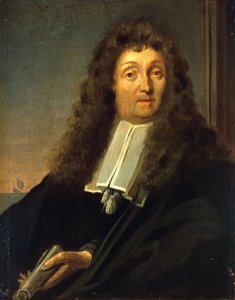
ルドルフ・バックハイゼン
1630 - 1708 , ドイツ
基本情報
- Artistic Movement Or Style: オランダ・バロック
- Artists Or Movements Influenced By This Artist: ['海洋美術']
- Artists Who Influenced This Artist:
- アッラルト・ファン・エフェルディンゲン
- ヘンドリック・ダベルス
- Date Of Birth: 1630年12月28日
- Date Of Death: 1708年11月17日
- Full Name: ルドルフ・バックハイゼン I
- Nationality: オランダ
- Notable Artworks:
- 嵐の中の船
- 海景と漁船
- ヴィゴ湾の戦い
- Place Of Birth: ドイツ、エムデン
関連記事

黄金世紀の巨匠たち:バロック絵画が彩る10選|ArtsDot
オランダ黄金時代の10大傑作を紐解く!レンブラント、フェルメール…バロック絵画の魅力と時代背景を深く探求。ArtsDotで、至高のアートコレクションと空間演出のヒントを見つけよう。高品質なアートプリントで、お部屋を華やかに。
Ludolf Backhuysen I: Master of Dutch Marine Painting & Atmospheric Realism
Explore the captivating world of Ludolf Backhuysen I, a master of Dutch marine painting. Discover his signature realism, atmospheric seascapes & lasting influence on art history. Learn about collecting and appreciating this Golden Age artist.

Golden Age Reflections: Dutch Baroque Painting & Cultural Innovation
Explore the Dutch Golden Age of painting! Discover key artists like Vermeer & ter Borch, their innovative techniques, and the rich cultural context behind these Baroque masterpieces. Learn about collecting & appreciating this iconic art period.

Illuminating Innovation: Exploring the Dutch Golden Age of Painting
Explore the Dutch Golden Age of painting with ArtsDot. Discover Rembrandt, Vermeer & other Masters. Learn about key characteristics, iconic artworks, and lasting influence. Expert insights for collectors & enthusiasts.
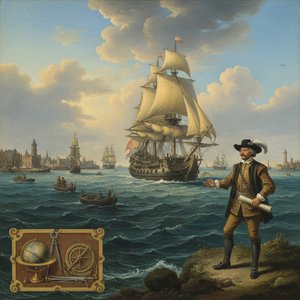
Abraham Hulk Senior: Pioneering Maritime Topography of the Dutch Golden Age
Explore the captivating seascapes of Abraham Hulk Senior, a leading Anglo-Dutch marine painter of the 19th century. Discover his signature style, family legacy & collectable artworks at ArtsDot.

