

 プレビュー
プレビュー
 プリントを購入
 シェアする
シェアする シェアする
シェアする
 詳細を見る
詳細を見る

 ダウンロード
 似ている作品
 X線調査
X線調査 スライドショー
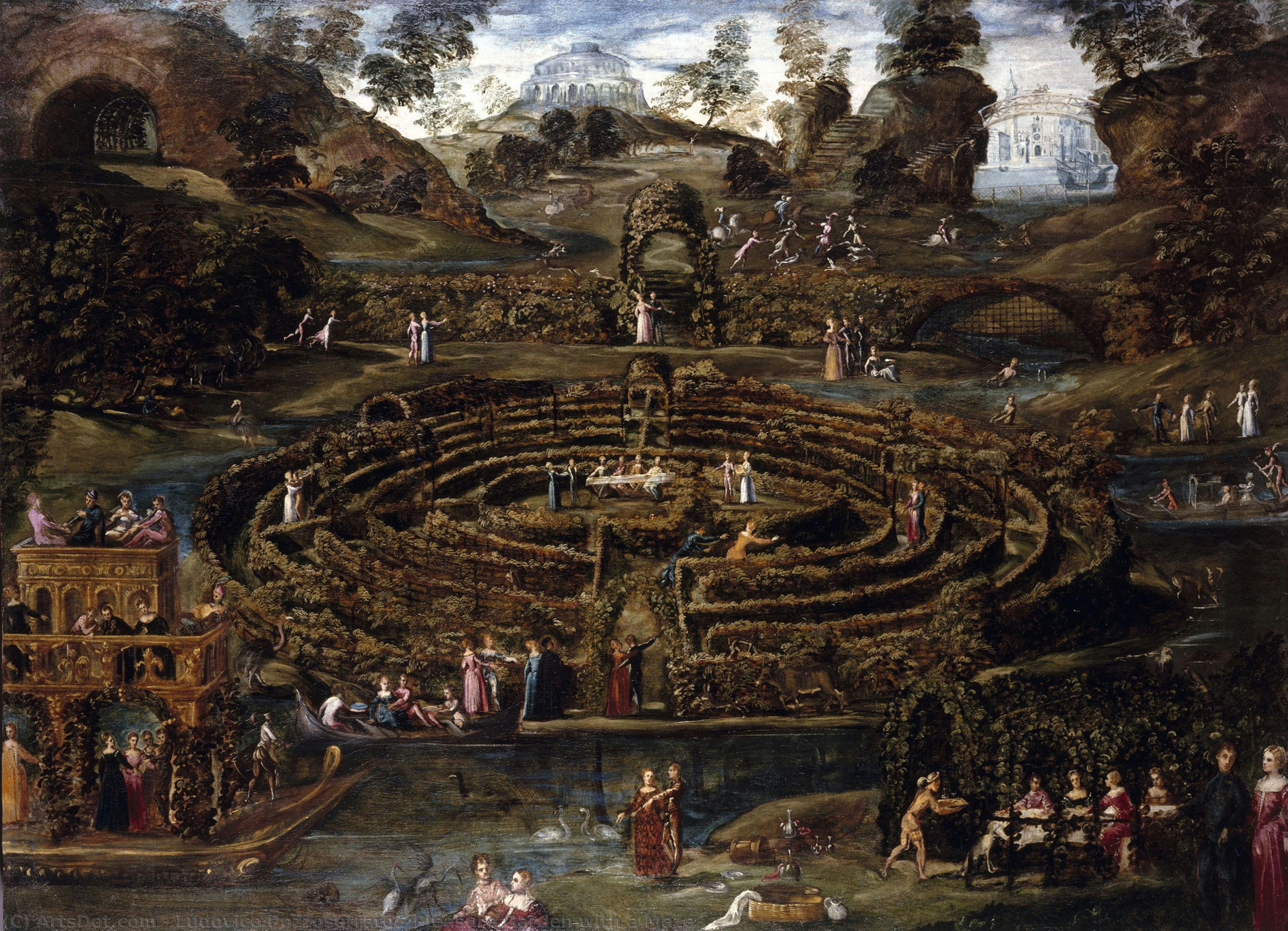
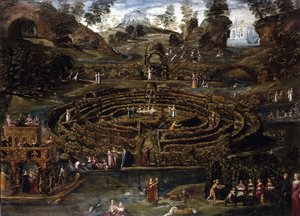
Pleasure Garden with a Maze


 詳細を見る
詳細を見る
オンラインプレビューをはるかに凌ぐ、高解像度で鮮明なデジタル画像をご購入いただけます。
各ファイルは、社内の専門家が高度なツールと熟練した手作業によるレタッチを用いて、細心の注意を払って準備されています。すべての画像において、卓越した鮮明度、正確な色彩再現性、そして繊細なディテールを保証いたします。
最終ファイルは、プロフェッショナルな編集・印刷環境ですぐにご利用いただけるよう最適化された状態で、72時間以内にメールにてお届けいたします。これは、一流のデザインスタジオ、出版社、ギャラリーから信頼されているものと同等の品質です。
デジタル画像のご注文に付随する特典
高品質なデジタル画像配信を、確かな品質で。
ArtsDot.com を選ぶことは、単に画像を手に入れることではありません。それは、プロの手によって精密に仕上げられ、満足保証が付いた高品質なデジタルアートワークを受け取ることを意味します。ご注文いただいた際に自動的に付随する内容は、以下の通りです:

メールですぐにお届け
ご注文から72時間以内に、高解像度のデジタル画像ファイルがメールでお手元に届きます。すぐにそのままご利用いただけます。

AI技術で最適化されたデジタルファイル
お客様の作品は、高度なAIツールと専門家による手作業の編集を組み合わせてプロフェッショナルに最適化されており、細部のディテール、鮮明さ、そして正確な色再現性を最大限に引き出しています。

一生涯無料の再送サービス
ファイルを誤って削除したり、紛失してしまったりしましたか?ご安心ください。いつでも無料で再送いたします。

輸入手数料は一切かかりません
関税や手数料、配送料を気にすることなく、お気に入りのアートワークをすぐにお楽しみいただけます。デジタルダウンロードは常に免税です。

色彩再現の保証
プロ仕様のツールとカラーマネジメント技術を用いることで、デジタル画像が元の色を最大限に忠実に再現することを保証いたします。

60日間満足保証
ご購入いただいたデジタル画像にご満足いただけない場合は、60日以内であれば、修正または100%の返金(理由を問う必要はありません)をさせていただきます。

100% 返金保証
ご満足いただけない場合は、デジタルファイルを受け取ってから60日以内であれば、理由を問わず全額返金いたします。

まとめ買い割引
3枚購入で10%OFF - 5枚購入で15%OFF - 10枚以上購入で20%OFF。クリエイティブなプロジェクト、ギャラリー、エージェンシーに最適です。
作品の詳細
A Glimpse into Opulence: Ludovico Pozzoserrato’s “Pleasure Garden with a Maze”
The year is 1584, and within the bustling heart of Antwerp, a master craftsman named Ludovico Pozzoserrato was meticulously capturing a world of exquisite leisure. His painting, "Pleasure Garden with a Maze," isn't merely a depiction of a garden; it’s an invitation – a vibrant tableau brimming with the pleasures of courtly life, humanist ideals, and the intoxicating allure of the unknown. This oil on canvas, now meticulously reproduced by ArtsDot.com, transports us to a carefully constructed fantasy, a microcosm reflecting both earthly delights and intellectual curiosity.
Pozzoserrato’s style is immediately recognizable as a harmonious blend of influences – the meticulous detail characteristic of Flemish portraiture combined with the vibrant color palettes and theatrical compositions favored by Italian landscape painters. He eschews dramatic lighting or overwhelming scale, instead opting for a restrained elegance that allows the eye to wander through the intricate details of the scene. The figures are rendered with a subtle psychological depth, hinting at their individual pursuits and desires within this carefully orchestrated world. Notice how he captures not just their appearances but also a sense of their inner lives – a young couple lost in conversation, a musician serenading his audience, a group indulging in a lavish feast.
The Garden as a Symbol
More than simply a pretty picture, “Pleasure Garden with a Maze” is rich in symbolic meaning. Gardens themselves were powerful metaphors during the Renaissance – representations of paradise, microcosms reflecting the order and harmony of the universe, and even allegories for human life and its complexities. The maze itself is a particularly potent symbol: it represents the journey of life, fraught with challenges, distractions, and ultimately leading to enlightenment or self-discovery. The figures within the garden embody various aspects of this journey – love, music, feasting, contemplation – all intertwined in a captivating dance.
The inclusion of elements like the distant Piazzetta di San Marco, a recognizable landmark from Venice, adds another layer of meaning. It suggests a connection to worldly pleasures and the vibrant culture of the Italian Renaissance, while simultaneously anchoring the fantastical scene within a tangible reality. The stag hunt in the background speaks to the aristocratic pursuits of the time – hunting as a symbol of power, skill, and dominion over nature.
A Window into 16th-Century Antwerp
Understanding Pozzoserrato’s work requires placing it within its historical context. Antwerp during the late 1580s was a thriving center of commerce, art, and intellectual exchange – a melting pot of cultures and ideas. The painting reflects this dynamism, capturing the spirit of a city on the cusp of great change. The meticulous detail with which he depicts the clothing, furniture, and architectural elements provides valuable insights into the material culture of the time, offering a glimpse into the lives of wealthy merchants and civic officials who commissioned such works.
Research reveals that Pozzoserrato was part of a larger artistic community in Antwerp, working alongside renowned figures like Antonis Mor. His work, though often overshadowed by his contemporaries, possesses a quiet dignity and technical skill that deserves recognition. The painting’s provenance – acquired by Robert Carr, Earl of Somerset – further highlights its significance as a piece of royal art, reflecting the tastes and aspirations of one of England's most prominent figures.
Bringing “Pleasure Garden with a Maze” to Your Space
ArtsDot.com’s hand-painted reproductions capture the essence of Pozzoserrato’s masterpiece with remarkable fidelity. The vibrant colors, intricate details, and evocative atmosphere are faithfully reproduced, allowing you to bring this captivating scene into your home or office. Whether you're an art collector, a design enthusiast, or simply someone seeking a touch of timeless beauty, this reproduction offers a unique opportunity to experience the artistry and symbolism of one of the Renaissance’s most enigmatic masters. It is more than just a print; it’s a portal to a world of pleasure, mystery, and intellectual delight.
関連作品
作家の略歴
The Enigmatic Master of the 1540s: A Portraitist of Antwerp
The early decades of the sixteenth century witnessed a fascinating, yet somewhat elusive, figure in the world of Northern Renaissance portraiture – the “Master of the 1540s.” This artist, whose true identity remains shrouded in mystery despite decades of scholarly investigation, produced approximately thirty portraits between 1541 and 1551, primarily centered around Antwerp. While overshadowed by the towering figures of his contemporaries like Antonis Mor and Willem Key, the Master’s work possesses a quiet elegance, a subtle psychological depth, and an undeniable technical skill that warrants careful consideration. He wasn't a flamboyant innovator; rather, he honed a distinctive style, characterized by a restrained palette, meticulous detail, and a remarkable ability to capture the essence of his subjects – often members of the merchant class and civic officials.
The genesis of our understanding of this artist is largely due to the identification of one particular sitter: Gillis van Schoonbeke, the guardian of the Antwerp hospital. This connection provided a crucial anchor point, suggesting that the Master was indeed active in the bustling commercial hub of Antwerp during this period. His clientele appears to have been more modest than that served by artists like Mor and Key, yet his paintings demonstrate a considerable level of artistry and refinement. The portraits he created weren’t grand displays of wealth or power; instead, they offered intimate glimpses into the lives of ordinary citizens, revealing their personalities and social standing with remarkable accuracy.
A Style Defined by Restraint and Observation
The Master's style is immediately recognizable for its understated elegance. Unlike the more overtly dramatic compositions favored by some of his contemporaries, his portraits are characterized by a measured approach to color, composition, and detail. He rarely employed bright, saturated hues, opting instead for a muted palette of browns, grays, greens, and ochres – colors that subtly enhance the subjects’ features and create an atmosphere of quiet contemplation. His brushwork is remarkably smooth and controlled, reflecting a deep understanding of oil painting techniques.
Crucially, the Master was an astute observer of human nature. He didn't simply record physical likenesses; he sought to capture the inner lives of his subjects. His portraits are imbued with a sense of psychological realism – a subtle awareness of mood, emotion, and character. The way a subject holds their hands, the slight tilt of their head, the expression in their eyes—all contribute to a compelling portrait that transcends mere representation. This ability to convey personality is perhaps the Master’s most enduring legacy.
Influences and Context
Pinpointing the precise influences on the Master remains a challenging task. While he undoubtedly drew inspiration from the established traditions of Flemish portraiture, there are also hints of Italian Renaissance influence in his work – particularly in his use of light and shadow, which echoes the techniques employed by artists like Leonardo da Vinci. The rise of humanist thought during this period also played a role, encouraging artists to explore the complexities of human psychology and to depict subjects with greater sensitivity and realism.
Furthermore, the Master’s work was produced during a time of significant social and economic change in Antwerp. The city was experiencing rapid growth as a center of trade and commerce, attracting merchants and artisans from across Europe. This influx of wealth and ideas undoubtedly influenced the artistic landscape, fostering a demand for portraits that could document the status and achievements of successful individuals.
Notable Works and Legacy
Among the Master’s most celebrated works are several portraits of prominent Antwerp citizens, including members of the city council and wealthy merchants. These paintings offer valuable insights into the social and political dynamics of the era. The “Portrait of a Woman” (circa 1548), for example, is particularly noteworthy for its subtle expression of intelligence and sophistication. Similarly, his "Deposition of Christ" (circa 1540-1545) showcases his ability to render complex scenes with remarkable clarity and detail.
Despite the enduring mystery surrounding his identity, the Master of the 1540s remains a significant figure in the history of Northern Renaissance portraiture. His work stands as a testament to the power of observation, restraint, and psychological insight – qualities that continue to resonate with viewers today. His legacy lies not in grand pronouncements or revolutionary innovations, but rather in the quiet beauty and enduring humanity of his portraits, offering intimate glimpses into the lives of ordinary people during a pivotal moment in European history.
ludovico pozzoserrato
1540 - 1603 , Belgium
プロフィール概要
- Artistic Movement Or Style: Early Mannerism
- Artists Or Movements Influenced By This Artist: ['Later Mannerist painters']
- Artists Who Influenced This Artist:
- Michelangelo
- Antonis Mor
- Date Of Birth: 1541
- Date Of Death: 1551
- Full Name: Master of the 1540s
- Nationality: Netherlandish
- Notable Artworks:
- The Sacrifice of Isaac
- Deposition of Christ
- Adoration of the Bronze Snake
- Place Of Birth: Antwerp, Netherlands

