

 プレビュー
プレビュー
 シェアする
シェアする シェアする
シェアする
 詳細を見る
詳細を見る

 ダウンロード
 似ている作品
 X線調査
X線調査 スライドショー
 統計情報
統計情報ベートーヴェン ルートヴィヒ・フェルディナンド・シュノルヴォンカルオルスフェルト
 キャンバスにアクリル絵具
- ウォールアート
- Romantic Landscape Painting
 1875
1875 19.0 x 13.0 cm
 Beethoven-Haus Bonn
 詳細を見る
詳細を見る
オンラインプレビューをはるかに凌ぐ、高解像度で鮮明なデジタル画像をご購入いただけます。
各ファイルは、社内の専門家が高度なツールと熟練した手作業によるレタッチを用いて、細心の注意を払って準備されています。すべての画像において、卓越した鮮明度、正確な色彩再現性、そして繊細なディテールを保証いたします。
最終ファイルは、プロフェッショナルな編集・印刷環境ですぐにご利用いただけるよう最適化された状態で、72時間以内にメールにてお届けいたします。これは、一流のデザインスタジオ、出版社、ギャラリーから信頼されているものと同等の品質です。
デジタルアート
個人での鑑賞、印刷、クリエイティブなプロジェクト用に、高解像度ファイルをダウンロードできます。 ( プリント版に切り替え 手描きの絵画を購入)
デジタル画像のご注文に付随する特典
高品質なデジタル画像配信を、確かな品質で。
ArtsDot.com を選ぶことは、単に画像を手に入れることではありません。それは、プロの手によって精密に仕上げられ、満足保証が付いた高品質なデジタルアートワークを受け取ることを意味します。ご注文いただいた際に自動的に付随する内容は、以下の通りです:

メールですぐにお届け
ご注文から72時間以内に、高解像度のデジタル画像ファイルがメールでお手元に届きます。すぐにそのままご利用いただけます。

AI技術で最適化されたデジタルファイル
お客様の作品は、高度なAIツールと専門家による手作業の編集を組み合わせてプロフェッショナルに最適化されており、細部のディテール、鮮明さ、そして正確な色再現性を最大限に引き出しています。

一生涯無料の再送サービス
ファイルを誤って削除したり、紛失してしまったりしましたか?ご安心ください。いつでも無料で再送いたします。

輸入手数料は一切かかりません
関税や手数料、配送料を気にすることなく、お気に入りのアートワークをすぐにお楽しみいただけます。デジタルダウンロードは常に免税です。

色彩再現の保証
プロ仕様のツールとカラーマネジメント技術を用いることで、デジタル画像が元の色を最大限に忠実に再現することを保証いたします。

100日間満足保証
ご購入いただいたデジタル画像にご満足いただけない場合は、100日以内であれば、理由を問わず修正または100%の返金対応をさせていただきます。

100% 返金保証
ご満足いただけない場合は、デジタルファイルを受け取ってから100日以内であれば、理由を問わず全額返金いたします。

まとめ買い割引
3枚購入で10%OFF - 5枚購入で15%OFF - 10枚以上購入で20%OFF。クリエイティブなプロジェクト、ギャラリー、エージェンシーに最適です。
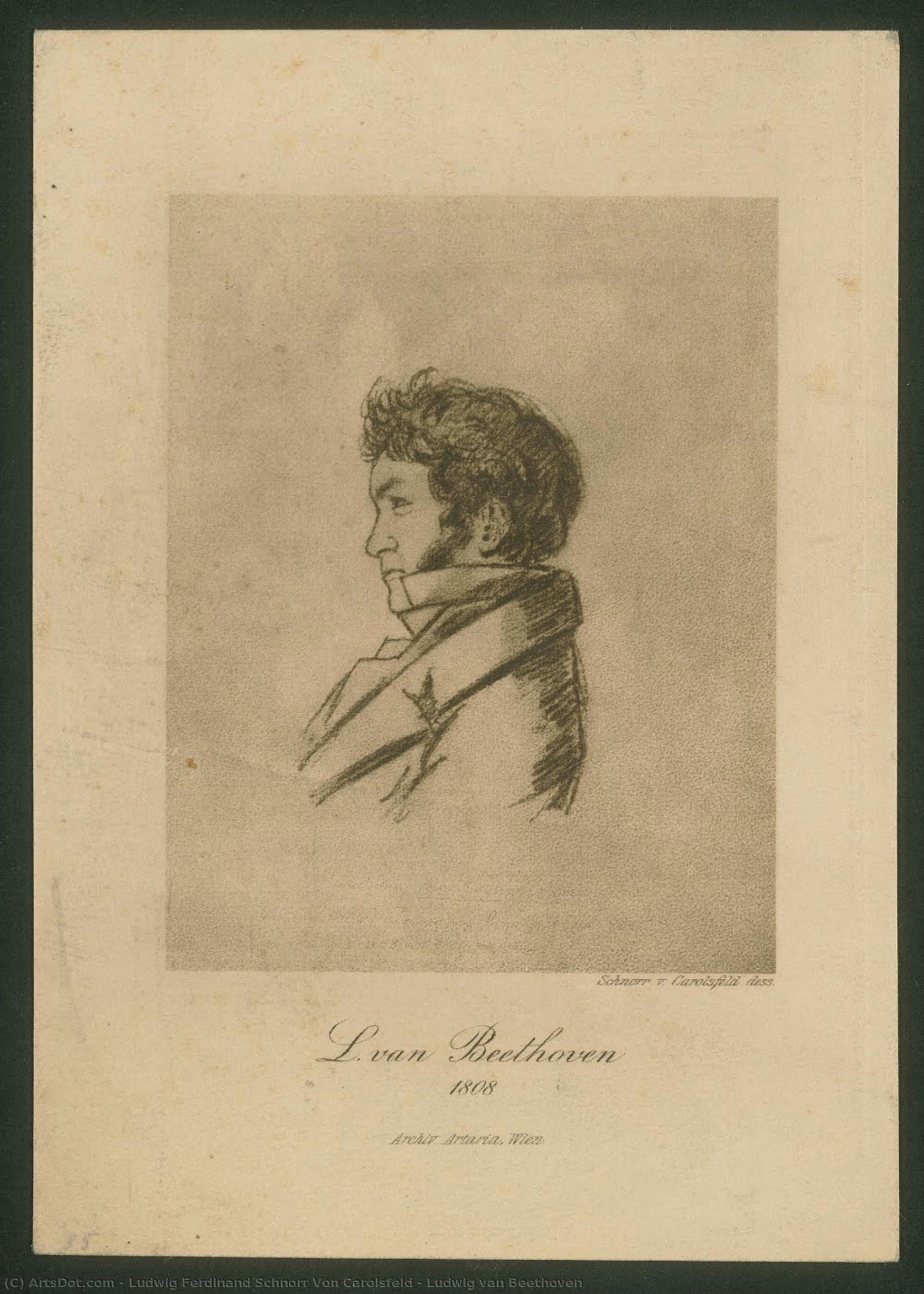
Ludwig van Beethoven - ドイツの画家シュノルフォンカルオルフによるベートーヴェンの肖像画
ベートーヴェンの肖像画は、ドイツの画家シュノルフォンカルオルフによって1875年に制作されました。この作品は、音楽史における最も重要な人物の一人であるベートーヴェンを静かに捉えた印象的な絵画です。黒と白で描かれたこの作品は、彼の顔立ちを詳細に表現しており、どこか厳格さを感じさせます。彼はシンプルなスーツとネクタイを身につけており、肖像画全体にフォーマルな雰囲気を添えています。アーティストのシュノルフォンカルオルフは、イギリスの風景画家としても知られていますが、このベートーヴェンの肖像画は彼の芸術的な才能の一端を見事に表現しています。- 画家: ルドヴィヒ・フェルディナンド・シュノルフォン・ヴォン・カルオルフ(Ludwig Ferdinand Schnorr von Carolsfeld)
- 生誕年: 1788年
- 没年: 1853年
- 生誕都市: カリンフォルグラード(Kaliningrad)
- 生誕国: ドイツ
- 芸術運動またはスタイル: ロマン主義絵画(Romantic Painting)
- 影響を受けた画家: ジョゼフ・ゲインズボウグなどイギリスの風景画家たち
- 美術館: ベートーヴェン美術館(ベートーヴェンハウス ボン)
関連作品

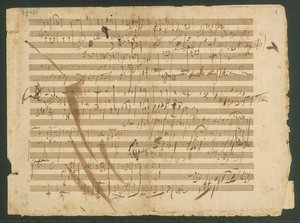
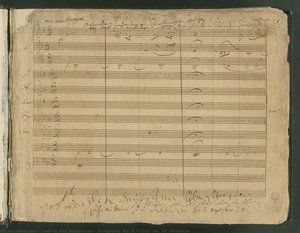
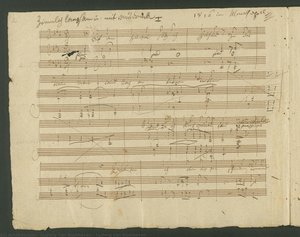
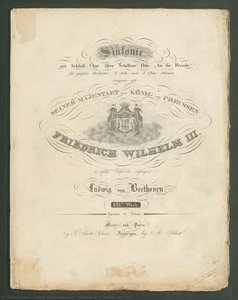
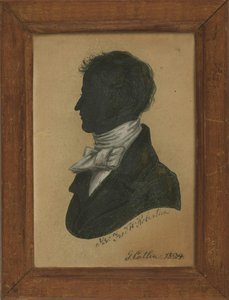
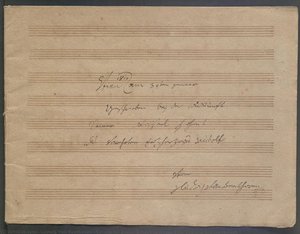
作家の略歴
Thomas Gainsborough: A Master of Light and Landscape
Thomas Gainsborough, a name synonymous with the quintessential English countryside and the subtle grace of portraiture, was born in Sudbury, Suffolk, on May 14th, 1727. His early life, steeped in the traditions of a cloth-merchant family, seemed destined for a predictable path – an apprenticeship in silversmithing. However, a youthful fascination with drawing and a fortuitous encounter with Hubert Gravelot, a French book illustrator working in London, irrevocably altered his trajectory. This introduction to the world of printmaking ignited a passion that would define his artistic career, leading him away from the confines of the workshop and towards the captivating landscapes and discerning portraits that would secure his enduring legacy. Gainsborough’s journey wasn't one of immediate success; it was a gradual cultivation of skill and vision, marked by periods of struggle and relentless dedication to his craft.Early Years and Artistic Training
Gainsborough’s initial training as a silversmith provided him with valuable technical skills – an understanding of line, form, and the manipulation of metal. Yet, it was Gravelot who truly nurtured his artistic sensibilities. The older artist recognized Gainsborough's innate talent and took him on as an apprentice, exposing him to the intricacies of engraving and printmaking. This period proved crucial in developing Gainsborough’s observational skills and fostering a deep appreciation for detail. Crucially, Gravelot encouraged Gainsborough to study nature directly – a practice that would become central to his artistic philosophy. Following his apprenticeship, Gainsborough established his own studio in London, initially focusing on producing decorative prints and engravings. These early works demonstrated a burgeoning talent for capturing the nuances of light and shadow, hinting at the landscapes he would later master. It was during this time that he began experimenting with oil painting, laying the groundwork for his future success as a portraitist.The Rise to Prominence: Portraiture and Landscape
By the 1760s, Gainsborough’s reputation as a portrait painter began to flourish. He possessed an uncanny ability to capture not just physical likenesses but also the character and personality of his subjects. His portraits were characterized by a remarkable naturalism – a willingness to depict sitters in contemporary dress and with relaxed poses, eschewing the stiff formality prevalent in many aristocratic commissions. He cultivated a network of wealthy patrons, including members of the royal family, who sought his services for capturing their likenesses. Simultaneously, Gainsborough never abandoned his passion for landscape painting. He viewed these scenes not merely as decorative backgrounds but as integral to his artistic vision. His landscapes were imbued with a sense of atmosphere and light—a masterful use of color and brushwork that captured the fleeting beauty of the English countryside. This dual focus – portraiture and landscape – became a defining characteristic of his oeuvre, allowing him to explore both the human subject and the natural world with equal depth and sensitivity.Technique and Influences
Gainsborough’s artistic style evolved significantly throughout his career. His early works were influenced by Gravelot's meticulous attention to detail and the Rococo aesthetic, characterized by delicate brushwork and pastel colors. However, as he matured, his technique became looser and more expressive, embracing a brighter palette and a greater emphasis on capturing the essence of his subjects. He developed a distinctive ‘broken’ brushstroke—a technique that created a sense of shimmering light and atmospheric depth. His use of color was particularly remarkable; he employed subtle gradations to create a luminous effect, as if bathed in sunlight. Gainsborough's work also reflects the influence of Dutch Masters like Rembrandt and Constable, whose mastery of light and shadow he deeply admired. He studied their techniques meticulously, incorporating them into his own practice. Furthermore, he drew inspiration from the picturesque tradition—a movement that emphasized the beauty of unspoiled nature and the romanticization of rural life.Legacy and Historical Significance
Thomas Gainsborough died in London on August 2nd, 1788, leaving behind a remarkable body of work that continues to captivate audiences today. He is considered one of the most important British artists of the late 18th century, alongside Sir Joshua Reynolds. While Reynolds championed classical ideals and formal techniques, Gainsborough embraced a more naturalistic approach, prioritizing observation and capturing the spirit of his subjects and landscapes. His portraits are celebrated for their psychological depth and emotional resonance, while his landscapes evoke a profound sense of tranquility and beauty. Gainsborough’s influence on subsequent generations of British artists is undeniable. He helped to establish a distinctly English style of painting—one that was rooted in observation, sensitivity, and a deep appreciation for the natural world. His work remains an enduring testament to the power of art to capture the essence of human experience and the sublime beauty of the English countryside. Notably, recent scholarship has uncovered uncomfortable connections between Gainsborough’s success and the institution of slavery, highlighting the complex ethical considerations inherent in examining the lives and legacies of historical figures.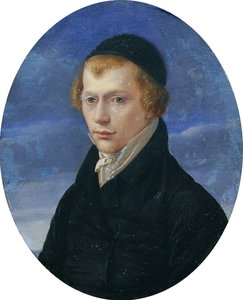
ludwig ferdinand schnorr von carolsfeld
1788 - 1853 , Germany
プロフィール概要
- Artistic Movement Or Style: Picturesque, Landscape
- Artists Or Movements Influenced By This Artist:
- Rococo
- British School
- Artists Who Influenced This Artist: ['Hubert Gravelot']
- Date Of Birth: May 14, 1727
- Date Of Death: August 2, 1788
- Full Name: Thomas Gainsborough
- Nationality: British
- Notable Artworks:
- Musidora
- The Baillie Family
- Lady Rufford
- Place Of Birth: Sudbury, Suffolk