

 プレビュー
プレビュー
 プリントを購入
 シェアする
シェアする シェアする
シェアする
 詳細を見る
詳細を見る

 ダウンロード
 似ている作品
 X線調査
X線調査 スライドショー
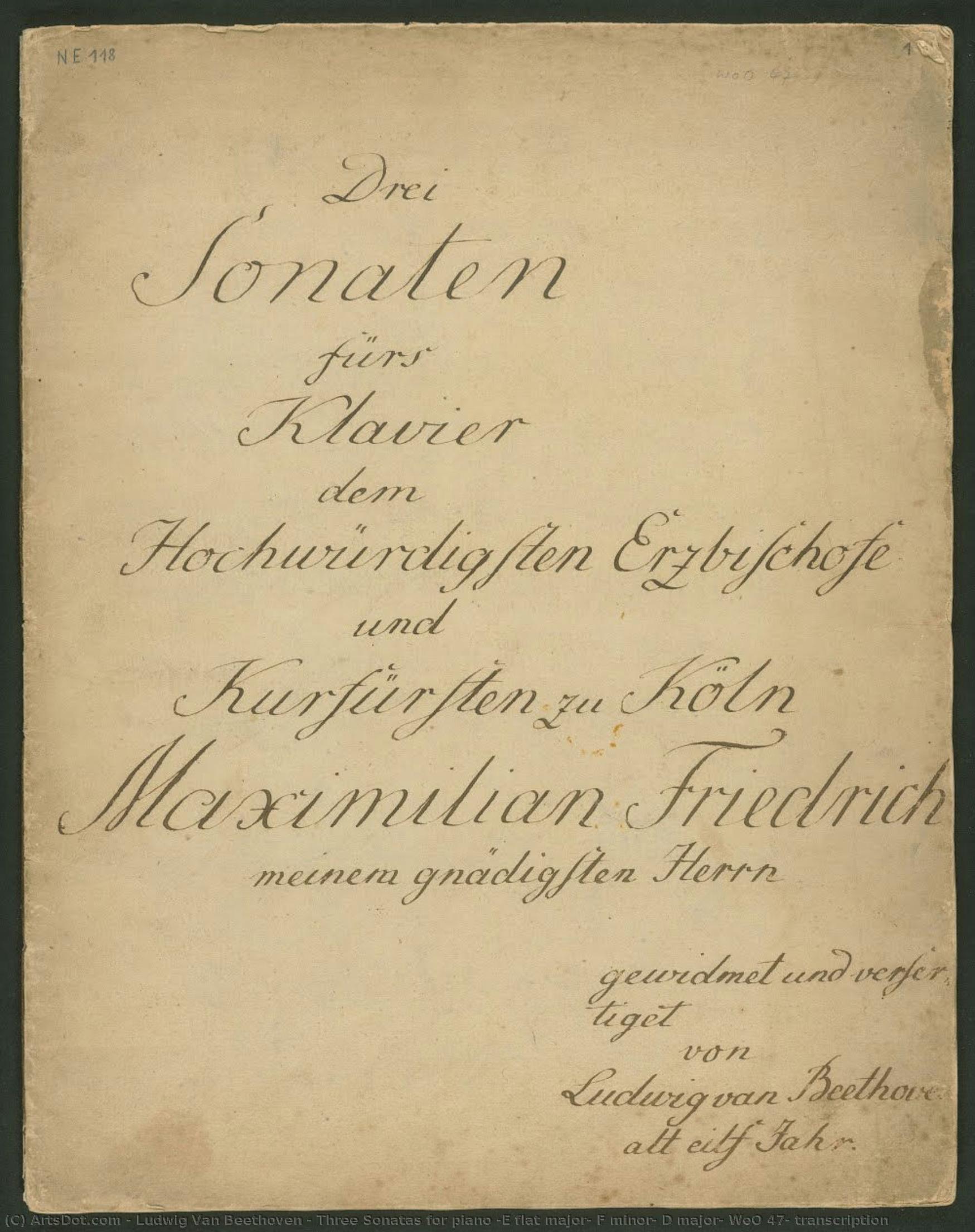
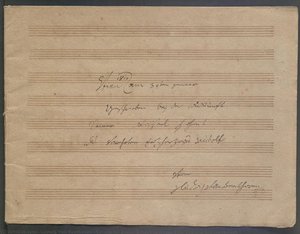
Three Sonatas for piano (E flat major, F minor, D major) WoO 47, transcription
 Acrylic On Canvas
- WallArt
- Classical Romantic
 1790
1790 33.0 x 26.0 cm
 Beethoven-Haus Bonn
 詳細を見る
詳細を見る




P118B $10

P118H $10

P118W $10

P438Z $10

P508JH $12

P508YH $12

P805H $10

P805Z $10

P919BZ $10

P919G $10

P919XJ $10

P959ZH $10

P968JZ $12

W106C $8

W218G $10

W218JH $8

W218Y $10

W307PJ $10

W316G $10

W316PJ $8

W316Y $10

W398PJ $8

W4111J $10

W500HY $15

W500JH $15

W692G $12

W849H $8

W940BG $15

W953PJ $8




作品のオリジナル比率に合わせた、当店の規定サイズからお選びください。

特定のフレームやスペースに合わせて、ご希望のサイズをご入力いただけます。選択されたサイズが元の画像の比率と異なる場合、アートワークをトリミングするか、手描きで要素を追加して絵画を拡張いたします。デジタルモックアップ を制作し、制作開始前にご確認(承認)をいただきます。
画面上のプレビューは、実際のトリミングや拡張を正確に反映しているものではありません。最終的な構図は、モックアップによってのみ正確にご確認いただけます。
カスタムサイズもご利用いただけますが、元の比率を維持するためには、あらかじめ用意されたリストからサイズを選択することをお勧めいたします。
ご注文後、ArtsDot.com チームより詳細な指示をお送りするとともに、仕上がりイメージ(モックアップ)をご提供いたします。


 ガラスオプションは、110cm未満のサイズでのみご利用いただけます。

Three Sonatas for piano (E flat major, F minor, D major) WoO 47, transcription
複製技法
複製画のサイズ
-


合計金額
$ 263
作品解説
Beethoven’s Trio in E♭ Major, WoO 47 – A Window into the Soul
Ludwig van Beethoven's Three Piano Sonatas, WoO 47, represent a pivotal moment in his artistic development—a bridge between the structured elegance of his early years and the burgeoning emotional intensity that would define his mature style. These three sonatas, composed around 1782-1783 when Beethoven was just eleven or twelve years old, aren’t merely exercises in technique; they are glimpses into a young genius grappling with form, harmony, and, crucially, the nascent seeds of his unique voice. The present piece, the first sonata in E♭ major, offers a particularly poignant example of this journey, revealing a remarkable blend of precocity and profound musicality.
The sonata’s character is immediately striking – a vibrant, almost playful energy that belies its youthful origins. It's a work brimming with melodic invention, characterized by a clear sense of structure yet infused with moments of unexpected harmonic shifts and rhythmic surprises. The opening Allegro cantabile establishes this mood perfectly, unfolding with a graceful, lyrical theme that immediately draws the listener in. Notice how Beethoven utilizes repetition—a technique he would master later—to build momentum and create a sense of inevitability. The second theme, presented in B♭ major, introduces a contrasting element, a touch of melancholy that subtly underscores the sonata’s underlying emotional depth. This interplay between light and shadow is a hallmark of Beethoven's style, foreshadowing his future explorations of human experience.
A Transcription Reflecting Early Genius
What makes this particular copy of WoO 47 so compelling is its status as a transcription. Created by an unknown scribe in Bremen around 1800, it’s not Beethoven's original manuscript but rather a faithful rendering of his work. This offers a fascinating insight into how the sonata was perceived and disseminated during its early years. The transcription itself demonstrates a remarkable level of skill—a meticulous attention to detail that suggests the scribe deeply appreciated Beethoven’s innovative approach. The handwritten notes, with their slight variations and expressive markings, imbue the piece with a sense of intimacy and immediacy, as if we are privy to the composer's own creative process.
Interestingly, this transcription was later included in Barry Cooper’s critical edition of Beethoven’s piano sonatas, a decision that acknowledged the importance of these early works. Cooper argued that dismissing them as mere juvenilia would be to ignore the significant developments they represent in Beethoven's artistic evolution. The inclusion of this trio highlights the composer’s continuous growth and experimentation—a testament to his boundless creativity.
Symbolism and Emotional Resonance
Beyond its technical merits, WoO 47 resonates with a profound sense of youthful exuberance and nascent emotion. The key of E♭ major itself is often associated with feelings of joy and optimism, aligning perfectly with the sonata’s bright, uplifting character. However, beneath this surface brightness lie hints of introspection and vulnerability—a foreshadowing of the emotional complexities that would characterize Beethoven's later works. The use of contrasting dynamics – from delicate pianissimos to robust fortes – further enhances the piece’s expressive range, mirroring the shifting moods of youth.
The Rondo finale, with its playful melodies and virtuosic flourishes, provides a satisfying culmination to the sonata's journey. It’s a moment of pure joy—a celebration of musical invention and youthful confidence. Yet, even in this exuberant conclusion, there is a subtle undercurrent of melancholy, suggesting that Beethoven was already grappling with the bittersweet realities of life.
A Timeless Masterpiece – Reproduction Options
Today, Beethoven’s Three Piano Sonatas, WoO 47, remain beloved for their beauty, ingenuity, and emotional depth. Reproductions offer a wonderful opportunity to experience this timeless masterpiece in your own home or studio. ArtsDot.com offers high-quality reproductions of this sonata, meticulously crafted to capture the essence of Beethoven’s original vision. Whether you choose a standard size or commission a custom reproduction tailored to your specific needs, you can be assured of exceptional quality and attention to detail. Bring the soul of Beethoven into your space – a testament to one of music's greatest geniuses.
関連作品
アーティストの略歴
幼少期と音楽の黎明期
ルートヴィヒ・ヴァン・ベートーヴェン、ドイツが生んだ偉大なる作曲家でありピアニストである彼は、1770年にドイツのボンで産声を上げました。幼い頃から類まれな音楽的才能を見せていた彼は、数々の師に師事して研鑽を積み、その後、その生涯の大部分を過ごすことになるウィーンへと舞台を移しました。音楽的革新と、静寂の中での闘い
キャリアの大部分において聴覚障害という過酷な運命に見舞われながらも、ベートーヴェンは決して屈することはありませんでした。交響曲第9番や月光ソナタといった、クラシック音楽史上最も象徴的な傑作を次々と生み出し続けたのです。彼の革新的な楽曲は、声楽と器楽を融合させ、何世紀にもわたって数え切れないほどの音楽家たちに影響を与え続けている唯一無二の響きを創り上げました。主要な作品とその遺産
ベートーヴェンの輝かしい名作には、以下のようなものがあります:- ピアノとチェロのためのソナタ(イ長調)作品69 第1楽章(ArtsDot.comにて閲覧可能)
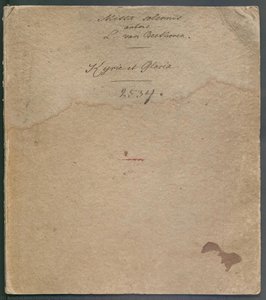
- ベートーヴェンのミサ・ソレムニスの手稿(Wikipediaにて閲覧可能)
- リヒノフスキー公カール・アロイスの庇護を受けた、3つの作品Op.1 ピアノ・ソナタ
影響力と不朽の名声
ベートーヴェンの最大の功績は、それまで声楽に劣ると見なされていた器楽を、芸術の最高到達点へと引き上げたことにあります。クラシック音楽における彼の存在感は計り知れず、彼の作品は今日でもレパートリーの中で最も頻繁に演奏されるものの一つとして君臨しています。 ArtsDot.comでベートーヴェンのさらなる作品を探求する: ルートヴィヒ・ヴァン・ベートーヴェン | 30の芸術作品 Wikipediaでベートーヴェンの生涯と音楽について詳しく学ぶ: ルートヴィヒ・ヴァン・ベートーヴェン - Wikipedia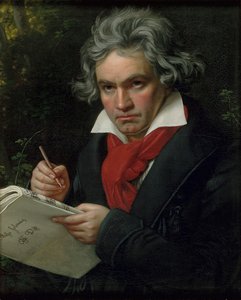
ルートヴィヒ・ヴァン・ベートーヴェン
1770 - 1827 , ドイツ
基本情報
- Artistic Movement Or Style: 古典派・ロマン派
- Artists Or Movements Influenced By This Artist:
- ヨハネス・ブラームス
- ロベルト・シューマン
- Artists Who Influenced This Artist:
- フランツ・ヨーゼフ・ハイドン
- クリスティアン・ゴットロープ・シュルツ
- Date Of Birth: 1770年 ドイツ、ボン
- Date Of Death: 1827年 オーストリア、ウィーン
- Full Name: ルートヴィヒ・ヴァン・ベートーヴェン
- Nationality: ドイツ
- Notable Artworks:
- 月光ソナタ
- 交響曲第9番
- Place Of Birth: ドイツ、ボン
関連記事

レンブラント傑作25選:光と影の巨匠、魂を揺さぶる名画の世界 | ArtsDot
レンブラントの傑作25選。光と影の魔術師が描いた魂を揺さぶる名画の世界へ。美術史に残る自画像、夜警、宗教画…ArtsDotで高品質なアートプリントやインテリアアートをお楽しみください。コレクションはこちら→
Harmonies on Canvas: Exploring the Visual Representation of Music in Art History
Explore the fascinating history of music's visual representation in art! From ancient symbolism to modern abstraction, discover how artists have captured sound and emotion on canvas. Expert insights & stunning examples.

Early Netherlandish Masters: 10 Paintings That Revolutionized Art & Decor
Journey into the world of Early Netherlandish painting! Explore 10 masterpieces by Jan van Eyck, Rogier van der Weyden & more. Discover stunning detail, symbolism & Renaissance art for your home decor. Find museum-quality reproductions on ArtsDot.com
Neo-Classicism's Greatest Hits: 10 Masterpieces for Your Home |
Journey through Neo-Classicism's finest! Explore 10 iconic masterpieces by David, Ingres & Canova. Discover art history, techniques & timeless beauty – perfect for inspiring your home decor. Find museum-quality reproductions at
Early Netherlandish Masters: 10 Paintings That Revolutionized Art & Decor
Journey into the Early Netherlandish Renaissance! Explore 10 iconic paintings by Jan van Eyck, Rogier van der Weyden & more. Discover stunning detail, symbolism, and oil painting techniques. Find museum-quality art reproductions for your home at ArtsDot.com.

