


 プレビュー
プレビュー
 プリントを購入
 シェアする
シェアする シェアする
シェアする
 詳細を見る
詳細を見る

 ダウンロード
 似ている作品
 X線調査
X線調査 スライドショー
Passover Set
 Acrylic
- WallArt
- Contemporary Minimalism
 1978
1978 10.0 x 33.0 cm
 The Jewish Museum
 詳細を見る
詳細を見る
オンラインプレビューをはるかに凌ぐ、高解像度で鮮明なデジタル画像をご購入いただけます。
各ファイルは、社内の専門家が高度なツールと熟練した手作業によるレタッチを用いて、細心の注意を払って準備されています。すべての画像において、卓越した鮮明度、正確な色彩再現性、そして繊細なディテールを保証いたします。
最終ファイルは、プロフェッショナルな編集・印刷環境ですぐにご利用いただけるよう最適化された状態で、72時間以内にメールにてお届けいたします。これは、一流のデザインスタジオ、出版社、ギャラリーから信頼されているものと同等の品質です。
デジタル画像のご注文に付随する特典
高品質なデジタル画像配信を、確かな品質で。
ArtsDot.com を選ぶことは、単に画像を手に入れることではありません。それは、プロの手によって精密に仕上げられ、満足保証が付いた高品質なデジタルアートワークを受け取ることを意味します。ご注文いただいた際に自動的に付随する内容は、以下の通りです:

メールですぐにお届け
ご注文から72時間以内に、高解像度のデジタル画像ファイルがメールでお手元に届きます。すぐにそのままご利用いただけます。

AI技術で最適化されたデジタルファイル
お客様の作品は、高度なAIツールと専門家による手作業の編集を組み合わせてプロフェッショナルに最適化されており、細部のディテール、鮮明さ、そして正確な色再現性を最大限に引き出しています。

一生涯無料の再送サービス
ファイルを誤って削除したり、紛失してしまったりしましたか?ご安心ください。いつでも無料で再送いたします。

輸入手数料は一切かかりません
関税や手数料、配送料を気にすることなく、お気に入りのアートワークをすぐにお楽しみいただけます。デジタルダウンロードは常に免税です。

色彩再現の保証
プロ仕様のツールとカラーマネジメント技術を用いることで、デジタル画像が元の色を最大限に忠実に再現することを保証いたします。

100日間満足保証
ご購入いただいたデジタル画像にご満足いただけない場合は、100日以内であれば、理由を問わず修正または100%の返金対応をさせていただきます。

100% 返金保証
ご満足いただけない場合は、デジタルファイルを受け取ってから100日以内であれば、理由を問わず全額返金いたします。

まとめ買い割引
3枚購入で10%OFF - 5枚購入で15%OFF - 10枚以上購入で20%OFF。クリエイティブなプロジェクト、ギャラリー、エージェンシーに最適です。
関連作品
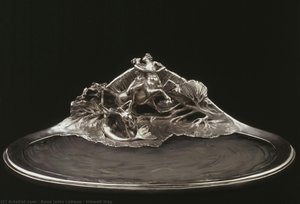
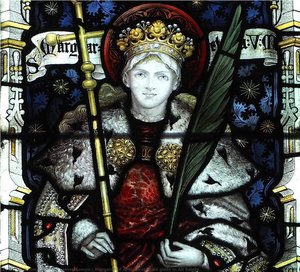
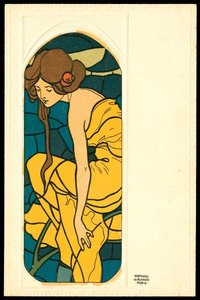
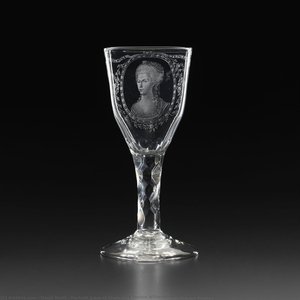

作家の略歴
Ludwig Yehuda Wolpert: The Architect of Modern Judaica
Ludwig Yehuda Wolpert, born in Berlin in 1900 and tragically passing away in 1981, stands as a pivotal figure in the evolution of Jewish ceremonial art. More than just a goldsmith, he was a visionary who dared to break from tradition and forge a distinctly modern aesthetic for Judaica – objects imbued with religious significance – transforming them into works of both beauty and profound symbolism. His journey, marked by displacement, artistic exploration, and a deep commitment to his craft, ultimately established him as the first artist widely recognized for designing Judaica in styles that were radically innovative for their time. Wolpert’s legacy resides not just in the exquisite objects he created but also in his pioneering spirit and his ability to bridge the gap between ancient rituals and contemporary design sensibilities.Early Life and Influences: A German Jewish Childhood
Ludwig Yehuda Wolpert's early life was shaped by both privilege and hardship. Born into a Lithuanian Jewish family of modest means in Hildesheim, Germany, he experienced the sting of antisemitism from an early age. This experience, coupled with a cleft lip that caused him considerable social isolation during his childhood, instilled within him a deep sense of identity and a desire to express himself through art. His artistic training began at the Frankfurt School of Art in 1916, where he initially focused on sculpture. However, it was his studies in goldsmithing from 1925-1928 that truly ignited his passion and would ultimately define his career. The Bauhaus movement, with its emphasis on geometric forms, functional design, and the integration of art and craft, exerted a profound influence on Wolpert’s work, shaping his approach to both form and content. The principles of simplification, clarity, and the rejection of superfluous ornamentation became cornerstones of his artistic philosophy.Breaking with Tradition: Modern Judaica Takes Shape
Following the rise of Nazism in 1933, Wolpert, along with his family, sought refuge in Palestine (then Mandatory British Palestine). He initially worked as a craftsman for Bernhard Friedländer, honing his skills and further developing his unique vision. It was during this period that he began to experiment with creating Judaica – ceremonial objects used in Jewish religious practices – but rejecting the ornate, heavily decorated styles prevalent at the time. Instead, Wolpert embraced clean lines, geometric shapes, and a minimalist aesthetic, drawing inspiration from the Bauhaus principles and incorporating Hebrew calligraphy into his designs. His 1939 exhibition at the New York World’s Fair showcased this groundbreaking approach, introducing modern Judaica to an international audience and establishing him as a leading innovator in the field. His work deliberately avoided traditional religious iconography, opting instead for abstract forms that conveyed spiritual meaning through their inherent beauty and balance.Key Works and Notable Designs
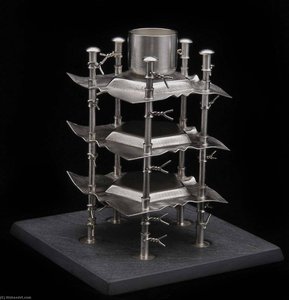
Wolpert’s impact is most vividly demonstrated through his iconic designs, including the “Honey Dish” (1960), a stunning silver ceremonial platter showcasing Bauhaus-inspired Judaica & geometric design – a rare piece of modern art that exemplifies his commitment to simplicity and elegance. The "Kiddush Cup" (1957) further solidifies this legacy, a masterpiece reflecting Bauhaus design and Jewish ritual, demonstrating polished realism meeting ceremonial art. His Passover Seder set with plates, dishes, and wine cup (1953), featuring stainless steel & glass, is another significant example of his ability to translate religious symbolism into contemporary materials and forms. These pieces, along with numerous other designs for Hanukkah lamps, Kiddush cups, and menorahs, represent a radical departure from traditional Judaica while retaining its spiritual essence.Legacy and Recognition
Ludwig Yehuda Wolpert’s contributions to the world of Jewish art are undeniable. He was recognized as the first artist to design Judaica in modern styles, paving the way for subsequent generations of artists who sought to reinterpret traditional rituals through a contemporary lens. His work has been exhibited extensively throughout his career, including retrospectives at the Jewish Museum of New York and Chicago’s Spertus Institute. He received numerous accolades, including an honorary doctorate from the Spertus Institute in 1976, recognizing his profound impact on Jewish culture and art. Wolpert's influence continues to resonate today, as his designs are still admired for their beauty, innovation, and enduring relevance. His work is preserved and celebrated at institutions like the Israel Museum in Jerusalem, ensuring that his pioneering spirit and artistic vision will continue to inspire for years to come.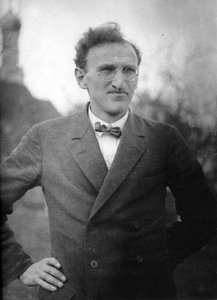
ludwig yehuda wolpert
1900 - 1981