

 プレビュー
プレビュー
 プリントを購入
 シェアする
シェアする シェアする
シェアする
 詳細を見る
詳細を見る

 ダウンロード
 似ている作品
 X線調査
X線調査 スライドショー
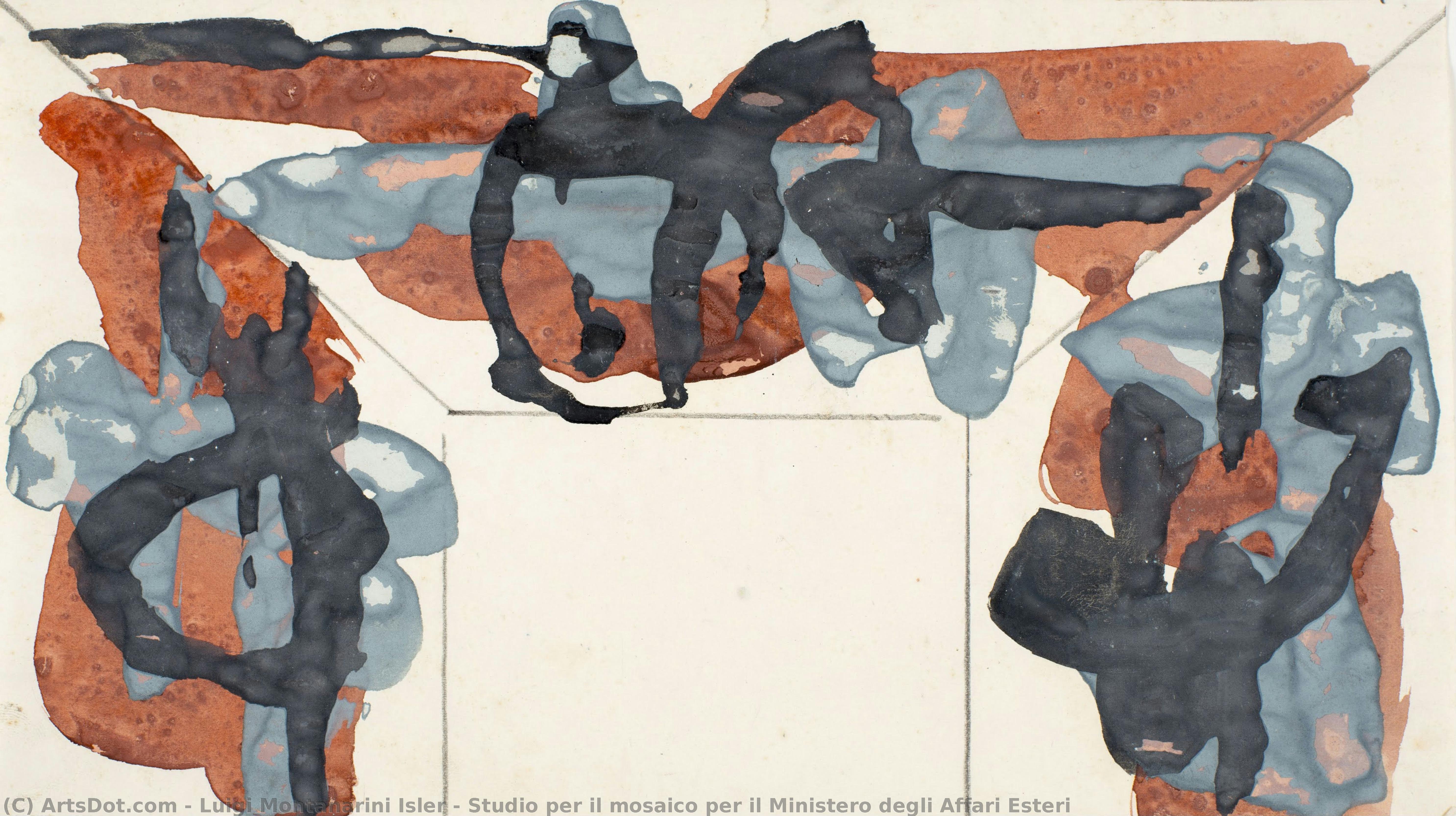
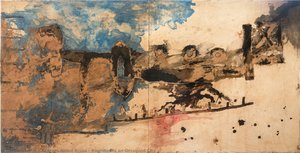
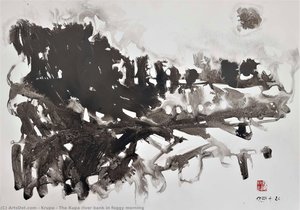
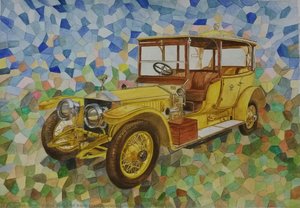
Studio per il mosaico per il Ministero degli Affari Esteri
 Abstract Expressionism
 14.0 x 26.0 cm
 Ministero degli Affari Esteri e della Cooperazione Internazionale. Collezione Farnesina
 詳細を見る
詳細を見る
オンラインプレビューをはるかに凌ぐ、高解像度で鮮明なデジタル画像をご購入いただけます。
各ファイルは、社内の専門家が高度なツールと熟練した手作業によるレタッチを用いて、細心の注意を払って準備されています。すべての画像において、卓越した鮮明度、正確な色彩再現性、そして繊細なディテールを保証いたします。
最終ファイルは、プロフェッショナルな編集・印刷環境ですぐにご利用いただけるよう最適化された状態で、72時間以内にメールにてお届けいたします。これは、一流のデザインスタジオ、出版社、ギャラリーから信頼されているものと同等の品質です。
デジタル画像のご注文に付随する特典
高品質なデジタル画像配信を、確かな品質で。
ArtsDot.com を選ぶことは、単に画像を手に入れることではありません。それは、プロの手によって精密に仕上げられ、満足保証が付いた高品質なデジタルアートワークを受け取ることを意味します。ご注文いただいた際に自動的に付随する内容は、以下の通りです:

メールですぐにお届け
ご注文から72時間以内に、高解像度のデジタル画像ファイルがメールでお手元に届きます。すぐにそのままご利用いただけます。

AI技術で最適化されたデジタルファイル
お客様の作品は、高度なAIツールと専門家による手作業の編集を組み合わせてプロフェッショナルに最適化されており、細部のディテール、鮮明さ、そして正確な色再現性を最大限に引き出しています。

一生涯無料の再送サービス
ファイルを誤って削除したり、紛失してしまったりしましたか?ご安心ください。いつでも無料で再送いたします。

輸入手数料は一切かかりません
関税や手数料、配送料を気にすることなく、お気に入りのアートワークをすぐにお楽しみいただけます。デジタルダウンロードは常に免税です。

色彩再現の保証
プロ仕様のツールとカラーマネジメント技術を用いることで、デジタル画像が元の色を最大限に忠実に再現することを保証いたします。

60日間満足保証
ご購入いただいたデジタル画像にご満足いただけない場合は、60日以内であれば、修正または100%の返金(理由を問う必要はありません)をさせていただきます。

100% 返金保証
ご満足いただけない場合は、デジタルファイルを受け取ってから60日以内であれば、理由を問わず全額返金いたします。

まとめ買い割引
3枚購入で10%OFF - 5枚購入で15%OFF - 10枚以上購入で20%OFF。クリエイティブなプロジェクト、ギャラリー、エージェンシーに最適です。
関連作品
![Abstract Composition [triptych] — Vaclav Vytlacil, Abstract Expressionism](/media/artworks/images-thumb/08/3c/083c0675045645fd42d4e6c6d63f1ced.jpg)
作家の略歴
Paul Cézanne: Bridging the Gap Between Impressionism and Modernity
Born in Aix-en-Provence, France, on January 19, 1839, Paul Cézanne was a pivotal figure in the transition from late 19th-century Impressionism to the burgeoning movements of early 20th-century modern art. While initially influenced by the vibrant colors and fleeting moments captured by his Impressionist predecessors, Cézanne relentlessly pushed beyond these techniques, developing a unique visual language that profoundly impacted artists like Picasso, Matisse, and Braque – laying the groundwork for Cubism and countless subsequent artistic explorations.
Cézanne’s early life was marked by a comfortable upbringing within a family of modest means. His father, Albert Cézanne, was a banker, and his mother, Antoinette Honnorat, instilled in him a deep appreciation for the natural world. He received a solid education, studying at the École des Beaux-Arts in Paris, where he encountered the works of artists like Delacroix and Courbet. However, it was his time spent observing the landscapes around Aix – particularly Mont Sainte-Victoire, which became an obsessive subject throughout his career – that truly shaped his artistic vision. This repeated engagement with a single motif wasn’t simply about repetition; it was a deliberate process of dissecting form, analyzing its underlying structure, and rebuilding it on canvas in a way that captured not just the appearance but also the essence of the subject.
- Early Influences: Cézanne's early work shows clear traces of Impressionism, particularly in his use of color and light. He initially painted scenes of Parisian life and landscapes, often capturing the effects of sunlight and atmosphere.
- Breaking with Tradition: As he matured, Cézanne began to reject the conventions of academic art, moving away from traditional perspective and realistic representation. He experimented with flattened planes of color, simplified forms, and a more sculptural approach to painting.
- Mont Sainte-Victoire: The mountain became a central focus in his work, appearing in hundreds of paintings over several decades. Each iteration offered a new interpretation, revealing the complexities of its form and the artist’s evolving understanding of space and perspective.
The Language of Form and Color
Cézanne's revolutionary approach wasn't simply about rejecting established rules; it was about establishing *new* ones. He meticulously studied the geometry underlying objects, reducing them to their essential forms – cylinders, cones, spheres – and then rebuilding them on canvas using broken brushstrokes of pure color. This technique, often described as “multiple viewpoints,” allowed him to capture not just a single perspective but also the simultaneous presence of multiple perspectives within a single image.
His use of color was equally innovative. He moved away from the bright, saturated hues of Impressionism towards more muted and earthy tones, employing complementary colors to create visual tension and depth. He often applied paint in thick, impasto layers, adding texture and physicality to his canvases. This tactile quality further emphasized the sculptural nature of his work.
- Emphasis on Structure: Cézanne sought to depict not just what he *saw* but also what he *knew* about the objects before him – their underlying structure, their weight, and their spatial relationships.
- Broken Brushstrokes: He employed a technique of “broken brushstrokes,” applying small dabs of color side-by-side rather than blending them together. This created a sense of movement and vibration within the painting’s surface.
- Color Theory: Cézanne was deeply interested in color theory, experimenting with complementary colors to create visual harmony and contrast.
A Legacy of Innovation
Cézanne's influence on subsequent generations of artists is undeniable. His exploration of form, color, and perspective paved the way for Cubism, which sought to break down objects into geometric shapes and represent them from multiple viewpoints simultaneously. Artists like Picasso and Braque directly studied Cézanne’s work, adapting his techniques to create their own revolutionary styles.
Beyond its direct impact on Cubism, Cézanne's emphasis on the fundamental elements of art – form, color, and line – continues to resonate with artists today. He demonstrated that painting could be more than just a representation of reality; it could be an exploration of perception, structure, and the very nature of seeing.
Cézanne died in Aix-en-Provence on October 22, 1906, leaving behind a remarkably small but profoundly influential body of work. His paintings, initially met with mixed reactions, are now recognized as masterpieces that fundamentally changed the course of art history. His dedication to rigorous observation and his relentless pursuit of new artistic possibilities cemented his place as one of the most important artists of the modern era.
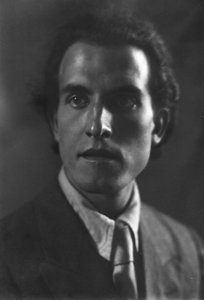
luigi montanarini isler
1906 - 1998 , Italy
プロフィール概要
- Artistic Movement Or Style: Post-Impressionism
- Artists Or Movements Influenced By This Artist: ['Cubism']
- Artists Who Influenced This Artist:
- Impressionism
- Romanticism
- Date Of Birth: 19 January 1839
- Date Of Death: 22 October 1906
- Full Name: Paul Cézanne
- Nationality: French
- Notable Artworks:
- The Card Players
- The Bathers
- Mont Sainte-Victoire
- Place Of Birth: Paris, France

