

 プレビュー
プレビュー
 シェアする
シェアする シェアする
シェアする
 詳細を見る
詳細を見る

 ダウンロード
 似ている作品
 X線調査
X線調査 スライドショー
 Stats
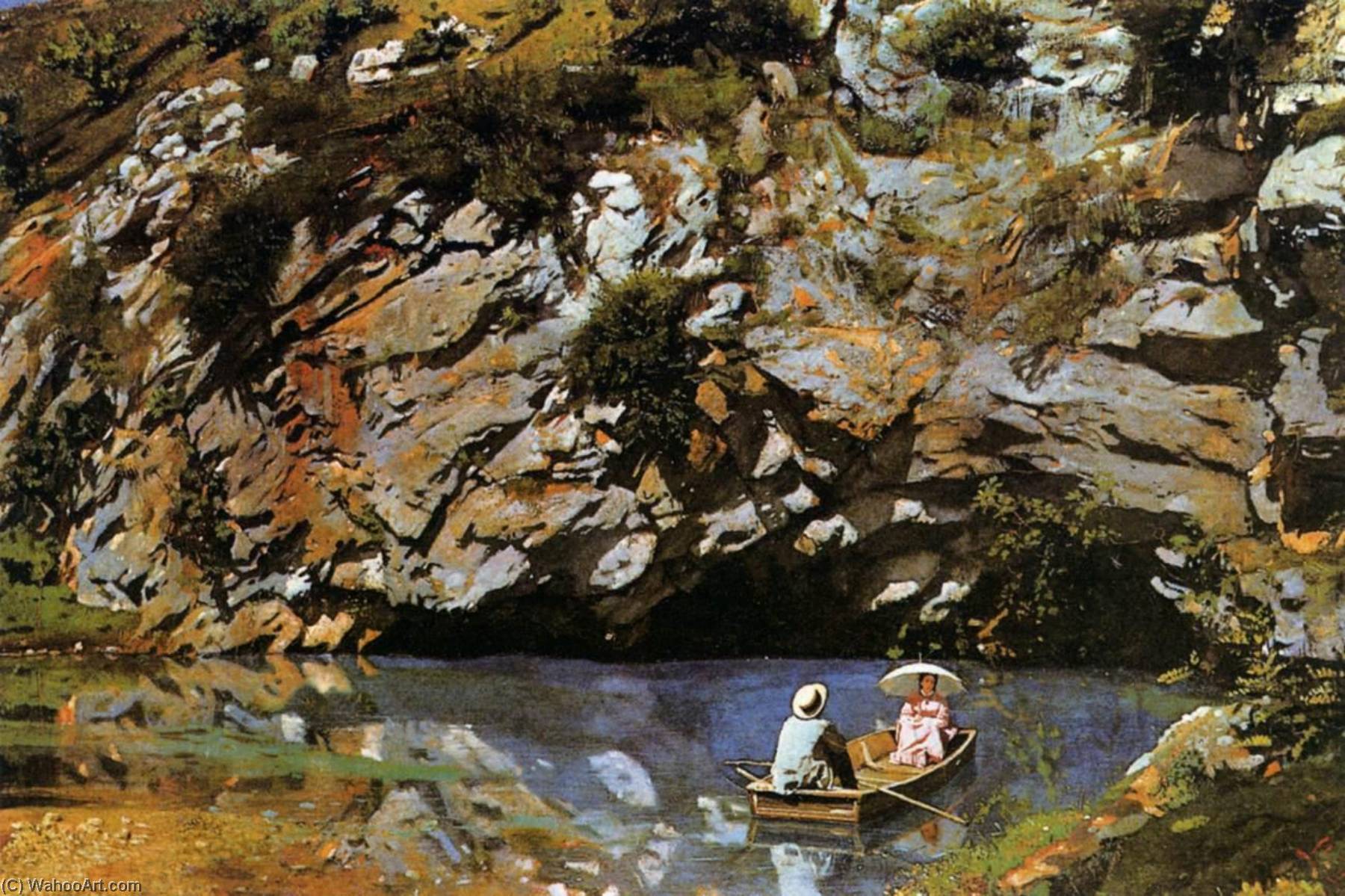
StatsThe Source of the Gorgazzo
 1872
1872 65.0 x 102.0 cm
 詳細を見る
詳細を見る
手描き油彩複製画
当社のアーティストが、お客様のご希望のサイズと額縁に合わせて、キャンバスに手描きで制作する油彩画です。 ( Switch to Print Switch to Digital Image)




































作品のオリジナル比率に合わせた、当店の規定サイズからお選びください。

特定のフレームやスペースに合わせて、ご希望のサイズをご入力いただけます。選択されたサイズが元の画像の比率と異なる場合、アートワークをトリミングするか、手描きで要素を追加して絵画を拡張いたします。デジタルモックアップ を制作し、制作開始前にご確認(承認)をいただきます。
画面上のプレビューは、実際のトリミングや拡張を正確に反映しているものではありません。最終的な構図は、モックアップによってのみ正確にご確認いただけます。
カスタムサイズもご利用いただけますが、元の比率を維持するためには、あらかじめ用意されたリストからサイズを選択することをお勧めいたします。
ご注文後、ArtsDot.com チームより詳細な指示をお送りするとともに、仕上がりイメージ(モックアップ)をご提供いたします。


 ガラスオプションは、110cm未満のサイズでのみご利用いただけます。

The Source of the Gorgazzo
複製技法
複製画のサイズ
-


合計金額
$ 263
Style and Composition
The Source of the Gorgazzo is a prime example of Italian Romanticism, characterized by its dreamy and idyllic depiction of nature. The painting features two people in a boat, surrounded by lush greenery and serene water. The use of warm colors and soft brushstrokes creates a sense of tranquility and peace.Artist and Inspiration
Luigi Nono was an Italian painter known for his landscapes and genre scenes. His work was influenced by the Romantic movement, which emphasized emotion, imagination, and individualism. The Source of the Gorgazzo is one of his most notable works, showcasing his ability to capture the beauty of nature and the human experience.- The painting is available for reproduction on ArtsDot.com
- More information about the artist and his work can be found on Wikipedia
- The original painting is housed at a private collection, but reproductions are available for purchase on ArtsDot.com
The Source of the Gorgazzo is a must-see for anyone who appreciates beautiful art and nature. Its serene and peaceful atmosphere makes it a perfect addition to any home or office.
関連作品









アーティストの略歴
The Resonance of Resistance: The Life and Legacy of Luigi Nono
In the vibrant, salt-aired streets of Venice, a city where history breathes through every stone, Luigi Nono was born into a world steeped in artistic heritage. Arriving on January 29, 1924, Nono carried within him the echoes of a profound lineage; his paternal grandfather was a celebrated painter of the late nineteenth-century Venetian tradition, and his family was deeply rooted in the cultural fabric of Italy. This early immersion in the arts provided more than just a backdrop; it offered a foundational language of aesthetics that would later inform his radical approach to sound. While his path diverged from the canvas toward the staff paper, the visual sensitivity of his ancestors remained a ghostly presence in his compositions, manifesting as a meticulous attention to texture and structural clarity.
Nono’s musical journey began in earnest at the Venice Conservatory in 1941, under the guidance of Gian Francesco Malipiero. Here, he absorbed the rich complexities of the Renaissance madrigal tradition, a period of music characterized by intricate polyphony and expressive word-painting. However, Nono was not merely a scholar of the past; he was a man shaped by the turbulent political currents of his era. Having been a member of the Italian resistance during the Second World War, his very identity was forged in the crucible of anti-fascist struggle. This profound political commitment would become the heartbeat of his creative output, ensuring that his music was never merely an abstract exercise in sound, but a powerful vessel for social and political commentary.
A Vanguard of Sound and Structure
The post-war era saw Nono emerge as a central figure in the Darmstadt School, standing alongside titans such as Pierre Boulez and Karlheinz Stockhausen. Yet, where others sought a purely mathematical or detached exploration of serialism, Nono infused the rigorous techniques of the twelve-tone system with a visceral, human urgency. His breakthrough came in 1950 with Variazioni canoniche sulla serie dell'op. 41 di A. Schönberg, a work that showcased his mastery of the Schoenbergian tradition while signaling his arrival as a formidable new voice. Through the mentorship of Bruno Maderna and the conducting prowess of Hermann Scherchen, Nono navigated the avant-garde landscape, pushing the boundaries of what could be considered "music."
As his career progressed, Nono’s sonic palette expanded into the revolutionary realms of electronic and aleatory music. He became a pioneer in utilizing technology to manipulate timbre and space, treating sound as a physical substance that could be sculpted, stretched, and fragmented. His works often functioned as indictments of human suffering; La vittoria di Guernica served as a haunting musical parallel to Picasso’s iconic painting, mourning the atrocities of war. In masterpieces like Il Canto Sospeso, he utilized serial techniques to weave together fragments of letters from resistance fighters, creating a tapestry where the distinction between melody and text dissolves into a singular, haunting cry for justice.
The Architecture of Silence and Spirit
To listen to Luigi Nono is to experience the tension between extreme density and profound silence. His later works moved toward a more contemplative, almost spiritual exploration of sound, where the space between notes became as significant as the notes themselves. He sought to capture the "unheard," using the vastness of acoustic space to evoke the weight of history and the fragility of existence. This evolution from the rigid structures of early serialism to a more fluid, atmospheric language marked his maturity as one of the most influential composers of the twentieth century.
The significance of Nono’s contribution to the musical canon cannot be overstated. He bridged the gap between the intellectual rigor of the avant-garde and the raw emotion of political activism. His legacy remains a testament to the power of art to act as both a mirror to society's darkest moments and a beacon for its highest aspirations. Through his innovations in electronic textures and his unwavering dedication to the human condition, Nono ensured that the music of the twentieth century would forever carry the resonance of resistance.
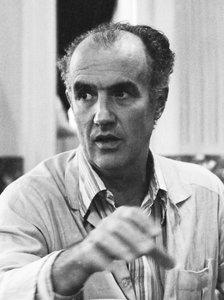
luigi nono
1924 - 1990
基本情報
- Artistic Movement Or Style: Avant-garde music
- Artists Who Influenced This Artist:
- Gian Francesco Malipiero
- Bruno Maderna
- Arnold Schoenberg
- Date Of Birth: Jan 29, 1924
- Date Of Death: May 8, 1990
- Full Name: Luigi Nono
- Nationality: Italian
- Notable Artworks:
- Variazioni canoniche
- Il canto sospeso
- La victoire de Guernica
- Place Of Birth: Venice, Italy